The Digital Transformation Lab at Texas A&M University has integrated biometrics, artificial intelligence and virtual simulations to help create hospitality experiences for research and data gathering.
The overview
Headed by the university’s Department of Hospitality, Hotel Management and Tourism, the lab creates hypotheticals for analysis of factors in hospitality, such as guest emotions and realistic, high-stress scenarios. With the use of AI and biometric scanning, the lab seeks to create “immersive environments to capture insights that traditional surveys often miss.”
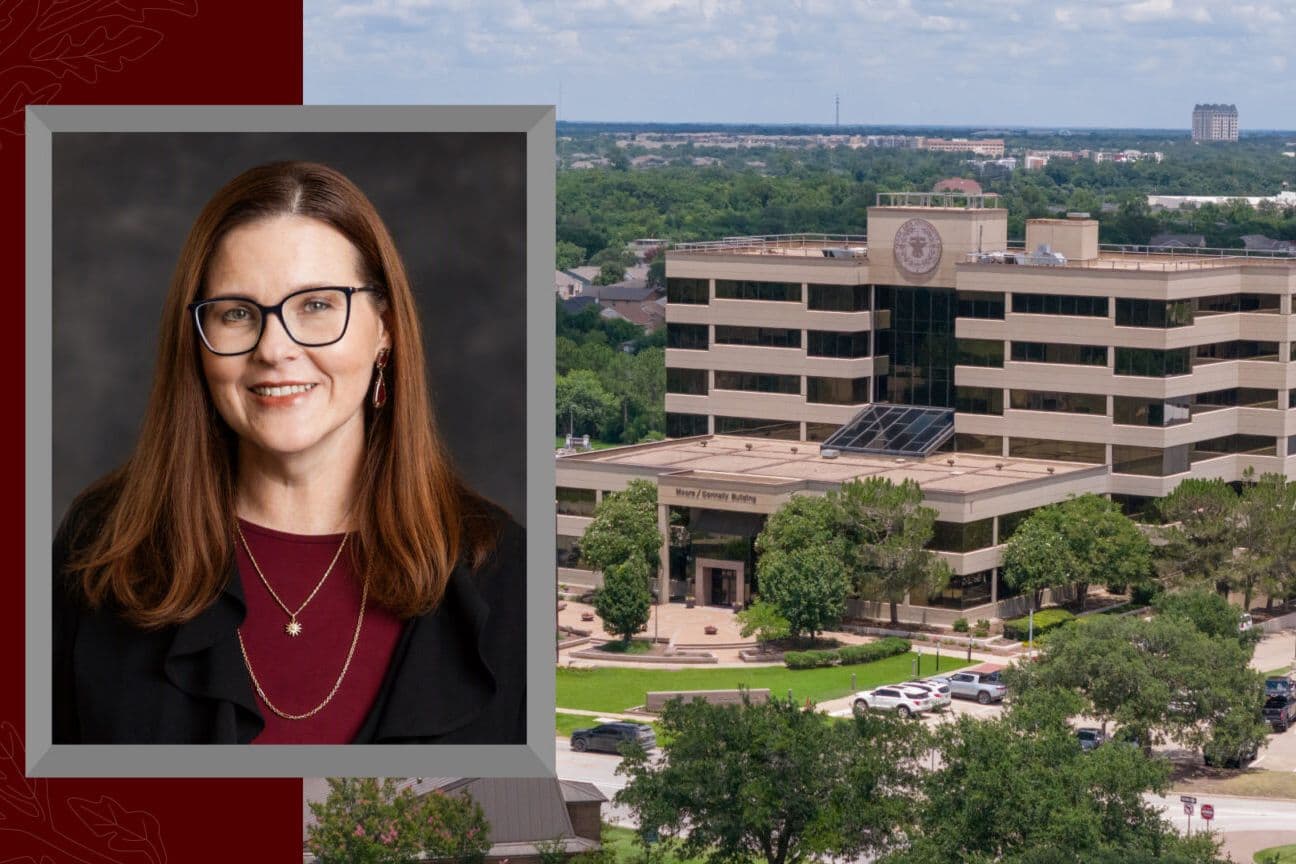
Dr. Babak Taheri, the director of the lab and a professor at Texas A&M, said he designed the lab to learn about guest and staff interactions and how they’re experienced together.
“Hospitality has always been about people,” he said. “Our lab helps us better understand how people experience services and how innovation can make those experiences more meaningful.”
Zooming in
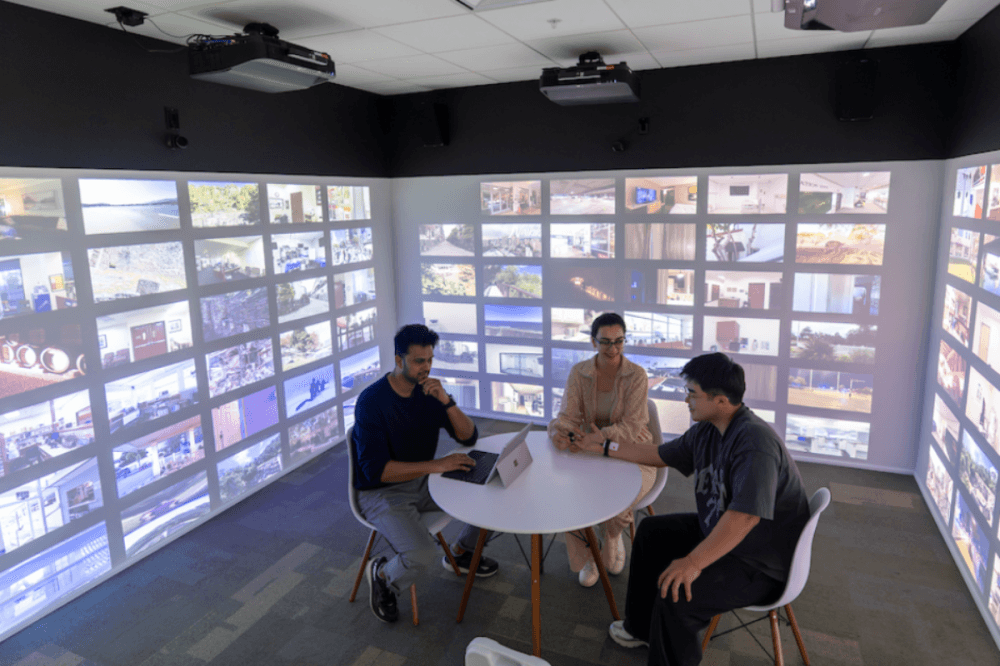
The lab is centered around the PRISM Virtual Simulation room. Combined with AI voice analysis and skin-response sensors, the room can simulate various scenarios based on examples such as restaurants, hotels and tourist attractions.
Along with student and faculty use, various restaurant and hospitality businesses partnering with Texas A&M can use the facilities. According to a news release, it can be used for “new service concepts, pilot emerging technologies and study how guests respond before committing to large-scale changes.”
Before you go
With tourism and hospitality changing rapidly due to new technologies, Taheri said he believes the future of hospitality has two priorities: “the demand for highly trained human talent and the rapid adoption of AI-driven tools.” As one of the first of its kind in the United States, the Digital Transformation Lab can be used for a wide range of research and scenarios, all helping further tourism and service initiatives.