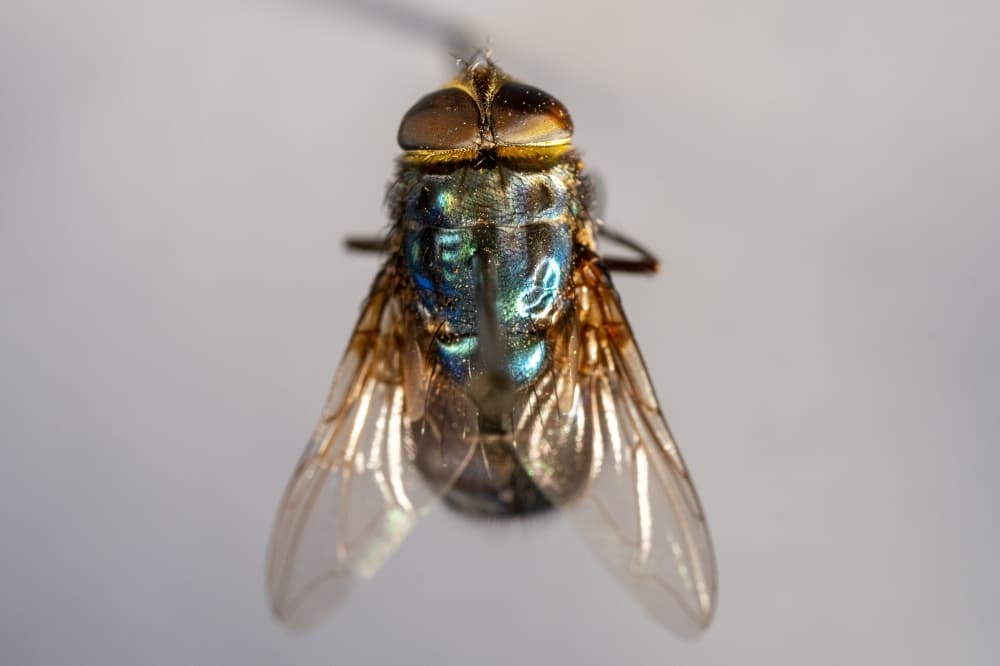
Texas A&M University’s AgriLife will receive part of a $105 million grant from the U.S. Department of Agriculture for research concerning the potential New World screwworm outbreak in the United States, according to a June 17 news release.
What’s happening
Under the USDA program The New World Screwworm Grand Challenge, the grant is going toward readiness on the detection, control and eradication of the screwworm. According to the news release, Texas A&M AgriLife was chosen to lead seven proposals and contribute to seven additional projects, in addition to already contributing to another USDA project.
The projects are going to focus on four core areas, including:
- Release more sterile worms and create a more efficient method of release
- Develop new traps and a more advanced monitoring system
- Strengthen response and advance different therapeutics for animals
- Develop tools to help monitor wildlife and resistance of the NWS
Zooming in
As of June 22, there have been 25 confirmed New World screwworm cases in the United States, with 24 being confirmed in Texas. According to the USDA, most cases have affected cattle and sheep, along with one case in a dog.
Texas A&M has been responsive to the outbreak within the state, deploying a veterinary emergency response team.
The university said on June 15 that the team members “will help conduct animal inspections, treatments and sample collection in affected areas.”
G. Cliff Lamb, director of AgriLife Research, cited the importance of protecting agricultural life in the country, along with the university’s commitment to serving the community's needs.
“By uniting innovation with purpose, we’re building the tools that protect livestock, safeguard our food systems and strengthen the resilience of every community that depends on them,” he said. “This work reflects our commitment to science that serves, providing solutions that defend animal health today while preparing Texas and the nation for the challenges ahead.”
The takeaway
With 22 active cases in Texas, efforts from Texas A&M University and the USDA hope to curb the outbreak before it becomes an epidemic. Jeffrey W. Savell, the vice chancellor and dean for agriculture and life sciences, said these projects should help strengthen the drive Texas A&M AgriLife has for wildlife and Texan agriculture.