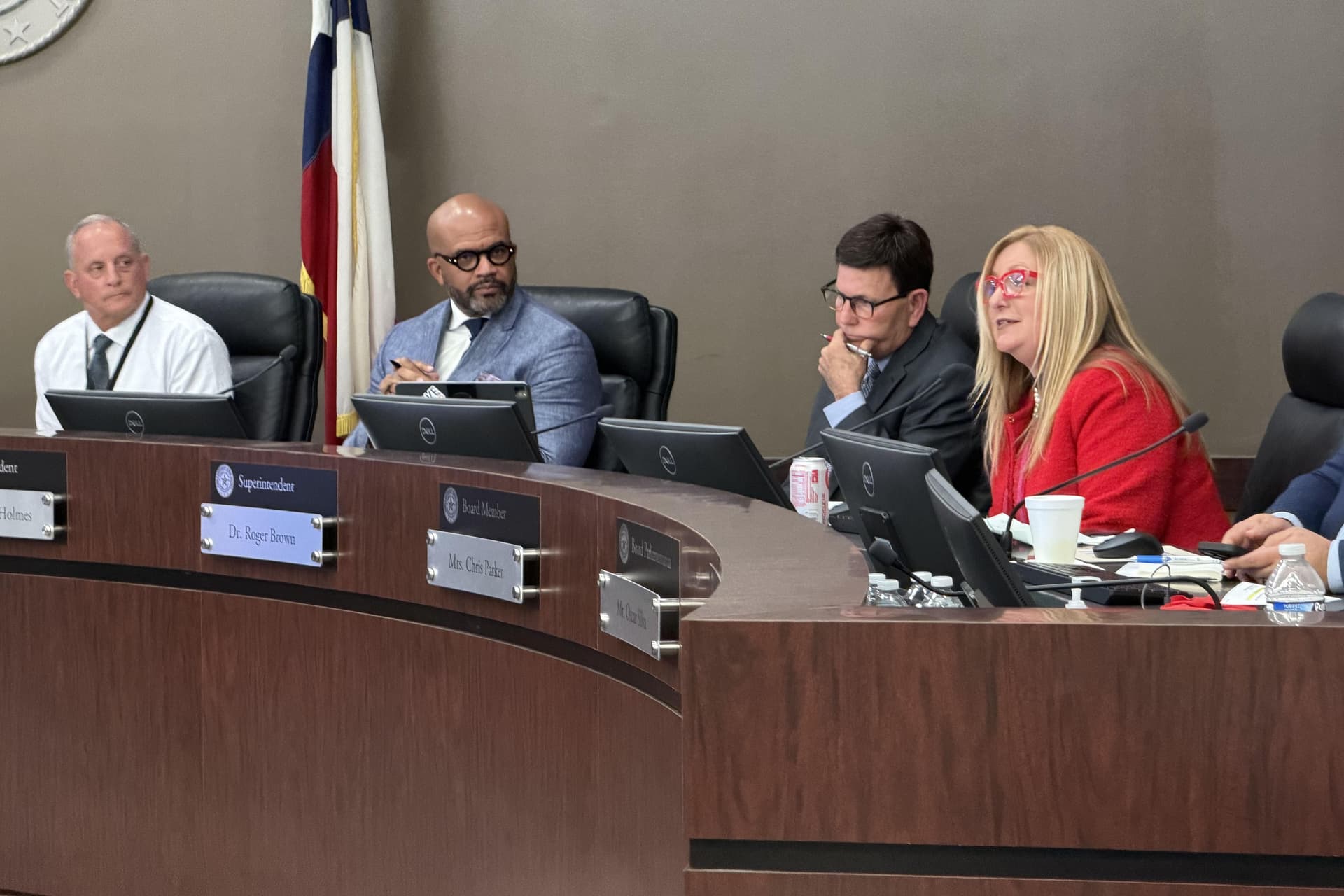
After West University residents brought up concerns about speeding on stretches of road like Bissonnet Street, Rice Avenue, University Boulevard and Mercer Street, West U City Council heard from Megan Siercks, director of traffic with BGE, at the Feb. 9 City Council meeting, where she explained the process of installing traffic control signs.
Sorting out the details
Several ways can warrant the installation of a traffic signal, Siercks said, including:
- The number of crashes that occur. There must be a certain number within an established time frame.
- The volume of vehicles that approach the intersection within an eight-hour time frame. It must be at least 300 vehicles.
- Sight distance
- Temporary fix for a future traffic light installation
- Significant pedestrian or bicycle traffic
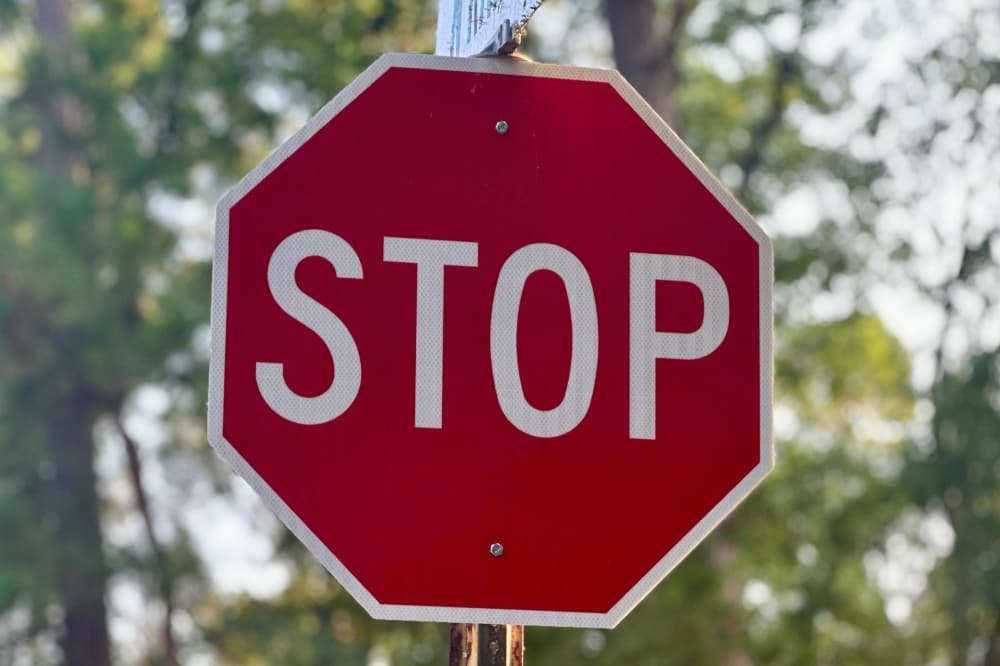
Siercks said that traffic engineers generally do not view stop signs as “speed controls.”
“They could be an unintended bonus, but it is not why you put one in,” she said.
Siercks said there could also be unintended consequences for putting stop signs in when not warranted, such as people who might roll through them without coming to a complete stop, which could be more dangerous for pedestrians.
There is also the risk for “speed compensation,” where mid-block speeds increase, usually due to a driver’s frustration with the stop sign, she said.
How it works
Before adding signs, traffic engineers study the areas where they are proposed to be installed to determine whether the signs are actually needed, Siercks said.
Council member Clay Brett questioned whether the city was legally bound by engineering standards or simply advised by them. City Attorney Loren Smith said it is not an official state law, but that they are used because the engineering opinions can help the city make better-informed decisions.
“Let’s assume worst-case scenario, I think you’re very exposed if you put [a stop sign in] without manual study, and turns out the manual would recommend not installing,” Smith said. “And if it comes up in court, there will definitely be engineers involved.”
What are the options?
Council member John Bertini offered alternative solutions that could help with speeding and traffic concerns.
“You could have roadway designs where you narrow roadways,” he said. “I’m not endorsing the vertical elevations or speed bumps, but there are modifications of that that can work.”
Signs that tell drivers their speed as they are driving have also been successful, he said.
“You may kill somebody with a stop sign,” Bertini said. “Most of the stop signs in West U have a political story behind them, and... once they get in, they can’t be extracted.”
Next steps
Siercks agreed to return to the council with costs to do a wider study of traffic stops in West U at a later date. However, any changes would likely not take effect until after those proposed studies are complete, which could take months before the next steps are made, she said.