Bellaire officials and engineers officially broke ground on Phase 1 of the city’s generator installation project on Aug. 26, Director of Capital Projects Umer Khan confirmed via email.
The three-step project guided by engineering and consulting firm Ardurra Group, Inc., seeks to improve emergency power resiliency at critical municipal facilities in Bellaire in the event of major outages.
The gist
After receiving Hazard Mitigation Grant Program funding from the Texas Division of Emergency Management, city officials selected Ardurra for the improvement project’s consultation and design in 2025, according to agenda documents.
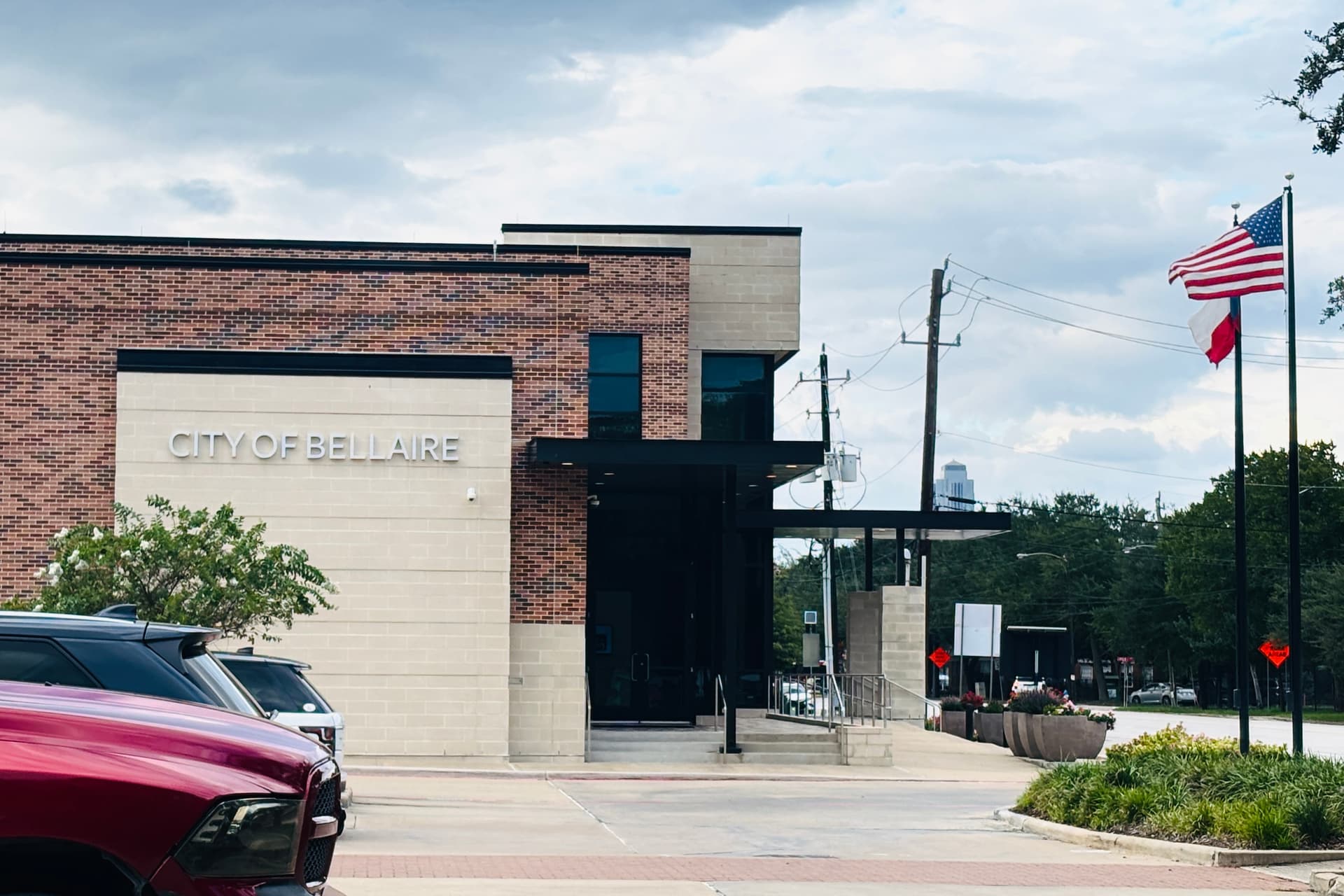
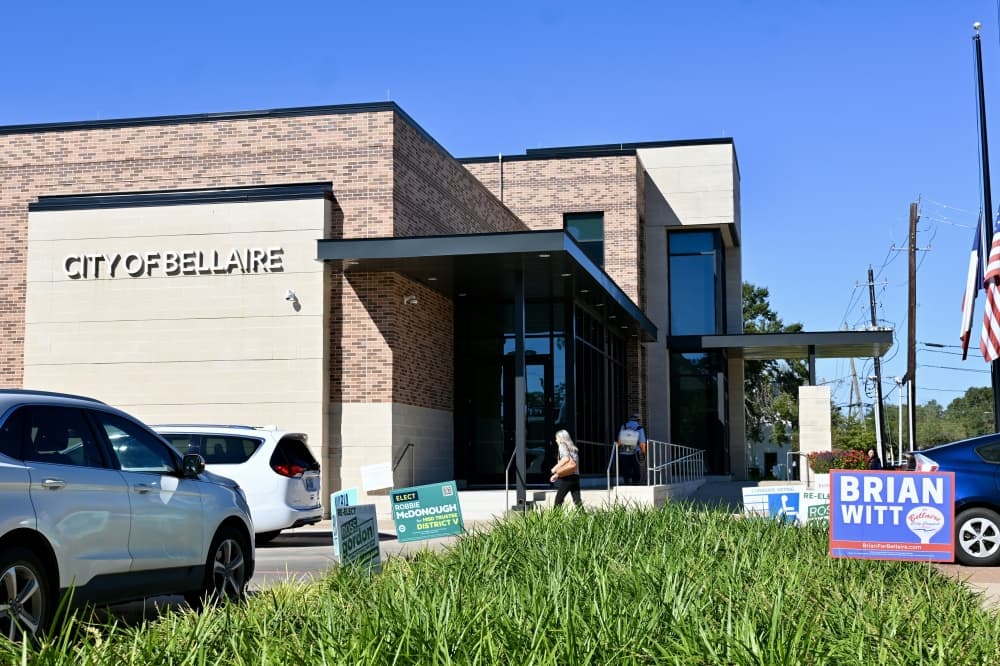
Since then, Ardurra engineers have been tasked with evaluating and redesigning the emergency power infrastructure found at Bellaire City Hall; Renwick Drive Water Well Facility; and the Bellaire, Rice and Wendell lift station facilities. The redesign includes, but is not limited to, the installation of new generators at each site.
The improvement project is divided into three phases based on its associated tasks:
- Phase 1: Preliminary engineering, involving project management/coordination, data collection, engineering evaluation and development of a preliminary report
- Phase 2: Final design, involving project management/coordination, design phase services and a bidding process
- Phase 3: Construction phase services
Completion of these phases will be followed by additional services such as geotechnical investigations and topographic surveying, per the agenda.
With Phase 1 of the improvement project now underway, Ardurra engineers have begun conducting facility-by-facility assessments of each site. Their findings will identify what areas of the city’s infrastructure should be improved and shape the foundation of future generator installation designs.
Budget explained
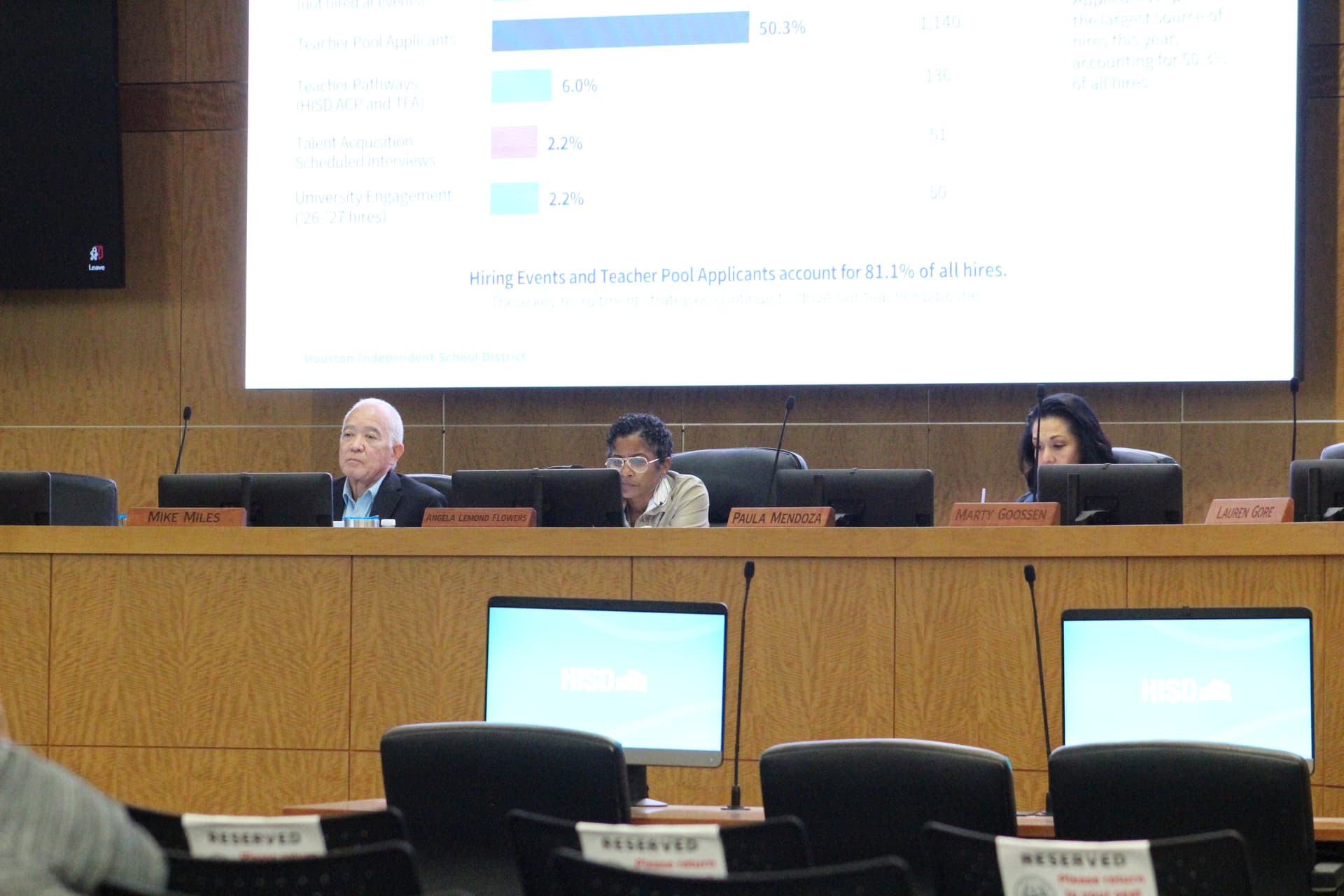
Bellaire City Council unanimously approved the professional services contract with Ardurra at an Aug. 17 session.
In doing so, certain revenues and appropriations were amended in the city’s fiscal year 2025-26 budget to ensure that adequate funds are available for the upcoming design and installation works, agenda documents indicate.
Ardurra is slated to receive a payout of $365,490 from the city for all associated services within the contract.
Meeting highlights
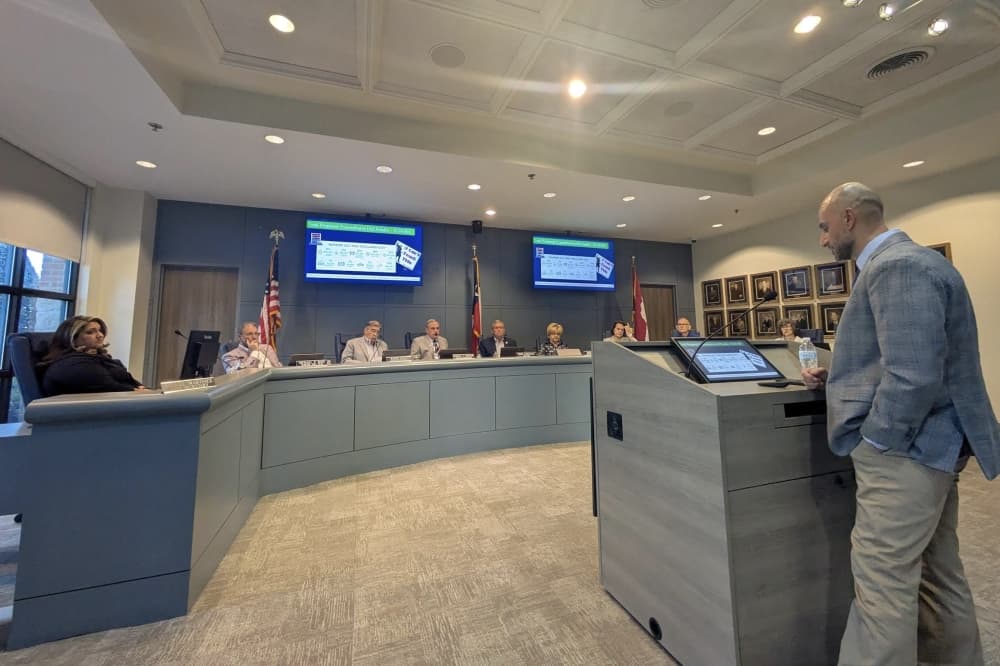
Bellaire’s capital projects director and Ardurra Principal Chris Canonico reviewed the outline for the improvement plan as well as answered questions from the council in a brief presentation at the Aug. 17 meeting.
Council member Jackie Georgiou inquired about the size of the new generators at one point, and Khan said it would be dependent on the site location.
The type of generators installed will also be determined by location, given that the lift station sites are set to implement portable generators instead of permanent ones, according to the presentation.
“Portable [generators] are typically at lift stations where you have multiple facilities and you’re not always going to have all of the lift stations out at the same time,” Canonico told the council. “Bigger facilities where you want to make sure you have a backup route ... water pump stations, sewer plants; those are typically full on-board, standardized backup generators.”
Current plans additionally suggest that some of the generators will operate using natural gas and others will rely solely on diesel based on which fuel type is more beneficial to each site’s functionality.
The local impact
In the last decade, parts of the Greater Houston area–including Bellaire–have experienced several widespread power outages, flooding and vegetation damage as a result of storms like Hurricane Harvey and Hurricane Beryl.
Bellaire City Council ultimately agreed that the upcoming installations are necessary to ensure that local government operations, water supply flow and wastewater services continue for residents even during prolonged periods without power.
“We’ve seen this in the past—the challenges when we don’t have those facilities,” council member Ross Gordon said. “And so having these generators in place will make us more resilient to the heat, rain, wind. Whatever it is that threatens us.”
Deputy Program Manager Casey Goforth confirmed via phone call to Community Impact that the estimated timeframe for the generators to be designed, bid, constructed, installed and made operational is about 22 months from the time of publishing.