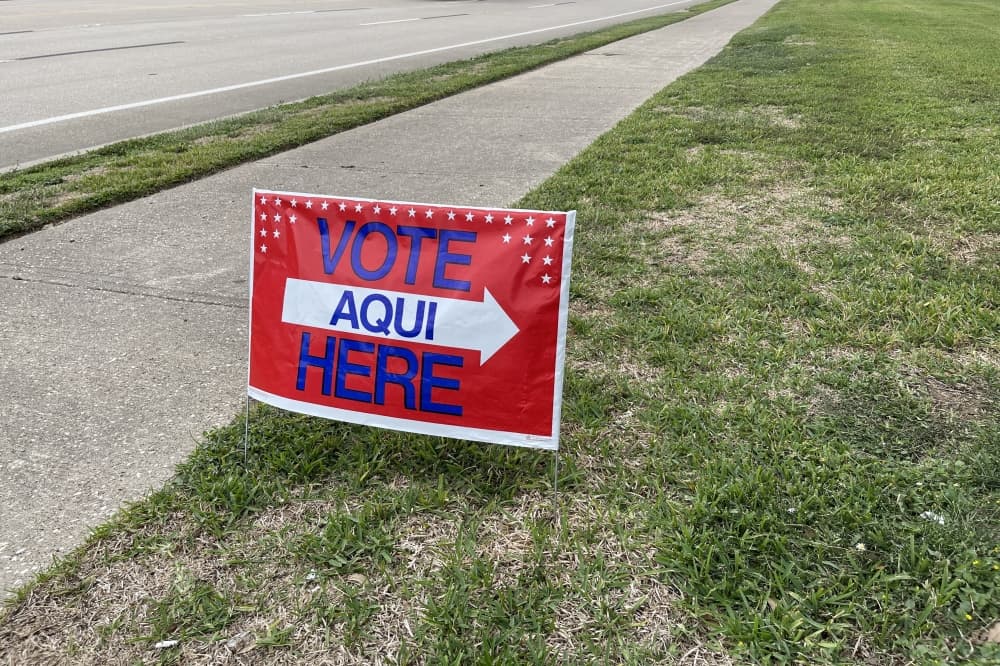
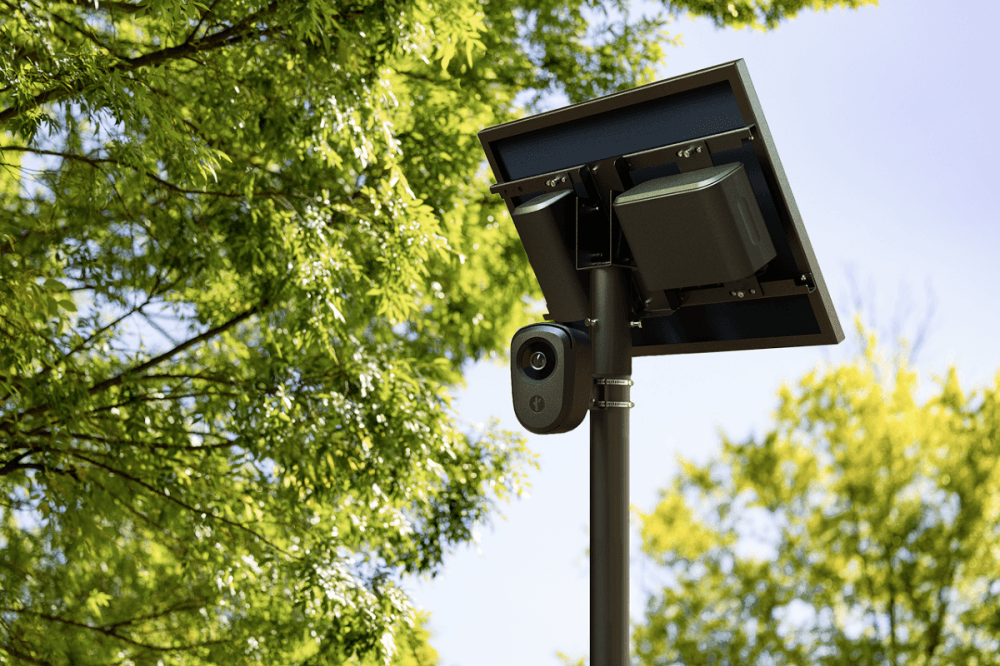
Voters in League City will have an opportunity in November to weigh in on whether the League City Police Department should continue to use Flock Safety automated license plate reader cameras.
However, the election results will be non-binding, meaning League City City Council will retain the authority to determine the city’s policy on Flock cameras, regardless of the outcome.
In a nutshell
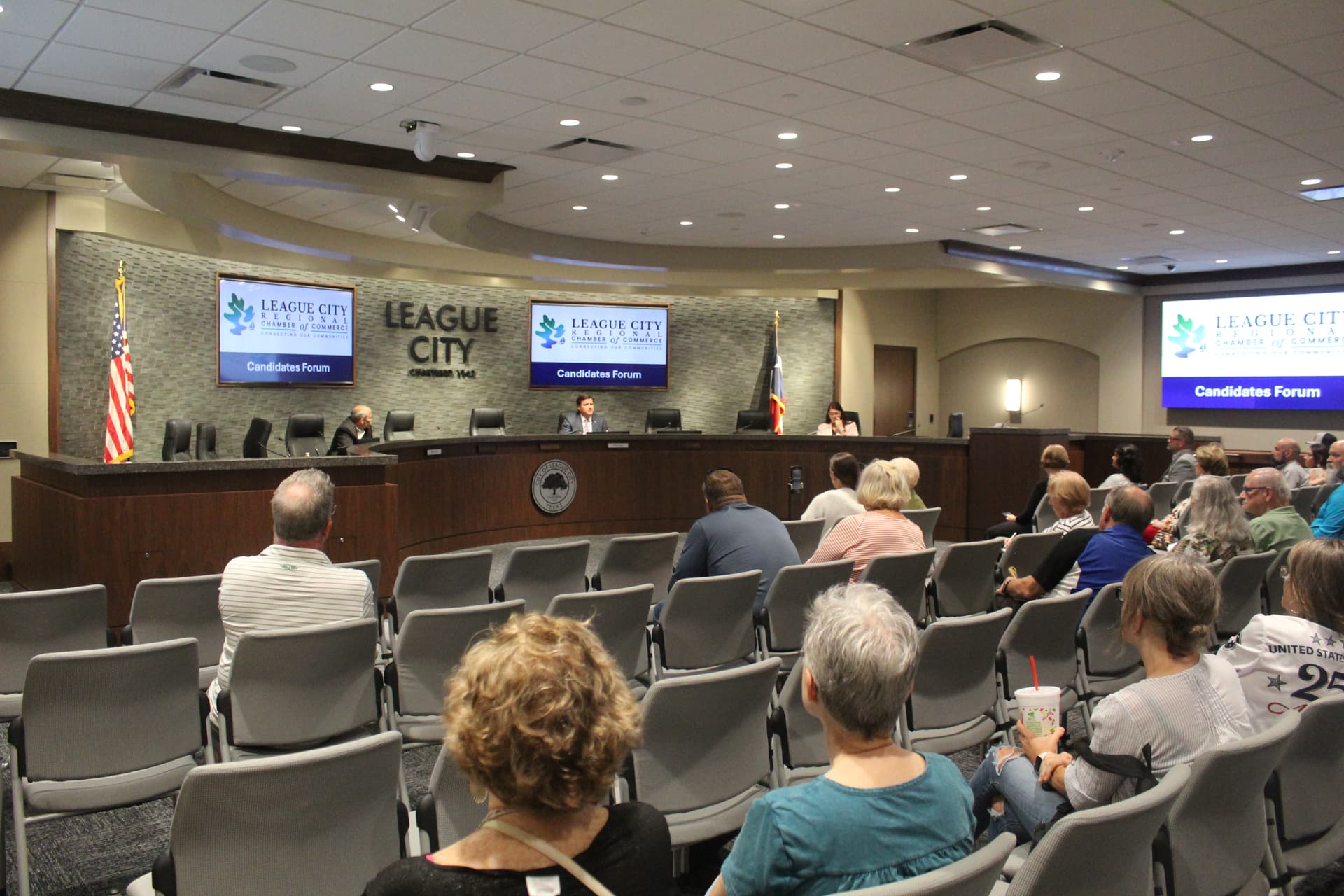
Dozens of residents spoke either in favor of or against allowing residents to vote on the city’s Flock camera policy at League City City Council’s Aug. 11 meeting, before council members voted 6-1 to call a special election on Nov. 3 to hold a referendum on the issue.
League City is the first city in Texas to put this issue to voters in a referendum, Mayor Nick Long said.
According to city documents and City Attorney Michelle Villarreal, voters in November will be asked to vote yes or no on the following proposition:
“As a non-binding statement of voter preference, should the League City Police Department continue using automated license plate reader cameras at fixed locations on public roadways for law enforcement purposes?”
How we got here
LCPD began using Flock cameras in December 2022 and has since installed 55 Flock cameras throughout the city. LCPD officials said the cameras have assisted in over 300 criminal investigations, according to previous reporting by Community Impact.
The cameras are positioned to capture the license plates of vehicles driving away from them. Scanned license plates are kept on file for 30 days before automatically being deleted, according to previous reporting.
LCPD shares data captured by its cameras with the FBI, but does not share it with the U.S. Border Patrol or U.S. Immigration and Customs Enforcement, according to a social media post from LCPD.
What residents are saying
Resident Aiden Gimbal said League City’s use of Flock cameras was not simply a public safety program, but a “city-backed expansion of surveillance into neighborhoods.” Gimbal said officials should allow voters to decide whether these cameras are used.
“Tonight’s question is simple, you’re not being asked to shut these cameras off ... you are being asked whether the public gets a voice,” Gimbal said.
Resident David Villareal said he was concerned by reports of people in other cities vandalizing Flock cameras and felt that a referendum, not illegal tampering with city property, was the proper way for citizens to make their voices heard.
“If we vote to keep them around, let’s make it more secure for us and more transparent,” Villareal said. “If we decide to get rid of them, let’s do it the proper way ... and keep our heads on right and move forward with peace and dignity. Thank God we have a good community willing to do that.”
Another point of view
Whitney Rasberry, a criminal prosecutor, said she had prosecuted a capital murder case that took place in League City where law enforcement used Flock cameras and believed that Flock cameras played a critical role in aiding law enforcement to identify suspects.
“I have personally witnessed Flock solve everything from capital murders, hit-and-run fatalities of police officers, child abductions and so much more,” Rasberry said. “I have looked these families in the face and held them while they cried because Flock helped us get there.”
What City Council is saying
Council member Chad Tressler, who voted against calling the referendum, said he opposed calling a referendum for policies of public safety, taxation or “more importantly, matters of liberty and rights.”
“I don’t believe this is a proper use of a referendum,” Tressler said. “We do live in a republic, not a direct democracy.”
Council member Courtney Chadwell, who voted to put the item on the ballot, said he generally opposed governing by referendum—a view he felt he shared with the Founding Fathers. Yet, Chadwell said he also felt ignoring general concerns from the public about privacy threatened to undermine public trust in city government.
Looking ahead
The special election will be held in conjunction with the general election on Nov. 3, according to city documents.