On April 24, nearly two years after they were due, the Texas Education Agency released public school accountability ratings for the 2022-23 school year. This is the first time since 2019 that schools have received complete ratings, due to the COVID-19 pandemic and two lawsuits.
Texans can access 2023 ratings for K-12 districts and individual campuses on www.txschools.gov. Alongside these ratings, the TEA also published “what if” scores for the 2021-22 school year, reflecting how schools would have performed under the current accountability system, which was updated in 2023 to better align with student performance.
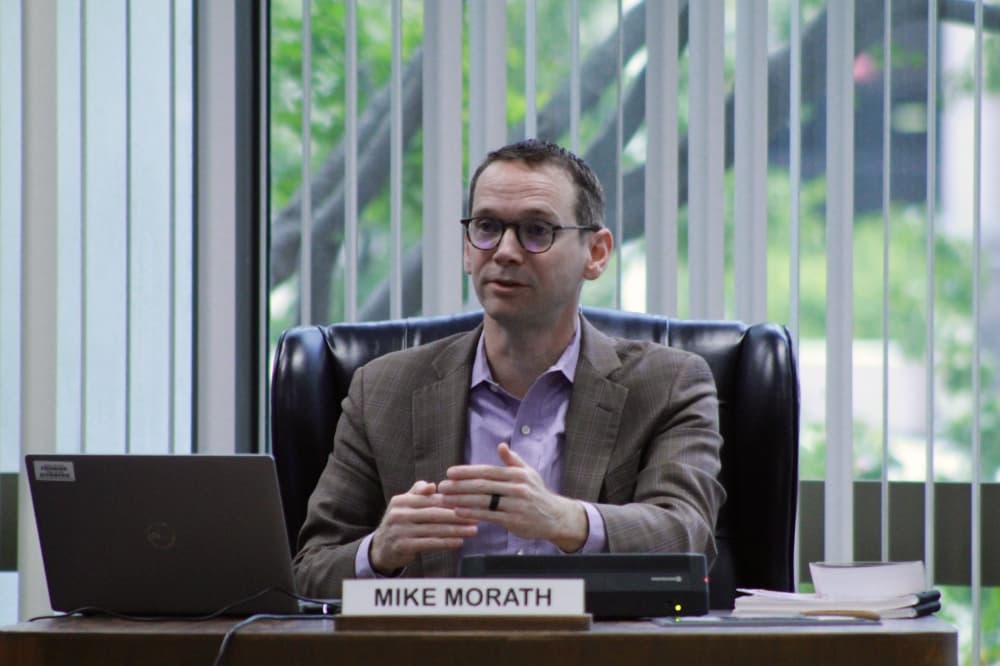
“Accountability works—the public issuance of ratings for school systems does positively affect the academic and life outcomes of children,” TEA Commissioner Mike Morath told reporters on April 22. “We do this because it helps children. ... When we don't do it, you don't get the benefits of those public ratings and it is very logical to then presume that performance declines as a result.”
At a glance
Texas schools are rated on an A-F scale based on three criteria: student achievement, school progress and closing the gaps. Elementary and middle school ratings are largely based on the State of Texas Assessments of Academic Readiness, which students begin taking in third grade, while high school ratings are based on the STAAR and how well students are prepared for success after graduation.
Campus performance declined statewide between the 2021-22 and 2022-23 school years. Of the 8,368 campuses given both 2022 “what if” scores and 2023 ratings, 44% received the same grade, 13% received a higher grade in 2023 and 43% received a lower grade in 2023, Morath said.
In 2023, 1,646 campuses earned an A; 2,873 campuses scored a B; 2,107 campuses received a C; 1,264 campuses received a D; and 649 campuses scored an F, according to the TEA’s statewide summary report.
Nearly 11% of school districts received an A rating for the 2022-23 school year. Forty percent of districts earned a B, while about 32% scored a C, 14% received a D and about 3% received an F, according to the TEA.
Districts and campuses that scored a D or F may receive extra resources and support from the state, according to the TEA website. Under state law, if at least one campus in a school district receives a failing grade for five consecutive years, the commissioner is required to close that campus or appoint a board of managers. Houston ISD has been led by a board of managers since June 2023.
For more details about how local school districts performed, visit visit www.communityimpact.com or subscribe to local newsletters.
Zooming in
State law requires that the A-F system be updated every five years, Morath said.