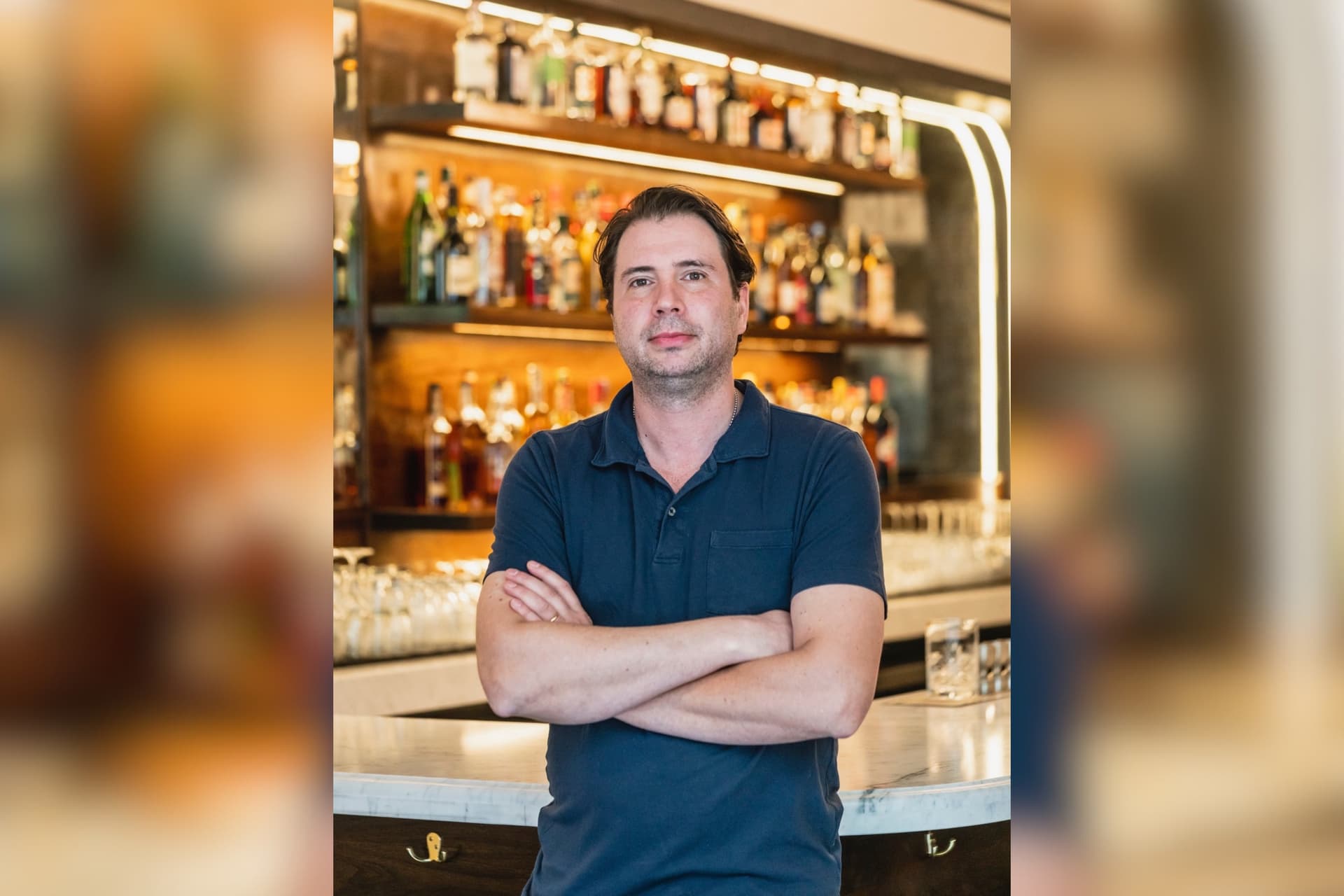
Mike Wilson hadn’t spent much time in Round Rock until he began looking for a new home.
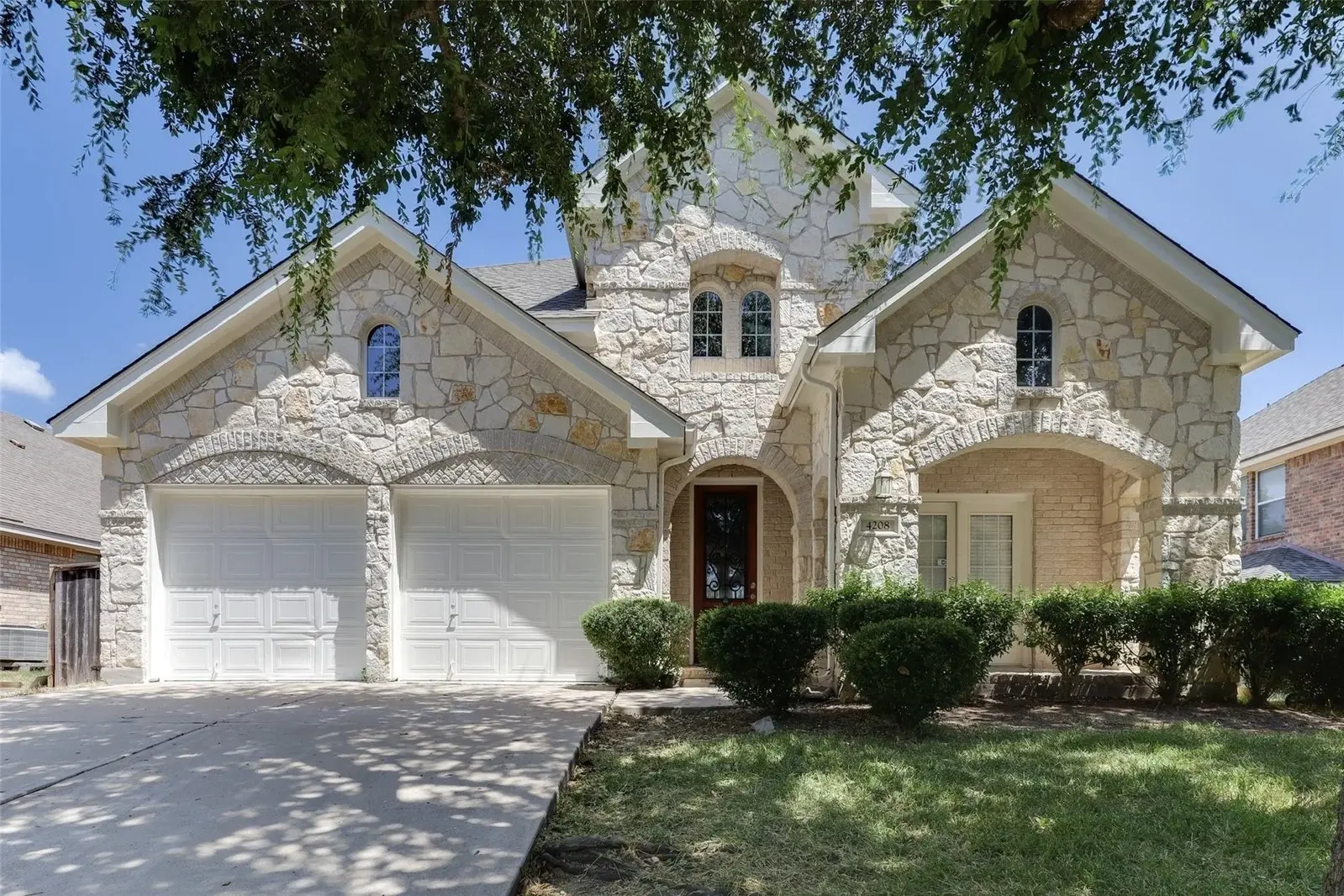
As he and his family browsed different neighborhoods, he said the affordability, lower property taxes compared to surrounding cities, and the diversity of the city made purchasing their home in Round Rock a “no-brainer.”
“Just seeing that mix of people, mix of race, mix of culture was really attractive to us and made us want to find a home there,” Wilson said.
Whether it’s from around Williamson County, the Austin area, out-of-state or from abroad, more millennials like Wilson are deciding to put down roots in Round Rock, a recent study shows.
Two-minute impact
An estimated 32% of the city’s roughly 135,600 residents in Round Rock are ages 25-44, according to the most recent U.S. Census Bureau data. However, the city of Round Rock, which bases population figures on housing units, occupancy and household size, estimates the city has reached over 142,500 residents as of April.
Financial technology company SmartAsset recently ranked Round Rock 17th out of 254 cities in the U.S. in a study based on relative popularity among millennials—a byproduct, officials say, of work the city and developers have done to make Round Rock more attractive.
Residents, business leaders and city officials point to several factors driving the recent wave of newcomers, including the city’s proximity to Austin, school system, job opportunities, park amenities and affordability.
Realtor Robert Fischer said more homebuyers in the area are looking for a place where they can find community and access activities that a city like Austin can provide. He said Round Rock is “an entry point into Austin.”
“The whole lifestyle part is, ‘We can have Austin, but we can also have all the parks and outdoor living, and just a little bit more community [in Round Rock],’” Fischer said. “I think people are kind of connecting more on that.”
Brad Dushkin, Round Rock Planning and Development Services director, said the surge of new residents hasn’t necessarily influenced long-term planning, but fits with what the city already envisioned.
The growth has created more business opportunities, which the Round Rock Chamber is working to cultivate.
“There’s a growing community of entrepreneurs that are kind of clustering around here and supporting each other,” said Jordan Robinson, Round Rock Chamber president and CEO.
New residents can bring new challenges, though, as locals have seen increased traffic in certain areas of the city.
How we got here
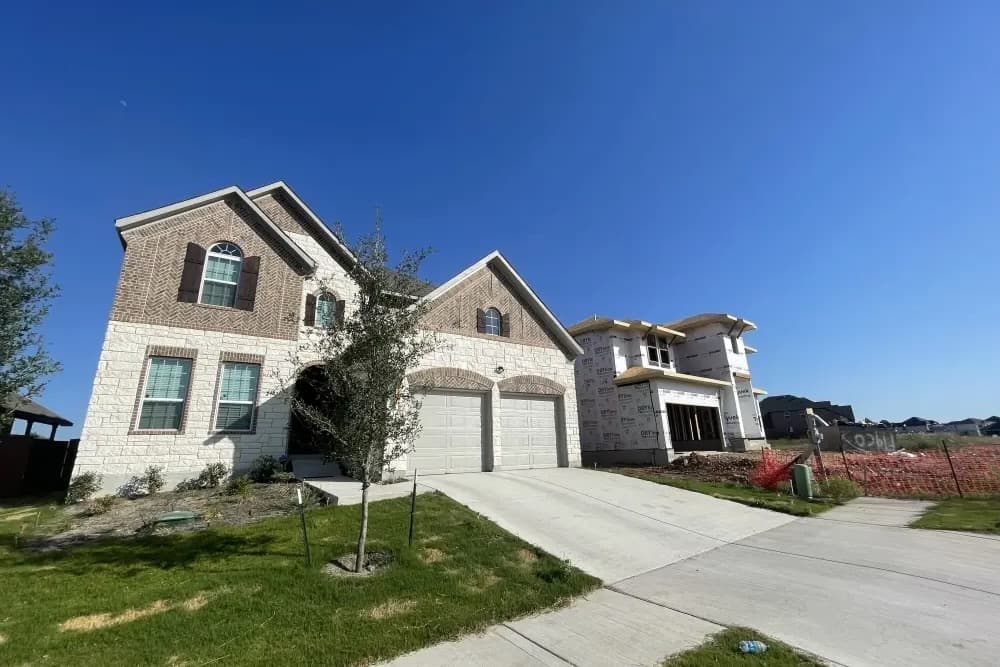
In recent years, Dushkin said the city has focused on facilitating the construction of “missing middle housing,” or housing considered a transition between apartments and single-family homes.
Dushkin said the department’s goal within the Round Rock 2030 Comprehensive Plan is to enable a mixture of housing types “so that we can accommodate anybody who wants to live here at any kind of price point.”
“So being able to work with the development community to help them build those types of housing really provides the opportunities for lots of people to move here and have a variety of choices in their housing,” Dushkin said.
Round Rock housing units in development, as of April, include:
- Single-family/single-family attached: 2,393
- Townhomes: 681
- Senior multifamily: 195
- Multifamily: 1,887
- High-density multifamily: 2,359
- Total: 7,515
Diving deeper
Colby Lawler, 32, and his family moved from Southeast Texas to Round Rock last July in search of a more active community.
“There’s more job opportunities, more life opportunities, and more opportunities to interact with nature and other people of like-minded hobbies,” Lawler said.
Along with major parks improvements underway, Dushkin said city staff have been working to create more walkable spaces that offer an “urban feel,” such as the estimated $525 million mixed-use project known as The District.
The combination of outdoor recreation and amenities, along with plans for more pedestrian-friendly areas, is a contributing factor for many millennials, said local Realtor Michele Sherwood.
“I think there’s a better housing value than being in big city Austin,” she said. “We have a really high quality of life here and I feel like more millennials are moving to a raise-kids lifestyle.”
For new residents from out of state, like Rose Smith who moved from New York to Round Rock in 2020, the housing affordability and cost of living was a driving factor in the decision to relocate.
“It just seemed like the time was right,” she said. “Texas still wasn’t at the point where all the prices started inflating. ... I said, ‘I could buy a house and I could live like a normal human being.’ The rates of everything were so much more affordable.”
Measuring the impact
Round Rock resident Jessica Langston had several reasons to move from Austin to Round Rock about 10 years ago. She feels the community is safer, thinks highly of the school system, and she works in Round Rock.
While she enjoys being able to get on major roadways, such as MoPac, US 183 and I-35, she suspects she’ll become “more and more annoyed” with the impact a growing number of residents will have on traffic.
“It’s mostly the traffic that can really ‘get you’ around here,” Langston said.
Many of Round Rock’s arterial roads are getting busier, according to city traffic counts. For instance, the average daily traffic count on University Boulevard, between I-35 and Oakmont Drive, increased by 52% from 2016-2025. A little farther south on Hwy. 79, between Joe Dimaggio Boulevard and Harrell Parkway, traffic increased by 38% during the same time period.
Going forward
Round Rock is expected to continue growing, with projections indicating the population of all ages could reach 160,000 by 2030. This is expected to contribute to greater sales tax revenue for the city, which means more funds for city services, such as police, fire and road projects as Round Rock has about $200 million in construction underway.
Two recent projects include a $29.7 million extension to Wyoming Springs Drive, from Creekbend Boulevard to FM 2406, and a $23 million widening of Gattis School Lane, from Via Sonoma Trail to Red Bud Lane.
The city is also eyeing more walkable areas. In April, City Council approved a measure that could connect future food and beverage retailers to Brushy Creek Trail, near Kenny Fort Boulevard.