


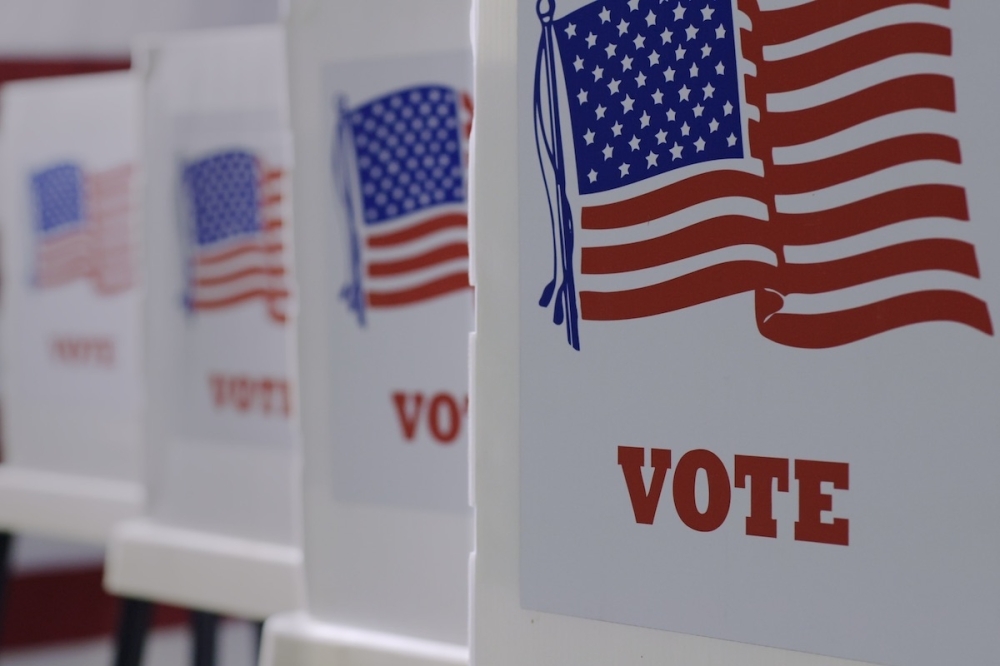
A closer look
During the primary election, voters choose their party’s nominee in Democratic or Republican races. Members of the Texas Senate are elected to four-year terms with no term limits. Senate District 5 covers parts of Williamson and Bastrop Counties.
Candidates running for the seat were asked to complete a questionnaire from Community Impact. Candidates were asked to email responses to the following questions, keep responses within 50 words and avoid attacking opponents. Answers may have been edited or cut to adhere to those guidelines, or for style and clarity.
For more information about your local ballot, visit www.communityimpact.com/voter-guide.
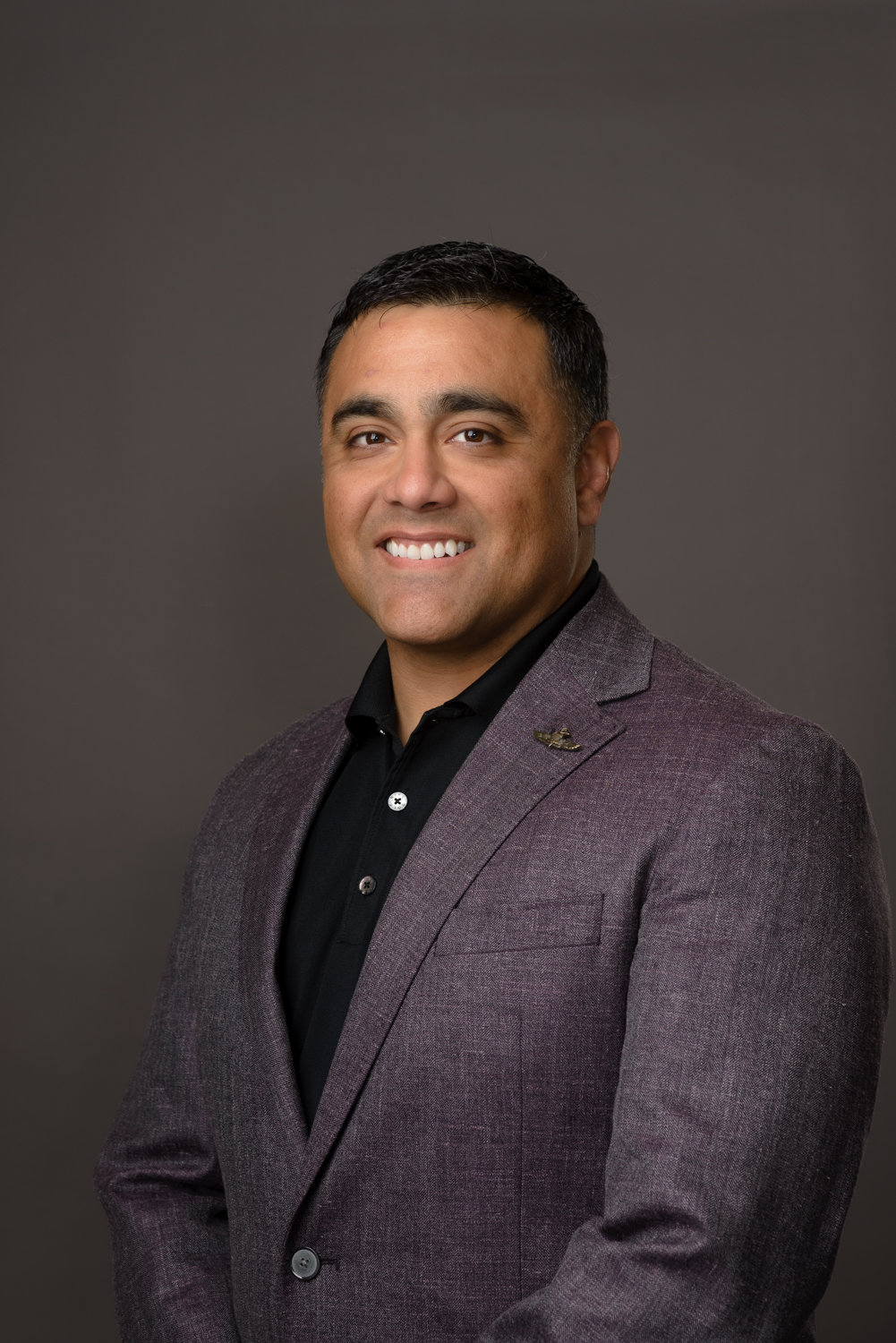
Apollo Hernandez
Occupation & Experience:
Cybersecurity Advisor (Security Advisor / Field CISO); Combat veteran; former Recon Marine; cybersecurity advisor ...
Candidate Website:
https://apollofortexas.com/
Why are you running for office?
Texas needs tested leadership focused on affordability, public safety, and strong schools. I’m running to fight for families, retirees, and working Texans who feel priced out and ignored. As a combat veteran and cybersecurity advisor, I know how to solve problems and deliver results.
What would your top priorities be if elected?
My top priorities are: stabilizing property taxes and affordability, strengthening public education and teacher pay, improving public safety and disaster preparedness, protecting individual freedoms, and strengthening infrastructure—especially water and flood resilience. Texans deserve practical solutions and accountable government that works.
What are the biggest challenges facing this district?
The biggest challenges are rising property taxes, housing affordability, school funding pressures, growth-related infrastructure strain, and natural disaster risk. Families are feeling squeezed, schools are stretched, and communities need smarter long-term planning for water, roads, and emergency response.
How do you plan to address these issues?
I’ll focus on cost-of-living reforms, property tax stabilization, responsible budgeting, and targeted investments in schools and infrastructure. I’ll support measures that increase transparency, reduce waste, and prioritize outcomes. We must plan for growth while protecting taxpayers and improving essential services.
If elected, what will your priorities be for the future of Texas education?
Texas must deliver excellence with accountability. My priorities: improve school funding transparency, support teachers with better pay and retention, strengthen career and technical education, restore classroom focus, and ensure parents have a voice. A strong Texas starts with strong schools.
If elected, what will your priorities be regarding property taxes and housing affordability?
Texans need relief and predictability. I will support reforms that slow appraisal growth, improve transparency, and reduce the pressure on homeowners. We should increase housing supply through smart local flexibility, strengthen infrastructure, and ensure state policy supports attainable homeownership for working families.
How will you ensure your district is prepared for extreme weather and flooding?
Preparation starts before storms. I’ll support flood mitigation projects, drainage upgrades, watershed planning, and resilient infrastructure. We must improve coordination with counties and emergency management, strengthen early warning systems, and invest in critical infrastructure to protect homes, schools, and roads.
How will you ensure your constituents are able to receive the appropriate aid after natural disasters?
I’ll prioritize faster, clearer disaster response. That includes cutting bureaucratic delays, improving coordination between state and local agencies, ensuring accessible disaster assistance resources, and strengthening communication to affected communities. Texans deserve quick help, fair processes, and accountability when disaster strikes.
What projects are most important for the legislature to focus on for the future of Texas?
Texas must prioritize infrastructure that supports growth: water security, flood mitigation, roads, reliable energy, and public safety. We must also protect the state’s economic competitiveness by strengthening education and workforce development, keeping taxes reasonable, and ensuring state government stays efficient.
If elected, what do you plan to do to ensure Texans have enough water as the state continues to grow?
Water is critical. I’ll support long-term water supply planning, reservoir expansion, groundwater conservation, pipeline modernization, and reuse projects. We should fund infrastructure upgrades and regional solutions, protect rural water rights, and reduce waste through efficiency incentives and leak reduction.
How do you plan to involve residents in the decision-making process?
I’ll maintain an open-door approach: attend town halls across the district, regular constituent surveys, accessible online updates, and strong responsiveness to calls and emails. I also want advisory groups for key issues like education, property taxes, and emergency preparedness so residents shape solutions.
What do you see as the greatest challenge for Texas in the next 5 years?
Texas must manage rapid growth without losing affordability or quality of life. The biggest challenge is building the infrastructure—schools, water, roads, and emergency response—while keeping taxes reasonable and government accountable. If we plan smartly now, Texas will remain strong.
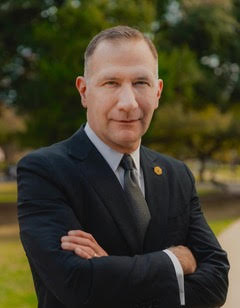
Charles Schwertner
Occupation & Experience:
Orthopedic Surgeon; State Senator, District 5; Chairman of the Senate Committee on Business & Commerce
Candidate Website:
https://www.drschwertner.com
Why are you running for office?
To continue defending the conservative values that make Texas strong: freedom, opportunity, faith, family, and limited government. I’m a proven fighter who doesn’t back down. That’s why I’m endorsed by President Trump, Governor Abbott, Lt. Governor Patrick, and folks all across Senate District 5.
What would your top priorities be if elected?
As the author of the ICE 287(g) immigration enforcement law supported by President Trump, I will continue to focus on enforcement of our immigration laws and combating mass migration. I’ll also focus on protecting Texas’ natural resources, promoting economic dominance, and preserving the rugged individualism that defines our communities.
What are the biggest challenges facing this district?
Senate District 5 is experiencing rapid growth. It is challenging to preserve conservative values, public safety, affordability, and water and energy capacity without sacrificing the freedoms and quality of life that make Texas strong.
How do you plan to address these issues?
I will continue to lead with limited government, strong fiscal discipline, targeted infrastructure investment, firm enforcement of our immigration laws, and close coordination with local leaders to ensure responsible growth and accountable government.
If elected, what will your priorities be for the future of Texas education?
My priority remains maintaining control of education by the parents. We must have an education system that focuses on teaching real-world skills, preparing students for citizenship, and avoiding unnecessary outside influences. Whether it’s public, private, or homeschooling, parents must remain in the driver’s seat of their child’s education.
If elected, what will your priorities be regarding property taxes and housing affordability?
A high priority is enhancing the permanent property tax relief already accomplished, which helps families stay in their homes and protects household budgets. Housing affordability can be further improved by excellent development of infrastructure, financing options, and workforce. I remain committed to supporting these initiatives.
How will you ensure your district is prepared for extreme weather and flooding?
As the Senate Business & Commerce Committee Chairman, I continue to lead efforts to enhance adequate and affordable electricity. I also served on the Flood & Disaster Preparedness Committee, where I’ve focused on strengthening emergency communications and improving flood infrastructure. I support local planning backed by state guidance and financial assistance.
How will you ensure your constituents are able to receive the appropriate aid after natural disasters?
As with past disasters impacting Senate District 5, my office maintains a boots-on-the-ground approach to assessing and reporting damage, connecting constituents with needed resources, and ensuring local leaders are able to connect with state agencies to facilitate the recovery process.
What projects are most important for the legislature to focus on for the future of Texas?
Protecting taxpayers and ensuring Texas remains strong, conservative, and self-reliant for decades to come must remain at the forefront. We can accomplish this by investing in public safety and critical infrastructure, as well as prioritizing property rights to protect individuals and families.
If elected, what do you plan to do to ensure Texans have enough water as the state continues to grow?
The Legislature made a bold, generational investment in water infrastructure to safeguard our state’s long-term supply without raising taxes. I’ll continue working to ensure our landowners, agricultural interests, and municipalities have the adequate infrastructure, protection, and long-term planning needed to meet growth demands and protect our way of life.
How do you plan to involve residents in the decision-making process?
My office maintains an open-door policy, encouraging constituents to meet with my outstanding staff who have subject-matter expertise across every branch of policy. My office and I engage with constituents year-round to ensure the legislative package I work to pass next session reflects the conservative values of Senate District 5.
What do you see as the greatest challenge for Texas in the next 5 years?
Texans are concerned about preserving community identity and conservative values amid rapid growth and population influx. People want to live in a Texas that honors faith, family, and community built on our divinely inspired and constitutionally enshrined liberties and rights.
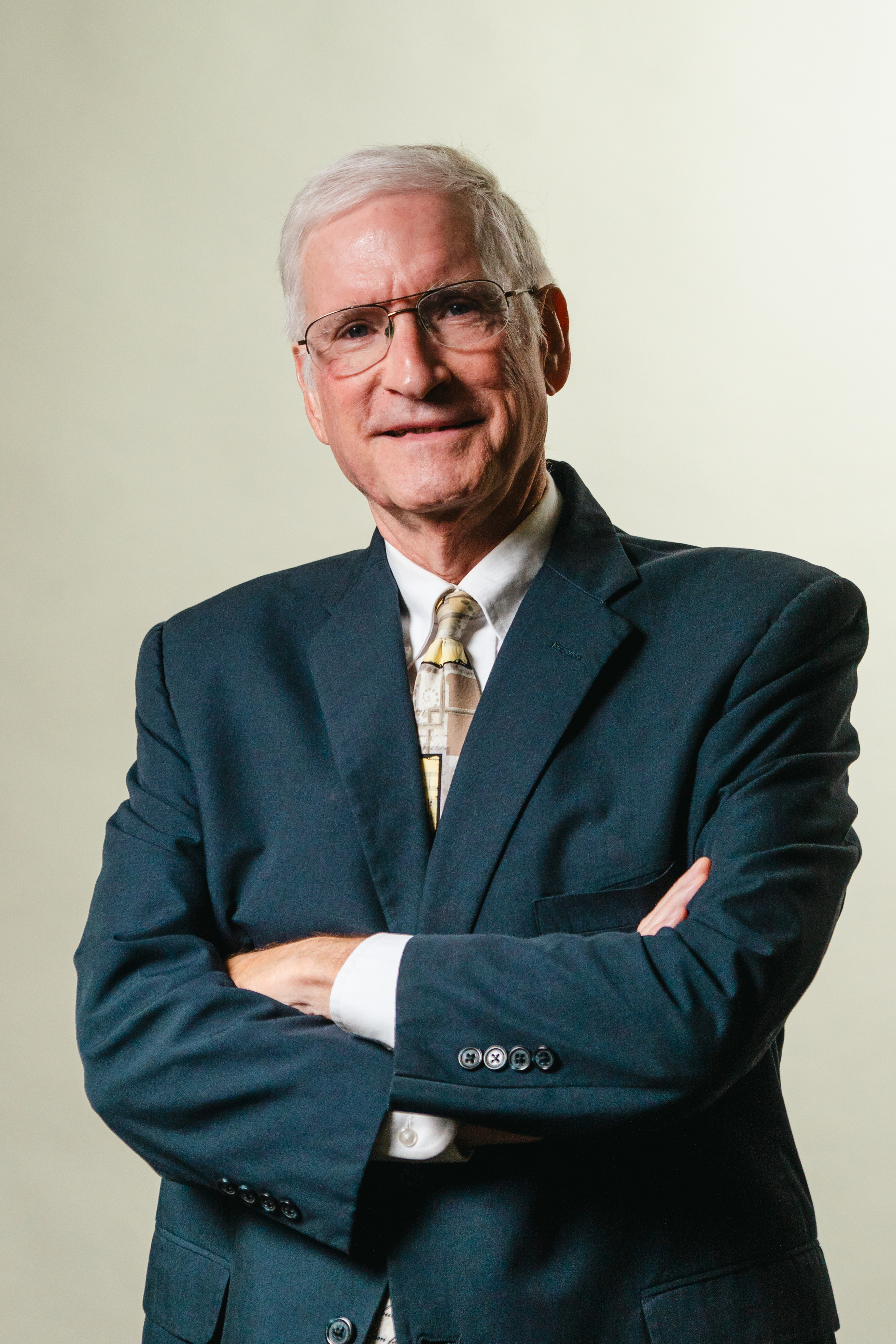
Paul Thomasson
Occupation & Experience:
United Methodist Pastor 43 Years; Political Activist, Community Enricher many years. Chaplain, Member of Various Civic Boards.
Candidate Website:
https://thomassonforsenate.com/
Why are you running for office?
Activism and participation in democracy are vital and seeing the problems facing Texas citizens in my district makes running for office a priority. I live by the principle of serving God through serving mankind, and making legislative changes to help Texans is another step I plan to continue this mission.
What would your top priorities be if elected?
I strongly advocate raising the minimum wage, currently at $7.25/hour, which hasn’t risen since 2009, not in 17 years! The standard of education needs to be focused on facts and data, not political opinion. Healthcare needs to be more accessible, and rural hospitals need to be opened, not closed.
What are the biggest challenges facing this district?
Jobs, education, and healthcare are the biggest issues in District 5. The affordability of living is a problem all over Texas, and the wage disparity is detrimental to this. We are seeing universities like Texas A&M change their educational standards to fit politics, and healthcare costs are spiraling.
How do you plan to address these issues?
I will do everything in my power to push for legislation that focuses on increasing the minimum wage, re-considering unfair tax breaks, and lowering the cost of healthcare. It is also a goal to address educational disparities, such as reversing the voucher bill and providing higher standards of education.
If elected, what will your priorities be for the future of Texas education?
At the moment, education in Texas is at a detriment. The top priorities if elected would include working on reversing the voucher bill that will take important funds away from public schools. Furthermore, trust in educators and teachers, as well as factual information, would lead legislative decisions on educational standards.
If elected, what will your priorities be regarding property taxes and housing affordability?
As the owner of five acres, I enjoy low property taxes, but recent tax breaks have taken money out of public schools, which I greatly oppose. However, property tax issues and housing affordability can be addressed as we look at unwanted data centers and others receiving unfair tax breaks.
How will you ensure your district is prepared for extreme weather and flooding?
I will advocate for legislation that allocates funding to proper preparations long before extreme weather and flooding conditions occur. This would include consideration for future major frozen weather conditions as our climate changes, as well as improved weather alerts, especially in areas where flooding is a concern.
How will you ensure your constituents are able to receive the appropriate aid after natural disasters?
Advocating and helping to pass legislation focused on aid after natural disasters would be of utmost importance. This would include streamlining aid to affected individuals, providing further aid for disaster relief organizations, and allocating funding to both short-term and long-term disaster relief needs.
What projects are most important for the legislature to focus on for the future of Texas?
I believe a massive re-ordering of the job market is coming as the AI revolution continues. A large number of Texans may well face job loss as a result of AI, and they will be in need of retraining and hope.
If elected, what do you plan to do to ensure Texans have enough water as the state continues to grow?
The water in Texas should belong to all Texans, not just the wealthy few. I oppose the right of capture, which admittedly is a state law that will be difficult to reverse. It will be a priority for Texas citizens to have the right to the water in their state.
How do you plan to involve residents in the decision-making process?
First of all, my door is always open, and I am a very accessible person. As a pastor, I’ve always been egalitarian despite having many people with individual concerns. Town halls, personal visits, and certainly what is expressed through media will all be critical in communal and personal decision-making.
What do you see as the greatest challenge for Texas in the next 5 years?
AI has grown exponentially within the past few years, and it will likely continue this trend. While AI has upsides, it can also drain our resources and harm Texas citizens. Texas needs to be prepared for the challenges this will create in areas such as jobs, housing, and education.
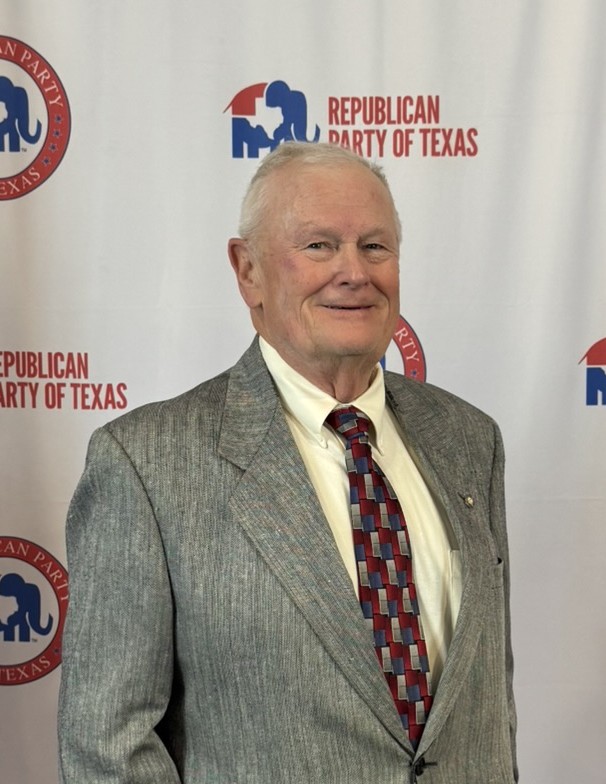
Larry Nance
Occupation & Experience:
Retired; MBA, 37 yrs of management experience, 10 yrs public service chairing committees and boards, Veteran
Candidate Website:
https://www.larrynance.com/
Why are you running for office?
I want to give the district a Senator who meets and listens to families, and writes legislation that helps them, not just special interests. I want to cut property taxes, protect property rights, reduce the tax burden, and restore integrity and accountability in government to the constituents.
What would your top priorities be if elected?
My top priorities are reducing the property tax burden, especially for seniors; reforming the property appraisal process to strengthen property owners’ rights; help builders cut barriers to make it easier to provide affordable housing; and reforming credit reporting practices that unfairly punish Texans working to secure financing.
What are the biggest challenges facing this district?
Rapid growth without proper planning is a serious concern and has to be addressed. While AI will bring many benefits, we must prevent insurers from using it to deny medical care or claims and ensure its use does not harm our children or generate illegal activity.
How do you plan to address these issues?
I will work closely with local governments, residents, and industry experts to ensure growth is responsibly planned and infrastructure keeps pace. I will advocate for smart land use policies, strengthen local input, and support responsible oversight of emerging technologies like AI to protect consumers, children, and patients without stifling innovation.
If elected, what will your priorities be for the future of Texas education?
My priorities are keeping education decisions local, supporting teachers and classrooms, protecting parental rights, and ensuring funding follows students. I support strong core academics, career and technical education, and pathways that prepare students for college, skilled trades, or military service.
If elected, what will your priorities be regarding property taxes and housing affordability?
I will work to reduce and control property taxes, especially for seniors, by reforming appraisal practices and limiting unchecked increases. At the same time, I will push to remove unnecessary regulatory barriers so builders can increase the housing supply and make homes more affordable for families.
How will you ensure your district is prepared for extreme weather and flooding?
I will push for fully funded, regularly reviewed emergency preparedness and flood mitigation plans across the district. State dollars intended for readiness must be deployed proactively, ensuring infrastructure and response systems function before extreme weather occurs.
How will you ensure your constituents are able to receive the appropriate aid after natural disasters?
I will push for faster, more transparent disaster response and recovery by reducing bureaucracy and improving coordination between state and local agencies. Disaster aid should reach families, small businesses, and communities quickly, without unnecessary delays or red tape, and not held back in the States bank account.
What projects are most important for the legislature to focus on for the future of Texas?
The legislature must prioritize Tax relief, flood mitigation, transportation, electric grid reliability, emergency preparedness, and fresh water infrastructure. These projects are essential to public safety, economic stability, and maintaining a high quality of life as Texas continues to grow.
If elected, what do you plan to do to ensure Texans have enough water as the state continues to grow?
I will make sure Proposition 4 is funded and I will support long term water planning, reservoir expansion, aquifer protection, and conservation strategies. Texas must invest now in sustainable water infrastructure to meet future demand while protecting landowners’ rights and existing water supplies.
How do you plan to involve residents in the decision-making process?
I plan to involve residents by establishing community advisory groups that meet quarterly, or more often when needed. Each county will have the opportunity to form focus groups to bring ideas forward. Together, we will develop practical solutions that reflect the community’s needs.
What do you see as the greatest challenge for Texas in the next 5 years?
The greatest challenge facing Texas is managing rapid growth while maintaining affordability, tax relief for constituents, protecting property rights, and preserving quality of life. State leadership must plan responsibly, invest wisely, and ensure that growth benefits families, seniors, and future generations and not just special interests.