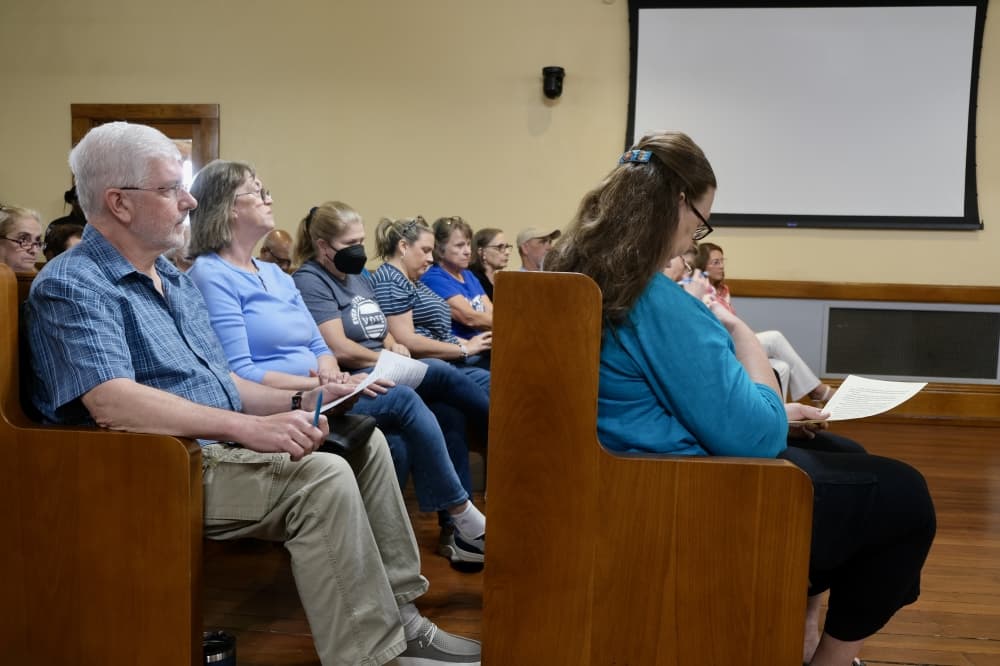
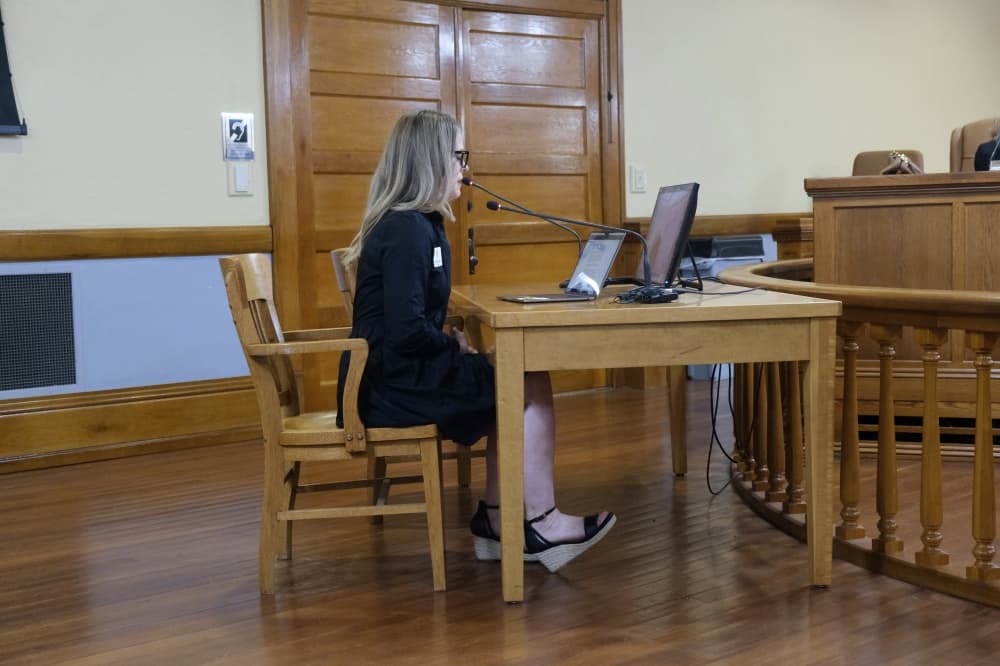
Twenty-eight community members gave public comments at the March 24 special meeting. (Gracie Warhurst/Community Impact)
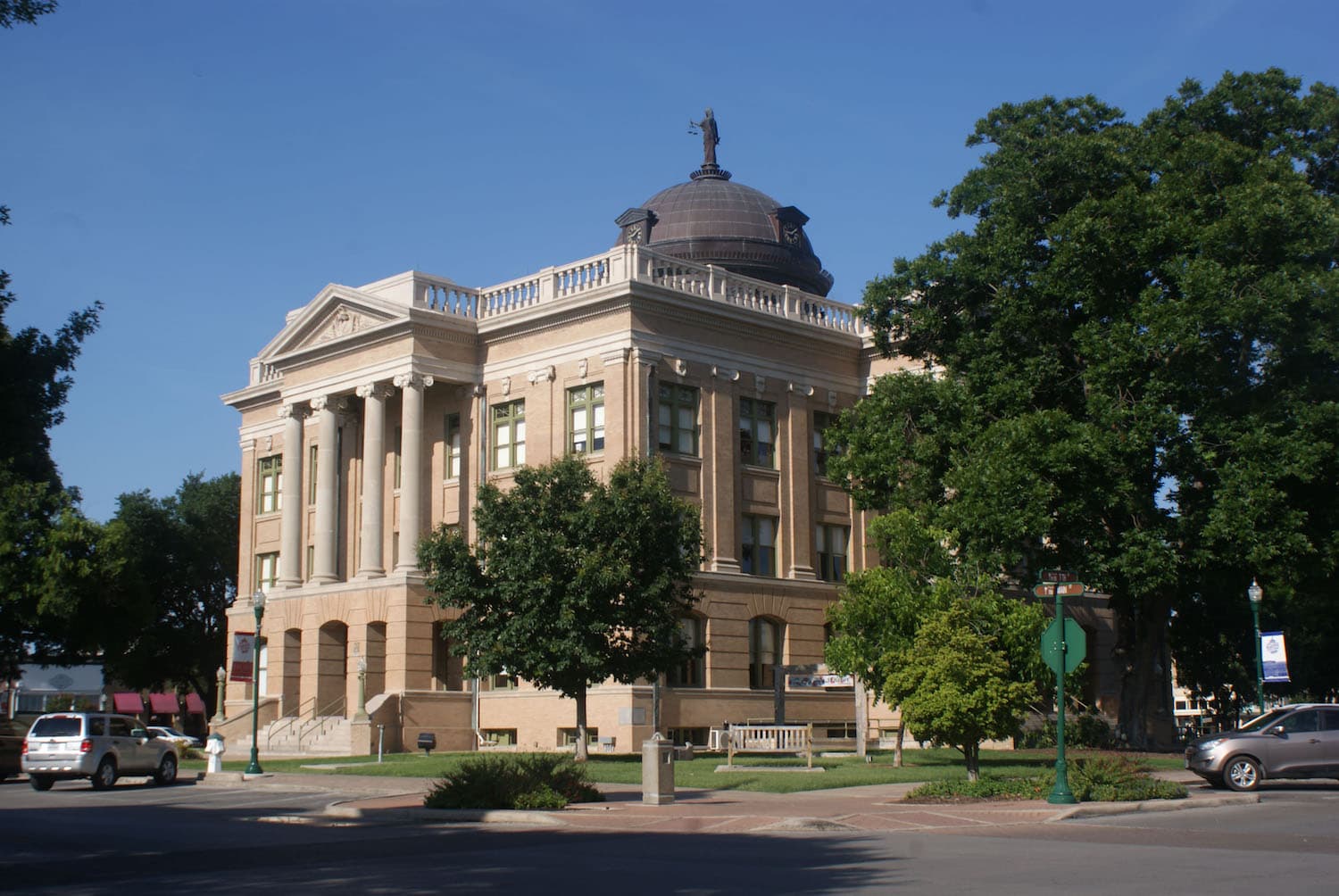
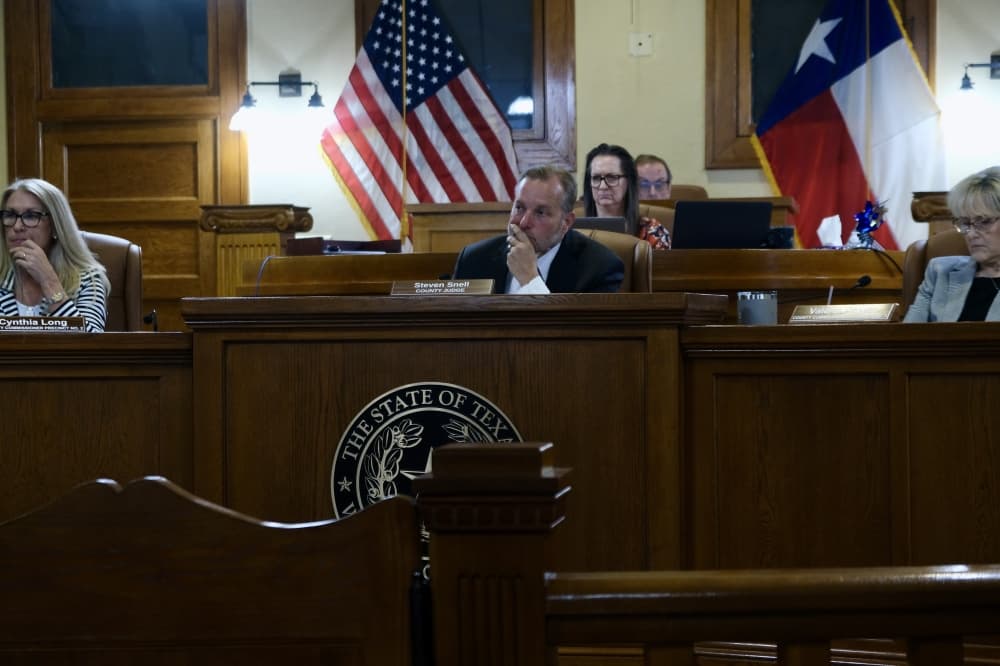
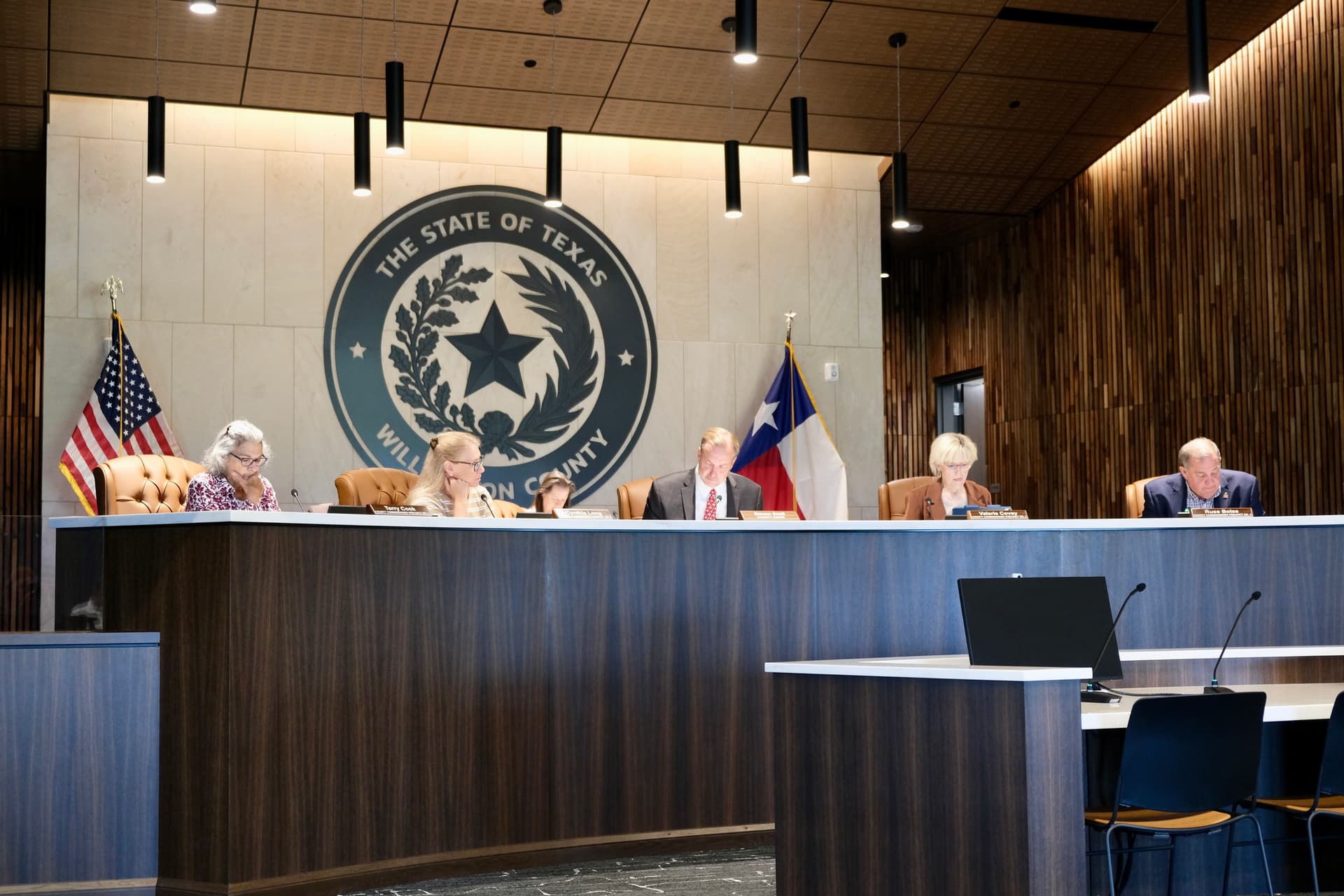
County officials, party leaders and voters unpacked what went wrong on the March primary election day, and detailed the changes residents can expect when they return to the polls, during a March 24 special meeting called by Williamson County commissioners.
What happened
Because of the shift to precinct-level voting for the March 3 primary election day, the county had to secure and equip a larger number of polling locations on a shorter timeline. Additionally, both parties struggled to fully staff these locations, Williamson County Elections Administrator Bridgette Escobedo said.
“Despite extensive outreach, the political parties weren't able to fully staff every location at the optimal levels, which contributed to longer wait times at certain sites,” Escobedo said. “The parties also did not have the depth of trained, qualified workers to choose from.”
Many voters arrived at the wrong location, drove to multiple sites and faced wait times of up to two to three hours, according to multiple accounts from election day voters at the meeting.
“The elections in Williamson County should not be an obstacle course,” said Paul Stempko, Democratic Party first vice chair. “They should be accessible, open and fair. ... We cannot undo what happened on March 3, but we can, and must, make sure it never happens again.”
What else?
The parties faced individual challenges on election day that also added to the need for procedural changes.
The Republican Party, which chose to use pre-printed and hand-marked paper ballots rather than electronic machines, experienced a ballot supply shortage from their vendor days before the election, Republican Party Chair Michelle Evans said.
“We figured out ... that we'd been shorted 13,000 ballots by the company,” Evans said. “Our order was correct; their fulfillment was incorrect.”
Republic Party Chair Michelle Evans spoke on behalf of the local party. (Gracie Warhurst/Community Impact)
On the morning of the election, some Republican polling locations failed to connect their electronic poll books to required Wi-Fi hotspots. This initially caused some Republican check-in systems to default to Democratic software, causing delays until the systems were properly connected and updated, officials said.
Furthermore, 50 voters mistakenly cast "federal-only" ballots due to a mix of human error and missing ballot activation codes on the electronic machines, officials said.
“We cannot ever have this happen again,” Precinct 3 Commissioner Valerie Covey said. “We can do better for the voters and the citizens of Williamson County.”
The outcome
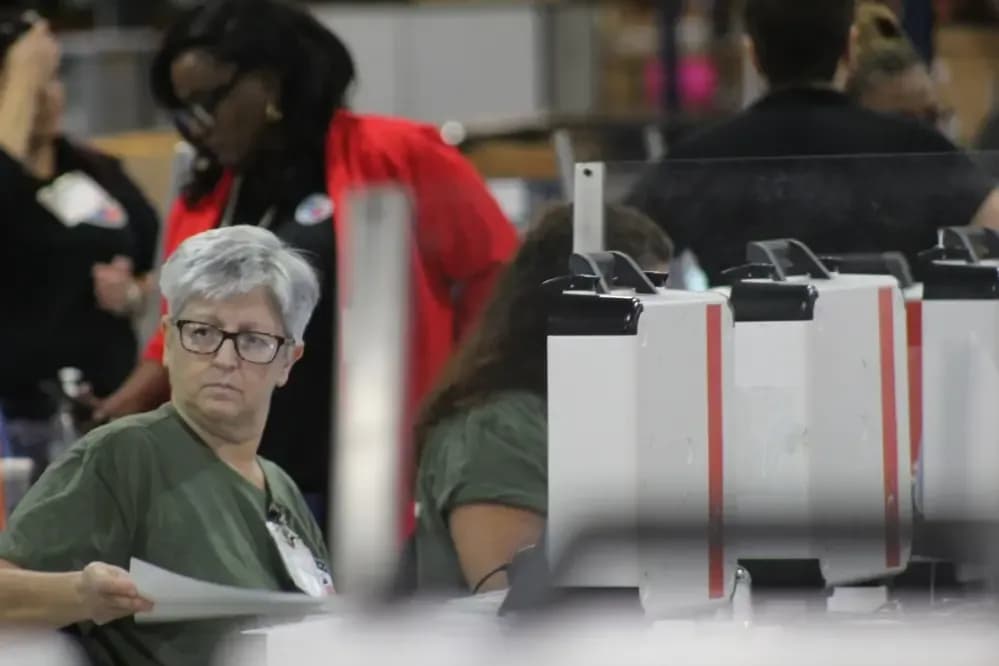
The central count process on election night experienced significant deviations from the outlined procedures, Escobedo said. This resulted in delays, missing documentation and longer hours for election workers.
One major issue was the 177 ballot bins from the Republican Party that were not properly documented, Escobedo said.
“Many of their boxes did not have adequate chain of custody and reconciliation paperwork,” Escobedo said. “We normally use that reconciliation paperwork to determine the expected number of ballots to run through the central scanner.”
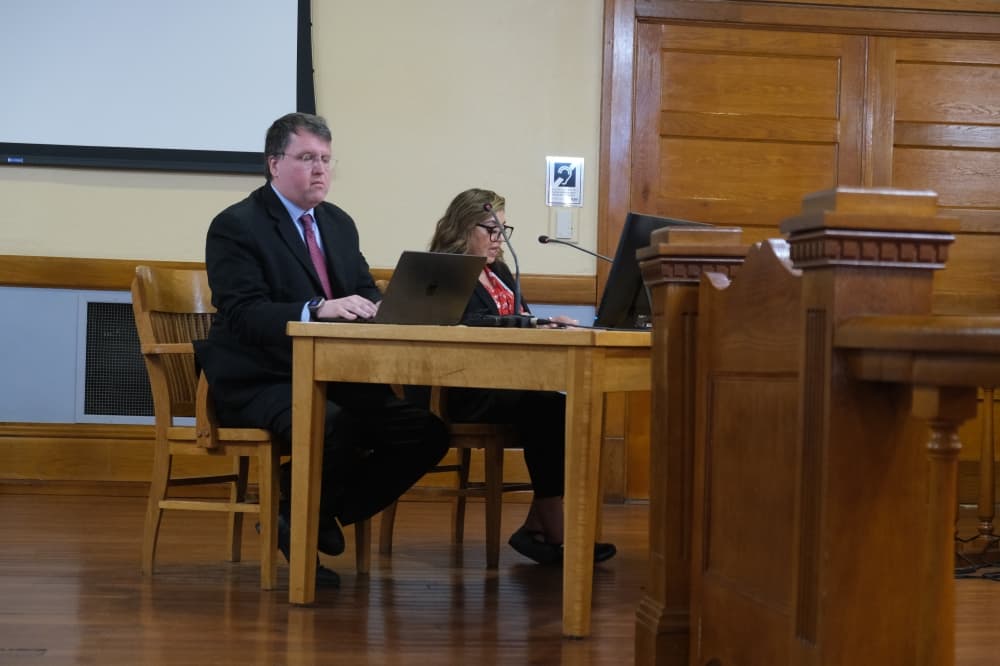
Elections Administrator Bridgette Escobedo gave a statement at the special meeting. (Gracie Warhurst/Community Impact)
Not having this paperwork caused the elections staff and central count judge to proceed with tabulating ballots throughout the night. Many ballots had to be fixed by the staff because of irregular markings that would have otherwise been caught by the polling place scanners, Escobedo said.
“My staff and I spent over 30 hours without sleep on election day and the day after to finish the counting process,” Escobedo said.
Additionally, two election judges misplaced 69 Republican ballots into boxes intended for provisional and spoiled ballots, and were not discovered and counted until a week later, according to previous Community Impact reporting.
“I am glad I did not have to vote to canvas this election because I would not have voted to canvas this election,” Precinct 4 Commissioner Russ Boles said. “If we're doing this for election integrity, this is just—it’s bewildering on every level.”
Conspiracies about intentional election fraud were perpetuated online, including a video Boles said was altered that falsely accused Escobedo of tampering with clocks and ballots.
The resulting backlash led to death threats, harassing phone calls and individuals attempting to forcefully enter the elections office, requiring Escobedo to be sequestered under police escort, she said.
“I am appalled,” Boles said. “I don’t know how many generations of Texan I am, but I have lived in Williamson County for 50 years, and this is disgusting. I just cannot believe that it is here.”
The discussion
Both local party chairs agreed the poor outcome of election day stemmed from fundamental changes in how voting was conducted.
The Republican Party’s switch to precinct-based voting changed how the election was conducted for the first time since 2013. Williamson County became one of two counties in Texas to conduct election day voting this way for the March primaries.
“All I care about is people wanting to ensure other people can vote free and fairly,” Democratic Party Chair Kim Collins Gilby said. “I just can't say enough good things about the elections department. We're all human, we're all gonna make a mistake every now and then, but I can tell you there's nothing nefarious going on over there.”
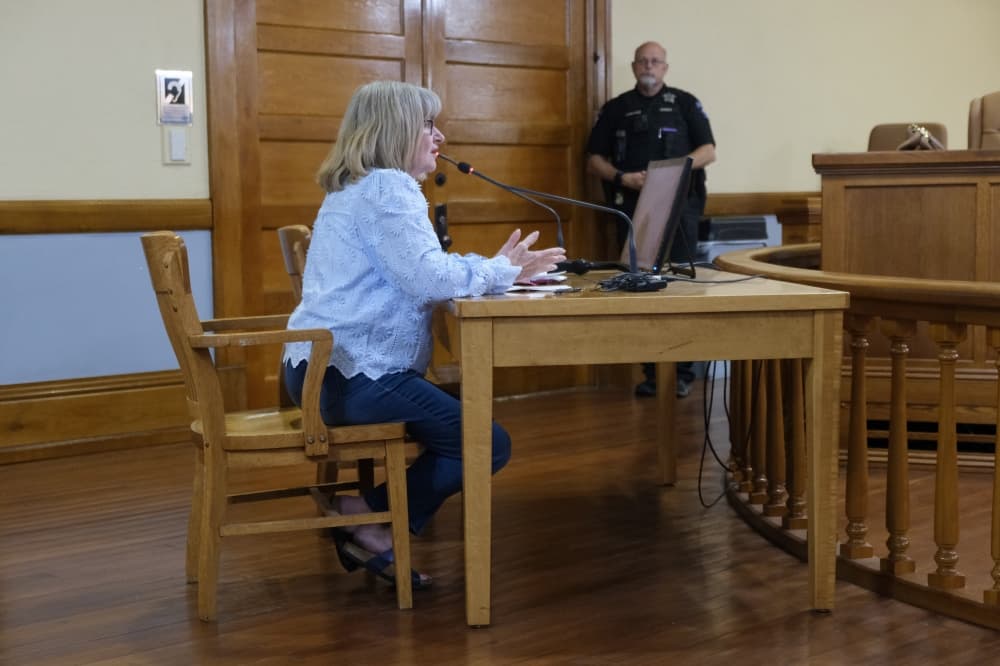
Democratic Party Chair Kim Collins Gilby spoke on behalf of the local party. (Gracie Warhurst/Community Impact)
Voters will be able to vote at any Williamson County polling location, and both parties have agreed to share locations to reduce confusion and share resources. However, the parties will not run a joint election, meaning voters will use two separate lines and check-ins.
The Democratic Party will continue to offer electronic ballot marking devices, or BMDs. The Republican party plans to primarily utilize ballot-on-demand printers for hand-marked paper ballots, which will then be fed into scanners.
To ensure compliance with the Americans with Disabilities Act, the Elections Department will provide equal numbers of BMDs to both parties.
“This was by far the most difficult election that I've ever administered,” Escobedo said. “ I'm very happy that we're reversing course and doing what’s right by the voters, so I'm very thankful to both county chairs for making this decision to go forward.”
Judge Steve Snell and commissioners called a special meeting March 24 to discuss the events of the primary election. (Gracie Warhurst/Community Impact)