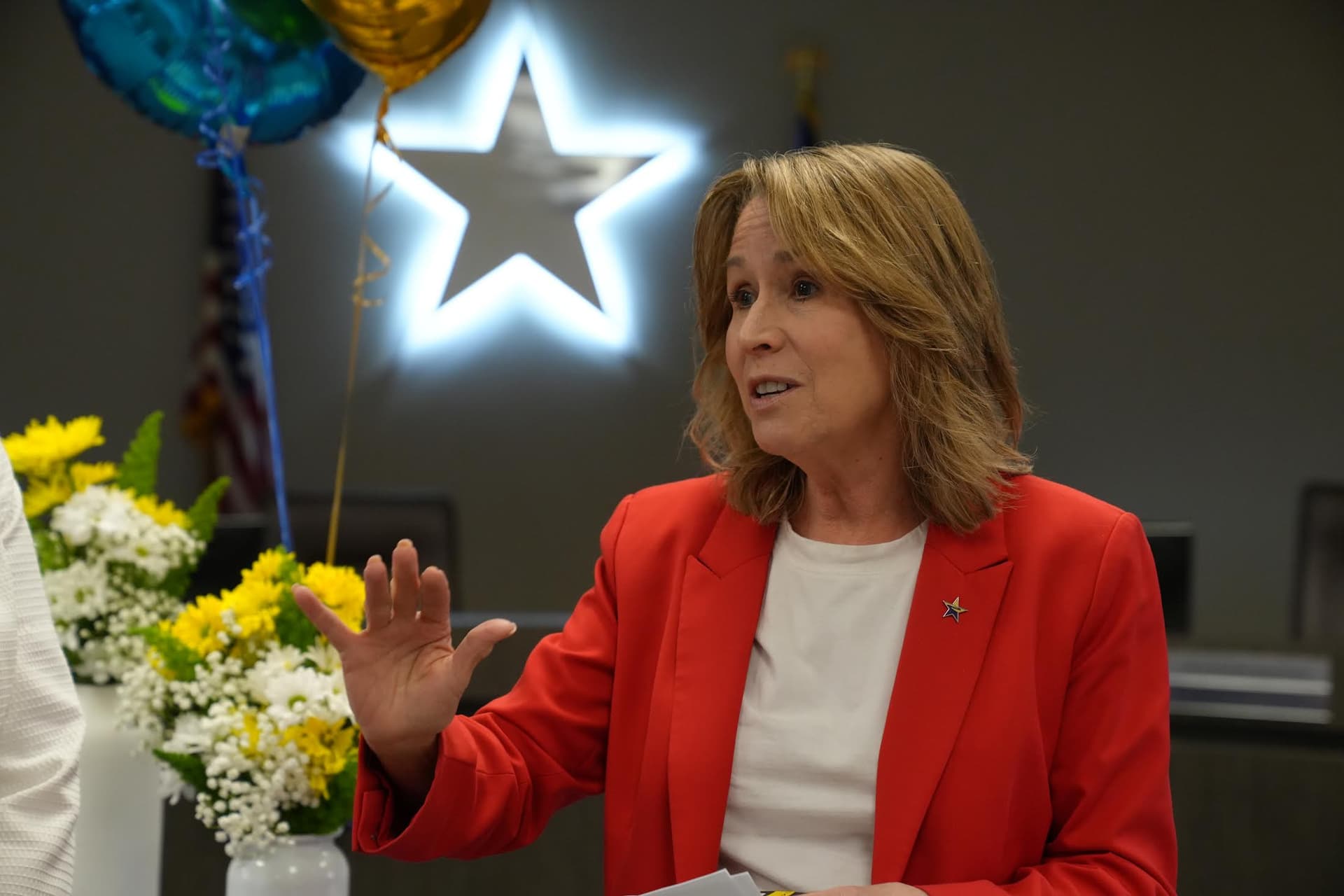
Kendra Wiggins is the executive director of the Conroe ISD special education department, which has grown by 15% in the past five years, with 11,911 special education students currently enrolled and 1,084 students being evaluated, as previously reported by Community Impact.
A 27-year veteran in education, Wiggins’ current role includes overseeing the expansion of the department. This includes hiring over 15 new teachers for the special education department as well as an additional $3.2 million in department funding. The following interview has been edited for length and clarity.
What made you want to pursue working in special education?
I am starting year 27 in special education. I have been in special education my entire career. I have always enjoyed working with our special needs students. In high school, I went to my elementary campus to support students.
What are some of your responsibilities, day to day, as special education director?
A significant portion of my time is dedicated to meetings that directly support students, campuses, and district initiatives ... Through these collaborative efforts, we ensure that campuses receive the support necessary to make informed decisions and provide high-quality services for students receiving special education.
How has the district adjusted to its rising number of special education students as of late?
The significant increase in our special education population, coupled with limited funding, has created ongoing challenges in meeting the growing demand for services. Despite these challenges, we continuously review enrollment trends, analyze staffing and program needs and evaluate service delivery to ensure students receive the supports outlined in their individualized education programs.
How do you track growth in special education, and how do you expect the enrollment numbers to change in the coming years?
We monitor special education enrollment on a weekly basis to proactively identify trends and ensure campuses are appropriately staffed to meet student needs. In addition, I meet weekly with district-level staff to review enrollment, staffing and service delivery to ensure students continue to receive the supports and services outlined in their individualized programs.
Current enrollment trends indicate that our special education population will continue to grow. By closely monitoring these trends, we are able to anticipate staffing needs, make informed decisions and proactively plan to ensure high-quality services are maintained as student enrollment increases.
Can you talk about some of the protocols or initiatives that the district has in place to support the special education population and make students feel comfortable on campuses?
The special education department provides campuses with support through multiple methods of training, coaching and guidance to ensure they are equipped to meet the needs of all students. First, we collaborate directly with campus administrators to develop Individualized Campus Support Plans that address each campus's unique needs, identify areas for growth and provide targeted strategies and ongoing support.
Second, we maintain a comprehensive Conroe ISD resource site that houses guidance documents, procedures, templates and instructional resources for both campus staff and families. This centralized bank ensures staff have access to current information and consistent guidance.
Finally, we provide ongoing professional learning opportunities throughout the school year. Training is designed to address district initiatives, compliance requirements, instructional best practices and emerging campus needs, allowing staff to build knowledge, strengthen skills and improve outcomes for students receiving special education services.
You're overseeing the district's latest “homecoming plan.” How have the decentralization efforts gone so far?
We have developed a strong plan to support students. Our principals are excited about expanding their capacity to serve and support students on all campuses. To ensure successful implementation, we will provide ongoing professional learning and collaborative support throughout the year.
District staff will continue to meet regularly with campus teams to monitor progress, address challenges, and ensure campuses have the knowledge, resources and confidence needed to effectively meet the needs of students receiving special education services.
What could parents and students do to help support special education students during this adjustment period?
I always encourage parents to be involved and have a partnership with schools. We all want our students to succeed, and working together creates the best outcomes.
Have you heard feedback from students and parents on how the homeschooling plan may affect and support them?
Yes, the feedback has been positive. Parents and families have expressed strong support for the opportunity for their children to attend their zoned campus and receive services within their home school community. We have provided opportunities for families to visit their future campuses, meet staff and become familiar with their campuses.
Outside of the homecoming plan, are there any other initiatives you or the district hope to implement to support the growing special education student population?
The Homecoming Plan is our largest initiative for the upcoming school year and will remain our primary focus. Successfully implementing this initiative requires comprehensive planning, ongoing collaboration and extensive training and support for campus staff.
Another significant change for special education is the implementation of the new tiered funding model. This statewide funding structure represents a major shift in how special education services are funded and has required extensive planning, training and preparation throughout the summer.
What are some of the long-term goals or initiatives CISD may have for the special education department?
Two of our highest priorities are strengthening partnerships between families and schools, and improving outcomes for students receiving special education services. We recognize that meaningful collaboration with parents is essential to student success, and we are committed to fostering strong, trusting relationships through consistent communication, collaboration and support.