

Stephen Head became the chancellor of Lone Star College System in 2014 after working at LSCS for 30 years in various capacities, including as president of Lone Star College-North Harris. LSCS has numerous educational centers and six campuses, with a seventh campus slated to open in 2019 serving the North Houston area. The college system focuses heavily on academic transfer students and its workforce programs. LSCS sustained $34 million worth of flood damage during Hurricane Harvey in August, and its Kingwood campus will not fully reopen until 2019, Head said. The college system is in the midst of opening new buildings throughout its service area as a part of a $485 million bond package approved by voters in 2014.
What role do you see LSCS playing in the North Houston community?
Our general view is that education is really the key to success for our future region. The second part of that is the workforce development that goes along with that. We have really focused on workforce programs in addition to the academic transfer, and we are in the middle of $485 million [in] bond construction projects, and $300 million of that has gone to workforce centers of excellence. So we are doing our part, we think, to try and meet the needs of the community that helps everybody in the long term.
What sort of trends have you experienced regarding what programs students are enrolling in?
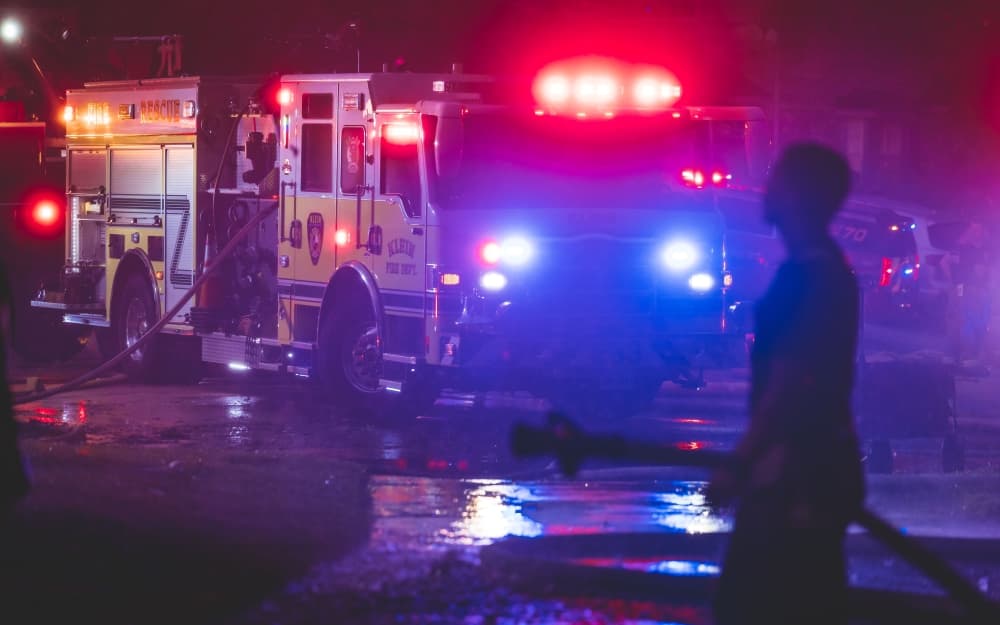
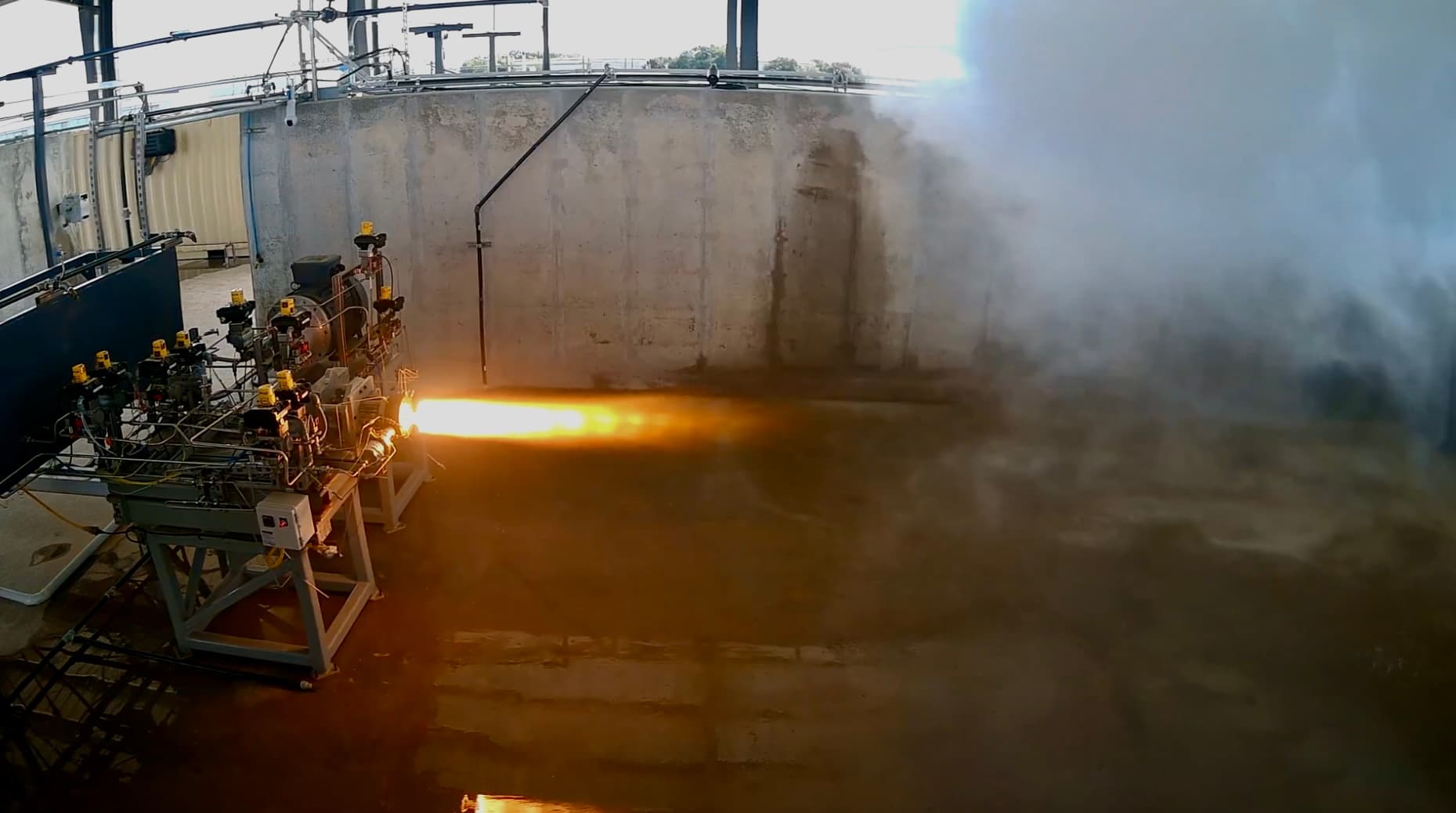
First of all, medical is always a big growth area, and it pretty well reflects what we are seeing in the Houston metropolitan area. We actually have seen a lot in public safety, like firefighters, [emergency medical technicians] and police. Construction trades [are] hot right now. And we just opened a new facility also for processed technology, which is for all of the chemical plants that are opening. We still have large enrollments in teacher education and business classes.
Has enrollment growth matched projections made before LSCS’ $485 million bond in 2014?
We were actually ahead of what we projected until the hurricane. And we actually grew in the fall after the hurricane, but this spring we flattened out, so we are still ahead of what we projected. We were pretty conservative in what we projected. Our baseline number is 3 percent growth every year. We rely heavily on data and metrics, so we know for the entire population about 4 percent goes to school here. And we have been following this trend for 15-18 years.