

For many couples, there’s an unspoken assumption: when one spouse dies, everything passes to the other. It feels intuitive, especially in a community property state like Texas, where most assets acquired during a marriage are considered jointly owned.
But for blended families, that expectation can quickly unravel—sometimes with life-altering consequences.
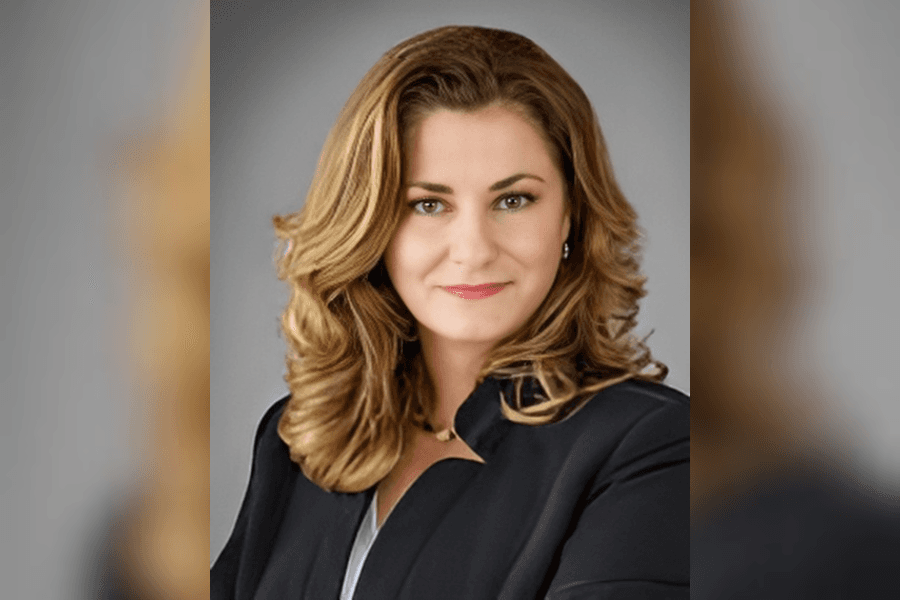
“People assume things will just work out,” said Farren Sheehan, Sheehan Law founder and attorney. “The biggest shock for families is realizing the law decides what happens to your assets without an Estate Plan in place.”
It can leave a surviving spouse unexpectedly sharing assets with stepchildren or navigating complex ownership issues at an already difficult time.
When the law writes your will
In Texas, dying without a will means the state decides who inherits your assets. The outcome depends on family structure—especially whether children are shared between spouses.
If all children belong to the current marriage, the law favors the surviving spouse. In blended families, where one spouse has kids from a previous relationship, the rules shift dramatically.
“Most separate property and the deceased spouse’s community share would go to their children at their death if there’s a child from a previous relationship,” Sheehan said.
That means a surviving spouse could co-own assets with stepchildren.
A house divided
These situations aren’t just theoretical. Attorneys say they’ve seen surviving spouses blindsided by ownership disputes, financial strain and forced home sales.
Texas law provides some protections—like homestead rights allowing a surviving spouse to remain in the home—but with responsibilities. The surviving spouse may still be solely responsible for mortgage payments, taxes and maintenance, even without full ownership.
Tensions can escalate, especially if relationships between stepchildren and stepparents are strained.
“Money makes people do weird things,” Sheehan said. “While they might like their stepmom, when it comes to ‘Who’s going to get this?’ everyone’s out for themselves.”
Real-life consequences
Lack of planning can leave families vulnerable during grief.
Attorneys recall cases where surviving spouses discovered too late that they didn’t fully own their homes or assets. In one instance, a woman who had cared for her husband throughout their marriage learned that part of their home now belonged to children she had never met.
In another case, a spouse had to sell her home after part of it passed to her late husband’s parents under intestate laws.
“It’s the worst part of my job,” the attorney said, describing the moment families realize the legal reality. “People cry. It’s heartbreaking.”
Planning for what-ifs
For blended families, estate planning is less about expecting conflict and more about preparing for it—something attorneys at Sheehan Law say they walk clients through daily.
“There’s not a one-size-fits-all solution,” Sheehan said. “All blended families are different, but plan for potential disagreements.”
Through wills, trusts and tailored estate strategies, Sheehan can ensure a surviving spouse is provided for while preserving assets for children from previous relationships. Without those safeguards, well-intentioned families can face unexpected outcomes.
A step worth taking
According to Sheehan Law, the first step is understanding what applies to your situation.
“Meet with someone about the specifics of your situation,” Sheehan said. “There are many options, and you won’t get a tailored solution without talking to someone who understands the law. What worked for someone on TikTok or NextDoor won’t necessarily work for your family.”
Sheehan Law offers consultations for individuals and couples, along with educational seminars designed to make estate planning more approachable. Events like wine and wills sessions combine casual conversation with practical guidance, giving families a starting point for often difficult discussions.
To dive deeper and learn more about Sheehan Law, click here.
The above story was produced by Multi-Platform Journalist Chloe Chapel, with the Community Impact's Storytelling team, using information solely provided by the local business as part of their "sponsored content" purchase through our advertising team.