

Late August in North Texas follows a familiar routine: Kids head back to school, temperatures linger near triple digits and families retreat indoors behind closed windows.
Stepping inside feels like an escape from the heat and ragweed pollen, but the air trapped in your living room could actually be working against your health.
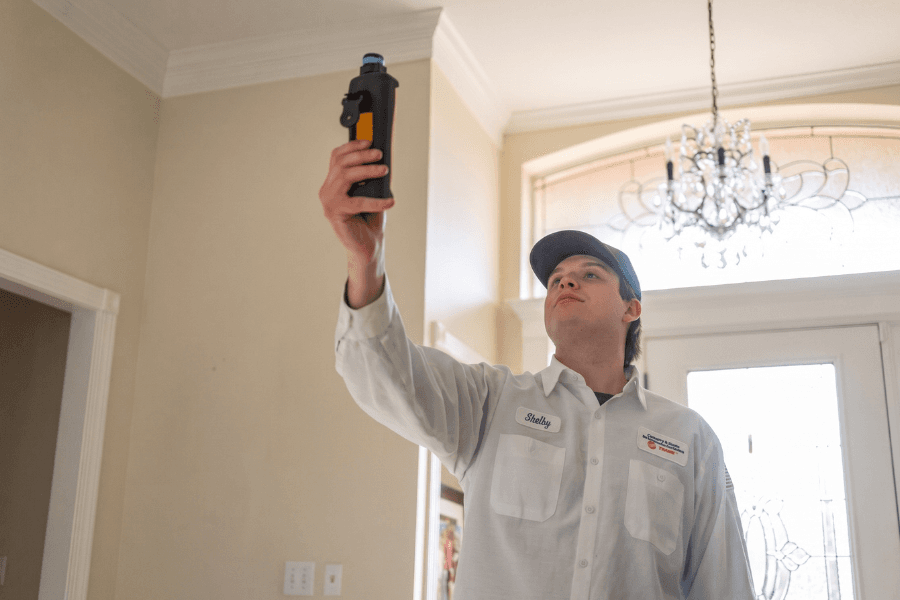
According to Chris Wellborn, co-owner of Coventry & Gattis Air Conditioning, late summer is a critical and often overlooked time to examine what is circulating inside your home.
Is the air inside your home worse than the air outdoors?
According to Wellborn, indoor air quality can be up to 10 times worse than outdoor air.
Most homeowners assume their air conditioner pulls in fresh air from outside. In reality, 99% of residential AC systems simply condition and recirculate the same air already inside your home.
Meanwhile, outdoor air in North Texas is packed with seasonal triggers. Late August marks the start of peak ragweed season, alongside lingering summer grasses such as Bermuda and Johnson grass. Texas' dry, intense heat can keep these microscopic particles suspended in the air. Every time a door opens, allergens can enter the home, where standard HVAC systems continuously circulate them through your living space.
What ruins the air inside your home?
While outdoor allergens slip inside, everyday activities and household items can also affect indoor air quality:
Carbon dioxide buildup: As families spend more time inside a sealed home, exhaled CO2 can build up without fresh air exchange.
Chemical off-gassing: Common cleaners, air fresheners, fresh paint, new carpets and furniture can release volatile organic compounds, or VOCs, into the air.
Humidity imbalances: Indoor humidity that is too high or too low can contribute to an uncomfortable environment and affect how long some airborne viruses remain viable.
Trapped pathogens: Back-to-school viruses brought home on clothes and backpacks can continue circulating through a home's air.
Could your home’s air be making you sick?
Poor indoor air quality doesn't always announce itself. Sometimes, it shows up as the headache that keeps coming back, allergies that never seem to let up or the feeling that everyone in the house is unusually tired.
Dust, pollen, pet dander and other particles can continue circulating through a home, while everyday products such as fresh paint, new carpet, furniture and cleaning supplies can release VOCs into the air.
For people with allergies or asthma, those airborne particles can aggravate symptoms such as sneezing, congestion, itchy eyes and respiratory irritation. Poor ventilation can also allow stale air, odors and other indoor pollutants to build up, leaving a home feeling stuffy even when the air conditioner is running.
Then there's back-to-school season.
“It seems like everyone is fine until the kids go back to school, and then they bring home whatever germs they pick up,” Wellborn said. “Because that indoor air has nowhere to go, those toxins stay suspended right where you breathe.”
Fortunately, living with stale, polluted air isn't inevitable. Breaking the cycle requires more than conditioning the air; it also means cleaning, ventilating and refreshing the air inside your home.
How can Coventry and Gattis help improve air quality?
Coventry & Gattis provides whole-home, professional solutions designed to clean, refresh and balance your indoor air, including:
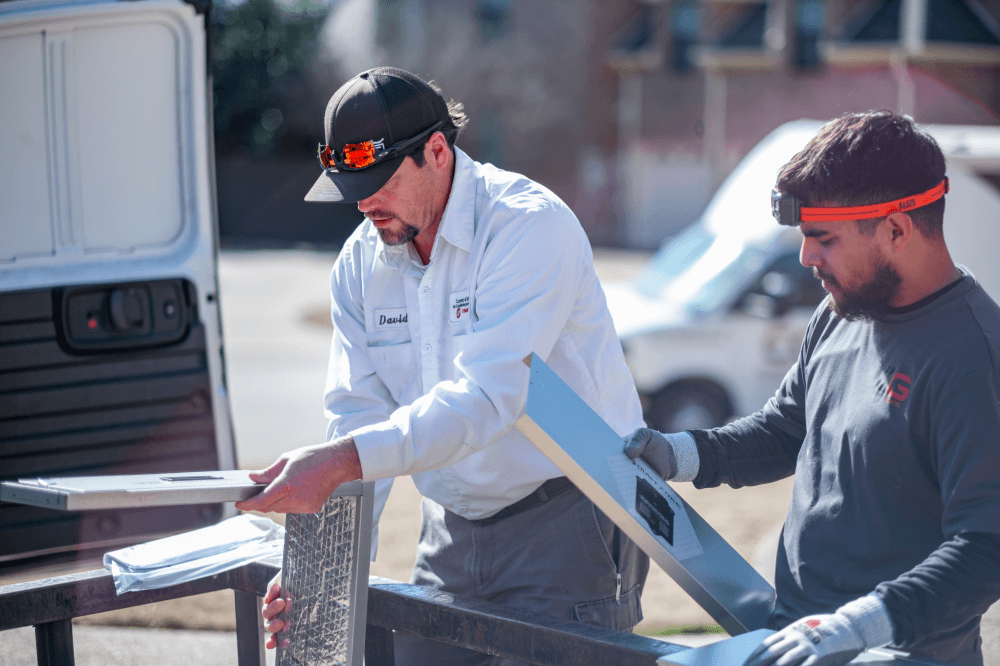
Advanced air filtration: High-efficiency filters designed to capture smaller particles, including allergens, mold spores and pet dander.
Energy recovery ventilators: Bring fresh outdoor air into the home while exhausting stale indoor air and helping condition the incoming air.
UV germicidal lights: Ultraviolet lights installed inside HVAC systems to help control certain airborne microorganisms and biological growth.
Whole-home humidifiers and dehumidifiers: Help control indoor moisture levels and maintain a more comfortable environment.
Duct sealing and insulation: Addresses duct leaks and insulation concerns that can contribute to energy loss, dust infiltration and uneven temperatures.

Everyday habits to improve your home’s air quality
While whole-home systems handle serious filtration and purification, Wellborn notes that small daily habits can significantly lower the pollutant load inside your living space:
Move household chemicals to a ventilated area to avoid the release of VOCs into the home
Open windows on opposite sides of your house for 10-15 minutes to create a cross-draft to flush out stale air and replace it with fresh air
Check your air filters on the same day you pay the electricity bill for consistency
Use exhaust vents religiously—especially while cooking or showering—to pull out extra moisture, steam and airborne pollutants
Add indoor houseplants to absorb excess carbon dioxide
Limited-time offers
To help North Texas homeowners stay comfortable through the end of summer and into fall, Coventry & Gattis is featuring two seasonal promotions:
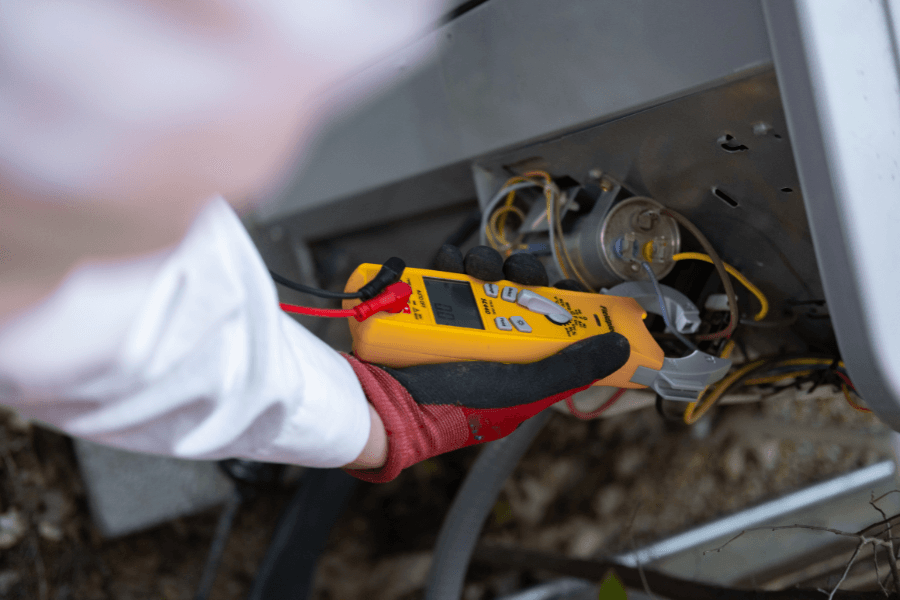
Current offer—$49 system tune-up: Helps keep the system running efficiently and identify potential issues before they become costly repairs.
Sept. 15-Oct. 15— Free duct insulation and indoor air quality inspection: Checks ductwork for air leaks, insulation levels and airflow concerns while identifying hot and cold spots, excessive dust infiltration and humidity or indoor air quality issues.
Take control of your home's air
A clean, healthy indoor environment does more than just relieve seasonal allergies—it protects your family’s well-being and helps your HVAC system operate efficiently year-round. Whether you need a routine tune-up, a ductwork evaluation or a complete indoor air quality upgrade, the experienced team at Coventry & Gattis Air Conditioning is ready to help you breathe easier.
Address: 219 N. Dooley St.
Phone: 817-481-4286
Website: www.coventryandgattis.com
The above story was produced by Multi-Platform Journalist Chloe Chapel, with Community Impact's Storytelling team, using information solely provided by the local business as part of their "sponsored content" purchase through our advertising team.
What communities in North Texas does Coventry & Gattis Air Conditioning serve?
Coventry & Gattis is based in Grapevine and serves homeowners across Grapevine, Colleyville, Southlake, Keller and the surrounding North Texas communities.
How often should I have my home's air ductwork and indoor air quality inspected?
HVAC professionals recommend scheduling system tune-ups twice a year (spring and fall). A comprehensive duct and indoor air quality inspection should be done annually or whenever you notice persistent allergy symptoms, hot and cold spots, or excessive dust buildup.
What is the difference between a standard air filter and an Energy Recovery Ventilator?
A standard air filter captures physical particles like dust and pet dander as air recirculates through your house. An ERV pulls fresh, filtered outdoor air into your home while simultaneously exhausting stale, chemical-laden indoor air without increasing energy costs.