

When a loved one experiences a major medical event—a stroke, severe fall, cardiac episode or joint replacement surgery—the immediate focus is on emergency care. But once the acute hospital stay ends, families face a critical question: Where does recovery happen next?
Many families assume a skilled nursing facility is the only path forward. However, an inpatient rehabilitation hospital such as Exalt Health Inpatient Rehabilitation Hospital–Conroe can provide a higher level of medical oversight alongside intensive rehabilitation.
To help local families navigate this choice, James Moody, vice president of operations at Exalt Health, breaks down what sets inpatient rehabilitation apart and why patient advocacy matters.
What is the main difference between inpatient rehabilitation and skilled nursing?
The primary distinction comes down to medical intensity, provider oversight and the level of care delivered.
“An inpatient rehab hospital is a hospital,” Moody said. “There’s more medical necessity and more medical services provided inside an inpatient rehab hospital. As opposed to a nursing facility, there’s not a requirement to have the same type of systems and support.”
Key differences include:
Medical care: Inpatient rehabilitation provides 24/7 rehabilitation nursing and regular physician oversight for patients with significant medical needs.
Therapy: Patients at Exalt Health participate in at least three hours of therapy each day, which may include physical, occupational and speech therapy.
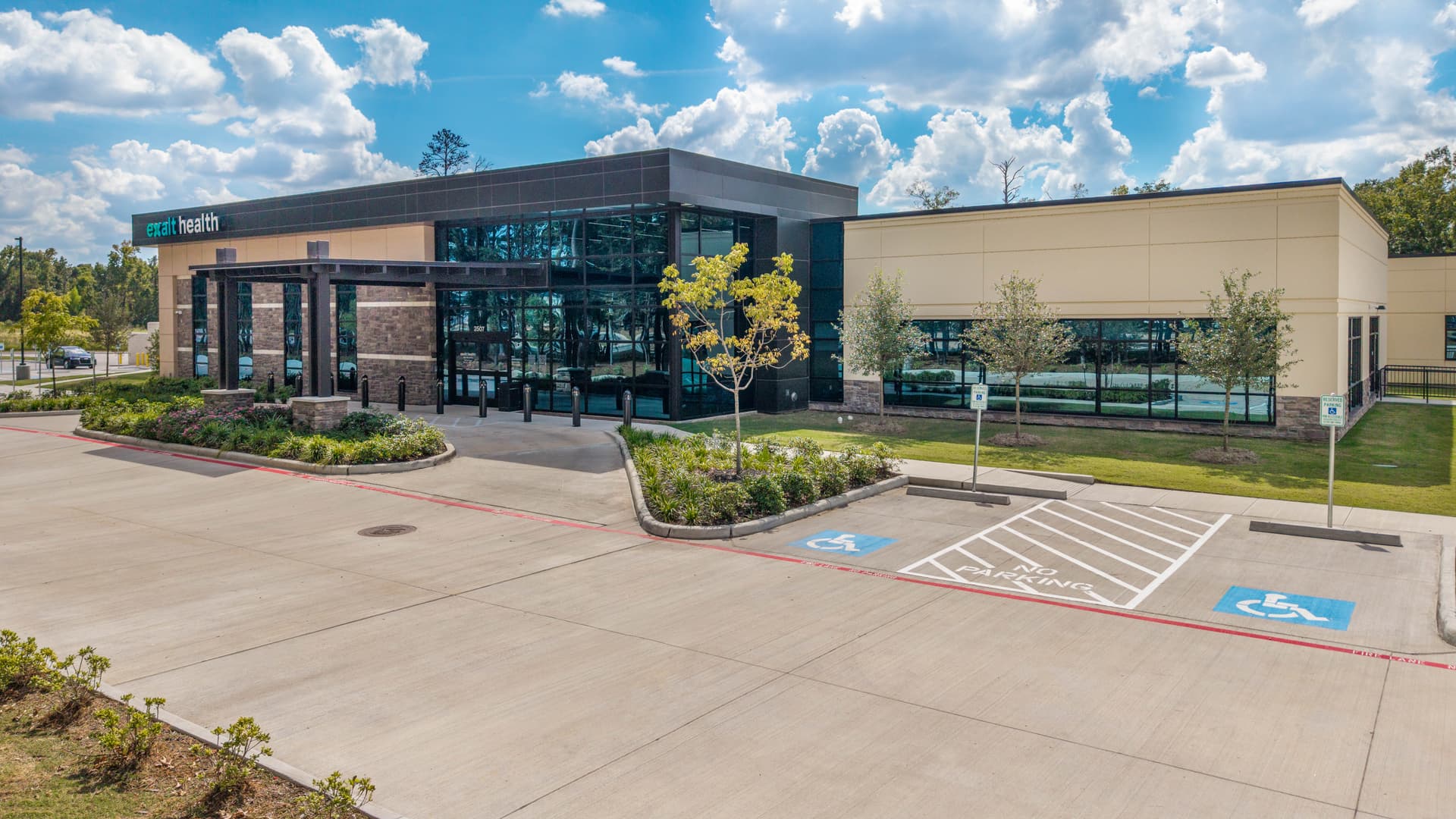
Care environment: Exalt Health’s 40-bed facility was designed by clinicians with centralized clinical spaces, therapy areas and common areas to keep care accessible while creating a more personal environment.
Who benefits most from inpatient rehabilitation?
While many patients are older adults recovering from complex surgeries or debilitating illnesses, inpatient rehabilitation can benefit people of all ages recovering from neurological or physical conditions.
Common conditions treated at Exalt Health Inpatient Rehabilitation Hospital include:
Neurological conditions: Brain injuries, strokes and spinal cord injuries.
Traumatic injuries: Amputations and complex orthopedic fractures.
Cardiac conditions: Recovery after major heart procedures requiring specialized oversight.
Severe debility: Weakness resulting from extended hospital stays or illnesses such as pneumonia.
“Our body will deteriorate within three days of lying in a bed—from muscle loss to organ function reduction,” Moody said. “Just by coming out of an acute hospital, someone is going to be naturally weaker.”
Patients don't necessarily have to come directly from an acute-care hospital. Moody said Exalt Health can also admit patients from skilled nursing facilities, long-term acute-care hospitals or home, depending on their medical and rehabilitation needs.
What can patients expect during an inpatient rehabilitation stay?
At Exalt Health, rehabilitation is built around each patient’s needs and goals. Patients participate in at least three hours of therapy each day, while the broader care team reinforces those goals throughout the day.
The therapy isn't one-size-fits-all. The team learns what matters to each patient and uses those priorities to shape the rehabilitation plan.
“We can take that very person-centered approach,” Moody said. “You can come and say, ‘I want to be able to walk again,’ or ‘I want to be able to get back to my church choir in two weeks,’ and we will do our best to make it happen.”
The rehabilitation process also extends beyond scheduled therapy sessions. Nurses and therapists reinforce patients’ goals during everyday activities, while group therapy provides opportunities for socialization and peer encouragement.
How does Exalt Health deliver faster, higher-quality outcomes?
Recovery at Exalt Health isn't just about completing daily exercises. The team focuses on coordinating care throughout a patient's stay to help them regain function and return home.
At Exalt Health Inpatient Rehabilitation Hospital in Conroe, patients spend an average of 11 days in inpatient rehabilitation, compared with roughly 13 to 14 days nationally, according to Moody.
He credits the results in part to Exalt Health’s interdisciplinary approach, with physicians, nurses and therapists communicating regularly about each patient’s progress and goals.
How does inpatient rehabilitation prepare patients to return home?
For patients and families, recovery doesn't end when they leave the rehabilitation hospital. Exalt Health Inpatient Rehabilitation Hospital begins preparing for that transition early by considering each patient’s home environment, support system and daily needs.
“We focus a lot on the patient, so during their stay, we teach and train,” Moody said. “We also invite the family members within the last several days of discharge so that they get training.”
That training can include practicing how to safely help a loved one get in and out of bed, shower, get dressed or get into a car. The goal is to give patients and families the skills and confidence needed for a safe transition home and back into the community.
Do patients have a choice in their rehabilitation care?
Families may assume the hospital or insurance company has already determined where a patient will go next. Moody said patients should know they can ask questions and advocate for the type of care that best fits their needs.
“Every patient has rights when they’re receiving care,” Moody said. “They should feel empowered to make the choice that’s best for them at the right time.”
That can mean asking whether inpatient rehabilitation is appropriate, understanding the differences between rehabilitation settings and considering which option will best support a safe return home.
For patients who need a higher level of medical oversight and intensive rehabilitation, knowing that inpatient rehabilitation is an option can be an important step in planning the road to recovery.
Details
Exalt Health Inpatient Rehabilitation Hospital–Conroe provides inpatient rehabilitation for patients recovering from illness, injury or surgery. The 40-bed facility offers 24/7 rehabilitation nursing, physician oversight and physical, occupational and speech therapy.
Address: 2507 South Loop 336 W, Conroe
Phone: 936-380-8340
Email: [email protected]
Website: exalthealth.com/conroe
The above story was produced by Multi-Platform Journalist Chloe Chapel, with the Community Impact Storytelling team, using information solely provided by the local business as part of their sponsored content.
What insurance plans does Exalt Health Conroe accept?
Exalt Health accepts Traditional Medicare, Medicare Advantage plans, commercial health insurance and private-pay options. The admissions team works with insurance providers and discharge planners to verify coverage and obtain authorization before admission.
What are the visiting hours and policies for family members?
Exalt Health encourages family involvement as part of the recovery process. Because therapy schedules are active throughout the day, families can coordinate visits with the care team. Family training is also scheduled during the final days of a patient’s stay to prepare caregivers for the transition home.
What amenities are included in the patient rooms and facility?
The 40-bed facility features private patient rooms with accessible en suite bathrooms, physical therapy gyms, an on-site dining hall and shared outdoor and social spaces designed to support recovery and interaction.
How does a patient get admitted to Exalt Health Conroe from home or the hospital?
A hospital case manager, physician referral or direct contact with Exalt Health can initiate admissions. The clinical assessment team conducts a pre-admission evaluation for patients coming from an acute-care hospital, skilled nursing facility or home to determine whether inpatient rehabilitation is appropriate.