

When George Mitchell envisioned The Woodlands in the late 20th century, his master plan required more than top-tier infrastructure; it demanded exceptional education. In 1988, Mitchell donated 43 acres to establish The John Cooper School, an independent college preparatory school designed to foster lifelong curiosity, academic excellence and leadership.
Nearly four decades later, Cooper serves more than 1,400 students from PK through grade 12. Yet the school remains anchored in a founding philosophy centered on a whole-child approach, ensuring every child is individually known, challenged and supported.
A PK-12 education shaped around students
Today, Cooper’s 43-acre campus brings together families from across The Woodlands and around the globe. With a student body representing more than 40 countries, they bring different cultures, experiences and perspectives into classrooms and conversations.
As an independent, nonprofit school governed by a Board of Trustees and accredited by the Independent Schools Association of the Southwest, Cooper has the flexibility to shape its educational experience around its mission and student needs.
“We are curators and creators of our curriculum,” Head of School Dr. Stephen Popp said. “That affords more nimble, dexterous approaches to a dynamic world.”
This flexibility allows Cooper to pair strong academics with opportunities for students to explore their interests, build relationships and develop lifelong skills.

Academic challenge with room to explore
Academic challenge is woven throughout Cooper’s PK-12 experience. The curriculum emphasizes critical and creative thinking, effective communication and responsible citizenship, with expectations designed to grow alongside students.
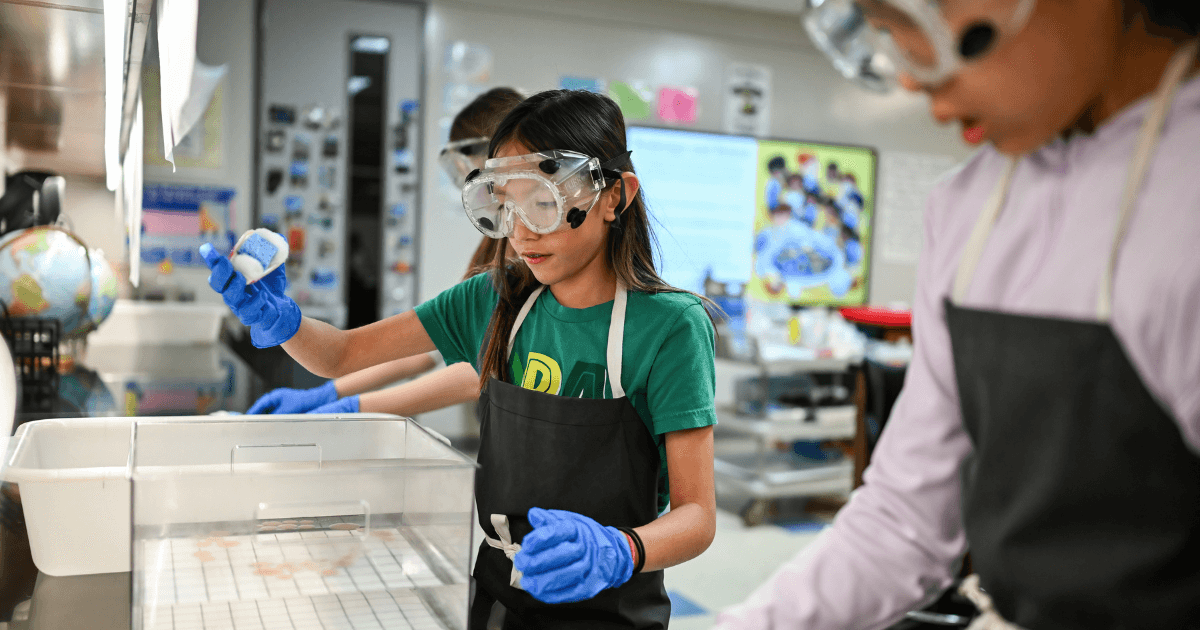
Upper School students can choose from 24 Advanced Placement courses, while hands-on science learning takes place in nine specialized labs across middle and upper school.
Even with high academic expectations, learning remains deeply personal. Supported by roughly 315 full-time faculty and staff, small class sizes and intentional schedules give teachers the space to mentor students individually. In the upper school, five dedicated college counselors guide a graduating class of 135 seniors, a level of support that contributes to a 100% college matriculation rate.
That academic foundation goes hand in hand with rich opportunities in athletics, fine arts and cocurricular activities.

Learning doesn’t stop in the classroom
Cooper’s commitment to well-rounded education is reflected in both the range of opportunities available and high student participation.
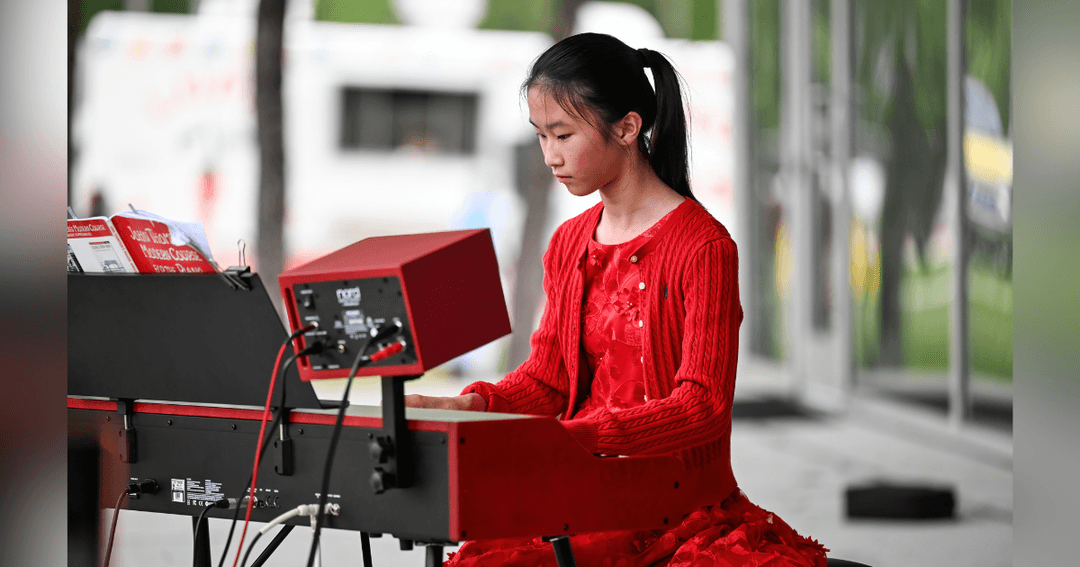
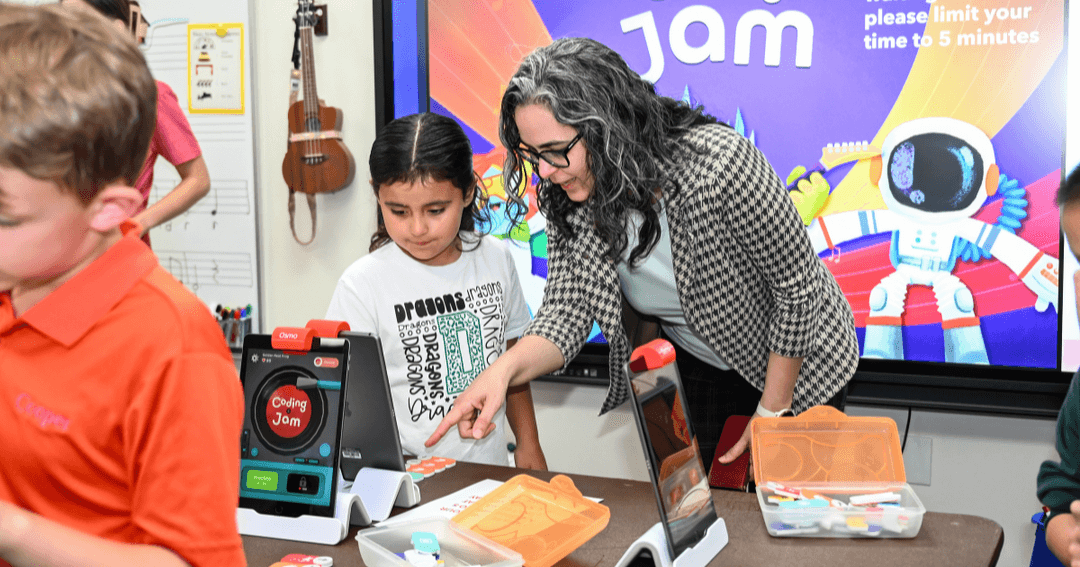
Upper school students choose from 25 fine arts courses, 28 clubs and three leadership organizations. Middle school offers 11 arts courses, 10 clubs and 32 athletic teams, while lower school students explore seven cocurricular classes. This variety drives impressive campus involvement: 84% of students participate in fine arts and 75% compete in athletics.
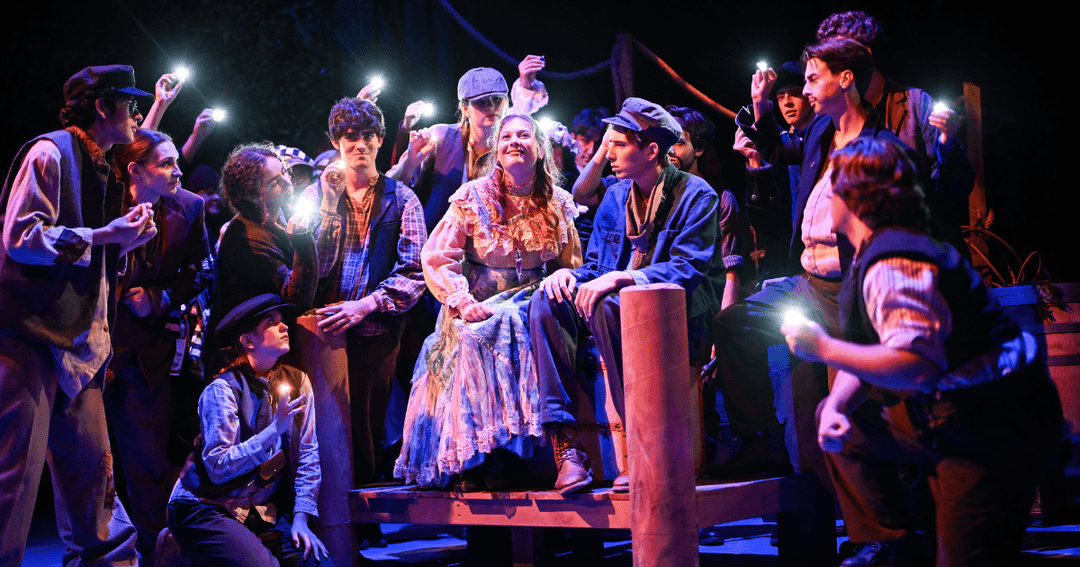
“We don’t view these extracurriculars as something at the end of the day. They are a fundamental part of the student experience,” Popp said. “We believe in the innate curiosity and creativity of our students and providing them avenues and opportunities to explore that over a period of growth.”
These experiences build vital transferable skills—communication through the arts, teamwork through athletics and confidence through leadership.
Preparing students to contribute
For Cooper, a well-rounded education also means helping students understand their place in a community and the responsibility that comes with it.
Service and leadership are woven into everything they do, as it gives students a chance to look beyond themselves. Through service opportunities and student-led initiatives, students are encouraged to contribute to their school and broader communities while developing a sense of responsibility and agency.
That philosophy takes on added meaning this year as the country marks the 250th anniversary of the signing of the Declaration of Independence. At Cooper, the milestone is an opportunity to reflect on the ideals that shaped the nation while asking students how those ideas apply to the world they are helping shape today.
“Being a responsible citizen and leader doesn’t require a title,” Popp said. “It really requires being someone who shows up and contributes for the betterment of the whole. Students need to believe in their own agency and self-efficacy and understand that they have the opportunity to make positive change, not just for themselves, but for their communities.”
Why families choose Cooper
Taken together, Cooper’s academic, arts, athletic and service opportunities reflect an educational approach that is both deeply rooted and forward-looking. For nearly four decades, the school has built its experience around knowing students individually while challenging them to discover what they are capable of becoming.
That philosophy extends to families, whom Cooper views as partners throughout their child’s PK-12 journey. It also includes an increasing emphasis on emotional intelligence and well-being, giving students tools to understand themselves, navigate challenges and build healthy relationships.
As students prepare for an ever-changing future, Cooper focuses on curiosity, adaptability, communication, creativity and self-awareness.
That combination of tradition, flexibility and personal connection has helped create a community families want to remain part of. Cooper’s 97% student retention rate reflects that connection.
Interested in Cooper?
Families interested in exploring a Cooper education can begin the admission process by visiting the school’s website and scheduling a campus tour. Cooper’s admission team encourages families to start exploring in the fall, when they can attend an open house, learn more about academic programs and preview the school’s arts and athletics offerings.
The application for the 2027-28 school year opens Sept. 1. The process varies by grade level and may include student assessments or classroom observations, teacher recommendations, an interview and other admission requirements. Cooper takes a holistic approach to reviewing applicants, with the goal of getting to know both students and their families.
Campus tours are led by Upper School student ambassadors, giving prospective families the opportunity to experience Cooper through the eyes of students themselves.
Families are encouraged to begin the process early. More information about admission, upcoming events and how to schedule a visit is available at www.johncooper.org or the campus at 1 John Cooper Drive, The Woodlands.
The above story was produced by Multi-Platform Journalist Chloe Chapel, with Community Impact's Storytelling team, using information solely provided by the local business as part of their sponsored content.
What type of school is The John Cooper School, and where is it located?
The John Cooper School is an independent, non-profit PK–12 college preparatory school located on a 43-acre campus at 1 John Cooper Drive in The Woodlands, Texas. Founded in 1988 through a land donation by George Mitchell, the school serves over 1,400 students representing more than 40 countries and is accredited by the Independent Schools Association of the Southwest.
What are the academic results and AP course offerings at The John Cooper School?
The John Cooper School maintains a 100% college matriculation rate and a 97% student retention rate. The PK–12 curriculum features 24 AP courses, nine specialized science labs and personalized guidance from five full-time college counselors for graduating classes of roughly 135 seniors.
What fine arts and athletic opportunities are available for Cooper students?
The John Cooper School integrates robust extracurriculars into its core curriculum, boasting 84% student participation in fine arts and 75% in athletics. Offerings include 25 fine arts courses. 32 athletic teams in the Middle School, 28 student clubs and extensive service-learning programs.
How do families apply for admission to The John Cooper School in The Woodlands?
Applications open on Sept. 1 for the following academic year. Families can begin the holistic admission process by visiting johncooper.org to register for a fall open house or schedule a campus tour led by Upper School student ambassadors. Requirements vary by grade level and may include classroom observations, student assessments, teacher recommendations and an interview.