
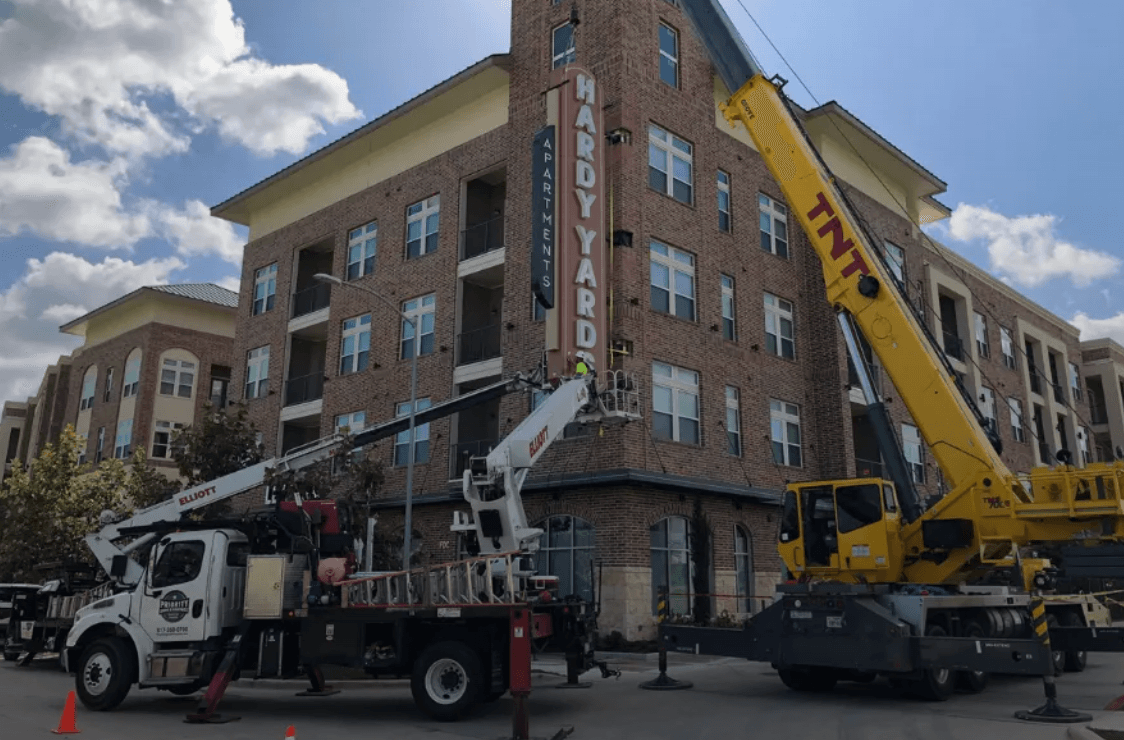
Ever wondered how a massive, glowing brand logo gets onto the side of a multistory building, or why some store signs look sleek and vibrant for years while others fade into eyesores?
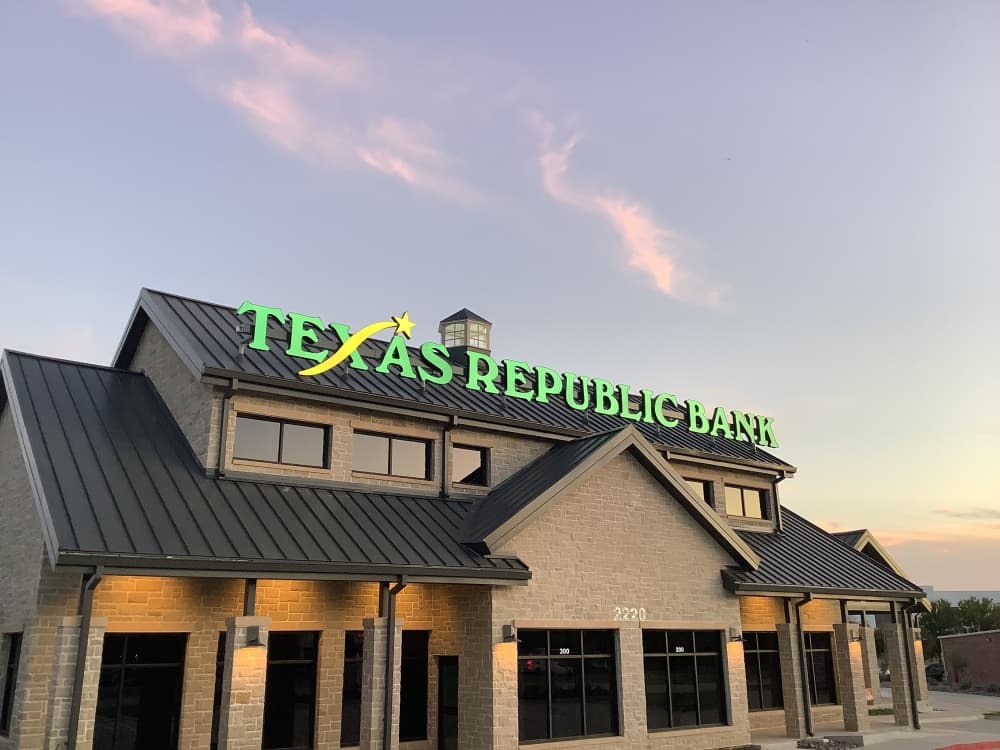
Behind almost every new storefront, ribbon-cutting ceremony or illuminated logo in town is a complex mix of trade craftsmanship, heavy machinery and city regulations. For Southlake’s Priority Signs and Graphics, turning a business owner’s vision into a local landmark takes technical precision, careful planning and clear communication.
Here is a look at what goes into creating the signs that shape our everyday surroundings.
Where does a sign actually begin?
We see signs every day but rarely think about how they get there. Long before a logo lights up a building, someone has to determine how the sign will fit the space and meet local requirements.
When a customer reaches out, Priority Signs and Graphics begins by learning about the project and location. A project manager then visits the site to take measurements, take photographs and gather other details that help the team understand the space.
That first visit lays the groundwork for everything that follows, from choosing the right type of sign to turning an idea into something people can see from the street.
“We really try to be sign consultants,” co-owner Janice Horak said. “We want to listen to the customer, help them determine what type of signage is going to work best for their space and make sure they love the design before we ever get to the quote.”
How do you turn an idea into the right sign?
A logo that looks sharp on a business card does not always translate directly to a 10-foot illuminated building sign. Bridging that gap takes expert visualization, and that is where Priority Signs and Graphics steps in.
During the initial site visit, project managers help customers explore materials, lighting options and styles tailored to their space and budget. Customers can also tour the company’s facility to see examples of different signs and examine colors and finishes in person.
Whether a customer arrives with a finished design or needs creative direction from scratch, the company can help develop a signage package that fits the space and reflects the customer’s vision.
Its services include:
Storefront and exterior building signs
Interior lobby and ADA-compliant signs
Monument and pole signs
Digital message centers
Vinyl lettering, graphics and murals
Door lettering and hours of operation
The company’s full-service approach is supported by two specialized fabrication shops under one roof. One focuses on vinyl and graphics-based signage, while the other handles more complex electrical and metal fabrication.
How does a design become a finished sign?
Once a customer approves the design and pricing, the project moves from the drawing board into production. Before a sign can be built, however, it may need city approval.
Priority Signs and Graphics handles the permitting process, accounting for local requirements and ensuring the approved sign matches the design. Once permits are in place, the team begins fabrication and schedules installation around the customer’s timeline.
The company’s detailed design drawings guide the project from start to finish. Fabricators use them to build each sign to specification, while installers rely on the same plans to determine how and where it should be mounted.
Before a sign leaves fabrication, it goes through quality control to check details such as materials, paint colors and construction. The company’s licensed and experienced installers then handle the installation, including the electrical and structural work required for larger signs.
That behind-the-scenes coordination turns a concept on a screen into the sign people eventually see from the street.
What happens when a sign needs attention later?
Signage needs do not end at the ribbon-cutting ceremony. Storm damage, aging electrical components, branding updates and general wear can all create new challenges.
Priority Signs and Graphics also handles repairs, replacements and updates to existing signage, helping customers keep their signs looking and functioning as they should.
For the Horaks, that continued support is part of making the process easier for customers.
“Signage can be a real headache, but we try to make it easy for our customers.” Curt said. That customer-focused approach extends to unexpected challenges during a project, too. If a permit takes longer than expected or another issue arises, the team works to find a solution and keep the project moving.
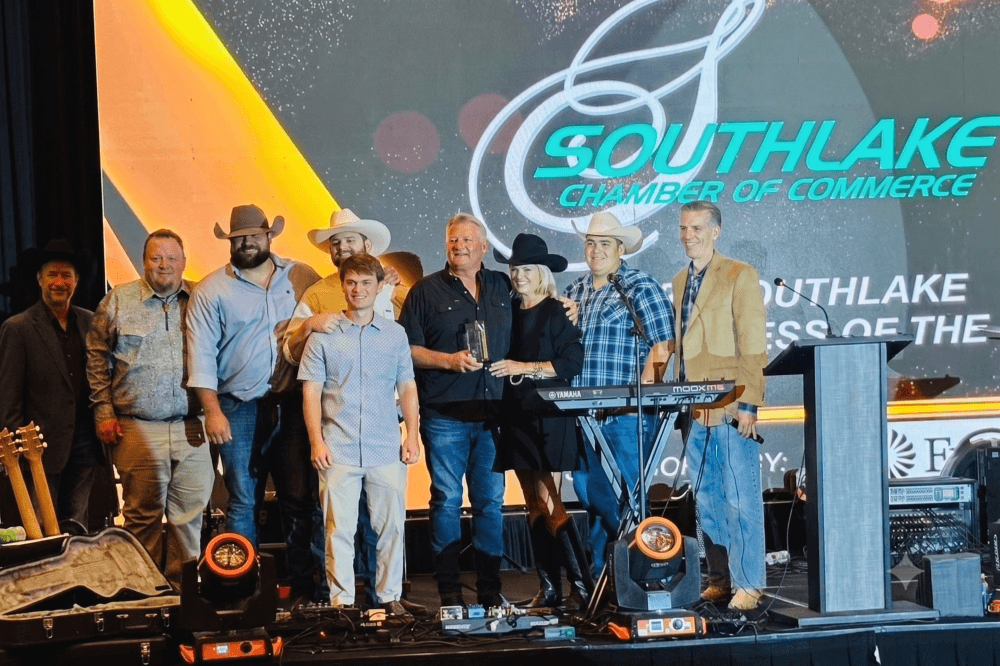
The company has built its business through repeat customers, referrals and community relationships. In 2026, Priority Signs and Graphics was named the Southlake Chamber of Commerce’s Small Business of the Year and has earned more than 100 five-star Google reviews.
Ready to get started?
A sign may be one of the first things people notice about a place, but there is much more behind it than meets the eye.
From the first site visit to the final installation and future repairs, Priority Signs and Graphics brings those details together under one roof. The goal is to help customers get the signage they envision without having to coordinate multiple companies for every part of the project.
Phone: 817-260-0700
Email: [email protected]
Address: 2865 Market Loop, Southlake
Frequently asked questions
What types of signs does Priority Signs and Graphics create?
The company creates storefront and exterior building signs, lobby and ADA signage, monument and pole signs, digital message centers, murals, vinyl graphics, door lettering and more.
Can Priority Signs and Graphics help design a sign?
Yes. Customers can bring an existing design or work with the company’s team to explore sign types, materials, colors, lighting and layouts. The team creates renderings to help customers visualize the finished product.
Does Priority Signs and Graphics handle permits and installation?
Yes. The company manages the permitting process, fabricates signs in-house and coordinates installation using the approved project drawings.