
Watching a loved one live with Alzheimer’s or dementia is no easy task. Some families might find it difficult to tell whether their loved one is actually struggling with dementia or another similar condition. Thankfully, Grand Living is here to help.
Grand Living at Riverstone empowers families in Sugar Land with clear, trustworthy insight into Alzheimer’s disease and the cognitive changes that come along with it.
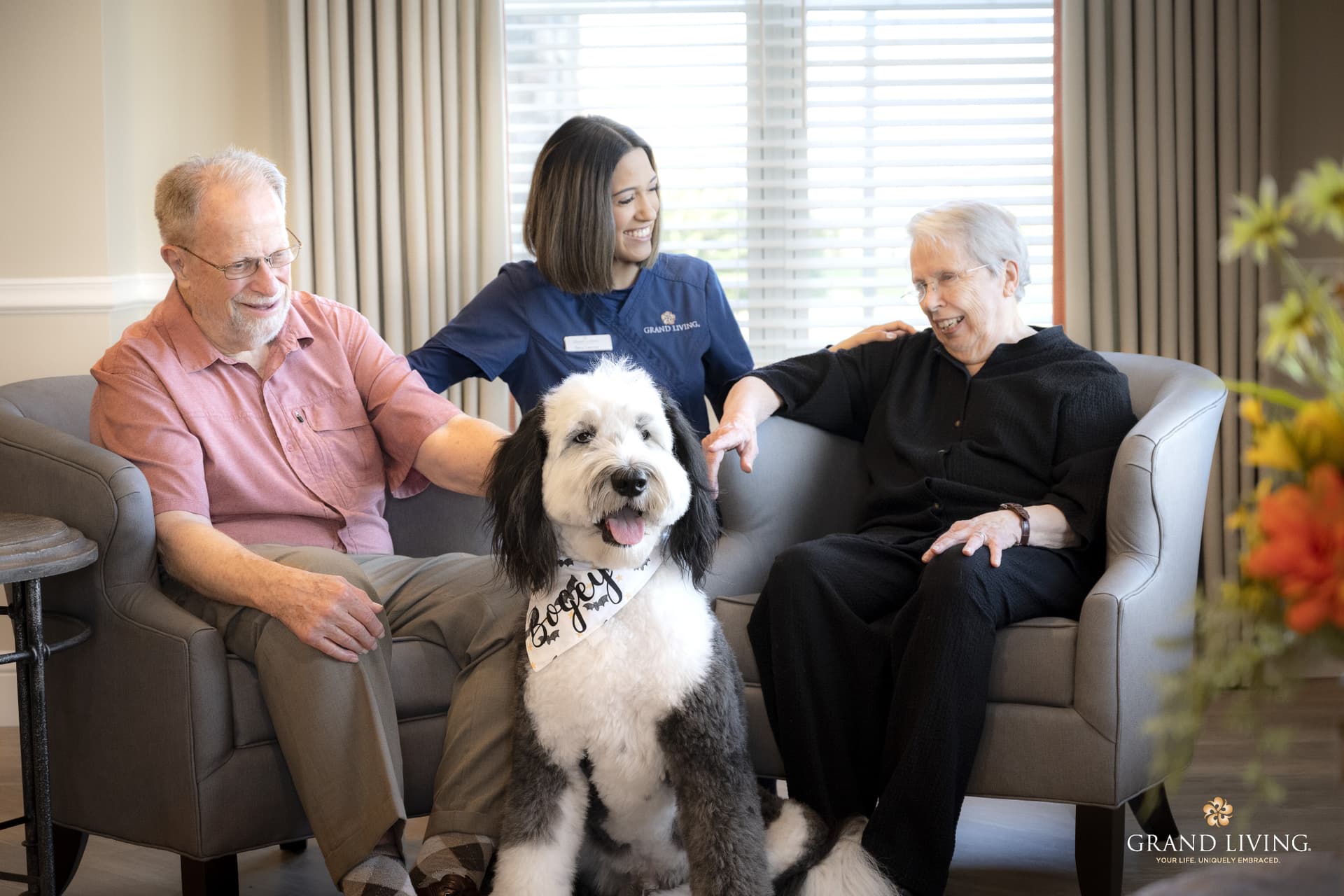
“The joy we see every day is why our team is so dedicated—those smiles are our greatest reward,” Director of LUMINATIONS® Memory Care Seleta Boulds said.
To educate the community about dementia and which conditions mimic the symptoms of Alzheimer’s disease, Grand Living at Riverstone shared the following details:
What is the difference between dementia and Alzheimer’s disease?
Dementia and Alzheimer’s disease are often mentioned together, but they aren’t interchangeable terms. If a loved one has been diagnosed with one of these conditions, be sure to understand the difference:
Dementia
Dementia is not a single, specific disease. Rather, this is the general term for a range of conditions that cause a decline in cognitive abilities. Dementia is an umbrella term that includes symptoms like significant memory loss, impaired judgment and language problems that affect the patient’s daily life. (Alzheimer’s Association, 2023).
Alzheimer’s disease
Alzheimer’s is a specific form of dementia. This progressive brain disease erodes memory and cognitive abilities over time. So, while Alzheimer’s is a type of dementia, not all cases of dementia are Alzheimer’s disease (National Institute on Aging, 2023).
How can you spot the early warning signs of dementia?
While it helps to know the difference between dementia and Alzheimer’s disease, it’s even more important to recognize their early warning signs. Catching Alzheimer’s early is the best way to get on track toward an effective care plan. Everyone forgets things from time to time, but the symptoms of dementia are consistently disruptive and reduce quality of life.
These symptoms could signal the onset of dementia:
Memory loss: Does your loved one forget information they learned only recently? Do they constantly ask the same questions?
Challenges with problem solving: Does your loved one struggle to follow a familiar recipe or forget to pay their monthly bills?
Struggling with everyday activities: Can your loved one no longer drive to a familiar location? Do you notice them forgetting the rules to a familiar game?
Confusion: Is your loved one often losing track of the seasons or time?
Changes in mood and personality: Have you noticed your loved one feeling more anxious or depressed? Do they seem confused, suspicious or afraid more often than usual?
What reversible conditions are often mistaken for dementia?
Before jumping to a dementia diagnosis, doctors will rule out all other medical issues. After all, there’s more than one cause of temporary confusion and disorientation. Physicians know several conditions that may look like dementia but are actually treatable and sometimes reversible.
These common medical issues often mimic dementia:
Vitamin deficiencies, especially a severe lack of vitamin B12
Underactive or overactive thyroid
Medication side effects and interaction with other drugs
Urinary tract infections
Severe depression
What disorder is most often misdiagnosed as dementia?
Many conditions can look like dementia in certain circumstances. Depression is one of the most prevalent issues leading to a misdiagnosis of dementia. Older folks with depression often have difficulty concentrating, become forgetful and lose interest in the things they once enjoyed. Taken together, these symptoms can resemble the early stages of dementia.
If you’ve noticed any depressive symptoms in your loved one, it’s always a best practice to speak with a health care professional. They can schedule a neurological exam and a mental health screening to get to the bottom of the problem.
What is Grand Living’s approach to memory care?
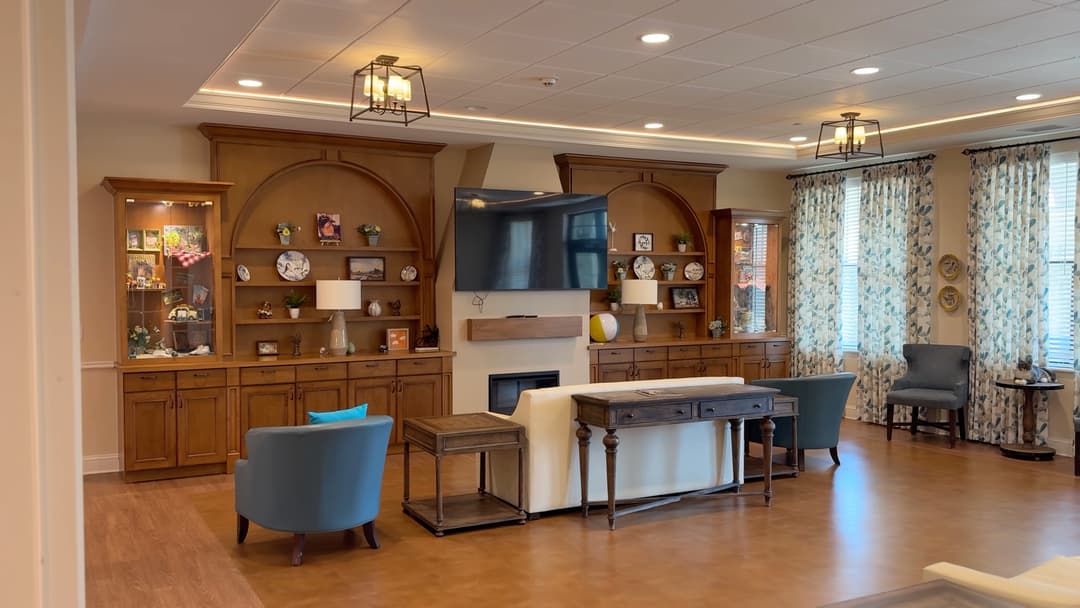
The Grand Living at Riverstone team is dedicated to making memory care feel more like a resort, not a run-of-the-mill nursing home. Residents enjoy everything from beautifully appointed apartments to private laundry services. Plus, their memory care residents have full access to the IN GRAND TASTE® dining program, which offers exquisite, chef-prepared meals.
However, what really sets Grand Living apart is their LUMINATIONS® program. This program branches into two living options: Monarch Lane and Lavender Lane. Monarch Lane offers memory care for both men and women, while Lavender Lane provides an exclusive setting for women. No matter which option your loved one chooses, they’ll have the benefit of a secure, nurturing and stimulating environment designed to support their specific needs.
“What LUMINATIONS® does best is creating a place where every resident feels truly comfortable and supported,” Boulds said.
What else can people expect from the Sugar Land community?
The Sugar Land team stays on the cutting edge of health care and nursing services, using innovative approaches like FACETS®. This signature program was built on the five dimensions of wellness: physical, emotional, social, intellectual and spiritual. It helps residents stay active, connected and inspired through personalized activities, experiences and meaningful moments.
Beyond that, residents also have access to a full-time Director of Fitness. This position creates tailored wellness plans and organizes lots of activities to keep residents engaged, despite their health concerns. Ultimately, the team strives to do more than just provide care; they’re committed to cultivating a thriving community.

How can someone get in touch with Grand Living?
A dementia diagnosis doesn’t mean your loved one has to give up a vibrant and joyful life. At Grand Living at Riverstone, the team offers comprehensive care that allows your loved one to age in place with the dignity they deserve. Those interested in learning more can find resources here:
Website: https://grandliving.com/communities/
Contact the team: https://grandliving.com/contact-us/
Address: 4828 LJ Pkwy., Sugar Land
Phone number: 281-456-3414
Hours: Open 24/7
Frequently asked questions
What is the LUMINATIONS® Memory Care program at Grand Living at Riverstone?
LUMINATIONS® is Grand Living at Riverstone's signature memory care program in Sugar Land, offering a secure, nurturing environment designed to support residents with Alzheimer's disease and other forms of dementia. The program branches into two living options: Monarch Lane, which serves both men and women, and Lavender Lane, an exclusive setting for women. Both provide personalized care aimed at helping residents feel comfortable, supported and engaged.
What amenities and programs are available to LUMINATIONS® residents?
Memory care residents have full access to the IN GRAND TASTE® dining program, featuring chef-prepared meals. The community also offers FACETS®, a wellness program built around five dimensions of health—physical, emotional, social, intellectual and spiritual—delivered through personalized activities and experiences. A full-time Director of Fitness creates tailored wellness plans and organizes activities for residents across varying health needs. Residents also enjoy private laundry services and beautifully appointed apartments.
What is the difference between dementia and Alzheimer's disease?
Dementia is an umbrella term for a range of conditions that cause decline in cognitive abilities, including memory loss, impaired judgment and language problems. Alzheimer's disease is a specific, progressive form of dementia, meaning all Alzheimer's is dementia, but not all dementia is Alzheimer's. A physician can help determine the specific diagnosis and appropriate care plan.
What conditions are commonly mistaken for dementia?
Several treatable conditions can mimic dementia symptoms, including severe vitamin B12 deficiency, an underactive or overactive thyroid, medication side effects or interactions, urinary tract infections and severe depression. Depression is among the most commonly misdiagnosed; older adults with depression often experience forgetfulness, difficulty concentrating and withdrawal from activities, which can resemble early-stage dementia. A neurological exam and mental health screening can help rule out reversible causes.
The above story was produced by the Grand Living team with Community Impact's Storytelling team, with information solely provided by the local business as part of their "sponsored content" purchase through our advertising team.