
For a business owner, a cybersecurity vulnerability can represent much more than a technical problem.
A weakness in a website or digital systems could put customer information at risk, disrupt operations or create compliance concerns. As businesses increasingly adopt artificial intelligence and other rapidly evolving technologies, their digital footprint and the number of potential entry points for attackers can grow.
Austin-based SecureLayer7 helps businesses find those entry points before someone with malicious intentions does.
What services does SecureLayer7 offer?
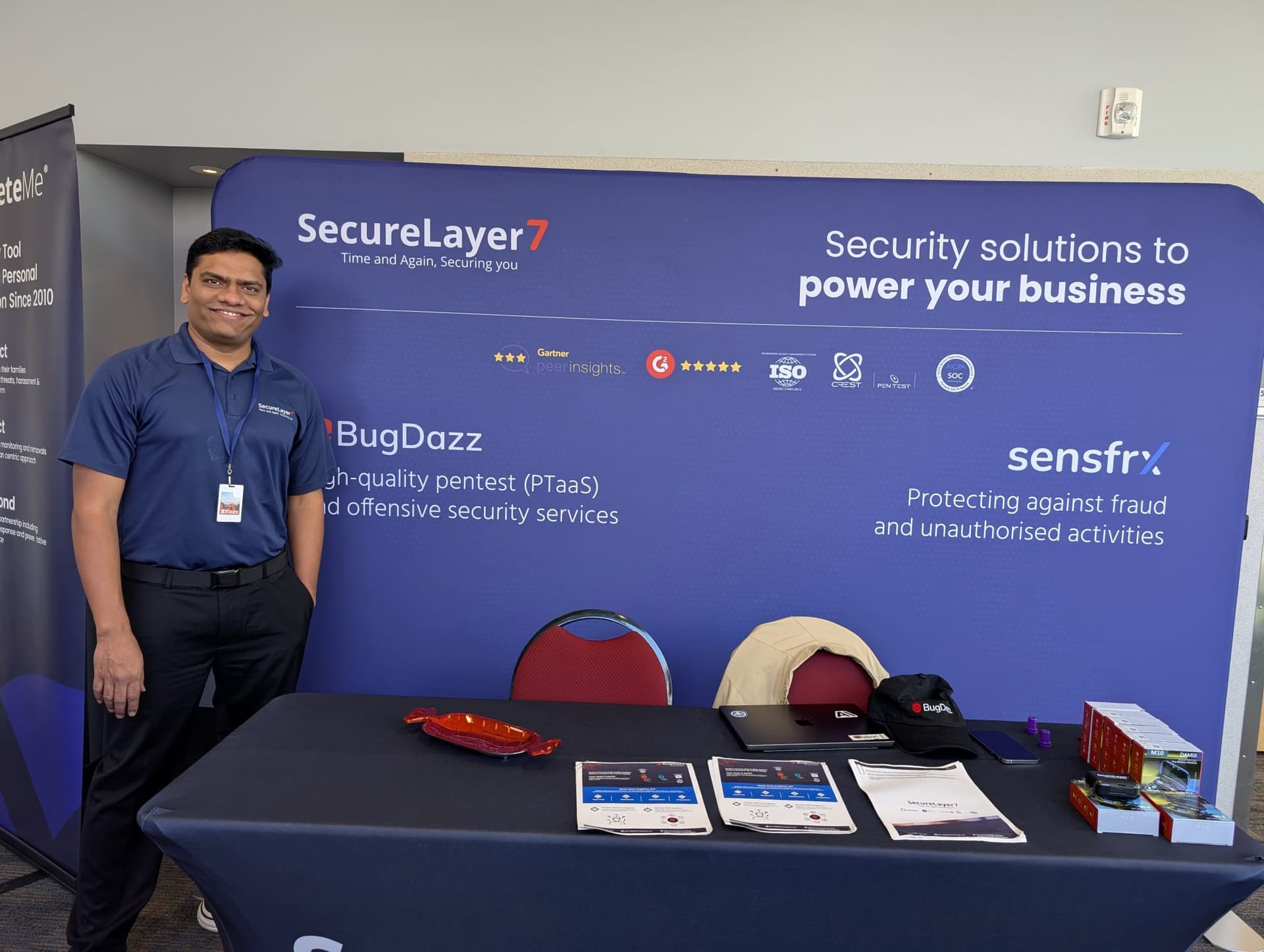
For 14 years, SecureLayer7 has focused on offensive security. Its services include penetration testing, red team assessments, cloud and source code testing, and AI and large language model security assessments—looking for ways hackers could gain access to a business’s systems or sensitive information.
The company works with organizations ranging from small businesses and startups to healthcare organizations and large technology companies.
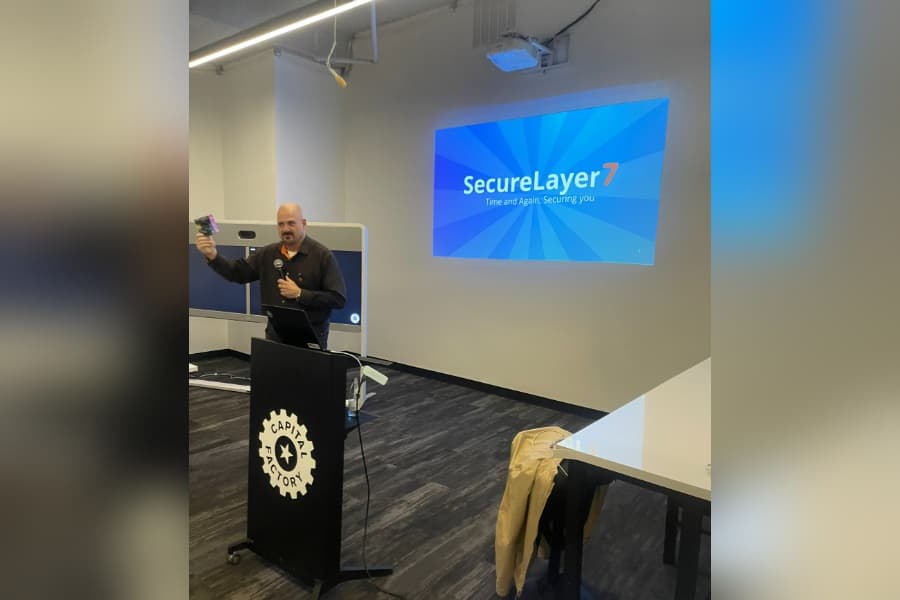
The cybersecurity company’s team of ethical hackers can approach a company's technology from an attacker's perspective to uncover vulnerabilities and demonstrate how they could be exploited.
“We bring that simulation of attack on their company, and then we show them, ‘OK, these are the vulnerabilities potentially giving access to your data, and that needs to be fixed,’” Founder Sandeep Kamble said.
What is penetration testing, and why does it matter?
One of SecureLayer7's core services is penetration testing, often called pentesting, which the company offers as a human-led service or through its autonomous pentesting platform that uses technology to run the attack.
Rather than waiting for a real cyberattack to reveal a weakness, SecureLayer7 ethically attempts to find and exploit vulnerabilities first.
“We are kind of like an offensive security team but for a good purpose,” Kamble said.
When a vulnerability is identified, the business receives information needed to reproduce and understand the problem, allowing its developers, contractors or IT providers to fix it. SecureLayer7 can then retest the vulnerability to verify the fix.
What kinds of security weaknesses can SecureLayer7 uncover?
During a simulated attack, SecureLayer7 might uncover:
A way to access accounts without proper login credentials, including bypassing safeguards such as multifactor authentication
A way to access private information, such as another customer’s account information, medical information or other sensitive records
Access to customer payment or credit card information, which could put customers and the business at risk
The ability to manipulate an online store or application, such as changing a price or abusing a coupon or refund process
“The return on investment is going to be helping you to secure your customers' data,” Kamble said.
Kamble said cybersecurity professionals often think in terms of two sides: a “red team” that attempts to find and exploit weaknesses and a “blue team” that works to defend against those attacks.
For smaller businesses that may not have dedicated offensive and defensive cybersecurity teams in-house, SecureLayer7 can provide that expertise to examine how well existing protections hold up against simulated attacks.
What makes SecureLayer7’s approach different?
Effective cybersecurity testing requires more than following a standard checklist, Kamble said.
“[A checklist] is like you are buying a car without airbags,” Kamble said. “It is going to go just on the road. It may get you from Point A to B, but if a crash happens, you are not going to survive within that car.”
SecureLayer7’s approach is backed by 14 years of cybersecurity research and a methodology its team has continually tested and refined. The company’s security researchers continually sharpen their skills by working with open-source software and participating in hands-on cybersecurity challenges to offer a trusted service.
Kamble said it’s especially important for customers to secure their businesses now as new technologies quickly evolve and uncover new ways for data to go unprotected.
Protecting more than data
Kamble encourages business owners to view cybersecurity as an ongoing business consideration rather than a one-time box to check.
A breach can affect more than technology. It can put customer trust, revenue, future business relationships and a company's reputation at risk. Consistent testing allows businesses to keep looking for changes in their attack surface and address vulnerabilities as their technology evolves.
According to Kamble, the goal is to keep pace with evolving cyberthreats while protecting what he calls a business’s “crown jewels”—the customer information, data and systems it cannot afford to lose.
Learn more about SecureLayer7’s services and speak to a cybersecurity expert here:
Website: www.securelayer7.net
Phone: 737-342-3067
Email: [email protected]
A quick recap FAQ
What does SecureLayer7 do?
SecureLayer7 is a cybersecurity company that helps businesses identify vulnerabilities in websites, applications, networks and other digital systems. Its team approaches a company’s technology from an attacker’s perspective to uncover weaknesses before they can be exploited maliciously.
What is penetration testing?
Penetration testing, or pentesting, is a simulated cyberattack used to find and safely exploit vulnerabilities in a company’s systems. SecureLayer7 identifies potential security gaps, explains how they could be exploited and can retest them after they have been fixed.
What types of cybersecurity vulnerabilities can SecureLayer7 find?
Testing can uncover weaknesses that could allow an attacker to access private customer information, bypass security controls or gain unauthorized access to company systems. Kamble said common concerns include broken access controls and vulnerabilities that could allow attackers to access servers or extract sensitive data.
Why should businesses conduct cybersecurity testing regularly?
A business’s technology—and the threats targeting it—continually changes. Ongoing testing can help companies identify changes in their attack surface, protect customer information and address vulnerabilities before they lead to larger financial or reputational consequences.