
As Central Texas continues to grow, Austin's water supply faces increasing demands.
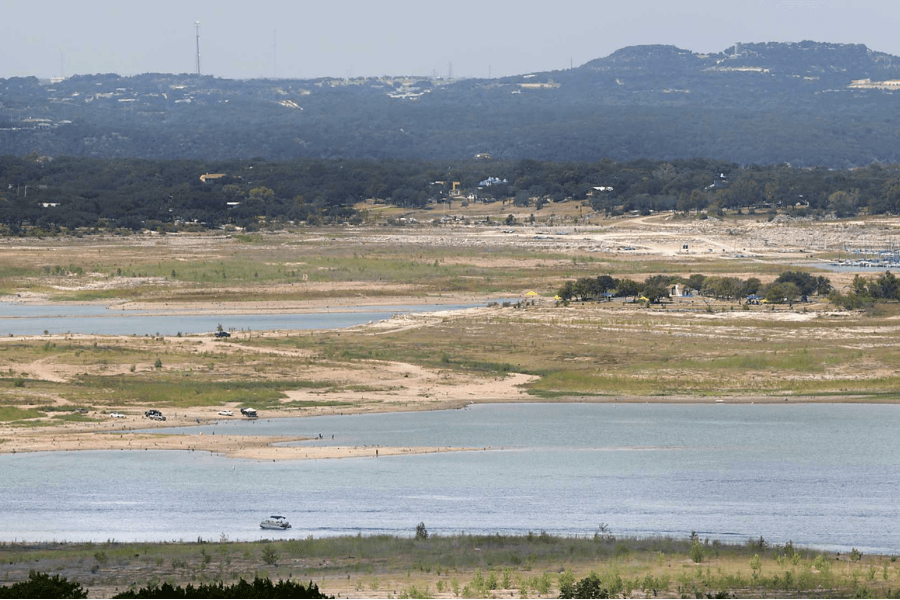
While recent rainfall has helped replenish local reservoirs to 90% capacity, Kevin Kluge, water conservation division manager at Austin Water, said long-term conservation remains essential to ensuring a reliable water future for the region.
“Our region’s water conservation success depends on Austin’s residents and businesses using less water as we head into the future,” Kluge said.
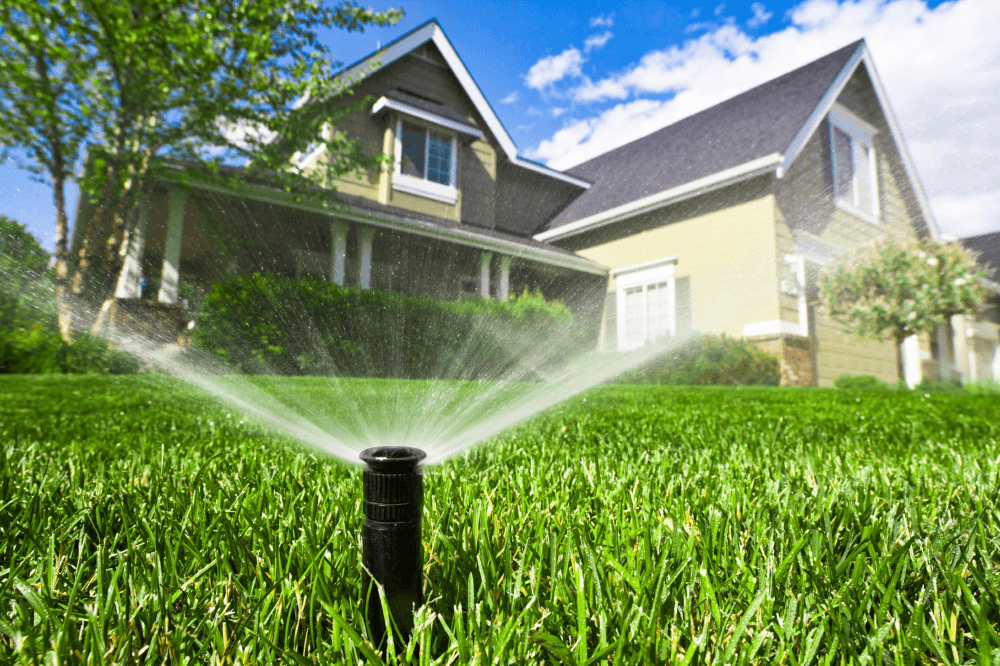
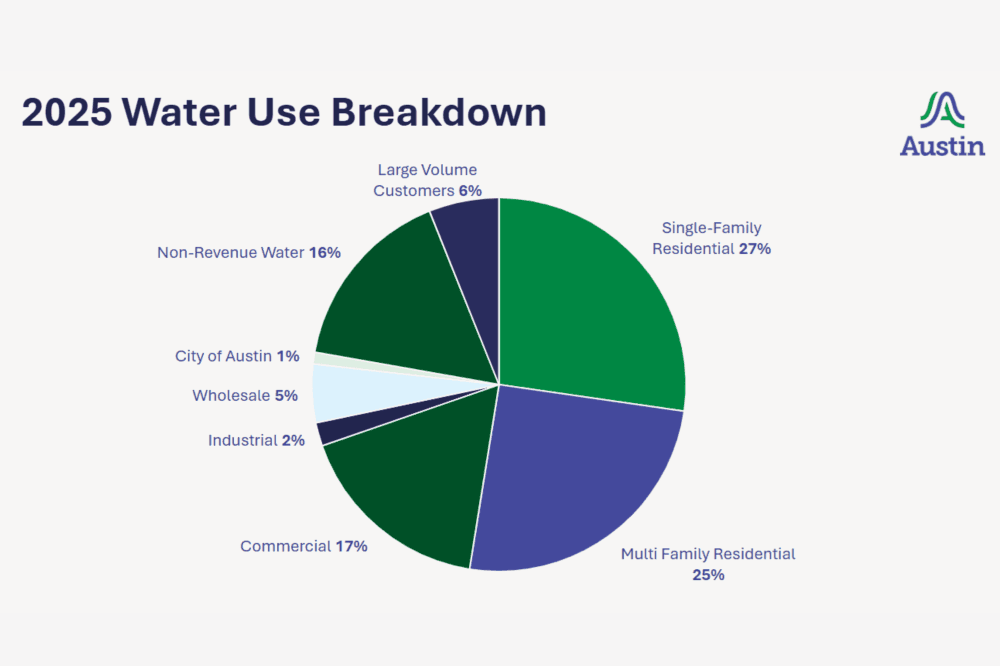
One of the greatest opportunities for conservation lies in landscape irrigation. Here in the Austin area, residential and commercial irrigation account for more than 30% of annual water usage. Because outdoor watering is easier to adjust than many indoor uses, small changes can have a meaningful impact on both water savings and monthly utility bills.
How can homeowners create a more water-efficient landscape?
The first step toward reducing irrigation needs begins with the landscape itself.
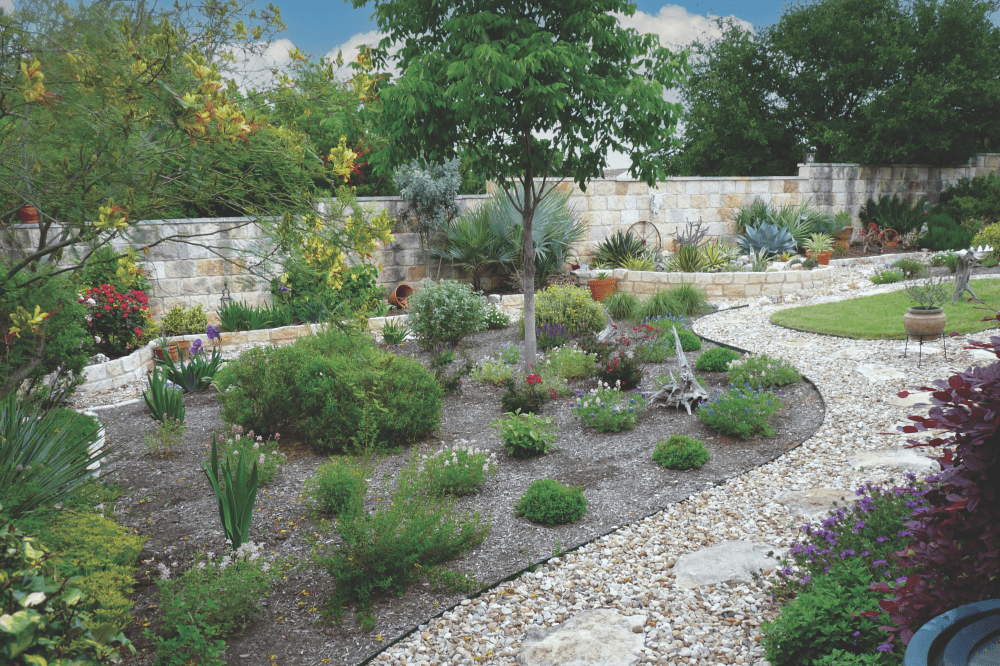
Kluge encouraged residents to choose plants that are well-suited to Central Texas conditions and to focus on improving soil health. Native and adaptive plants require less supplemental watering once established, and are better equipped to handle the region’s heat and drought conditions.
Resources such as the Grow Green Guide and landscape design templates from local conservation programs can help homeowners select appropriate plants and create attractive, water-wise landscapes.
Hand watering and hose-end watering are also effective options because they allow homeowners to apply water exactly where it is needed, reducing waste.
What should homeowners know about automatic irrigation systems?
For homeowners who use automatic irrigation systems, proper maintenance and programming can significantly improve efficiency.
Kluge recommended scheduling an annual irrigation system checkup with a licensed irrigator, ideally before the hottest months of the year. Early inspections can identify leaks, broken sprinkler heads and other issues before they result in months of wasted water.
Another common issue is irrigation controllers that are programmed incorrectly. Many homeowners are unaware that their systems may be running more frequently than intended, particularly because irrigation often occurs overnight.
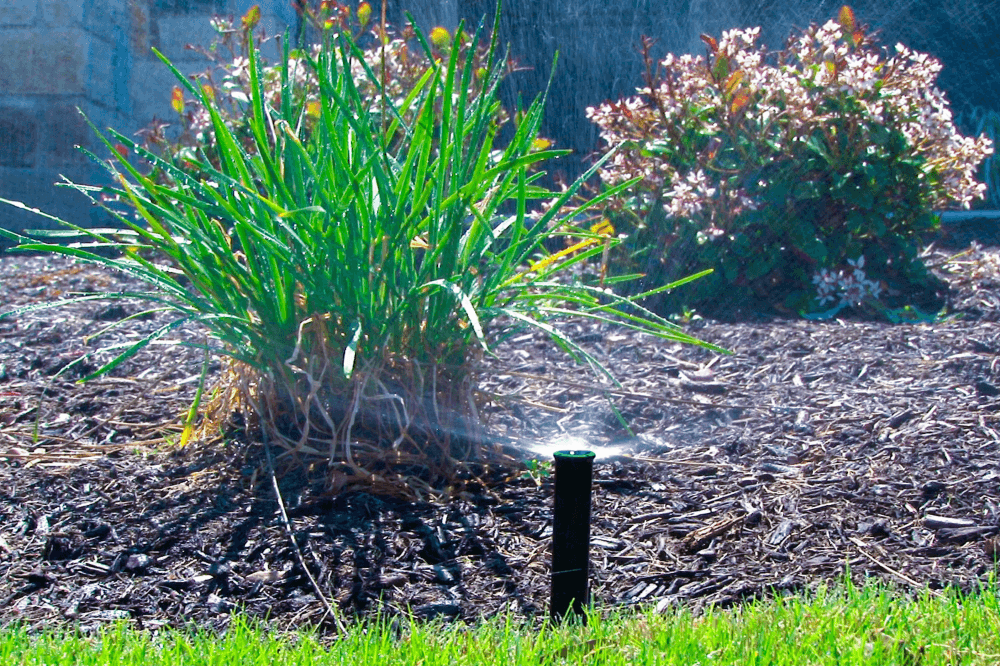
Austin’s year-round watering schedule allows customers with automatic irrigation systems to water one day per week, based on their address. Understanding and adjusting irrigation controllers to match those requirements can prevent unnecessary water use.
New homeowners should pay special attention to their irrigation settings, as systems may have been programmed by builders or landscapers to water more frequently while newly installed plants become established.
How can technology help monitor water use?
Austin Water’s My ATX Water portal gives customers greater visibility into their water consumption through smart meter technology.
The system tracks water use hourly, allowing customers to identify patterns and spot potential issues. Residents can also sign up for leak alerts and high-use notifications that provide an early warning when water usage suddenly increases.
By combining water-wise landscaping with regular irrigation maintenance and smart monitoring tools, homeowners can better manage outdoor water use while reducing monthly expenses.
What rebates are available?
To encourage conservation, Austin Water offers several rebate programs designed to help residents improve landscape and irrigation efficiency.
The WaterWise Landscape Rebate assists homeowners who replace water-intensive turf areas with landscaped beds that require less irrigation.
The utility also offers irrigation upgrade rebates for improvements such as:
- Installing rain sensors that prevent irrigation systems from running after rainfall
- Converting spray irrigation to drip irrigation
- Installing pressure-regulating sprinkler heads that reduce mist
These upgrades help ensure water reaches plants more effectively, while minimizing waste caused by evaporation and overspray.
Conserving water for the future
For Kluge, water conservation is about turning long-term planning into real-world action. He previously worked on statewide water planning and drought projections.
“I was drawn to Austin Water because of the chance to be involved in the implementation of these much larger ideas,” Kluge said. “Now, I’m able to work with Austin businesses and residents to put these ideas on how to save water into action.”
As Austin continues to grow, conservation efforts will remain an important part of maintaining a reliable water supply.
By making thoughtful landscaping choices, monitoring irrigation systems and taking advantage of available rebates, residents can play a meaningful role in protecting one of the region’s most valuable resources while saving money.
Click here to learn more about Austin Water today.

The above story was produced by Senior Multi-Platform Journalist Sydney Heller with Community Impact's Storytelling team with information solely provided by the local business as part of their "sponsored content" purchase through our advertising team.