
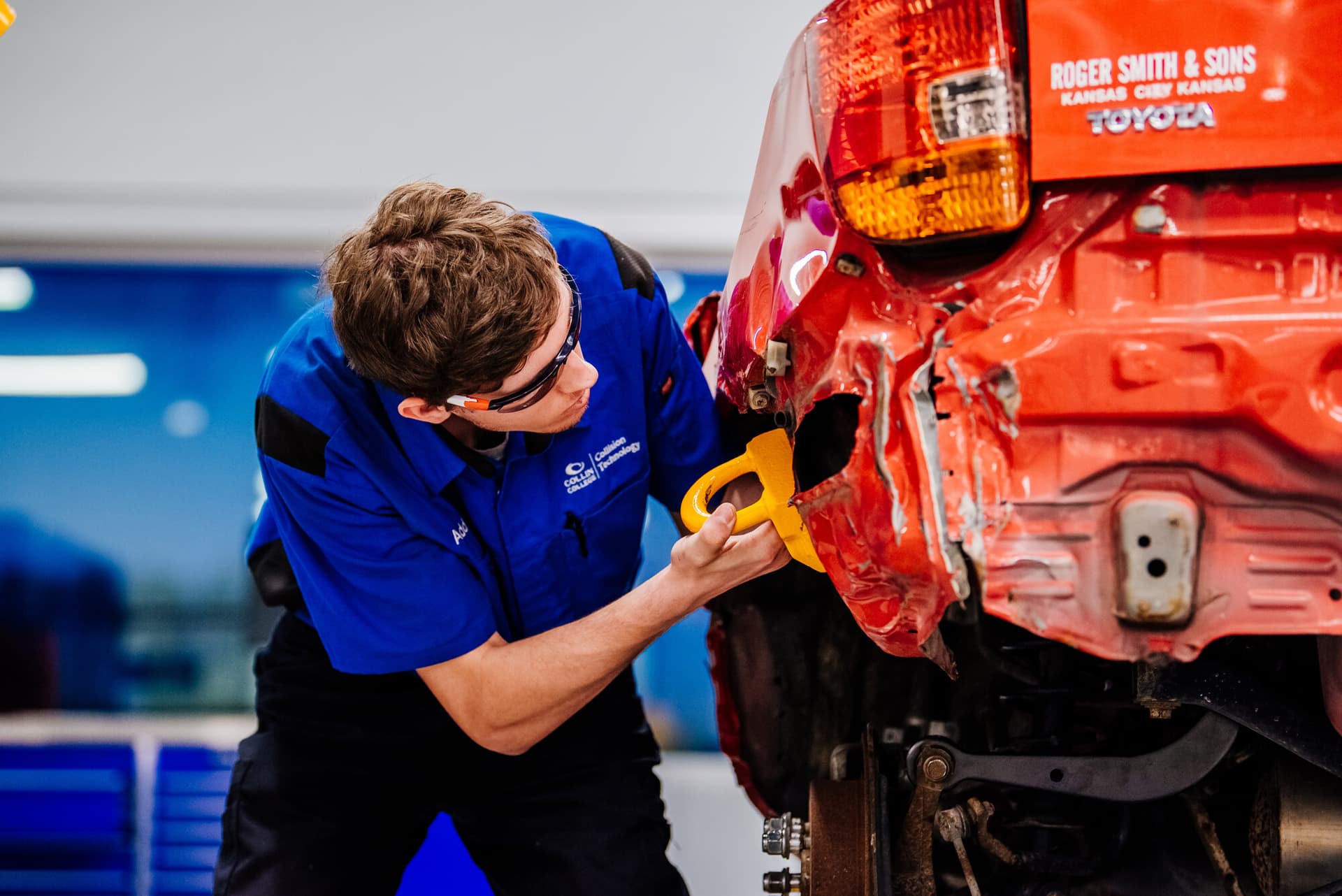
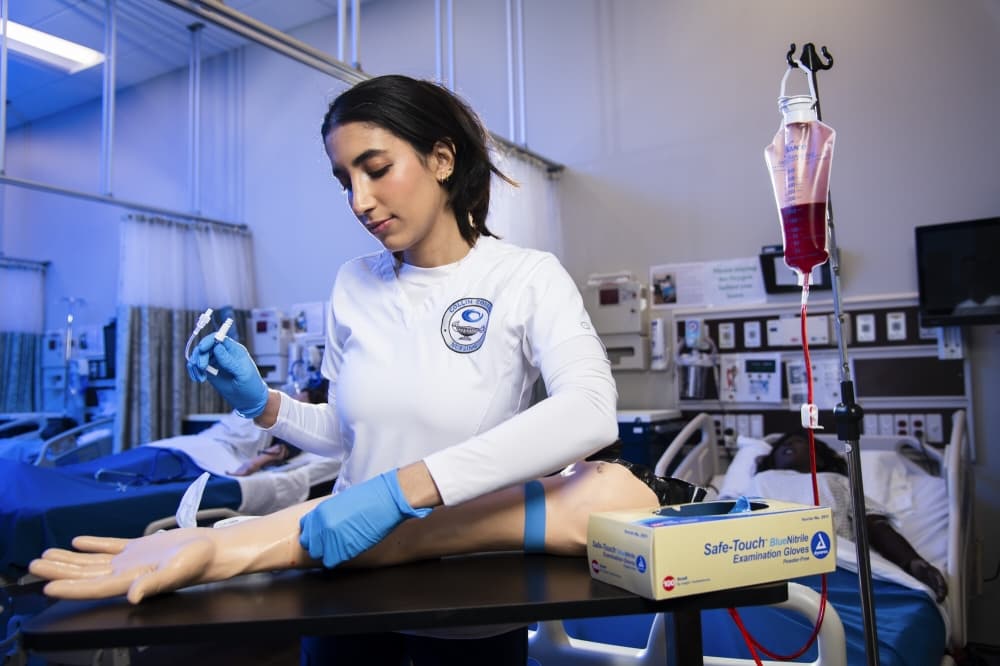

For students preparing for careers in fields such as construction, health care, IT, automotive and HVAC, understanding how to do the job is only part of the equation.
At Collin College’s Technical Campus, industry partnerships help connect classroom knowledge to what students will encounter in the workplace, so they are ready to step directly into their roles right after graduation.
How do industry partners help shape the student experience?
Dr. Brenden Mesch, provost of the Technical Campus, said that Collin College’s workforce programs maintain relationships with employers, chambers of commerce, ISDs and regional workforce organizations to provide students with specialized training, equipment and more.
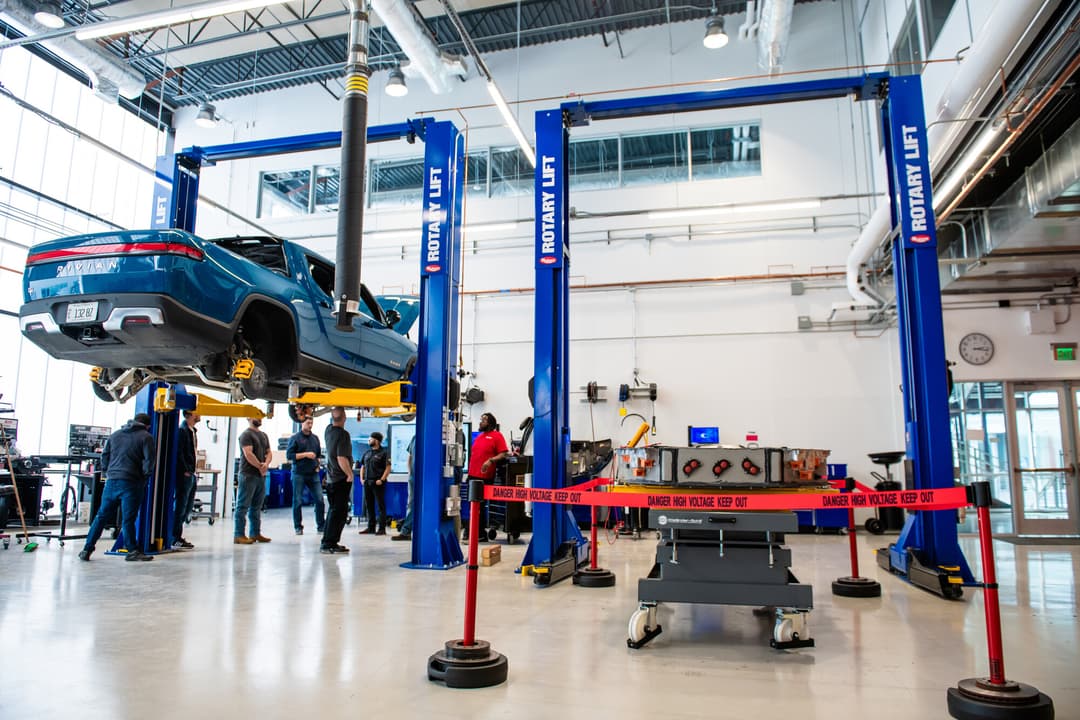
Automotive students, for instance, participate in programs with Toyota, Honda and Rivian that bring vehicles and diagnostic tools into the classroom.
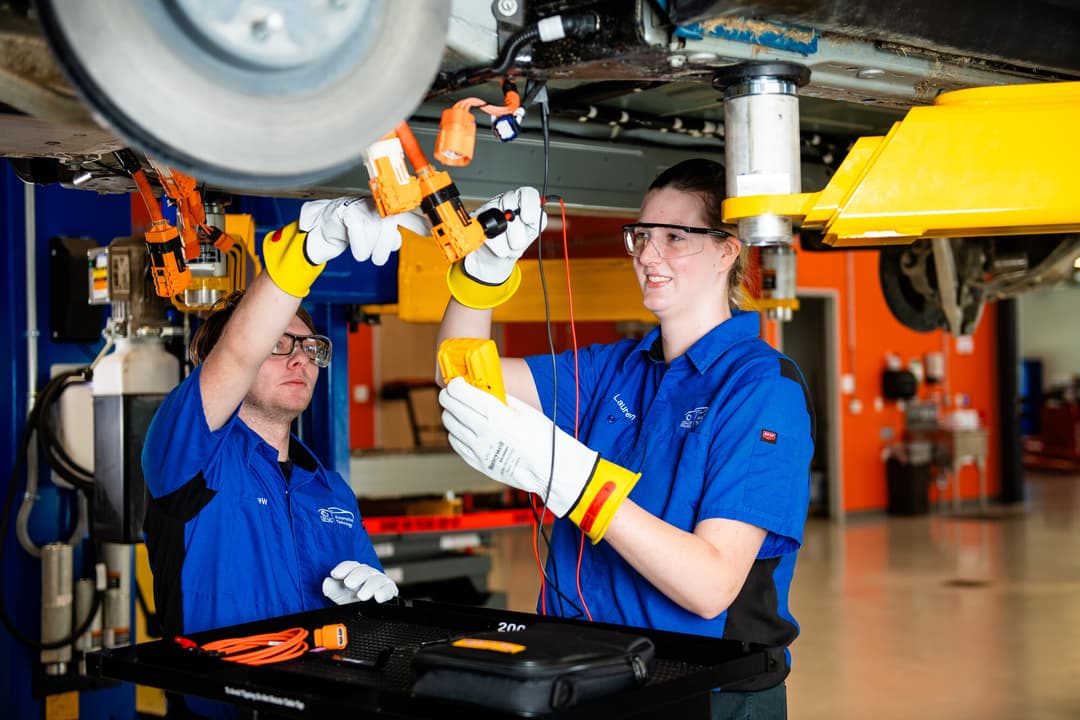
Through summer internships and co-ops, partnerships also offer students experience working in their fields while they are still in school. In programs like HVAC, this work helps students discover options beyond residential settings, such as commercial, industrial and refrigeration careers.
To ensure students are not pulled into full-time roles prematurely, Mesch noted that Collin College works with employers to ensure work schedules allow students to finish their degrees.
How does Collin College keep programs aligned with workforce needs?
Employers coordinate with Collin College through workforce advisory committees, giving them a role in shaping the programs.
“The initial stages involve employers giving us a sense of what they want in an entry-level employee,” Mesch said. “Over time, they give us feedback on what they're seeing in our students as they work with them in an internship, co-op or full-time employment opportunity after graduation. It's a bidirectional relationship of communicating and helping each other. Hopefully, along the way, we can incrementally improve our programs for students and our relationships with those community members.”
That employer feedback gives the college a way to validate that students are learning essential soft skills, such as workplace communication and professional habits, which are difficult to test in a traditional classroom.
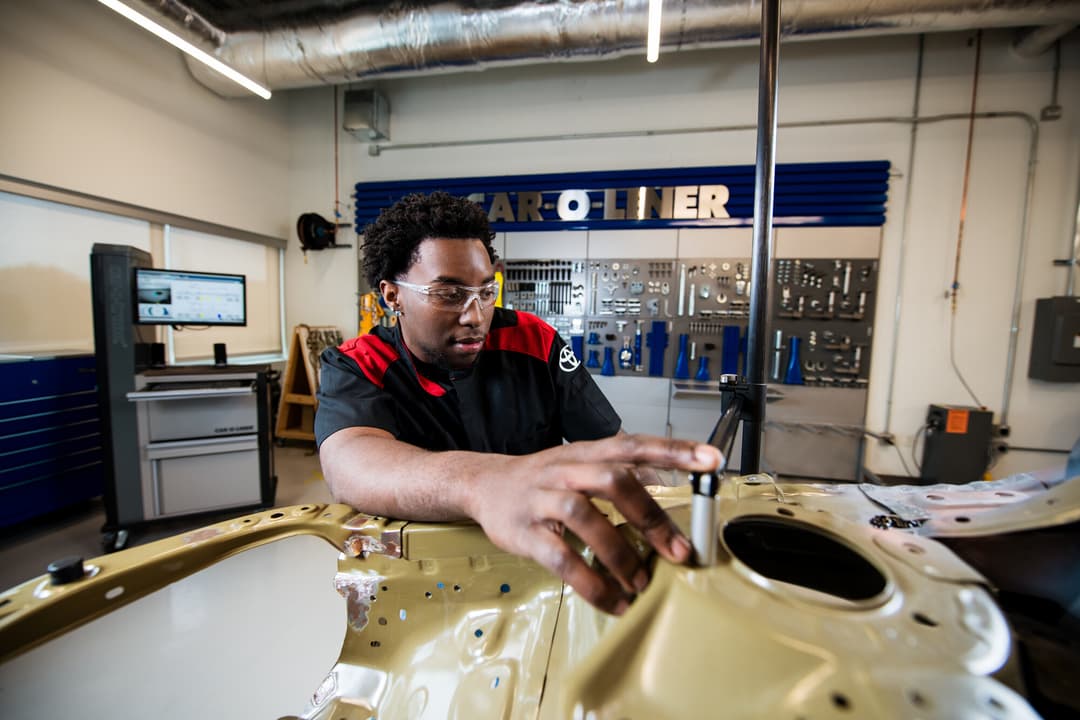
They also help the campus stay ahead of emerging technology. Artificial intelligence, for example, has become a frequent topic as employers ask how students are learning to integrate new tools into their workflow.
“They may tell us there are things they’re seeing [that will emerge] in the next five years that we need to integrate into our curriculum. A great example is artificial intelligence,” Mesch said. “We've enacted initiatives going back three years to really help our faculty, staff and ultimately our students establish a comfort level [with AI].”
Are there any new partnerships at the Technical Campus?
Collin College will be furthering its current OSHA partnership with OSHA Alliance. The college already incorporates OSHA 10 and OSHA 30 certifications into its construction programs and offers a specialized Construction Safety program, which is only offered at one other community college in the nation.
The new alliance expands that relationship by bringing federal training resources and OSHA professionals directly to campus.
“It allows OSHA a venue and a platform in which they can work more directly with future safety managers as well as existing safety managers in the construction industry,” Mesch said.
What’s next for Collin College’s Technical Campus?
Collin College is continuously studying market data to expand its workforce programs.
“Nothing is out of the question as long as it's something that we could offer with the technology [and faculty] that's available,” Mesch said. “For example, if we have a cutting-edge program and we can't find faculty, that may give us pause. … [There are] variables behind how decisions are made and when we might launch something.”
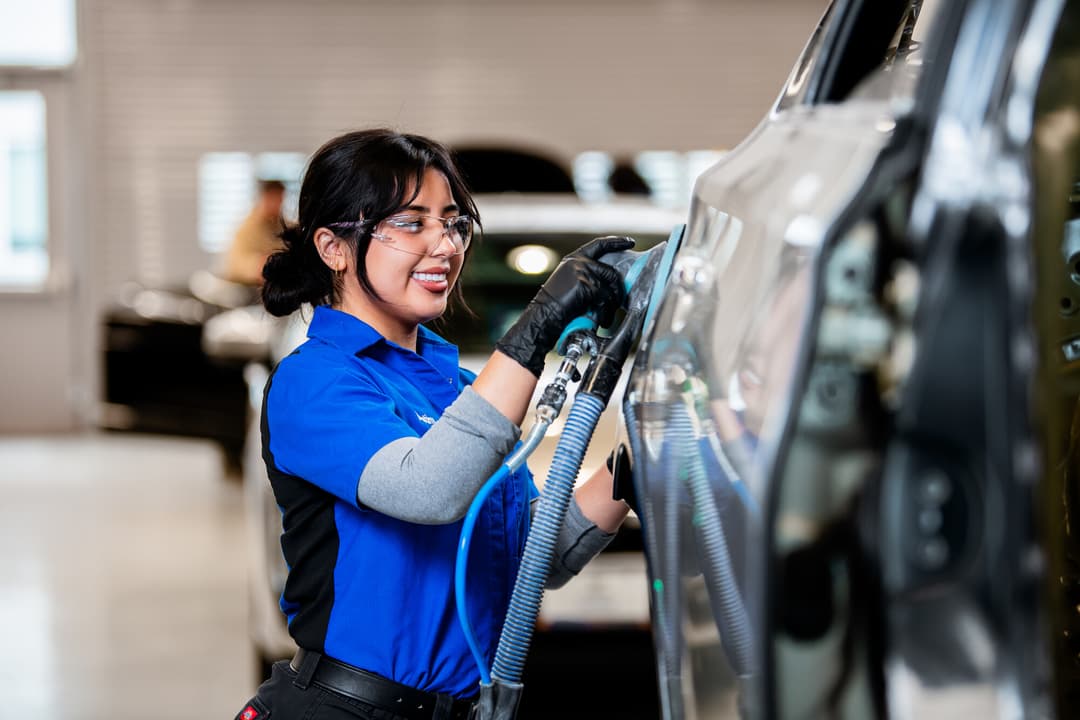
As those future programs take shape, the campus remains focused on its core mission: creating a space where students gain practical experience from industry leaders and local employers play a direct role in preparing their future teams.
Those interested in learning more can find resources here:
Phone number: 972-553-1290
Address: 2550 Bending Branch Way, Allen
Hours: Mon., Tues., Thu., 8 a.m. to 5 p.m., Wed. 8 a.m. to 7 p.m., Fri. 9 a.m. to 5 p.m.
Frequently asked questions
What career fields are represented at Collin College’s Technical Campus?
The Technical Campus offers targeted workforce preparation in high-demand fields including automotive, construction, HVAC, health care and IT.
Which major industry partners work directly with these programs?
The college maintains relationships with leading employers and manufacturers, including Toyota, Honda, Rivian and OSHA, to bring real-world equipment, diagnostic tools and specialized training into the classroom.
How do students gain hands-on experience before graduating?
Students participate in summer internships and co-ops to practice technical skills, develop soft skills (such as workplace communication and professional habits) and explore diverse career paths, such as commercial or industrial HVAC roles.
The above story was produced by Senior Multi-Platform Journalist Sydney Heller with Community Impact's Storytelling team with information solely provided by the local business as part of their "sponsored content" purchase through our advertising team.