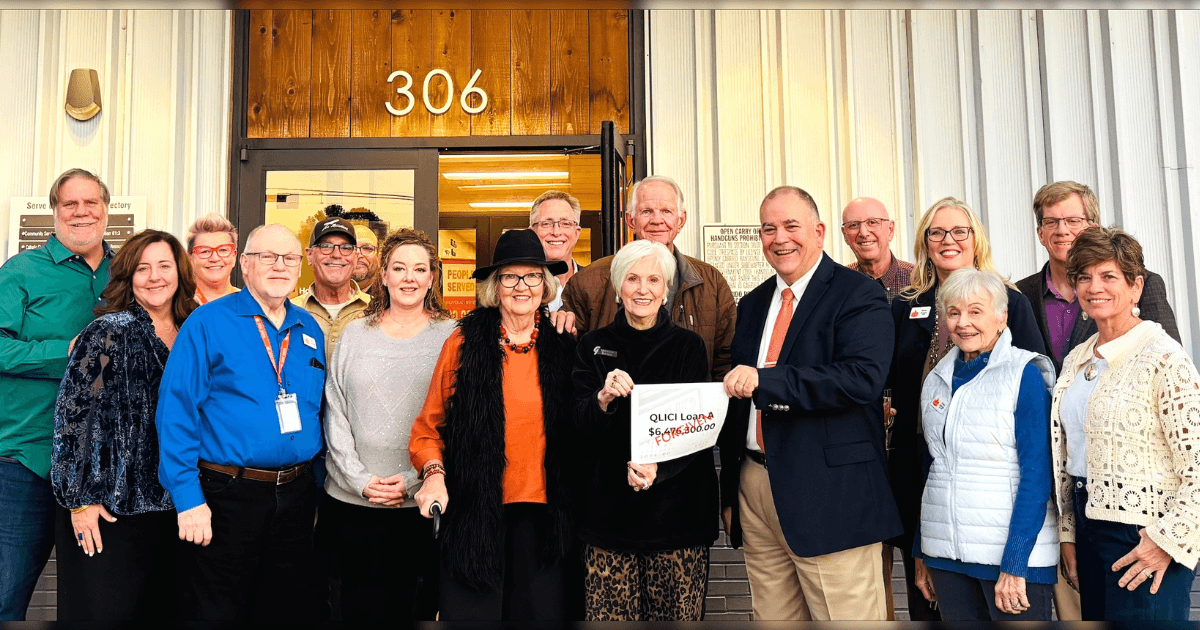

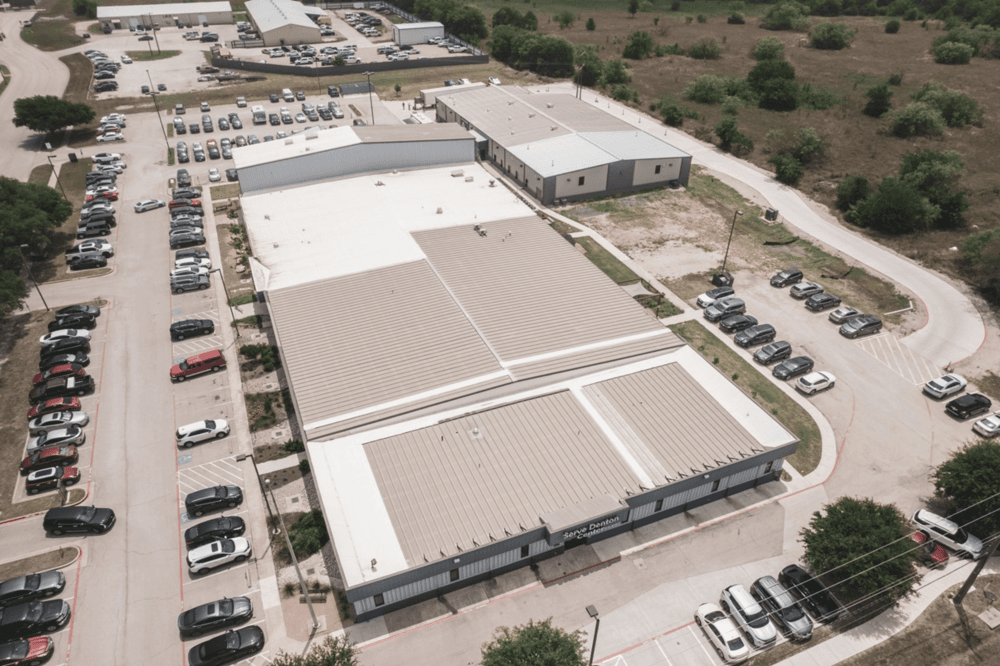
Access to services and effective delivery are two major challenges nonprofits face. Serve Denton was created to address both.
“We wanted to make it easier for people to find help,” Chief Executive Officer Pat Smith said. “At the same time, we want to help nonprofits operate in spaces that support the work they’re passionate about.”
Today, that mission has expanded into a collaborative model—bringing organizations under one roof while equipping them with the tools to succeed.
A shared space with a bigger purpose
Serve Denton functions as a shared space and support system. It was created to address two challenges: people in need had to travel across town to access multiple services, and nonprofits struggled with limited, low-quality office space that hindered their programs.
The work is guided by five core values—collaboration, accountability, respect, empathy and service—which shape organizational operations and staff support for partners. Leadership emphasizes a culture of servant leadership, hiring for passion and training for skills.
Today, Serve Denton helps organizations overcome these barriers through three key programs:
- Networking program
- Education and training programs
- Developer management services
Each program helps nonprofits operate more effectively and focus on serving the community.
Networking Program
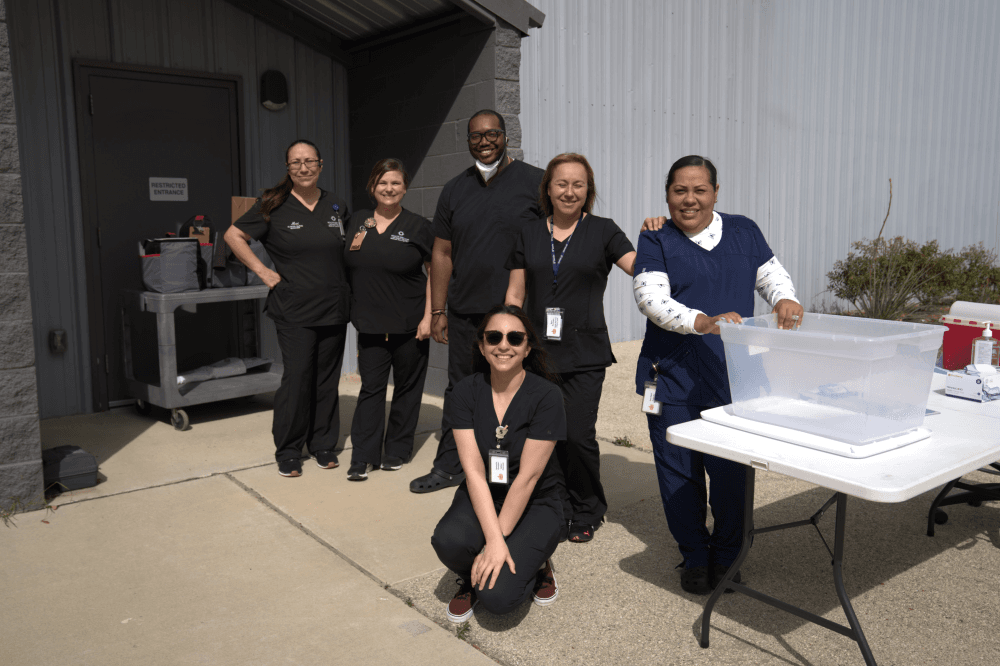
The networking program is at the heart of Serve Denton’s collaborative model. The center brings together 25 nonprofit organizations focused on health and human services, creating a shared ecosystem for connection, collaboration and support.
Some organizations lease dedicated office space on site, while others participate as members—paying a low annual fee for access to meeting rooms, shared resources, and the facility throughout the week. This flexible model allows newer or smaller nonprofits to plug into the network without the cost of a full-time office.
Being part of the networking program gives organizations access to shared services, including reception, IT support, marketing assistance and more. By removing these operational burdens, nonprofits can focus more on serving the community while building relationships with peers, partners and the larger network at Serve Denton.
Education and training programs
Serve Denton’s education and training programs focus on strengthening leadership and operations—helping organizations build a strong foundation to grow and serve effectively.
The Leading with Excellence program centers on servant leadership, offering a two-hour introductory workshop and a more in-depth 16-hour course. Participants gain practical tools to lead themselves, guide teams and build stronger organizations with clarity and purpose.
The Operating with Excellence program focuses on improving systems and processes. Developed with the Toyota Production System Support Center, it teaches organizations to streamline workflows, reduce inefficiencies and create consistent, effective operations in a nonmanufacturing setting.
“Our Leading with Excellence program has a 93% Net Promoter Score, and Operating with Excellence has a 100%,” Smith said. “That tells us participants leave with usable tools to strengthen their organizations.”
Developer management services
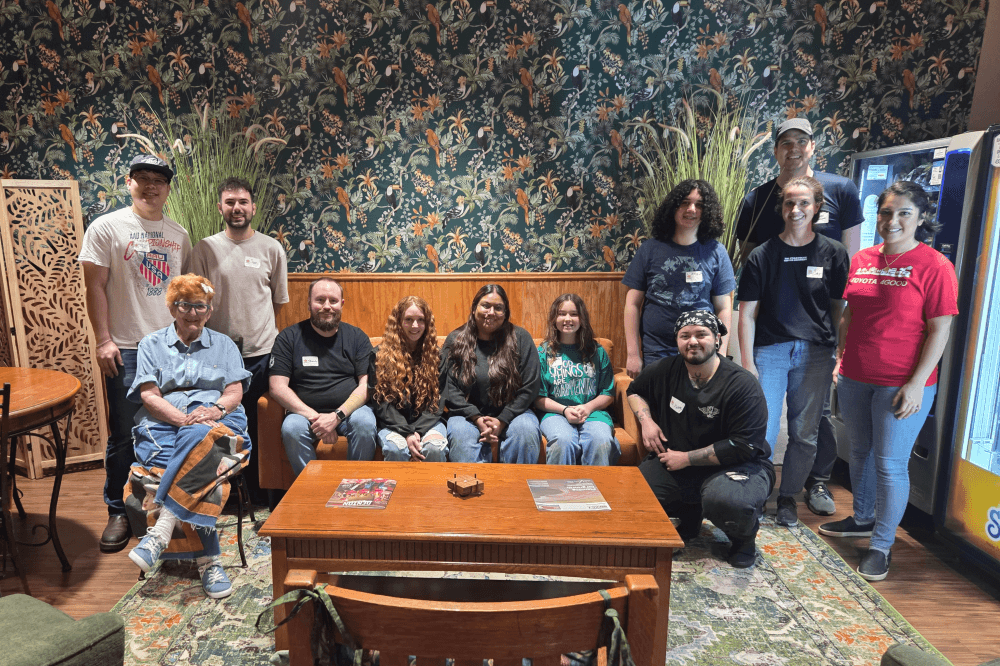
Serve Denton’s Developer Management Services program extends its impact beyond Denton, helping other communities replicate the model. It partners with cities and organizations to conduct feasibility studies and guide the development of similar nonprofit centers.
If a project moves forward, Serve Denton supports the process—from planning and design to operations, funding and long-term sustainability. By sharing the systems and lessons learned from its experience, the organization helps communities avoid challenges and build a strong foundation.
The goal is to expand access to this collaborative model so more communities can better serve their residents. Cities such as Garland and Plano are exploring versions of the model.
A model in action
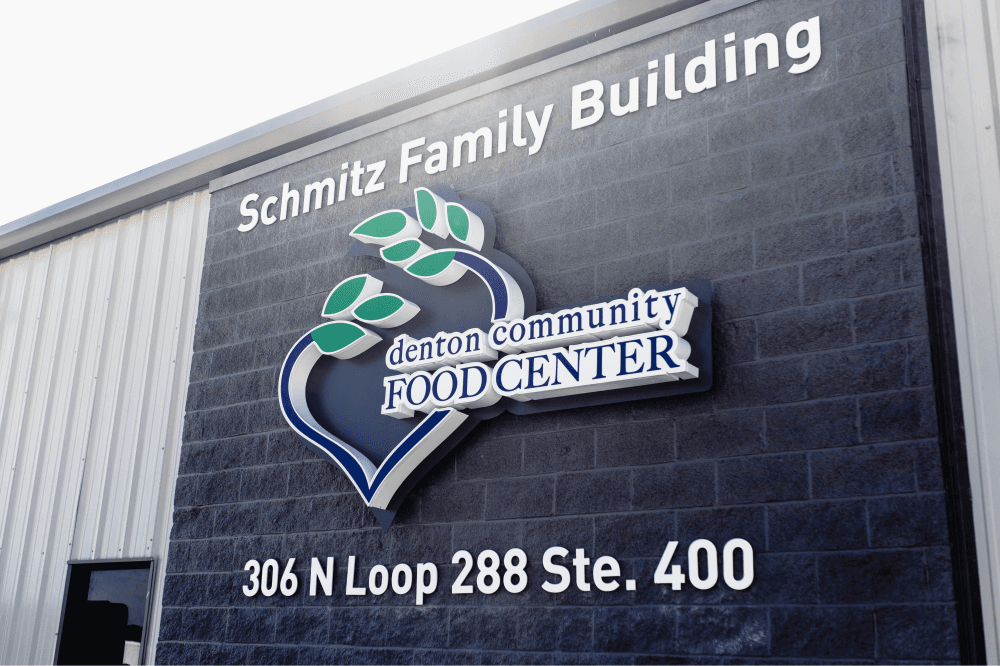
The impact of Serve Denton’s model can be seen in organizations like the Community Food Center. Once operating out of five separate buildings, the organization faced limitations in space and efficiency.
Since joining the Serve Denton network, it has expanded from serving about 30 to nearly 170 people daily while improving quality, including access to fresh meat and produce.
“We’ve seen organizations transform with the right space and systems,” Smith said. “The Community Food Center has operated more efficiently, improved its services and reached more people.”
What’s next at Serve Denton?
Upcoming opportunities include a servant leadership workshop on May 28, with a shortened version by the Lake Cities Chamber presentation on June 10.
Serve Denton will host its annual dragon boat race at the end of June, bringing together partners and the community.
To learn more or discover upcoming events, click here.
The above story was produced by Multi-Platform Journalist Chloe Chapel, with the Community Impact's Storytelling team, using information solely provided by the local business as part of their "sponsored content" purchase through our advertising team.