

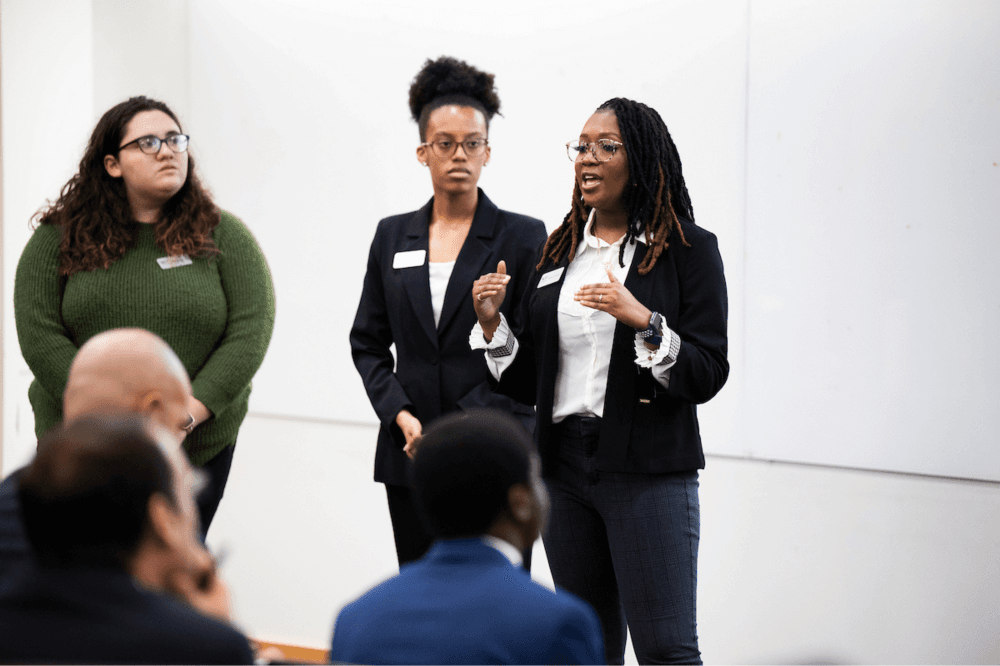
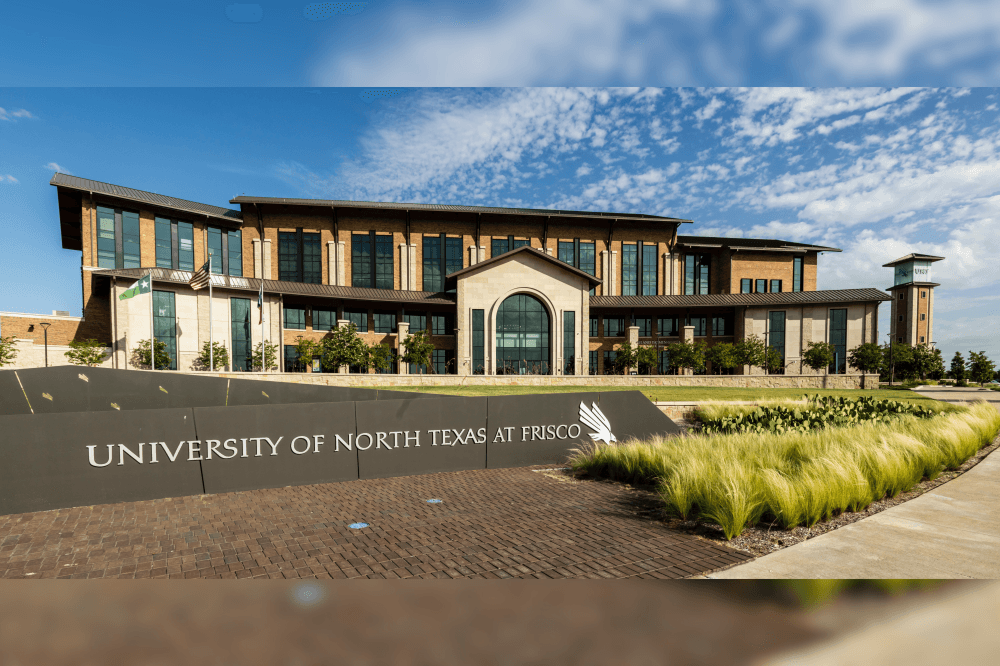
As Frisco continues to grow into a regional hub for business, health care and innovation, UNT at Frisco is sharpening its focus on one core goal: aligning higher education with the real needs of the community it serves.
Dean Michael Savoie is leading this effort alongside UNT at Frisco’s President, Harrison Keller. His approach to education is informed by 35 years of experience spanning academia, business leadership, and public service as a former mayor and city council member.
This background is paired with a deep academic foundation, including degrees in engineering and business, and a doctorate in operations management from UNT.
Since returning to the UNT at Frisco in 2018 and becoming dean in 2025, Savoie has leveraged this breadth of experience to ensure the campus stays integrated with the region’s growth.
“Our goal [at UNT at Frisco] is not to be all things to all people,” Savoie said. “We’re focusing on the needs of the community, looking at the business community, the parents, the students, the community colleges and the educational environment from K through 12-plus. We’re talking about what the workforce needs are and what the community needs are, and then we’re tailoring the offerings [at UNT at Frisco] to meet those demands.”
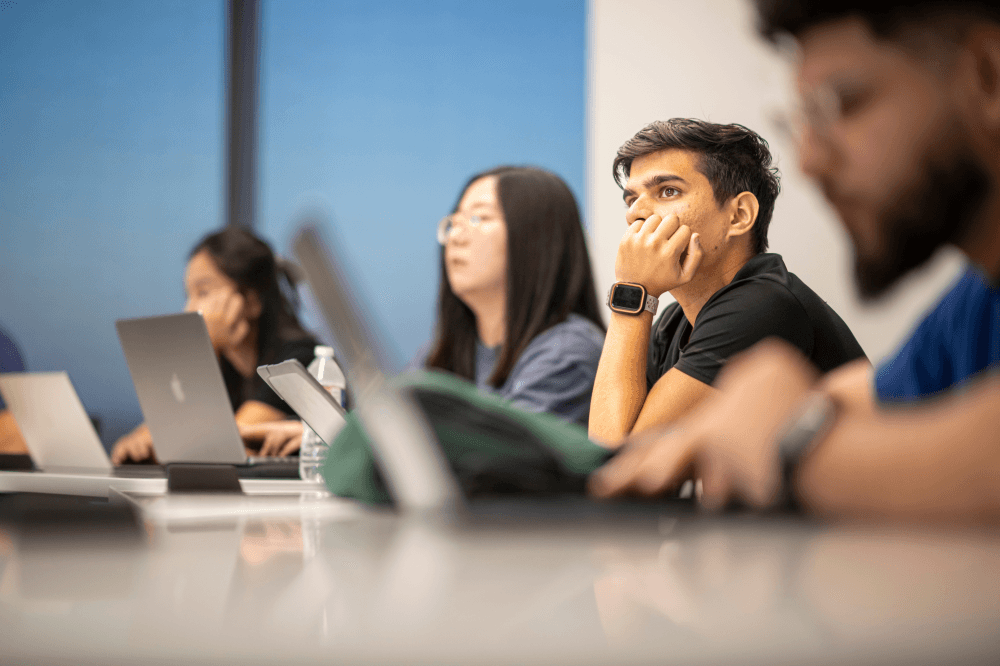
Meeting the demand: the UNT at Frisco strategy
One of the most immediate areas of focus is health, defined far beyond traditional clinical care.
UNT at Frisco is examining the full health ecosystem, including physical, mental, emotional and nutritional health.
Savoie said Frisco already has a strong foundation, with Baylor Scott & White, Texas Health Resources, Medical City and Children’s Health all operating nearby.
UNT at Frisco now offers classes for the UNT Health Doctorate in Physical Therapy. Additionally, Dean Savoie is planning to offer more courses from UNT Health, as well as courses in nursing, public health, kinesiology, hospitality and nutrition.
“We’re looking at how we can maximize the health of the community from birth until death,” Savoie said. “There’s a lot to that, so we have tremendous resources here. We’re not here to recreate the wheel, and we’re not here to replace anyone, but we bring to the table some very unique advantages.”
One of those unique advantages is their health informatics program, where students learn to analyze health data.
“Our [health informatics program] not only has health analytics, but we have AI components and ... global researchers on staff at UNT at Frisco,” Savoie said. “That component is really important. That’s the vision the President has around this concept of health and seeing how it evolves.”
In addition to health, the campus is prioritizing financial services and financial tech, as well as entrepreneurship and innovation: areas where workforce demand continues to grow.
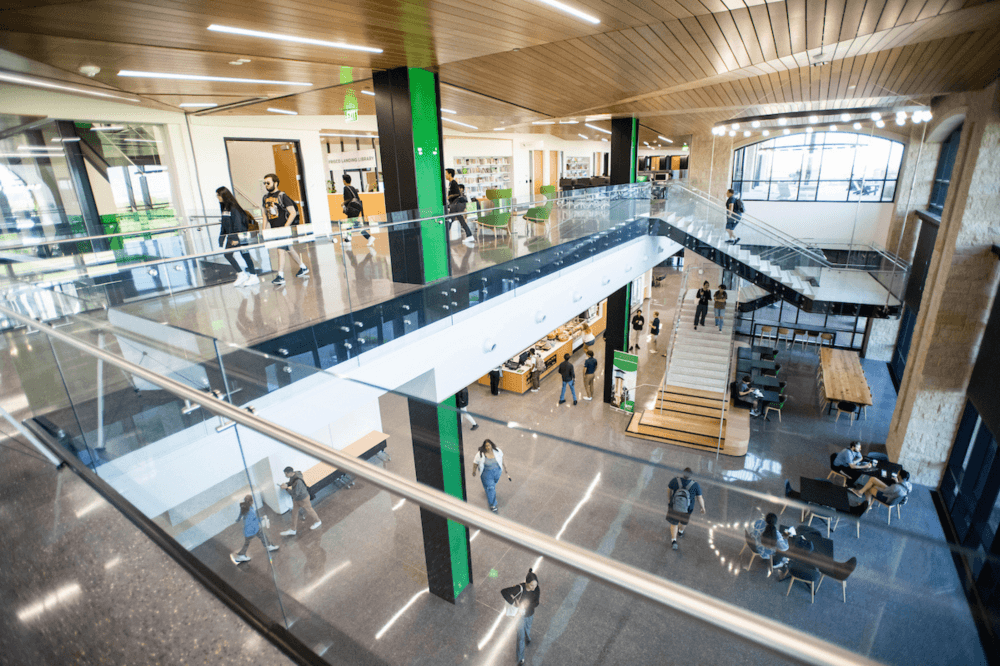
The new student success model: a 360-degree view of learning
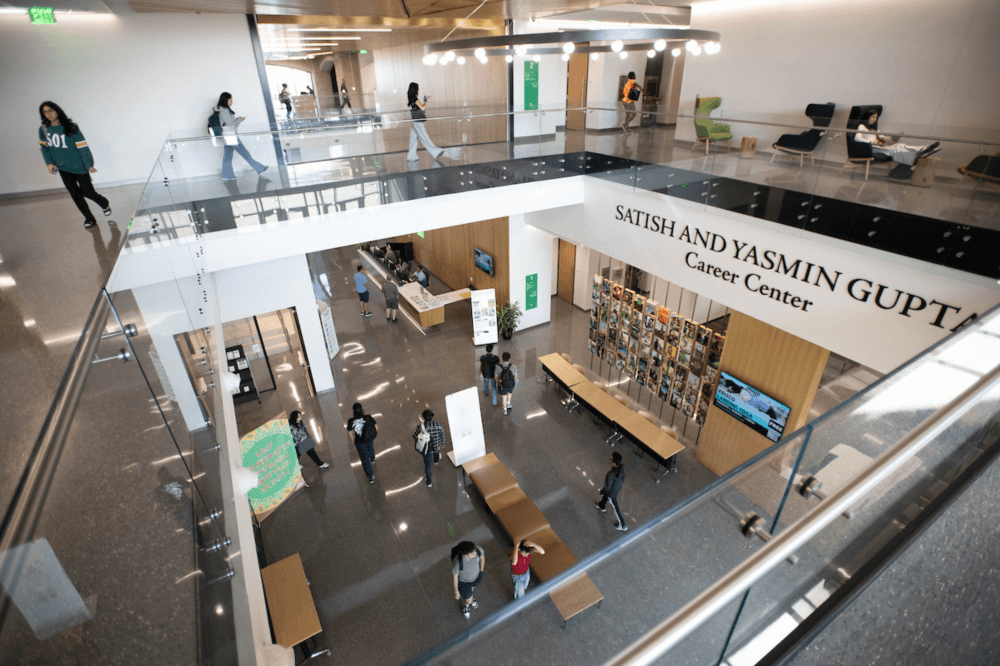
Beyond degree programs, Savoie is introducing a "student success" model that pairs academic learning with a "parallel path" of career exploration.
In addition to teaching students how to interview for jobs and create resumes, it prioritizes networking, internships, job shadowing, co-op opportunities and more.
Savoie is using his doctorate in operations management and information systems to build out the technical side of this vision. He is currently developing a system where students can visit UNT at Frisco’s website, select a career field, and see a clear map of the degrees and steps needed to get there.
The goal is to help students find their fit early, rather than waiting until their senior year to realize they are on the wrong path.
Savoie used the example of a student who wants to be a doctor but needs to work while in school. That student could earn a certificate in blood testing through a partner like Collin College, instead of working an unrelated job.
This experience provides income, builds a resume for medical school and helps the student decide if the environment is the right fit.
“Being able to create that type of holistic environment is a big part of education,” Savoie said.
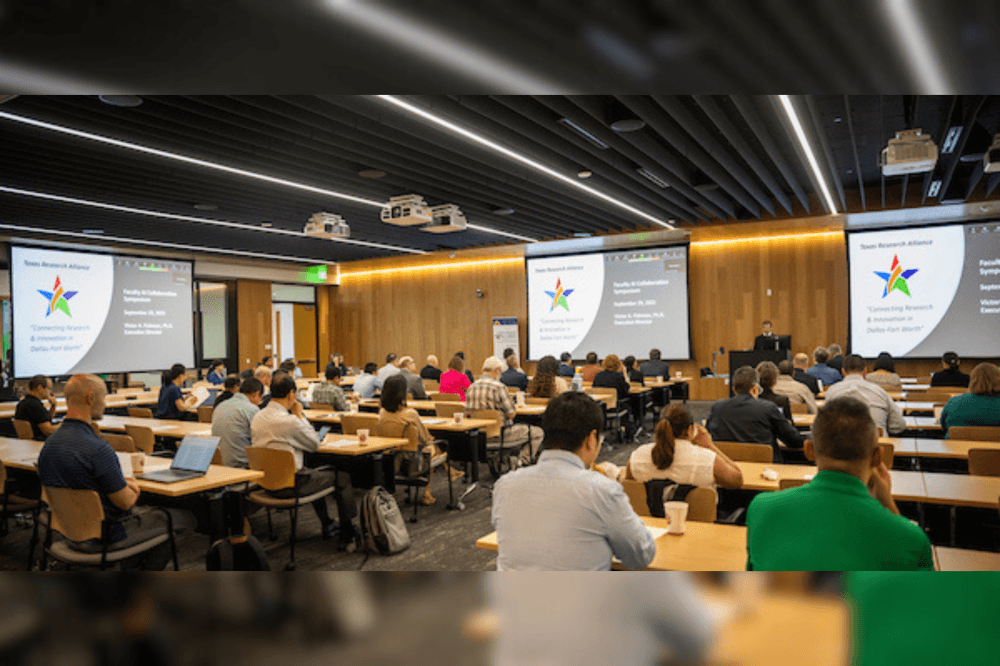
That philosophy also shapes how UNT at Frisco supports students, the moment they arrive on campus.
Savoie shared a real experience from earlier in his career: a student who arrived late to class, after struggling to find parking, ultimately left campus and went home, overwhelmed before ever stepping into the classroom.
After hearing about the incident, Savoie offered to personally walk the student to class if that happened again.
Moments like that highlight the importance of human connection in education.
At UNT at Frisco, Welcome Desk staff serve as a first point of contact for students and families who may feel unsure or intimidated. They help them navigate everything from class locations to next steps. Without this personalized support, students can be lost before their education truly begins.
“To me, when we talk about holistic education, that’s where it starts,” Savoie said. “If we miss those opportunities, a lot of times we lose those students, and we just can’t do that. It can’t be undone for the student, and it’s too much of a loss to the community.”
Looking ahead
As Frisco continues its rapid growth, Savoie sees UNT at Frisco as a long-term partner in shaping the city’s workforce and educational ecosystem.
“This is a fast-growing, very entrepreneurial, very aggressive community, and I love it. The energy is phenomenal,” Savoie said. “If we can tap into that energy to focus our efforts, I think the sky’s the limit. ... I agree with the President; his strategic plan is ‘better look North.’”
Click here to learn more about UNT at Frisco today.
The above story was produced by Multi-Platform Journalist Sydney Heller with Community Impact's Storytelling team with information solely provided by the local business as part of their "sponsored content" purchase through our advertising team.