
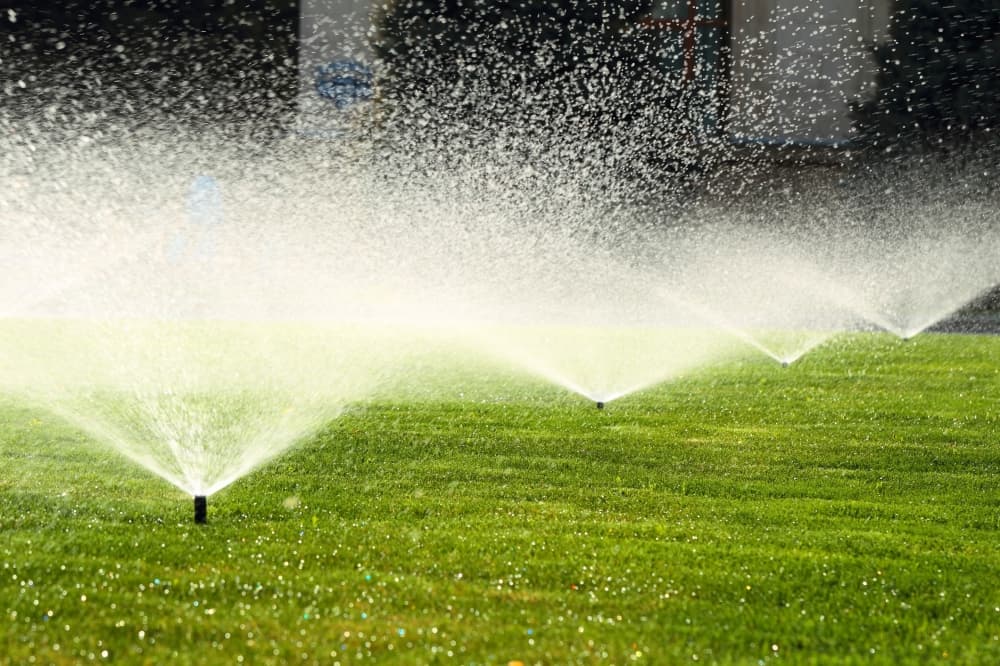
In the Upper Trinity region, outdoor watering accounts for 50% to 70% of water consumption during the summer months.
To address that demand, the Upper Trinity Regional Water District has launched its Give a Drip campaign to encourage smarter water-use habits across its growing service area.
The initiative builds on more than a decade of educational outreach, and Executive Director Larry Patterson said this year’s effort places a stronger emphasis on direct engagement with residents.
“We’re a wholesaler, so we normally don’t work with the general public; this is a unique circumstance for us,” Patterson said. “We’re moving forward to work and engage directly with the citizens themselves.”
The district is using a mix of educational programming through its website, social media platforms and local events to help spread the message.
One of the most visible components of the campaign is a new animated series featuring the Trinity Trio: three characters designed to make water conservation education more accessible and engaging for residents of all ages.
The recently released introductory video features Lawny (the lawn), Spritz (the sprinkler) and Trinity (the water) as they explain how overwatering can negatively impact lawns and landscapes.
Throughout the summer, additional episodes will be released, each focused on different conservation strategies.
The Give a Drip campaign centers on a simple pledge: water no more than twice per week as needed, avoid watering between 10 a.m. and 6 p.m., and regularly check irrigation systems for leaks, misaligned sprinkler heads or other inefficiencies.
Residents are also encouraged to use www.watermyyard.org, a free tool developed by Texas A&M University that provides location-specific watering recommendations based on real-time weather data and irrigation system type.
Instead of relying on a fixed schedule, users receive weekly guidance on when and how long to water.
“Anything we can do to educate the public and give them guidance and reminders through these emails and other tools is helpful,” Patterson said.
The team also offers a free irrigation checkup program, where conservation specialists inspect sprinkler systems, identify inefficiencies and teach homeowners how to properly operate irrigation controllers. Residents receive a written report outlining recommended repairs, along with a list of approved contractors who can complete the work.
Paired together, the free inspection and Water My Yard recommendations can save residents 1,000 to 2,000 gallons of water per week.
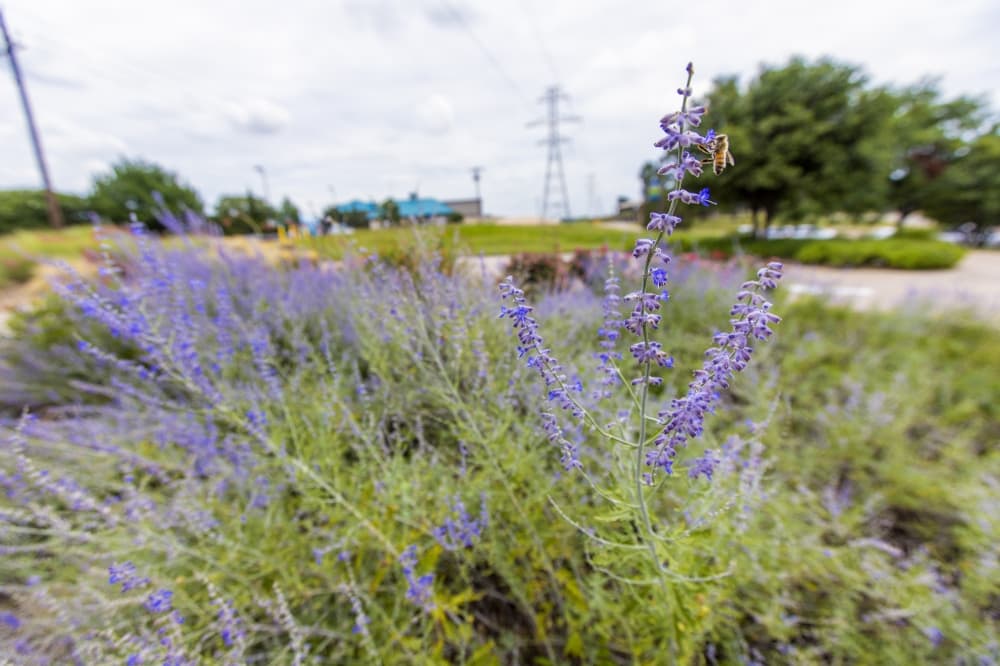
For those looking to reduce water use further, the district promotes drought-tolerant landscaping and maintains demonstration gardens at its headquarters.
The gardens showcase native plants and water-efficient designs that thrive in North Texas conditions while requiring less irrigation.
Patterson said those efforts are already showing results. Average water use per resident across the district’s service area has declined by roughly one-third since 2002.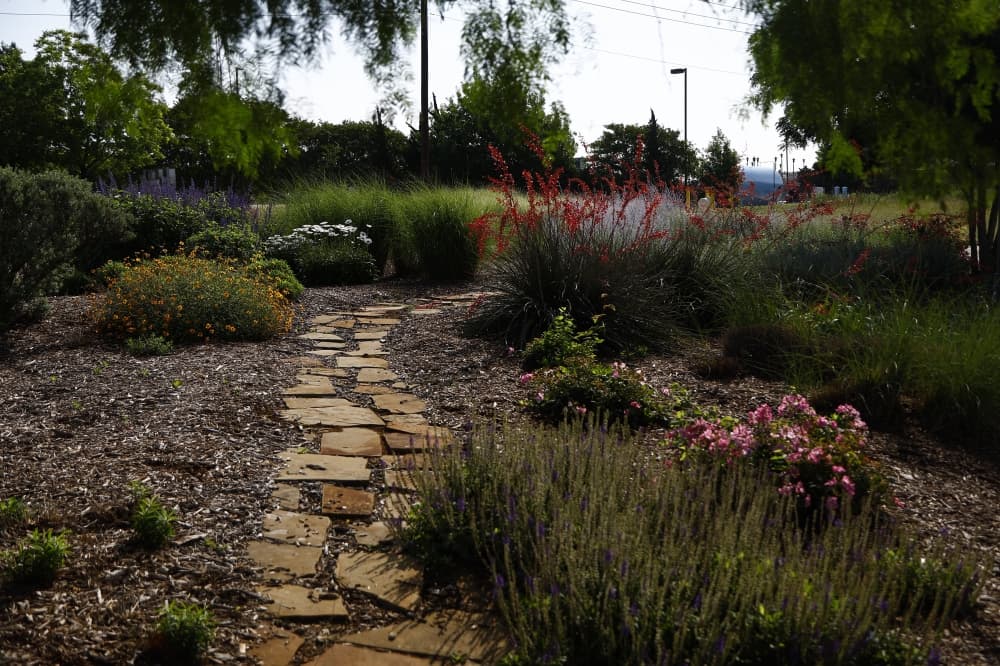
As the region continues to grow, water conservation is becoming increasingly critical to maintaining long-term system reliability and affordability.
“[Water conservation] is a lot more than being environmentally conscious; it saves money, it gives us a more reliable water source and it [helps ensure] treatment capacity is available during rapid growth,” Patterson said.
He noted that rapid development can place significant strain on local infrastructure, especially when large-scale housing projects are introduced into smaller communities.
To keep pace with growth, Upper Trinity is currently investing hundreds of millions of dollars in expanding its treatment plants across the region. However, Patterson said conservation helps reduce the need for frequent expansions.
The district is also nearing completion of Lake Ralph Hall, a reservoir project that has been in development for roughly 25 years. The reservoir, located in Fannin County, was the first new reservoir permitted in Texas since 1985.
The lake is expected to begin storing water later this year and reach more normal operating levels by summer 2027, though full fill-out will take several years.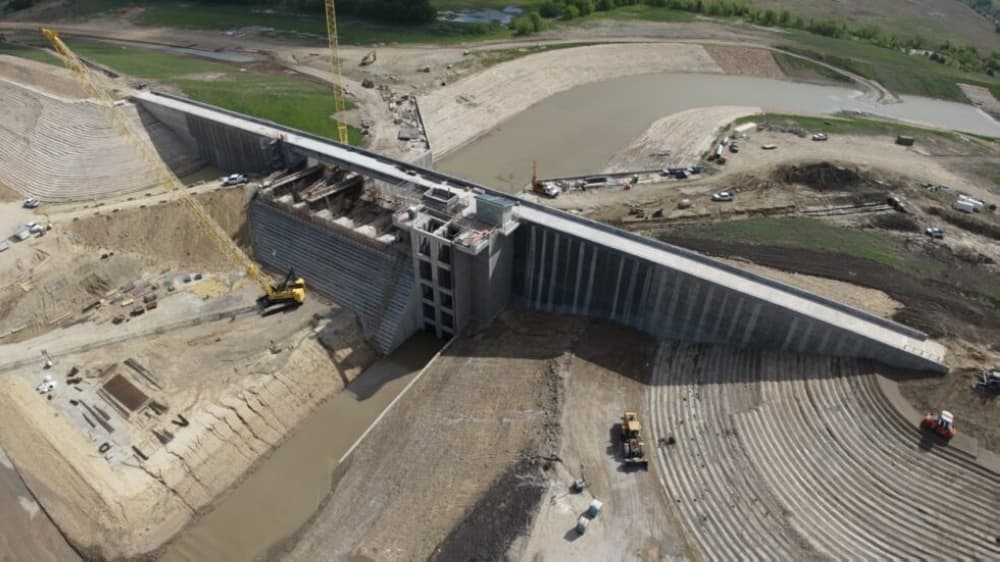
The district plans to continue expanding outreach through community events, educational programs and its growing library of digital content. The goal is to reduce water use during peak months and to build long-term habits that support a more sustainable and reliable system as the region continues to grow.
Click here to learn more about the Give a Drip campaign today.
The above story was produced by Senior Multi-Platform Journalist Sydney Heller with Community Impact's Storytelling team with information solely provided by the local business as part of their "sponsored content" purchase through our advertising team.