
For millions of Americans living with obesity, accessing evidence-based treatment has long been a frustrating, uphill battle. For many Medicare beneficiaries, coverage for GLP-1 agonist medications—a class of drugs used to treat obesity—was extremely limited.
That landscape shifted July 1 with the launch of the Medicare GLP-1 Bridge Program. Designed to close a significant coverage gap, the program allows eligible Medicare patients with obesity to access certain GLP-1 treatments with a $50 monthly copay.
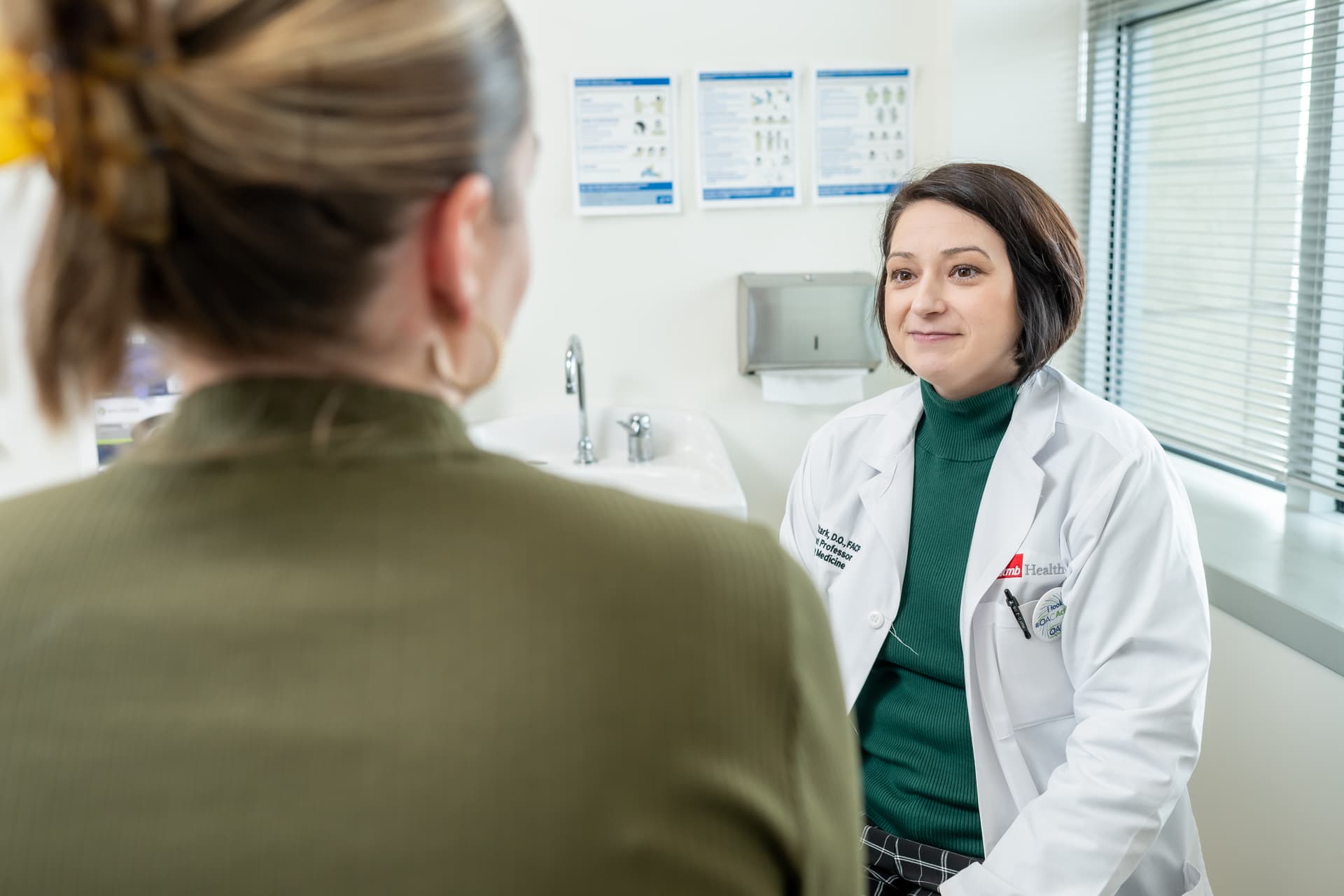
Dr. Andrea Stark, an obesity medicine specialist at UTMB, said the initiative is a landmark development.
“Prior to July 1, GLP-1 agonist coverage for obesity under Medicare Part D was extremely limited and rare,” Stark said. “The Medicare Bridge Program creates a vital pathway for patients who meet specific BMI and comorbidity criteria to access these treatments.”
Who qualifies for the GLP-1 Bridge Program?
The program covers specific medications in the GLP-1 agonist class, including the weekly injectables Zepbound and Wegovy, as well as oral medications such as Foundayo and oral Wegovy.
To be eligible, patients must have Medicare Part D coverage and meet specific clinical criteria. Generally, this includes individuals with a BMI of 35 or higher, or those with a BMI of 27-34.9 who have specific obesity-related health conditions, such as prediabetes, a history of heart attack or stroke, symptomatic peripheral arterial disease, heart failure or chronic kidney disease.
There are also exceptions. Patients who already receive Medicare Part D coverage for a GLP-1 medication under another approved indication, such as Type 2 diabetes, certain cardiovascular conditions or moderate-to-severe obstructive sleep apnea, are not eligible for the Bridge Program.
Stark encourages people who are unsure whether they qualify to talk with a physician rather than assuming they are not eligible.
Are GLP-1s cheating?
A common misconception—and a barrier to seeking care—is the idea that medications for weight management are a “shortcut” or a “cheat.” Stark is quick to challenge that narrative.
“I don’t think anyone should ever consider it a cheat,” she said, drawing a parallel to other chronic diseases. “If you have a patient with diabetes or high cholesterol who has implemented diet and physical activity but is still not seeing results, we don’t call their medication a cheat. We call it treatment.”
Obesity is a chronic, biological disease that requires lifelong management and for many patients, that includes more than lifestyle changes.
Stark emphasizes that clinical obesity medicine goes far beyond a prescription. At UTMB, the approach is comprehensive.
How does UTMB help patients access GLP-1 medications?
Navigating insurance approvals and copays can feel overwhelming, but UTMB helps handle much of that work behind the scenes. Working directly with physicians and dietitians, the pharmacy team helps streamline the process so patients can focus on their health rather than paperwork.
Because UTMB pharmacists have access to the same electronic health records as prescribing doctors, they can verify Medicare Part D eligibility, review clinical notes for the $50 copay and help navigate prior authorization requirements. This close coordination can reduce the back-and-forth that often occurs between pharmacies and providers and help prevent delays in starting treatment.
Once coverage is approved, support continues with medication education, including how to use an injectable pen or follow a daily oral medication schedule. UTMB also provides free home delivery, making it easier for patients to stay consistent with long-term treatment.
“Our goal is to make the process as easy as possible for patients,” Vice President of Pharmacy Services Akeem Bale said. “Our pharmacy team works closely with your provider and Medicare plan to help navigate the approval process and answer questions along the way, so you can focus on your health rather than the paperwork.”
Looking beyond weight loss
Recognizing obesity as a chronic biological disease can help reduce the stigma that needing medication is a personal failure. Just as managing diabetes with insulin isn't “cheating,” GLP-1 therapy is a medical treatment that can be part of comprehensive obesity care. These medications may also provide broader health benefits, including reduced cardiovascular risk and inflammation.
While the Bridge Program creates a new pathway for Medicare beneficiaries, coverage options also exist through some commercial insurance plans and Texas Medicaid.
Patients interested in care, whether through the Bridge Program or other insurance options, can connect with board-certified obesity medicine specialists through the Obesity Action Coalition, self-refer to UTMB Obesity Medicine or explore metabolic health insights on UTMB’s weight management podcast.
Ready to learn more?
By bridging the gap between specialized clinical care, integrated pharmacy support and expanded coverage, the Medicare GLP-1 Bridge Program is changing how obesity treatment is delivered. Taking the first step begins with an informed conversation with a provider who understands that long-term metabolic health requires a personalized, comprehensive approach.
Check if you’re eligible by calling 832-505-3170
The above story was produced by Multi-Platform Journalist Chloe Chapel, with the Community Impact Storytelling team, using information solely provided by the local business as part of its “sponsored content” purchase through our advertising team.
Can I qualify for the Medicare GLP-1 Bridge Program if I don’t have diabetes?
Yes. The program is designed to expand access to obesity treatment. Eligibility is based on factors such as BMI, obesity-related health conditions and Medicare Part D coverage—not solely on whether a patient has diabetes.
Do I need a referral to see an obesity medicine specialist at UTMB?
Patients can self-refer to UTMB Obesity Medicine, although some insurance plans may require a referral. A primary care provider can also help determine whether a specialist visit may be beneficial.
Will I still need to change my diet and exercise habits if I take a GLP-1 medication?
Yes. Experts emphasize that lifestyle changes, including nutrition, physical activity and maintaining muscle mass, remain the foundation of obesity treatment. Medications are often used as part of a broader, personalized care plan.
What if I don’t qualify for the Medicare GLP-1 Bridge Program?
Patients may still have other options. Some commercial insurance plans and Texas Medicaid provide coverage for obesity treatment, and additional medications and care approaches may be available. Speaking with a physician or obesity medicine specialist can help determine the best path forward.