

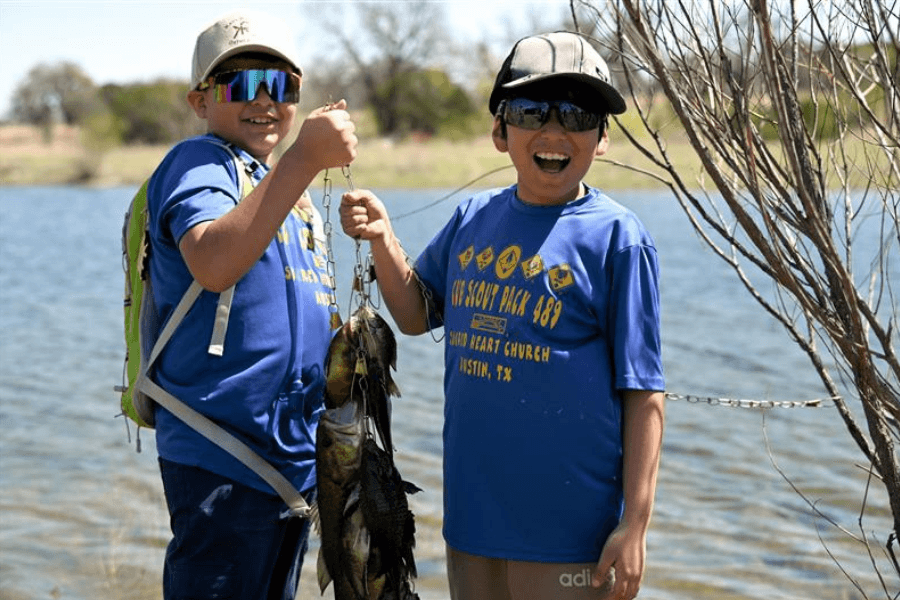
As kids grow up, finding quality time to connect as a family can be difficult, which is why many families turn to Cub Scouts.
Cub Scouts creates opportunities for parents and children to experience new adventures together, whether they are exploring the outdoors, learning a new skill or taking on a STEM challenge.
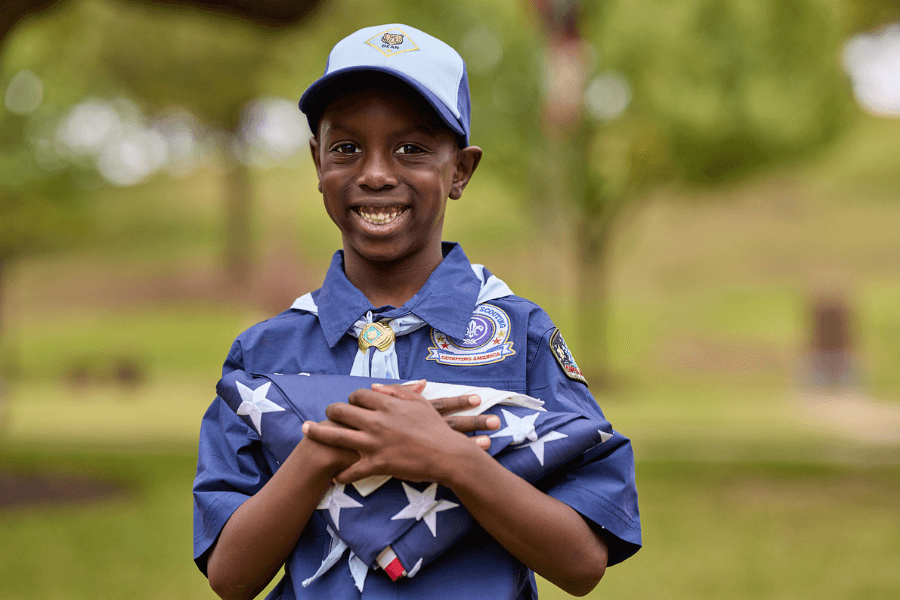
The program is open to children in kindergarten through fifth grade, with activities and experiences evolving alongside them. Kindergarteners begin as Lions, followed by Tigers in first grade, Wolves in second grade and Bears in third grade. Fourth- and fifth-graders participate as Webelos before transitioning to the next level of Scouting.
Because each age group has its own programming, children can join at any point during elementary school and immediately have a place to learn, participate and build friendships with their peers.
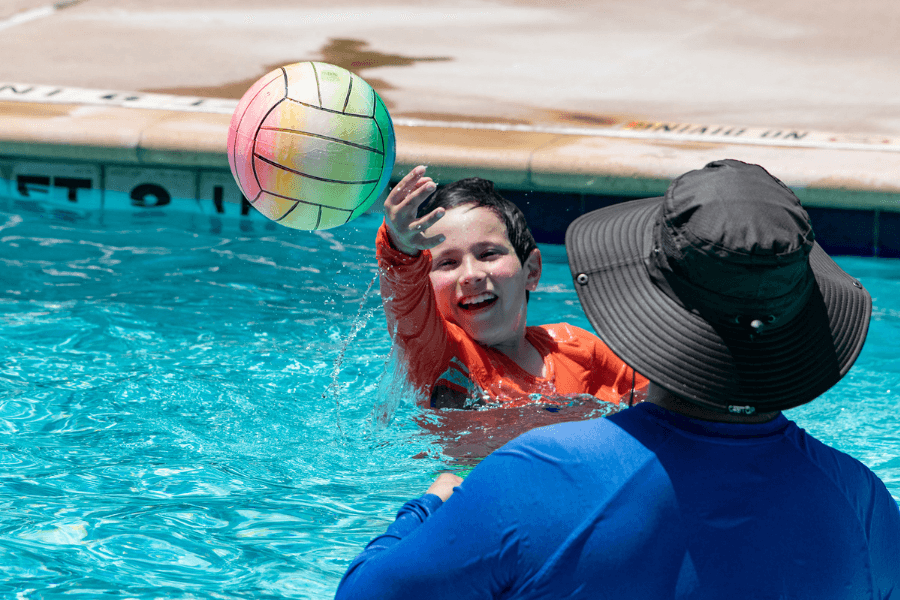
What skills can children develop in Cub Scouts?
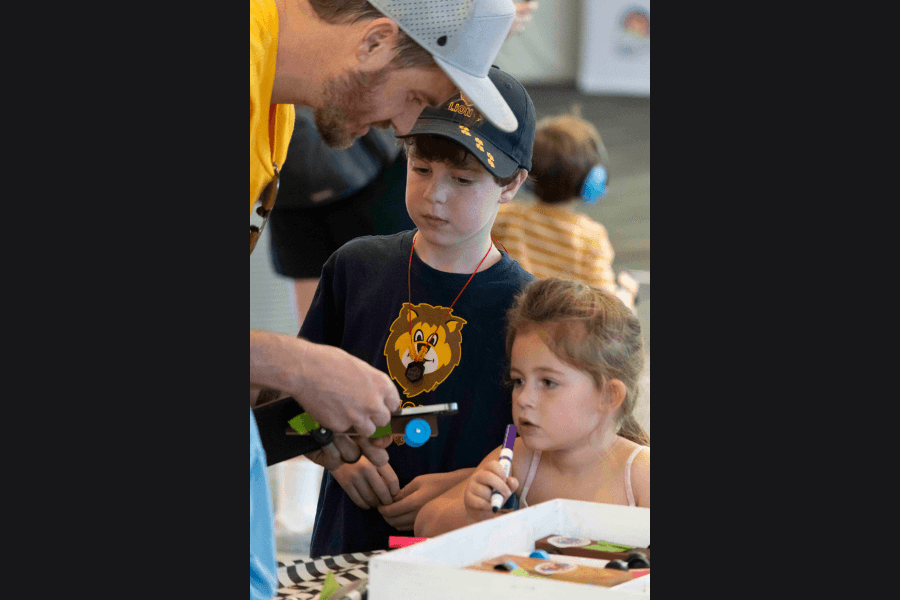
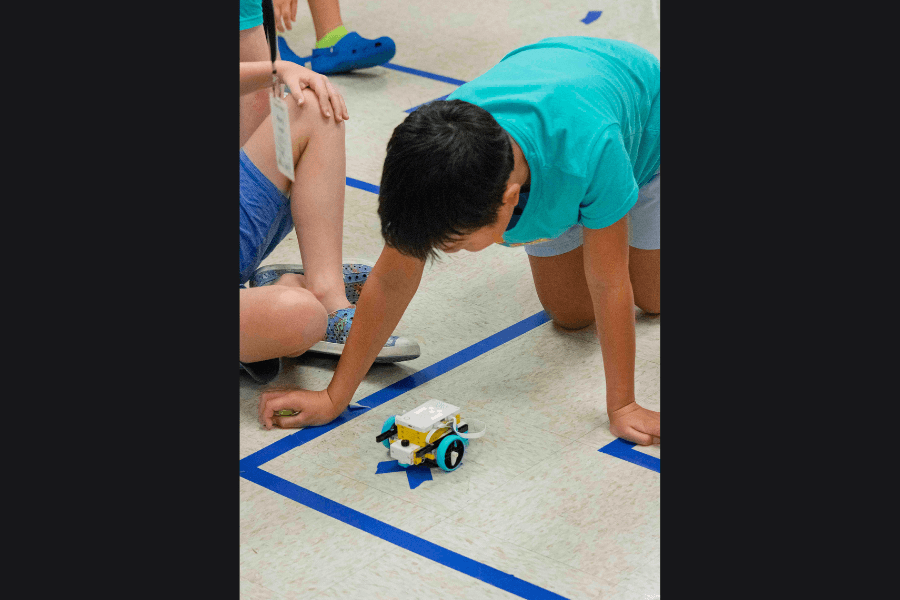
Throughout the year, Scouts participate in engaging activities, including building and engineering Pinewood Derby cars and introductory robotics lessons. They also take group trips, such as overnights at NASA or the USS Lexington aircraft carrier, as well as hiking and camping outdoors.
Each activity is designed to help children become more confident, willing to try new things and better equipped to work with others.
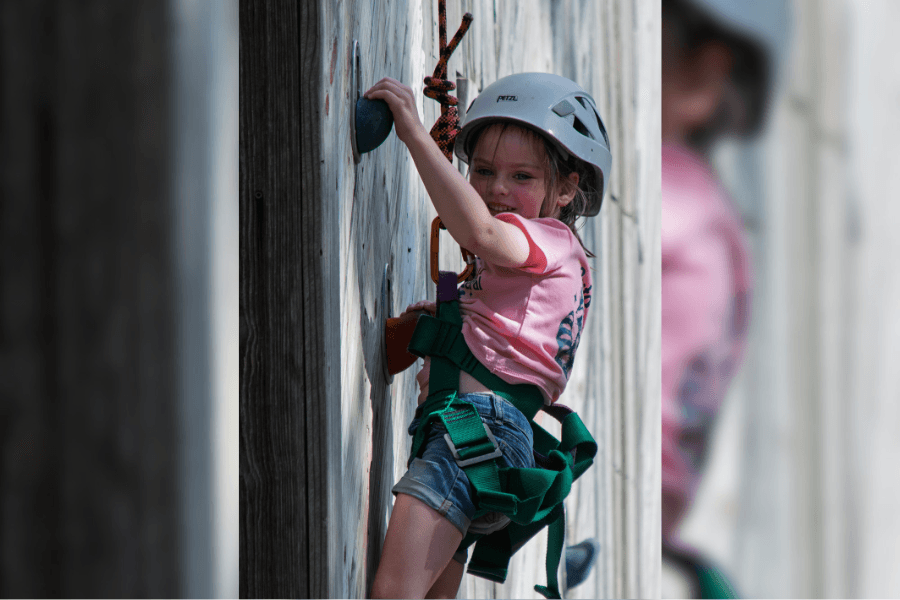
For example, every summer, kids have the opportunity to attend a nearly week-long summer camp at Lake Bastrop, which features a 65-foot-tall climbing tower. On their first attempt, a child may only make it a few feet up the wall, but their effort is still celebrated.
“The celebration is centered around the fact that the child was willing to try and expand what they thought, or maybe didn't think, they could do,” said Charles Mead, Director of Marketing and Public Relations for Scouting America - Capitol Area Council. “The hope is that they're building a sense of self-confidence that grows as they get older, and it makes them more open to considering [trying new things].”
That mindset can carry into other areas of a child's life. A Cub Scout who thinks they are not good at math may discover that continued effort can help them improve, while another child may develop a curiosity about how things work and begin tinkering with projects at home, potentially sparking an interest in STEM or a future trade.
Additionally, Scouting emphasizes helping others, being kind and understanding that the world extends beyond oneself.
What should parents know before joining?
Parents commonly ask how often Cub Scouts meet, what their involvement will look like and how much the program costs.
Full Cub Scout groups, called "packs," typically meet once a month for large events, like the Pinewood Derby. Smaller, grade-level groups, called "dens," meet an additional couple of times per month. Most packs meet about three times a month in total, although schedules vary by pack. Families are not restricted to the pack hosted at their child's school; they are free to choose any local pack whose meeting schedule best fits their family's routine.
Parents are encouraged to participate, but there is no required number of volunteer hours.
The national registration fee for new youth members is currently $85, a rate that Scouting America has held flat for two years to keep the program accessible to families. Individual packs may have additional dues depending on their activities, but fundraising opportunities, such as the annual popcorn sale, can help families offset those costs.
Mead encourages families to give Scouting a try for at least a year or two, even if they are unsure whether their child will stay involved long term.
“When [a child is] older and living in a community, and somebody needs help with something, the folks who are going to have had these ideas introduced to them at an early age are going to be the ones who volunteer and step up,” Mead said. “Those are the people who ultimately make our communities better. They're the ones who make things easier and more welcoming for everyone, regardless of who they are.”
How can parents learn more about Cub Scouts?
Join Scouting Night events are a great place to come at any time during the event window, learn more, ask questions, meet the program leaders affiliated with the child’s school and see whether the program is a good fit.
Families can find an event at a school near them by clicking here, and additional resources can be found here:
Join Cub Scouts: https://www.capitolareascouting.org/join/joincubscouts/
The basics of Cub Scouts: https://www.capitolareascouting.org/join/joincubscouts/cub-scout-basics/
Have questions? https://forms.cloud.microsoft/Pages/ResponsePage.aspx?id=oAiQ_UZ4iUmkxXfPrT9-TsPiQqpElL5Kn1Q6hNlTkWpUMlBZT1pVTEdFRVg2VkdLOFo3OFBYUTZKMC4u
A quick recap FAQ
What does a typical month of Cub Scouts look like, and how involved do parents need to be?
Most packs meet about three times a month: once for a large group event, like the Pinewood Derby, and a couple of additional times at the smaller den level with the child's grade group. Schedules vary by pack, and families aren't limited to the pack at their child's school; they can choose any local pack that fits their routine. Parents are encouraged to participate but there's no required number of volunteer hours.
How much does Cub Scouts cost?
The national registration fee for new youth members is currently $85, a rate Scouting America has held flat for two years. Individual packs may have additional dues depending on their activities, but fundraising opportunities, like the annual popcorn sale, can help offset those costs.
What kinds of activities and experiences do Cub Scouts participate in?
Activities range from building Pinewood Derby cars and introductory robotics to overnight trips at NASA and the USS Lexington aircraft carrier. Every summer, Scouts have the opportunity to attend a nearly week-long camp at Lake Bastrop, which includes a 65-foot-tall climbing tower. Activities are designed to grow with each age group, so kids can join at any point in elementary school and fit right in with their peers.
The above story was produced by Senior Multi-Platform Journalist Sydney Heller of Community Impact's Storytelling team, with information solely provided by the local business as part of their "sponsored content" purchase through our advertising team.