


The overview: Lone Star College–University Park offers a Nurse Aide Certificate—a 9.5-week, 108-hour program combining classroom instruction, hands-on lab training and clinical experience to prepare students for Texas CNA certification. Classes meet Mon. and Wed., 5:30–9:30 p.m., with classes starting Sept. 21.
Why launch a CNA program?
Long known across the region for its technical and business-focused offerings, Lone Star College–University Park is expanding its reach into one of the area’s most critical sectors: healthcare.
With its new nurse aide certificate, the campus is addressing a growing regional need—establishing an accessible pipeline into the medical workforce.
Meeting a critical regional demand
The decision to launch the CNA certificate at Lone Star College–University Park was a response to a changing labor market. Healthcare facilities are feeling the pressure of an aging population and an urgent need for bedside caregivers.
With an estimated 20,137 certified nursing assistants employed in the region and roughly 3,260 new job openings each year, local hospitals, clinics and long-term care facilities are actively searching for job-ready talent.
While Lone Star College operates a broad network of sister campuses—stretching from Conroe and Tomball to Kingwood and Houston North—bringing this program to University Park fills a crucial geographic gap. Localized training means students avoid long commutes to get certified.

What does the CNA program include?
Designed for working adults, the nurse aide certificate program offers hands-on healthcare training in an accelerated format, allowing students to build practical skills and prepare for state certification in just over two months.
- Duration: 9.5 weeks | 108 total hours
- Training breakdown: 64 hours of class and lab instruction; 44 hours of hands-on clinicals
- Schedule: Mondays and Wednesdays, 5:30 p.m. – 9:30 p.m.
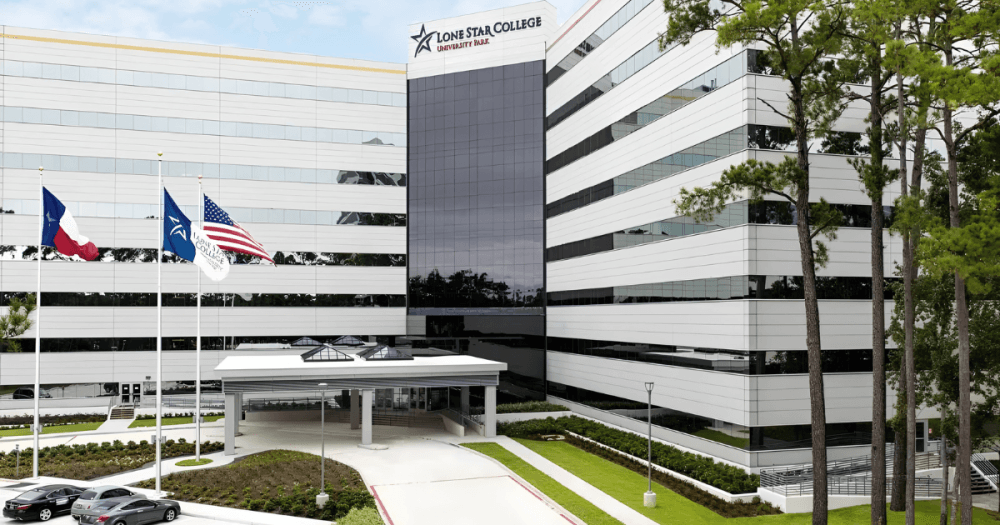
- Location: Lone Star College—University Park, 3rd floor
- Cost: $1,434—financial assistance is available through Texas public educational grants.
How and what do students learn?
The 108-hour curriculum balances 64 hours of lecture with 44 hours of hands-on practice. In the campus’s third-floor lab, theoretical knowledge quickly translates into practice. Students learn key skills in a fully equipped environment that simulates real care settings, using equipment such as:
- Full-sized patient mannequins and hospital-style beds
- Mobility tools, including wheelchairs, walkers, and canes
- Daily care supplies for bathing, grooming and hygiene instruction
- Essential monitoring equipment for vital signs, height and weight
After mastering lab skills, students spend a week in long-term care facilities during their clinical rotation, applying their training with actual patients under instructor guidance.
"If you're going to make mistakes, that's the place to do it—when you're in that classroom, and lab," Director of Continuing Education Gail Smith said. "There's nothing to be ashamed of because mistakes lead to correction, which leads to knowledge which can then lead to becoming a Certified Nurse Aid.

What does a CNA do?
A CNA credential opens doors to a vital healthcare role. Certified nurse aides work under licensed nursing staff—delivering compassionate, essential care in hospitals, long-term care facilities, assisted living centers and home health care agencies.
Daily responsibilities focus on fundamental care and patient well-being, including:
- Direct care and comfort: feeding, bathing, dressing, grooming and hygiene.
- Mobility support: repositioning bedridden patients and assisting with walking or transfers
- Patient Monitoring: answering call lights or intercoms, monitoring vital signs and keeping supervisory nurses informed of health status changes
Success in this role relies heavily on core interpersonal strengths: social perceptiveness, active listening, and a strong service orientation.
"I've seen this certificate program change lives," Smith said. "Students come in hoping for a fresh start, and when they finish the program and earn their certification, you can see the confidence on their faces. They know they're ready to step into healthcare and make a difference."
What do CNAs earn?
Besides immediate job stability, a CNA certification offers clear earning potential with room to grow.
- Entry-level salary: $31,963
- Mid-level (median salary): $37,848
- Senior-level salary: $48,321
For many, becoming a CNA is more than a stable job—it’s a strategic springboard. The hands-on experience in patient care provides the foundation for transitioning into advanced health fields like EKG technology, phlebotomy, or licensed vocational and registered nursing programs.
Ready to apply?
No prior medical experience is required; everyone is encouraged to apply, from career changers to recent graduates.
- Class Schedule: Starts Sept. 21 | Mondays and Wednesdays, 5:30–9:30 p.m.
- Precourse orientation: Tour the third-floor simulation lab, meet your instructor and get your questions answered.
3 easy steps to register:
- Contact the team: Visit continuing education for the application packet.
- Explore financial aid: Ask about T-PEG grant options to cover tuition.
- Secure your spot: Complete the registration checklist and grab your course materials.
Still undecided? Walk-ins are welcome to check out the lab and tour the floor.
Get the details
From its established foundation in technical education to its expansion into vital healthcare professions, Lone Star College–University Park has built its reputation on hands-on training, community commitment, and opening doors to rewarding careers. To learn more or take the next step toward your CNA certification, here is all the information you need:
- Website: https://www.lonestar.edu/continuing-education.htm
- Phone: 281-290-2601
- Email: [email protected]
- Location: 20515 SH 249, Building 13, Ste. 302, Houston
A quick FAQ recap
What is the CNA program at Lone Star College–University Park?
A 9.5-week, 108-hour Nurse Aide Certificate combining 64 hours of classroom and lab instruction with 44 hours of hands-on clinical training, designed to prepare students for Texas state CNA certification.
How long is the program, and what's the schedule?
9.5 weeks total, with classes Mondays and Wednesdays from 5:30–9:30 p.m. The next class starts Sept. 21.
How much does it cost, and is financial aid available?
Tuition is $1,434. Financial assistance is available through Texas Public Educational Grants.
What does a CNA do, and how much do they earn?
CNAs provide direct patient care—feeding, bathing, mobility support and vital sign monitoring—under the supervision of licensed nursing staff. Pay ranges from about $31,963 entry-level to $48,321 senior-level, with a median around $37,848.
How do I register?
Contact the Continuing Education office at 281-290-2601 or [email protected] to get an application packet. Walk-ins are welcome to tour the lab.
The above story was produced by Multi-Platform Journalist Chloe Chapel, with the Community Impact's Storytelling team, using information solely provided by the local business as part of their "sponsored content" purchase through our advertising team.