


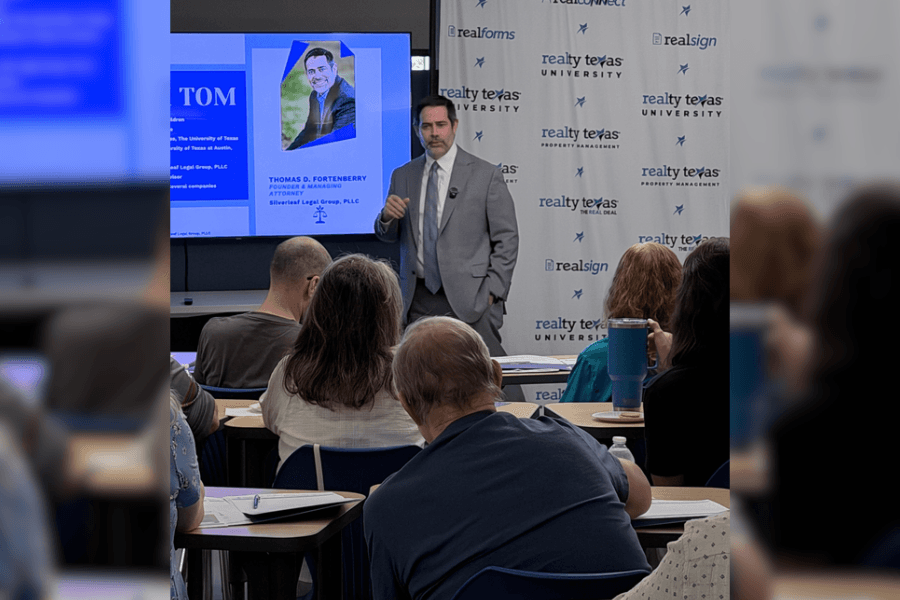
When it comes to estate planning, the advice of Thomas Fortenberry, attorney and founder of Silverleaf Legal Group, PLLC, is simple: be proactive.
Waiting until a family is facing an illness, loss or another major life change can add legal and financial complications to an already difficult time.
That emphasis on planning ahead comes from Fortenberry’s own experience. As he worked to protect his real estate, business interests and other assets, and determine how they would eventually pass to his family, people began asking him to help them do the same.
Those conversations ultimately led him to estate planning and to founding Silverleaf Legal Group, PLLC.
Why should families think about estate planning before they need it?
One of the most common questions Fortenberry receives is how families can avoid probate, which is the legal process used to transfer assets that remain titled in a person’s name after they pass away.
Estate planning allows families to determine ahead of time how they want their assets handled. Depending on a family’s circumstances, that could involve revocable trusts, beneficiary designations, Lady Bird deeds or vehicle beneficiary designation forms.
But rather than starting with a particular legal document, Fortenberry encourages clients to first think about what they ultimately want to accomplish. From there, Silverleaf Legal Group, PLLC can determine which legal tools can help accomplish those goals.
“I've learned over the years that people really want to know how this actually affects them. They don’t come to me wanting a will or a trust or a ladybird deed. They come to me saying, ‘I have these assets and I want my kids to get them.’ My job as a lawyer is to choose the legal tools that will be best for them, and say, ‘This tool can help you accomplish those goals, and here's how it works,’ using plain language,” Fortenberry said.
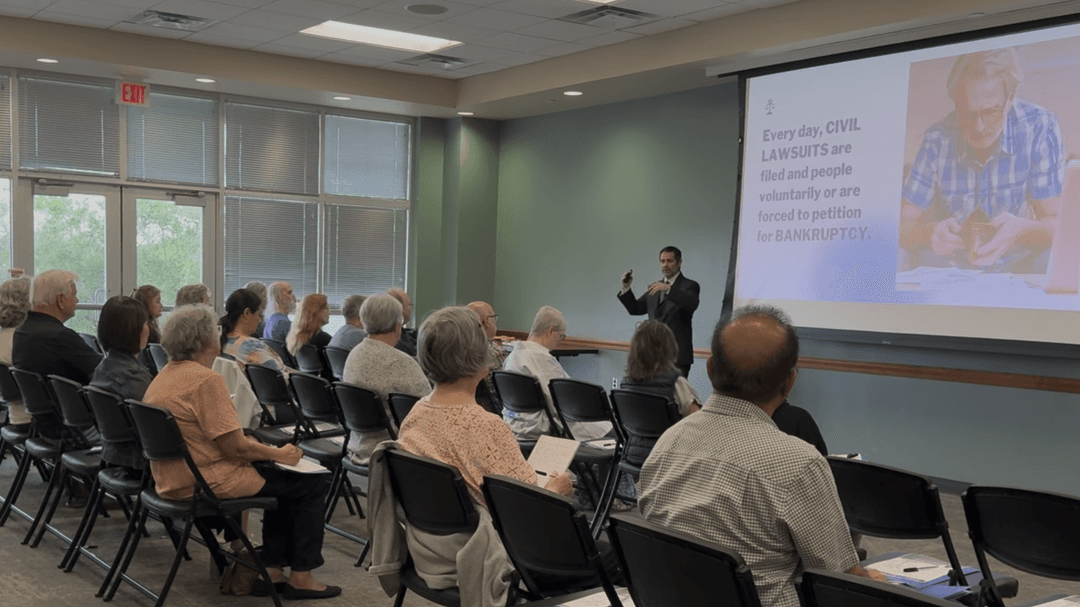
When should someone create or update an estate plan?
Fortenberry recommends people create an estate plan once they become legal adults. Even at 18, documents such as powers of attorney can help determine who can handle certain financial or medical matters if a person becomes unable to do so themselves.
The appropriate plan can then evolve throughout a person’s life. Marriage, the birth of a child, the loss of a spouse, buying a home or acquiring new types of assets can all be reasons to review an existing plan and determine whether changes are needed.
How can an estate plan become a legacy?
For someone beginning the process, Fortenberry recommends first “dreaming a little” about what they want to happen with their home, vehicles, bank accounts and other belongings. Once those goals are clear, an attorney can help identify the tools needed to accomplish them.
Fortenberry also encourages families to think beyond property and money.
Estate planning, he said, can preserve the relationships and values behind those assets. For example, recording videos for children or other loved ones can leave them with words of encouragement, pride and love long after tangible assets are gone.
“That's the gold right there. That makes an estate plan a legacy, because when the property and the money are gone, your children can pull out a video and hear their mom and dad saying those words of encouragement, care and love to them, and they'll cherish that for the rest of their lives,” Fortenberry said.
Those interested in learning more about estate planning and Silverleaf Legal Group, PLLC can find information here:
Website: https://silverleaflegal.com/
Contact the team: https://silverleaflegal.com/contact/
Phone number: 512-337-7271
Address: 2901 Caballo Ranch Blvd., Suite 1A, Cedar Park

Frequently asked questions
Why is it important to create an estate plan proactively?
Creating an estate plan before a major life event can help families avoid unnecessary legal and financial complications. Planning ahead allows individuals to determine how their assets will be distributed and potentially avoid probate.
When should someone create or update an estate plan?
Attorney Thomas Fortenberry recommends beginning estate planning at age 18. Plans should be reviewed as circumstances change, such as getting married, having children, losing a spouse, purchasing a home or acquiring new assets.
How can estate planning help families leave a lasting legacy?
Beyond distributing property and financial assets, estate planning can help preserve family values, relationships and memories. Fortenberry encourages individuals to consider leaving personal messages or videos for loved ones, creating a meaningful legacy that extends beyond material possessions.
The above story was produced by Senior Multi-Platform Journalist Sydney Heller of Community Impact's Storytelling team, with information solely provided by the local business as part of their "sponsored content" purchase through our advertising team.