
Most homeowners view plumbing and HVAC systems as mechanical necessities: equipment designed to heat, cool or move water.
But these systems influence something more personal: health.
According to Josh Campbell, founder of Rescue Air and Plumbing, improving those basics can have a meaningful impact on daily comfort and long-term well-being.
“If you want more time, and you want better health, this is where you start,” Campbell said.
Here are five things homeowners may not realize about the air and water inside their homes, along with solutions that can help improve both:
1. Your HVAC system constantly circulates the air you breathe
An HVAC system doesn’t just control temperature; it continuously moves air throughout the house, recirculating whatever particles are already in it.
That can include:
- Dust and allergens
- Mold spores
- Bacteria and viruses
- Volatile organic compounds, or VOCs, from household products
What helps?
Whole-home air cleaning systems can improve indoor air quality as air moves through the HVAC system. Solutions include:
- UV purification lights that neutralize bacteria and viruses
- Carbon-based purification systems that reduce odors and airborne chemicals
- Whole-home purification systems that are integrated into the HVAC unit
Systems such as those from Patriot IAQ are designed to address particles and gases that traditional filters miss.
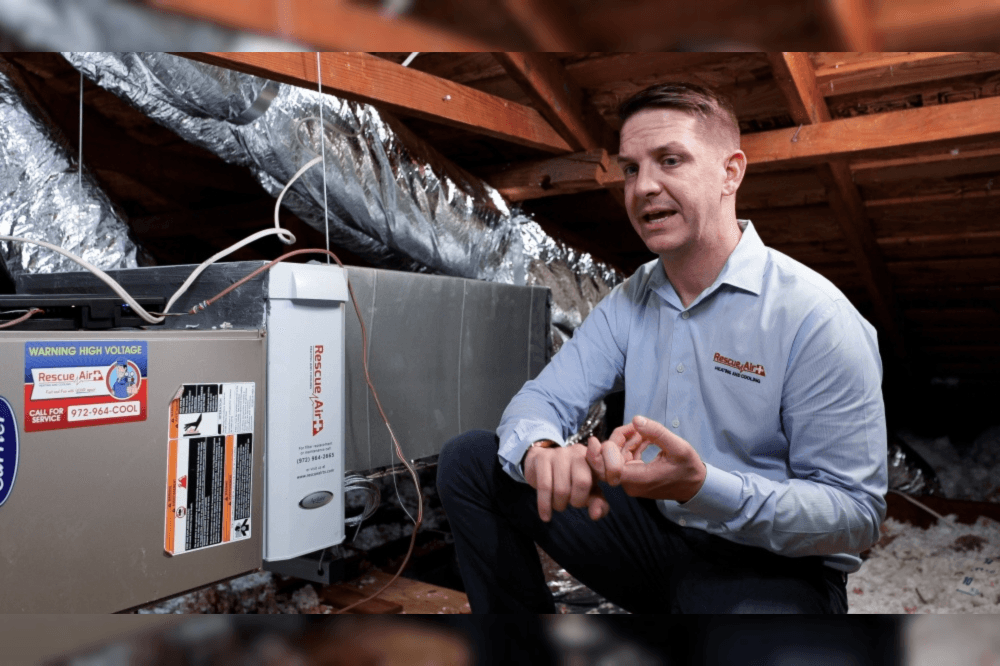
2. Your air filter protects your HVAC system first
Many homeowners assume the air filter in their HVAC system is designed primarily to protect the air they breathe.
In reality, its primary role is to protect the HVAC equipment by capturing dust and debris before they enter the system.
“Standard air filters were originally designed to protect the equipment,” Campbell said. “While they can capture some airborne particles, many contaminants can still circulate through the home.”
High-efficiency filters can capture more contaminants, but they can also restrict airflow as they collect debris. If filters are not replaced regularly, that restriction can strain the system and increase energy use.
What helps?
Many homes benefit from a layered approach:
- Standard filters to protect HVAC equipment
- Higher-grade filters to capture more allergens
- Air purification systems that address contaminants too small for traditional filters
Together, these tools can help improve indoor air quality while keeping the HVAC system running efficiently.
3. Everyday products release chemicals into the air
Some indoor air pollutants come from unexpected places.
VOCs are chemicals released from common household items such as:
- Cleaning products
- Paints and adhesives
- Furniture and building materials
- Hair sprays and air fresheners
- Cooking fumes
Over time, these compounds can accumulate indoors.
What helps?
Air purification systems with carbon filtration help capture airborne chemicals and odors before they recirculate through the home.
4. Your tap water may contain more than you realize
City water systems treat water to meet safety standards, but trace contaminants can remain.
Homeowners can explore local water data through the Environmental Working Group database, which tracks contaminants in water utilities across the country.
What helps?
Whole-home water purification systems treat water as it enters the home. Systems such as those produced by Halo Water Systems and WaterTech typically:
- Use activated or catalytic carbon filtration
- Reduce chlorine and other chemicals
- Filter water before it reaches showers, sinks and appliances
Campbell said carbon filtration systems can reduce chlorine levels by roughly 90-99%, depending on the setup.
5. Water affects more than just what you drink
When people think about water quality, they usually think about drinking water. However, exposure happens in other ways, too, especially in the shower.
“When you take a shower, your body’s absorption rate of chlorine is high,” Campbell said.
Chlorine is added to city water systems to disinfect water supplies, but repeated exposure can affect skin and hair.
For some people, chlorine exposure may contribute to:
- Dry or irritated skin
- Brittle hair
- Skin conditions such as eczema
What helps?
Whole-home filtration systems treat water before it enters the plumbing system, improving the quality of water used for bathing, washing dishes and other daily activities.
Why indoor air and water matter
Many Texans spend a large portion of their time inside their homes. Because of that, the air and water inside the home can have a bigger impact on daily health than many people realize.
“What we consume and the way we treat our bodies is paramount, but often overlooked,” Campbell said.
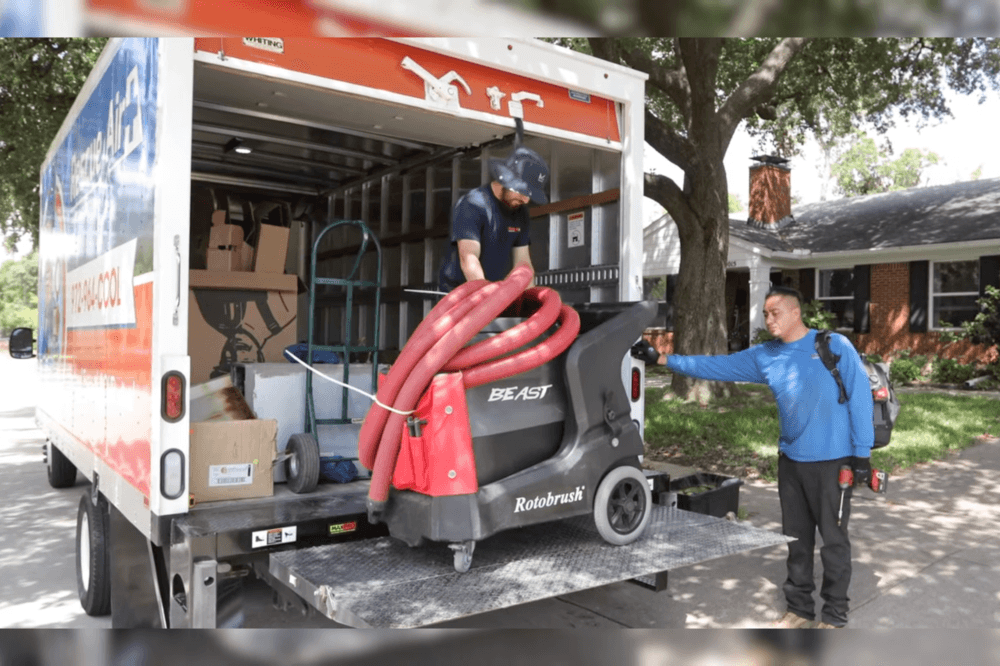
The team at Rescue Air and Plumbing provides the specialized air and water purification solutions described above to help homeowners transition from being "the filter" to living in a truly clean environment.
The company will also install the system for customers who prefer to order from outside sources, and installation is typically done the same day.
The focus is on enhancing long-term well-being through professional-grade technology rather than only swapping out mechanical parts.
Click here to learn more about their home health solutions today.
The above story was produced by Senior Multi-Platform Journalist Sydney Heller with Community Impact's Storytelling team with information solely provided by the local business as part of their "sponsored content" purchase through our advertising team.