

By late February in Central Texas, many allergy sufferers expect relief.
Cedar season fades, so the worst should be over. Yet, the congestion lingers. Mornings still start with pressure behind the eyes, a dull headache that won’t quite leave or ears that feel like they need to pop but won’t. Fatigue sets in, even after a full night’s sleep.
For some people, it isn’t just allergies anymore.
As oak season ramps up and yellow pollen begins coating cars, sidewalks and windowsills, allergy symptoms can intensify. Pollen triggers inflammation in the body, and the reaction might not stay limited to sneezing or itchy eyes. Instead, it spreads deeper into the nose and sinuses, creating symptoms that feel harder to shake.
Family ENT of Georgetown’s owner, Dr. Yael Willingham, explained why this happens, and the different treatment routes that are available.
What’s really happening inside the sinuses?
Sinuses are hollow, air-filled spaces in the face that help with breathing and filtering the air we take in. They are the first line of defense against airborne bacteria and viruses. They work closely with the nose, which warms and moistens air before it travels to the lungs. When everything is working as it should, air flows freely and drainage stays clear.
But when inflammation builds up, those spaces can swell and narrow. That’s when people may notice ongoing congestion, facial pressure, reduced sense of smell, frequent drainage and an overall feeling of fatigue.
For many patients, treating allergies early can calm this inflammation before it turns into something more persistent.
What can people try before seeing a specialist?
For many allergy sufferers, simple steps can make a noticeable difference.
Rinsing the nose with saline helps wash away pollen and acts as a natural way to open the nasal passages. Over-the-counter nasal sprays, including steroid sprays and antihistamines, can also help reduce swelling when used regularly.
Consistency matters. Trying these treatments for about a month often gives the body time to respond. But when symptoms don’t improve, or when infections keep coming back, it may be time to take a closer look.
What can an ENT help with?
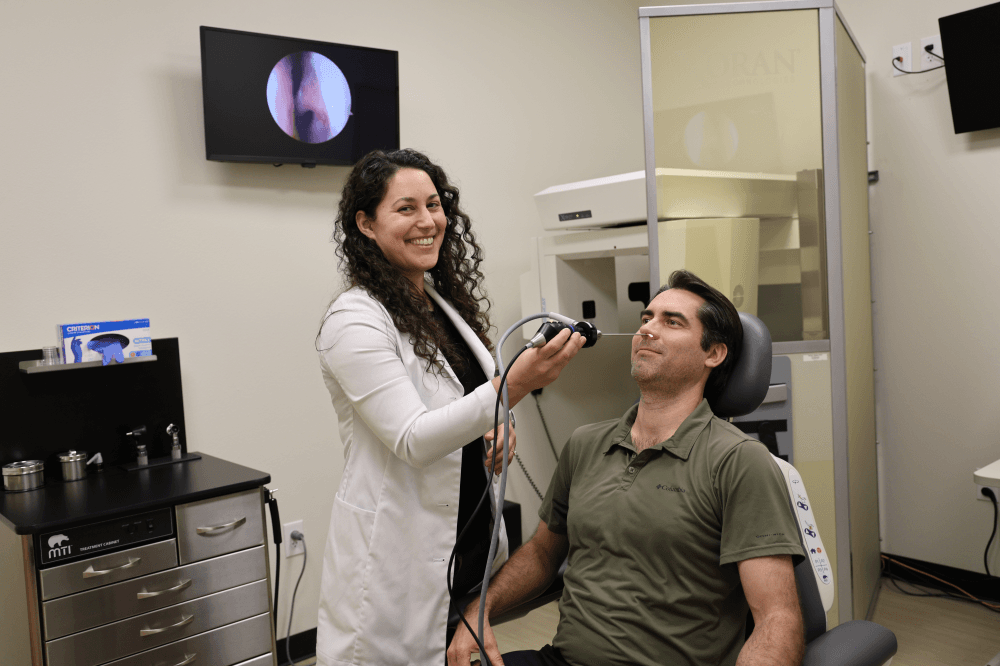
An ear, nose and throat specialist focuses on finding out why symptoms aren’t resolving. At Family ENT of Georgetown, that process often begins with a nasal exam using a small camera. Patients can see the inside of their own nose on a screen, making it easier to understand what’s going on.
If needed, a CT scan can be done in the office. The scan shows whether the lining of the sinuses has become thick and swollen or if normal drainage pathways are blocked. In a healthy sinus, air and bone appear clearly defined. Ongoing inflammation changes that picture. The lining of the nose is covered in mucus, and it appears to be thicker.
What are today’s sinus treatment options?
Treatment depends on what the exam and imaging reveal. Some patients continue with medication, while others may benefit from procedures designed to open blocked sinus pathways.
One option is balloon sinuplasty, which is done in the office while patients are awake but comfortably numbed. The procedure gently widens the natural sinus openings by inflating a balloon, which improves drainage.
For people with more severe sinus disease, such as nasal polyps or thick buildup caused by chronic inflammation, traditional sinus surgery may be recommended. The approach is based on a patient’s symptoms and long-term goals.
How are allergies connected to ear pressure?
The same tissue lining the nose also lines the Eustachian tubes, which regulate pressure in the ears. When that lining becomes inflamed, people may feel pressure, fullness or notice muffled hearing. In many cases, treating allergies allows the ears to clear on their own.
If fluid remains trapped for months, ear tubes may be used to help regulate pressure. These tubes are temporary and used for both children and adults when needed, and Dr. Willingham can perform the procedure in the office.
Why does everything feel connected?
The airway runs from the nose through the throat and into the lungs, and problems in one area can affect the others. Chronic sinus inflammation can sometimes play a role in breathing issues or poorly controlled asthma. Addressing the source of inflammation can help improve symptoms beyond the nose.
What’s next in ENT care?
Looking ahead, ENT care continues to expand beyond seasonal allergy relief. Family ENT is preparing to offer a newly FDA-approved sleep apnea treatment for patients with moderate to severe obstructive sleep apnea who cannot tolerate CPAP machines. The device helps keep the airway open during sleep, offering another option for patients who struggle with existing treatments.
As allergy season continues in Central Texas, lingering symptoms aren’t something people have to accept as normal. Paying attention to how long symptoms last and how they affect daily life can be the first step toward finding lasting relief.
Click here to learn more about Family ENT or to schedule an appointment today.
The above story was produced by Senior Multi-Platform Journalist Sydney Heller with Community Impact's Storytelling team with information solely provided by the local business as part of their "sponsored content" purchase through our advertising team.