


A smart home often starts with something as simple as a single light bulb.
Then comes the video doorbell. A smart lock for peace of mind. A few cameras. A new TV setup. And before you know it, just in time for December, the Christmas lights join the mix.
Each addition promises convenience. But strung together without a strategy, they can do the opposite. Suddenly, the devices meant to make life easier leave you juggling half a dozen apps, fighting Wi-Fi dead zones and wondering why none of your tech actually talks to each other. What was supposed to simplify your daily routine becomes another thing you have to manage.
That’s where professional smart home planning makes a difference. Rather than piecing together individual devices as needs arise, Fully Automated helps homeowners build a seamless, unified system designed around their goals, budget and the way they live.
What can go wrong with a DIY smart home?
The appeal of DIY smart home technology is obvious: You can solve one problem at a time, add features when you want them and avoid taking on a major project all at once. But there is a point when those individual upgrades stop feeling like conveniences and start creating new problems, particularly when you want different parts of the home to work together.
“You end up replacing equipment, running new wires or fighting dead zones with five different apps that are all competing for your time,” said Bobby Walker of Fully Automated. “You can just kind of dig yourself into a hole that's really financially difficult and time-consuming to get out of.”
For homeowners, that can mean spending more money and time fixing a system that was never designed to grow in the first place. The solution isn’t necessarily avoiding DIY altogether. It’s knowing when a few individual upgrades have become a larger system that needs a plan.
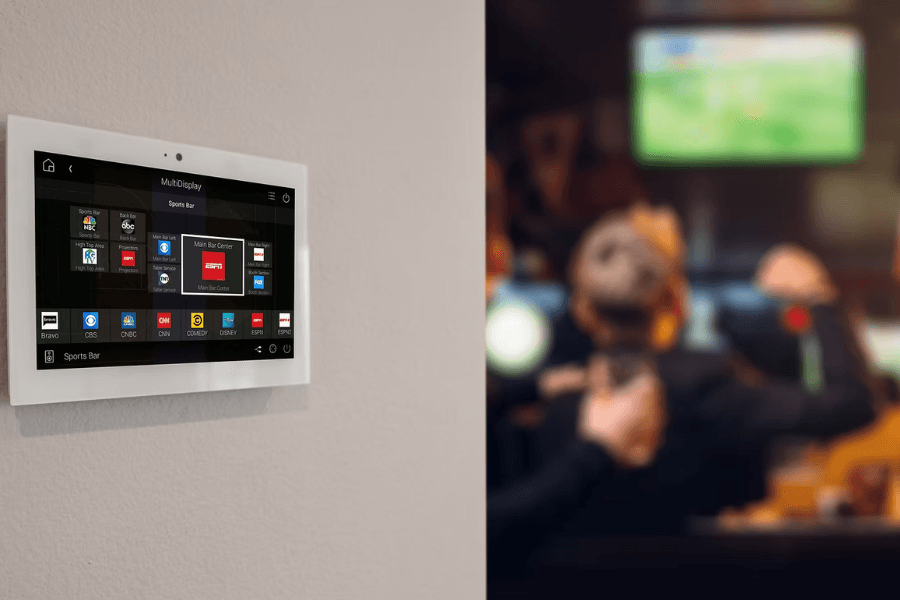
When should you hire a professional for a smart home?
So, where is the line between a weekend DIY project and something that requires expert intervention? According to Walker, the threshold is surprisingly simple: It comes down to physical space.
“I’d say it’s once it leaves a single room,” Walker said. “Any of those systems in one room, DIY makes sense. But as soon as we get those walking outside of one room, then I feel it’s really beneficial to bring in a professional.”
That’s when individual upgrades can become a larger system that needs to work together:
Lighting: One smart switch is relatively simple. Multiple rooms require coordinated controls and lighting scenes.
Audio: A surround-sound system for one TV is one thing. Whole-home audio requires infrastructure to connect multiple spaces.
Security: A single video doorbell is straightforward. Multiple cameras, locks and other devices require more planning.
The same principle applies to future upgrades. Planning the infrastructure around what homeowners may want later can help prevent today’s project from becoming tomorrow’s costly overhaul.
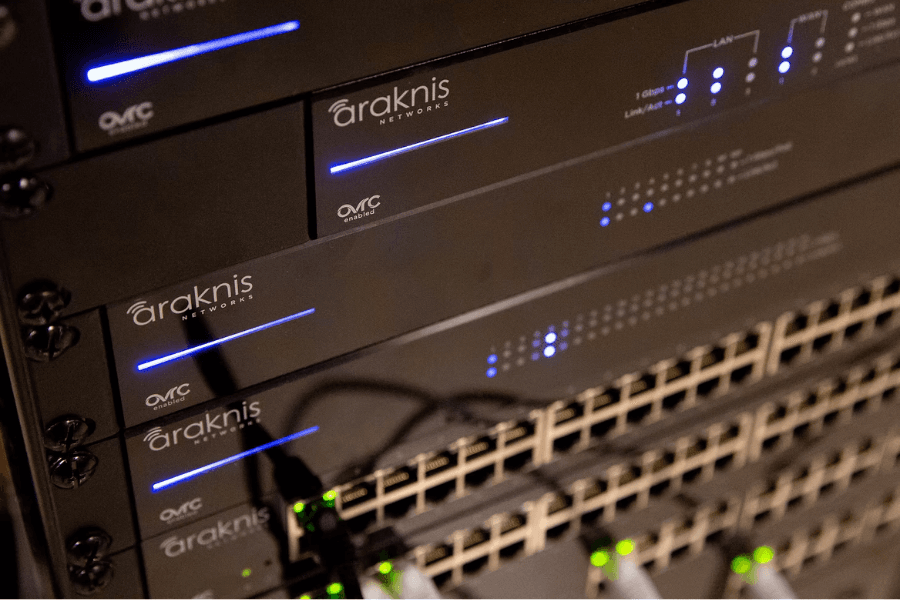
What does professional smart home installation include?
A professional smart home starts with more than the devices themselves. Walker said Fully Automated begins with the system’s “backbone,” including the home’s network and, when needed, hardwired infrastructure for things such as audio and video.
That planning can also account for what homeowners may want down the road. Someone might start with security cameras and lighting, then add whole-home audio, a home theater or holiday lighting later. Building with those possibilities in mind can help prevent homeowners from replacing equipment or reworking wiring every time they want to add something new.
“We want to make sure that what the customer invests in isn’t going to be undone the next time they’re ready to add to it,” Walker said.
The goal isn’t necessarily to automate everything at once. It’s to create a plan that allows the system to grow with the homeowner while keeping today’s investment and budget in mind.
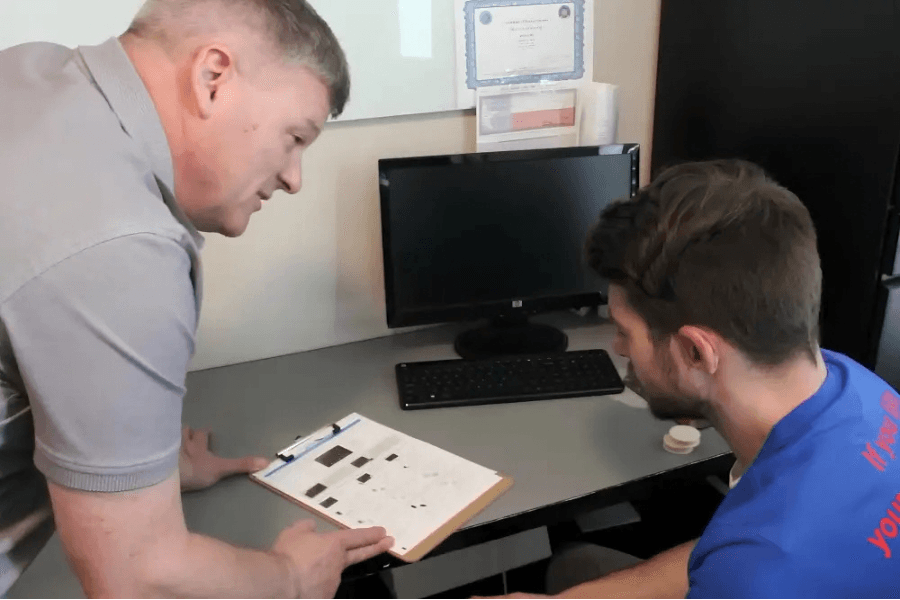
Why choose a professional smart home company?
For homeowners ready to move beyond individual devices, Fully Automated brings multiple pieces of a smart home together under one team. The company works across networking, security, surveillance, lighting, audio, home theaters and automation, with an eye toward how those systems interact.
While some companies specialize in one area, Walker said Fully Automated looks at the home as a whole.
“We want to be that technology partner for the customer,” Walker said. “We want to understand how all those systems affect each other.”
That also means homeowners can start small without losing sight of the bigger picture. Fully Automated can help plan what makes sense now while leaving room for future additions, so homeowners can build toward a smarter home without having to start over.
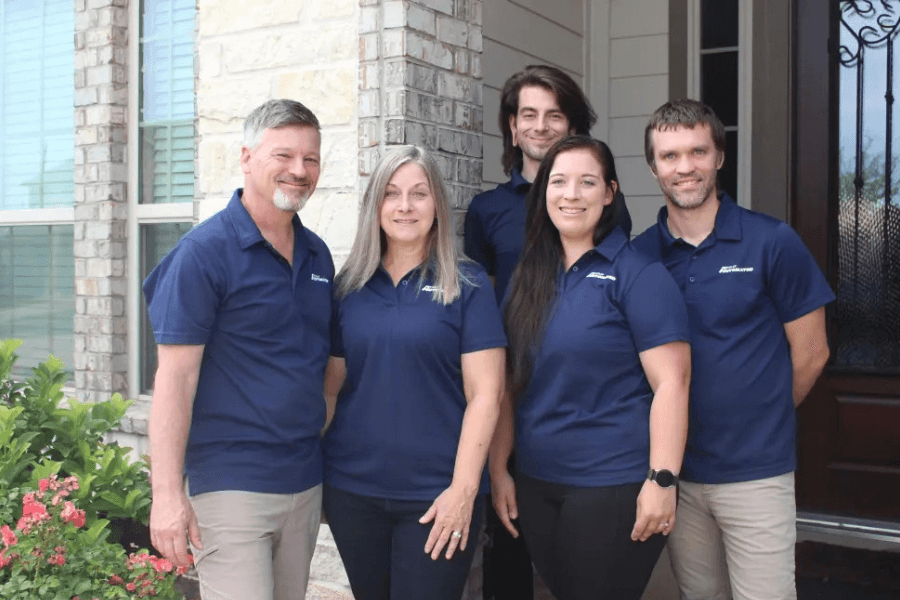
Ready to get started?
Whether you’re looking to untangle a messy web of existing devices or design a high-performance system for a new build, working with a local expert can help ensure your technology works for you, not against you.
To learn more about custom home automation or schedule a consultation, contact Fully Automated:
Website: www.fullyautomated.us
Phone: 281-410-5663
Free quote: www.fullyautomated.us/contact
Frequently asked questions
What services does Fully Automated offer?
Fully Automated offers smart home networking, security and surveillance, smart lighting, audio, home theaters and whole-home automation. The company designs these systems to work together and can help homeowners plan for future additions.
When should you hire a professional for smart home installation?
You should consider professional smart home installation when your technology expands beyond a single room or when you want multiple systems to work together. Professional planning can also help homeowners prepare for future upgrades without replacing existing equipment.
Can you start small with a smart home system?
Yes. Homeowners can start with one or a few systems and expand over time. Fully Automated can plan the underlying infrastructure around the homeowner’s current needs and future goals, helping avoid costly rework as new technology is added.
Why is smart home planning important?
Smart home planning helps ensure that devices, networks and systems can work together as the home evolves. Planning the infrastructure first can help prevent compatibility problems, unnecessary equipment replacements, wiring changes and the need to manage multiple disconnected systems.