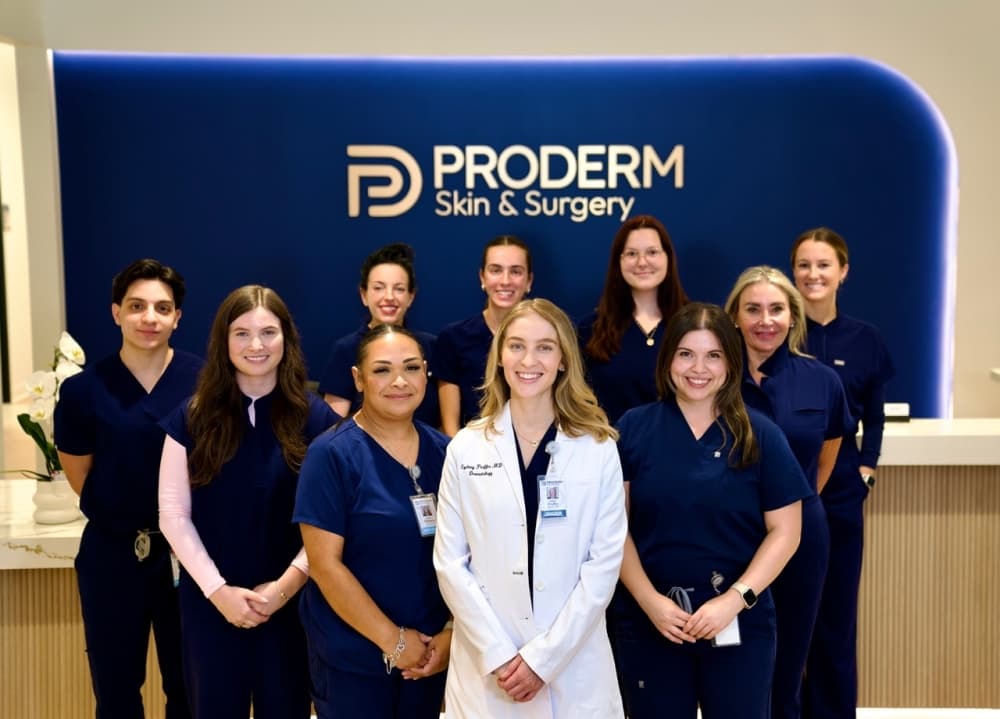

May is Melanoma and Skin Cancer Awareness Month, and Austin’s ProDerm Skin & Surgery team is encouraging patients to take a more proactive approach to skin health. That means scheduling routine screenings, improving sun protection habits and paying closer attention to changes in their skin.
The message comes at a time of steady growth and increasing demand for founder and skin cancer surgeon Dr. Sydney Proffer, whose practice opened in October. Since opening, ProDerm Skin & Surgery has seen a rise in patients seeking care for everything from skin cancer screenings to common concerns such as acne and hair loss.
A growing need for skin cancer awareness
In Central Texas, sun exposure plays a significant role in many of the skin concerns Dr. Proffer sees. Patients frequently come in worried about precancerous changes, pigmentation issues and signs of skin cancer.
Melanoma, one of the most serious forms of skin cancer, often develops from pigmented spots on the skin. Other common types, such as basal cell and squamous cell carcinoma, are typically linked to cumulative sun exposure over time.
Prevention strategies remain consistent across the board: limiting time in direct sunlight and wearing sunscreen with at least SPF 30. For patients who struggle with wearing sunscreen, Dr. Proffer recommends UPF-rated clothing, such as long-sleeve shirts and wide-brimmed hats.
Additionally, internal sunscreen is available.
“For my patients who are immunosuppressed or have had a transplant, there is a vitamin supplement available,” Dr. Proffer said. “The most common one is called Heliocare. Essentially, it hardens the skin against UV-induced DNA damage. It’s a tablet they can take twice a day, and it acts as an internal sunscreen. Studies have shown that it decreases the risk of ... skin cancer by about 23%.”
According to Dr. Proffer, adopting these sun-safe habits today can reduce the risk of developing skin cancer 15 years down the line.
What should people watch for at home?
Early detection is key. Patients are encouraged to regularly examine their own skin between professional screenings. One simple method is to photograph any concerning spots and compare them over time.
Changes in size, color or shape can be warning signs. Dermatologists refer to the “ABCDE” criteria for melanoma, which includes:
- Asymmetry
- Irregular borders
- Color variation
- Large diameter
- Evolving appearance
For patients with a higher risk, such as those with extensive sun exposure or a history of skin cancer, more frequent in-office screenings are recommended. These screenings may be as often as every six months.
Advanced tools, such as full-body mole mapping, can also help track changes over time, providing a more detailed baseline for future comparisons.
What other common skin concerns is ProDerm Skin & Surgery seeing?
Alongside skin cancer concerns, another trend has emerged: hair loss linked to rapid weight loss, particularly in patients using GLP-1 medications.
This type of hair loss, known as telogen effluvium, occurs when the body redirects energy and nutrients toward essential functions, temporarily disrupting the hair growth cycle. The result is noticeable shedding, often several months after significant weight loss.
“We live in a golden age of hair loss, so there is a lot we can do,” Dr. Proffer said.
Treatment options vary depending on the patient and may include:
- Topical or oral medications
- Supplements
- Red light therapy
- In-office procedures, including platelet-rich plasma treatments
While results take time, often several months, many patients see improvement with consistent care.
Building comfort and accessibility
As the practice continues to grow, Dr. Proffer emphasizes creating a welcoming environment for patients, particularly those who feel anxious about visiting a dermatologist.
From comfortable exam settings to personalized treatment plans, the goal is to make skin care approachable for patients of all ages. The clinic treats a wide range of conditions, from pediatric skin issues to advanced surgical cases. They also offer many cosmetic services, including Botox, facials, and microneedling.
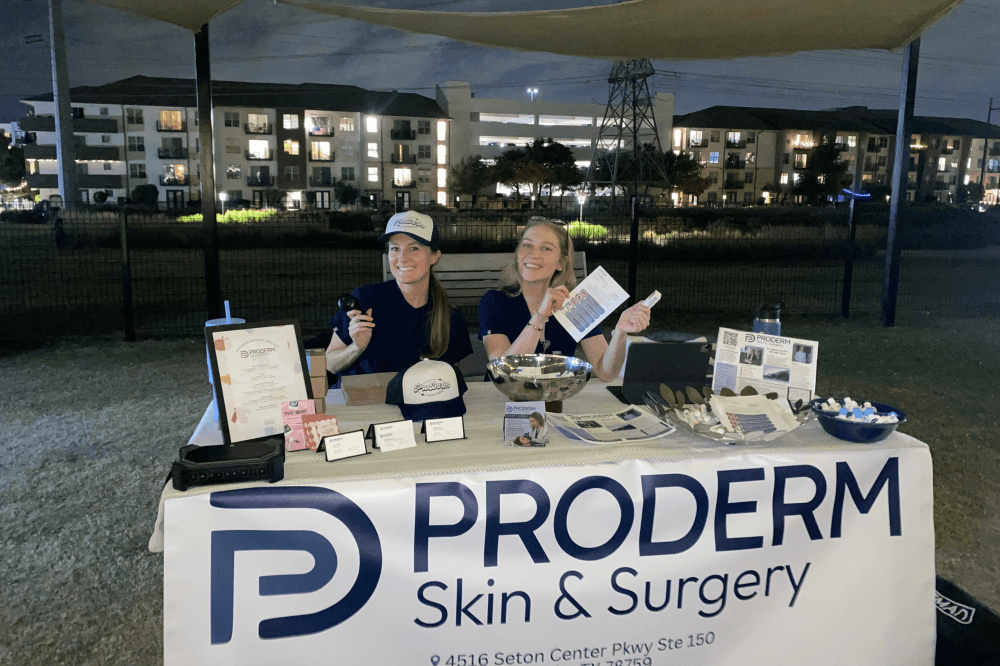
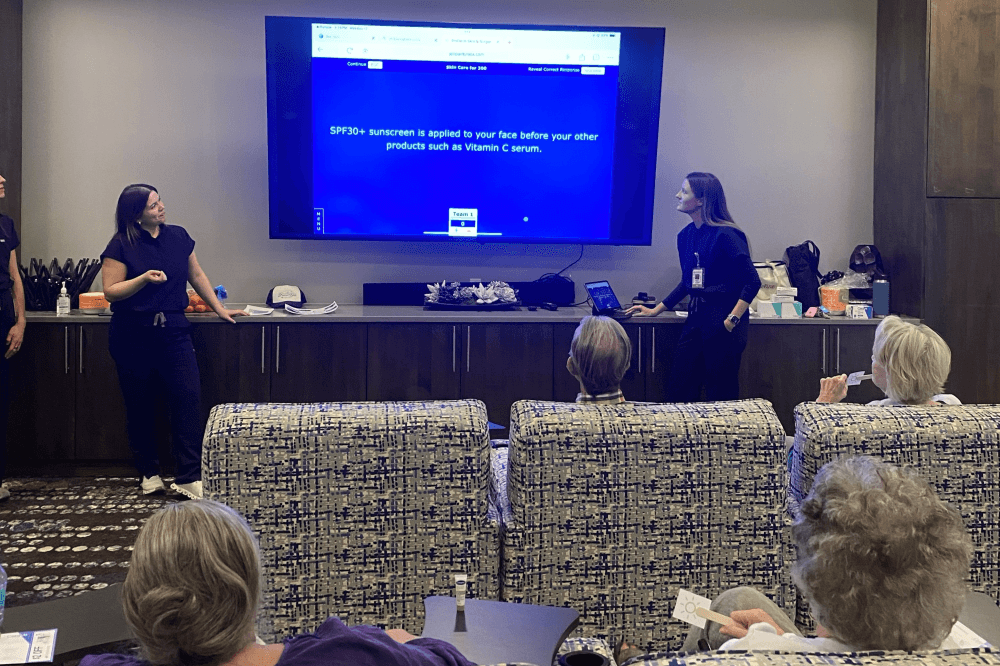
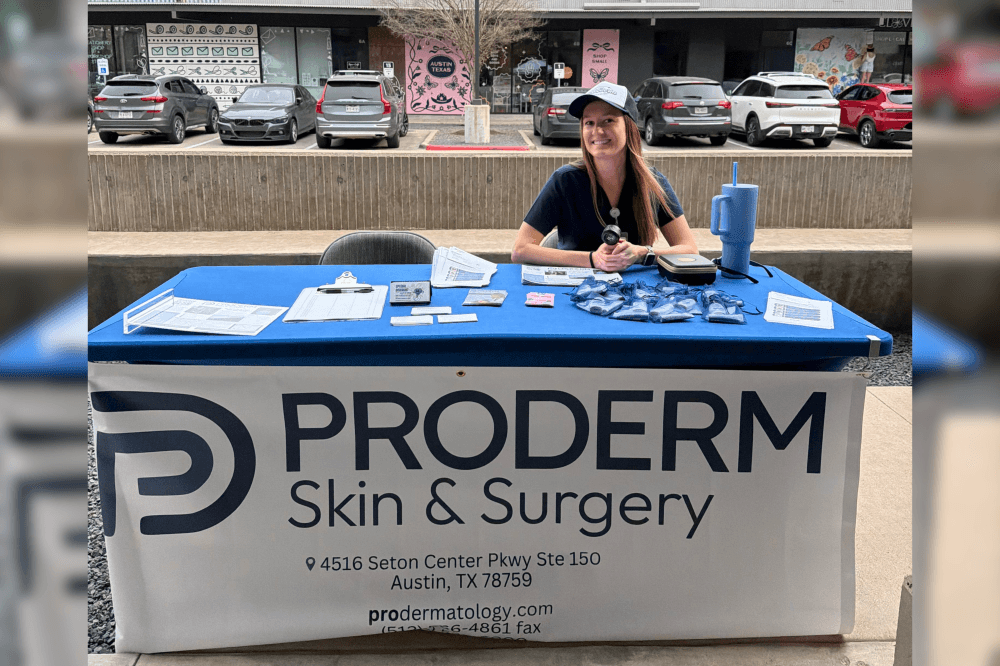
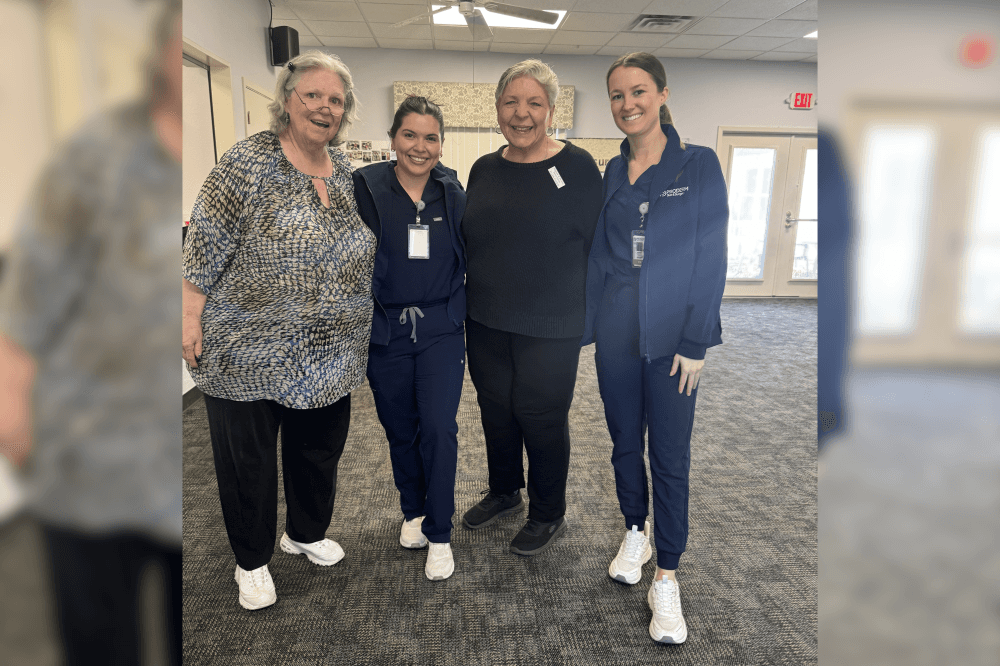
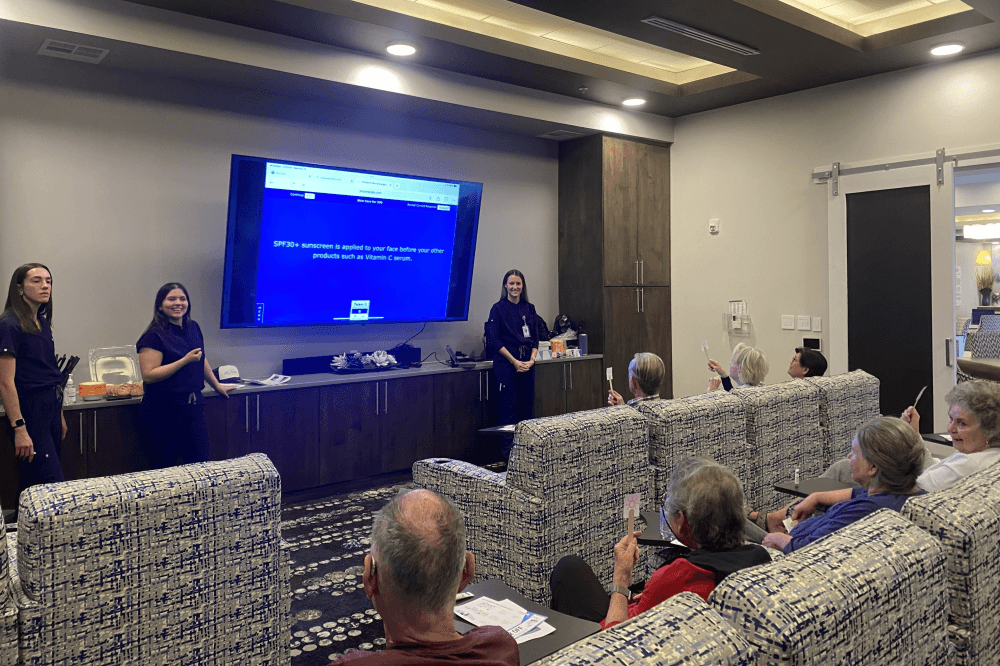
Dr. Proffer and her team aim to reduce stigma and encourage earlier intervention through community outreach events, educational initiatives and seasonal campaigns.
Ultimately, whether addressing skin cancer risks or newer concerns, the focus remains the same: helping patients stay informed, proactive and confident in their care.
ProDerm Skin & Surgery sees patients from infants to 100-plus years old. Click here to learn more or to schedule an appointment today.
The above story was produced by Senior Multi-Platform Journalist Sydney Heller with Community Impact's Storytelling team with information solely provided by the local business as part of their "sponsored content" purchase through our advertising team.