

The holidays offer a chance for families to reconnect, share traditions and spend meaningful time together. But for adult children visiting aging parents, the season may also reveal memory-related changes that weren't noticeable during phone calls or shorter visits.
While these changes can be difficult to acknowledge, recognizing them early can help families make important decisions about their loved one's safety and well-being.
According to Mandy Quinn, Executive Vice President of The Cottages Senior Living, a family-owned and operated memory care provider established in 1997, families shouldn't wait for an emergency to begin discussing additional care.
"Most of our new residents come from either rehab or the hospital because they've had some sort of crisis," Quinn said. "We'd like people to come before that crisis strikes."
What are the signs that a loved one may need memory care?
While occasional forgetfulness may not necessarily indicate a need for memory care, Quinn said families should pay particular attention to changes that could put their loved one's safety at risk.
Some warning signs include:
Wandering: Leaving home unexpectedly, getting lost or becoming disoriented in familiar spaces.
Household safety concerns: Forgetting to turn off the stove, leaving vehicles running or creating other potentially dangerous situations.
Medication mistakes: Forgetting to take prescribed medications or accidentally taking multiple doses.
Changes in personal care: Forgetting to eat, bathe or maintain regular grooming habits.
Increased safety risks: Falling or struggling to navigate everyday activities safely.
How should families approach the conversation?
Bringing up the possibility of moving to a memory care community is challenging for many families. Quinn recommends approaching the subject gradually, with patience and empathy, rather than expecting an immediate decision.
"The main thing is not to rush the conversation," Quinn said.
One way to go about this is by using everyday experiences to explain their concerns. For example, if a parent accidentally leaves the oven on, that moment might provide an opportunity to discuss how additional support could help keep them safe.
Individuals with more advanced dementia, however, may not be able to understand these risks themselves. In those situations, conversations with a spouse or another family decision-maker are important.
Above all, families should avoid focusing exclusively on what their loved one can no longer do.
"Let's not harp on the negative of their disease," Quinn said. "Let's focus on what they have left to give."
Can someone maintain their independence in memory care?
One of the biggest concerns Quinn hears is that moving to memory care means giving up independence, familiar routines and the activities that bring joy. However, she believes the right community can help residents continue enjoying the things that make them who they are.
Quinn recalled a woman who recently moved to The Cottages after her family learned she would be transitioning into memory care at another facility. The woman had always loved spending time outdoors, but the previous community's outdoor space wasn't well-suited to that interest.
Her family ultimately chose The Cottages because of its spacious backyard, complete with walking paths, seating areas and opportunities to enjoy the sunshine. Today, the resident frequently spends time outside, relaxing in the sun and walking with other residents.
“Spending time in the sun is her favorite thing to do,” Quinn said. “She'll wake up, eat and then she'll go sit outside and enjoy the sun.”
That resident’s story illustrates why understanding each person’s personality and preferences is just as important as meeting their care needs.
"Someone with memory care still has a lot to give," Quinn said. "It's important to find the right community that understands that and enables them to continue to be who they are."

What should families look for in a memory care community?
Quinn encourages families to tour multiple communities to really see which environment is right for the resident.
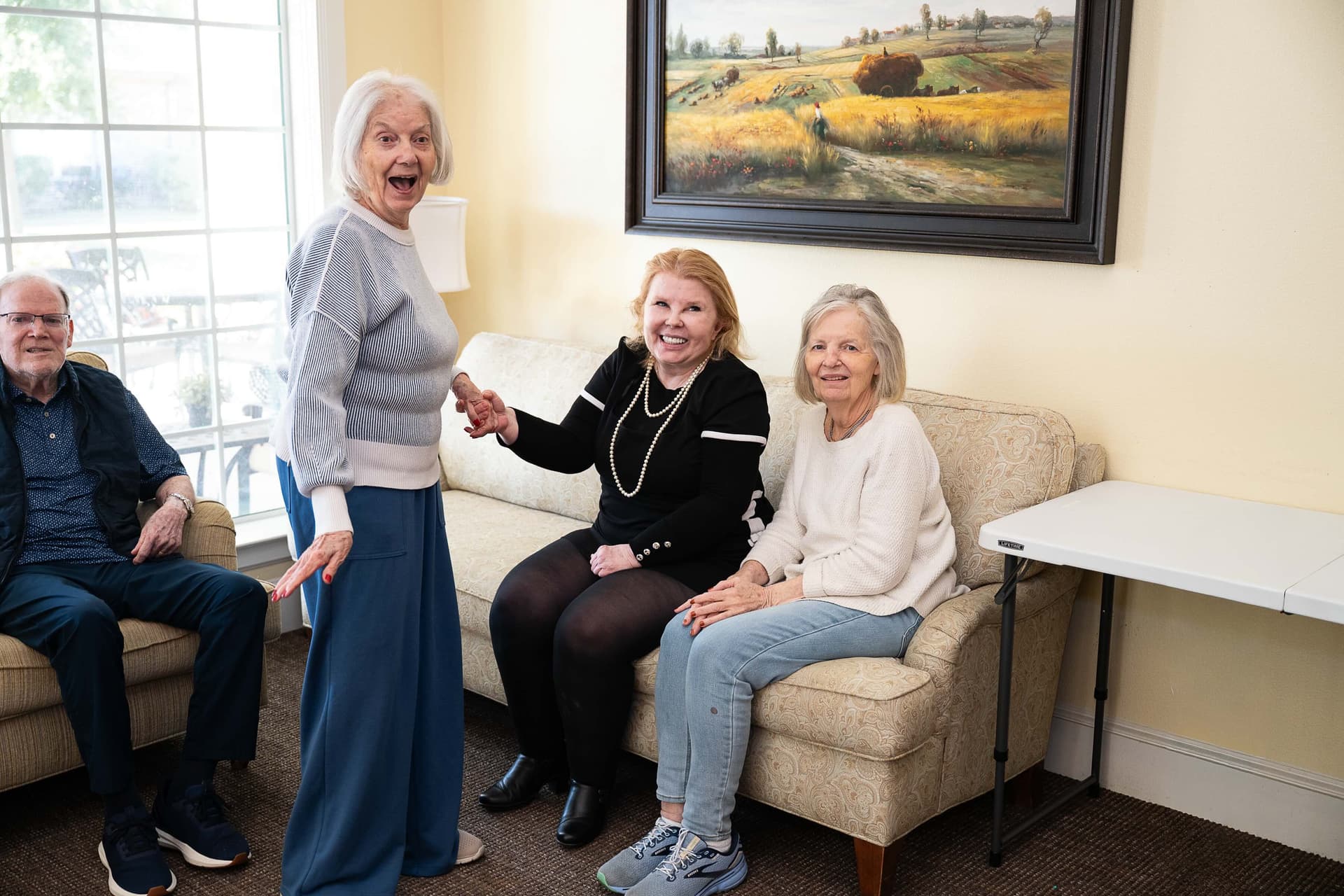
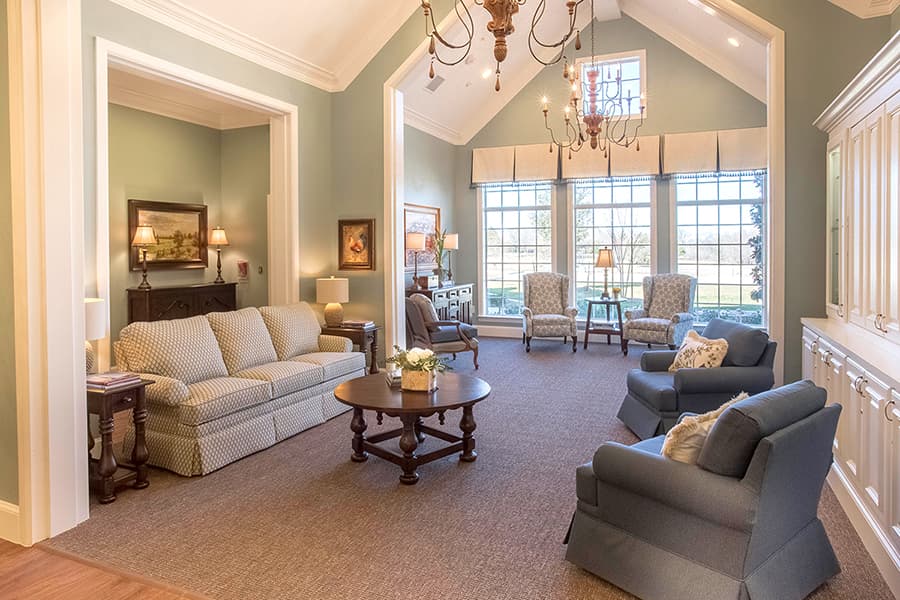
At The Cottages, which specializes exclusively in memory care, the focus is on creating a familiar, homelike environment where residents can feel comfortable and develop meaningful relationships.
Family-style dining, personalized activities and opportunities for social interaction help create a sense of belonging. The community recognizes various level of care needs and tailors activities and support to different stages of dementia.
Another important consideration is the stability of the organization providing care. The Cottages has remained family-owned and operated for more than two decades, allowing leadership to stay closely involved in day-to-day decisions and respond directly to management's needs.
Quinn also encourages families to ask detailed questions about pricing, including whether additional fees may apply as care needs change.
"It's very important to understand the cost at the time [the resident] moves in, but what will that cost be in six months?" Quinn said.
The Cottages offers all-inclusive pricing without additional level-of-care charges, helping families better understand their financial commitment.
Ultimately, she recommends looking for a community where residents appear comfortable, interact positively with one another and receive care that reflects their individual needs.
Those interested in learning more about The Cottages Senior Living can find information here:
Website: https://alzcottages.com/
Contact the team: https://alzcottages.com/schedule-connect/
What warning signs should I look for that might indicate my loved one needs memory care?
Families should pay close attention to changes that could put a loved one's safety at risk. Warning signs include wandering, forgetting to turn off the stove, leaving vehicles running, medication mistakes, hygiene changes and risk of falling.
How does The Cottages handle pricing as a resident's care needs change?
The Cottages offers all-inclusive pricing without any additional level-of-care charges. This pricing structure is designed to help families clearly understand their financial commitment from the start, without facing unexpected fee increases as their loved one's care needs evolve over time.
How does The Cottages provide tailored support to residents?
The Cottages takes time to get to know each resident, so they can maintain their preferred way of living as much as possible.