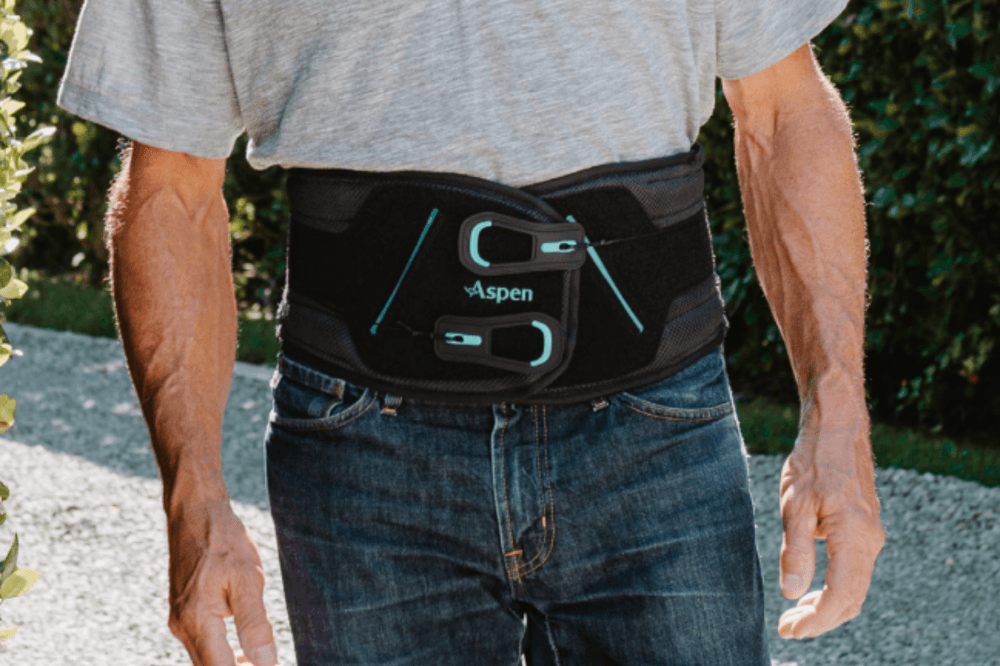


Whether it’s a sudden injury that limits movement or a gradual ache that turns routine tasks into daily hurdles, back pain can take over independence.
In a desperate search for relief, most people run to the local pharmacy and buy a generic brace. But there’s a reason those drugstore ones end up buried in a closet. An unfitted, one-size-fits-all strap can prolong your injury by masking the real issue.
If you’re tired of wasting money on quick fixes, it’s time to consider the science of spinal support. Below, trusted orthopedic bracing and durable medical equipment provider Gazelle Healthcare Solutions breaks down everything you need to know about back bracing.
How back bracing works
Back bracing sounds simple, but in clinical care it’s a carefully designed system of external spine support.
A back brace stabilizes the spine, limits harmful movement, and reduces strain on injured or overworked muscles. Instead of forcing the body to push through pain, it creates structure for healing.
At Gazelle Healthcare Solutions, this includes a range of orthotic options tailored to different conditions and mobility support levels, including:
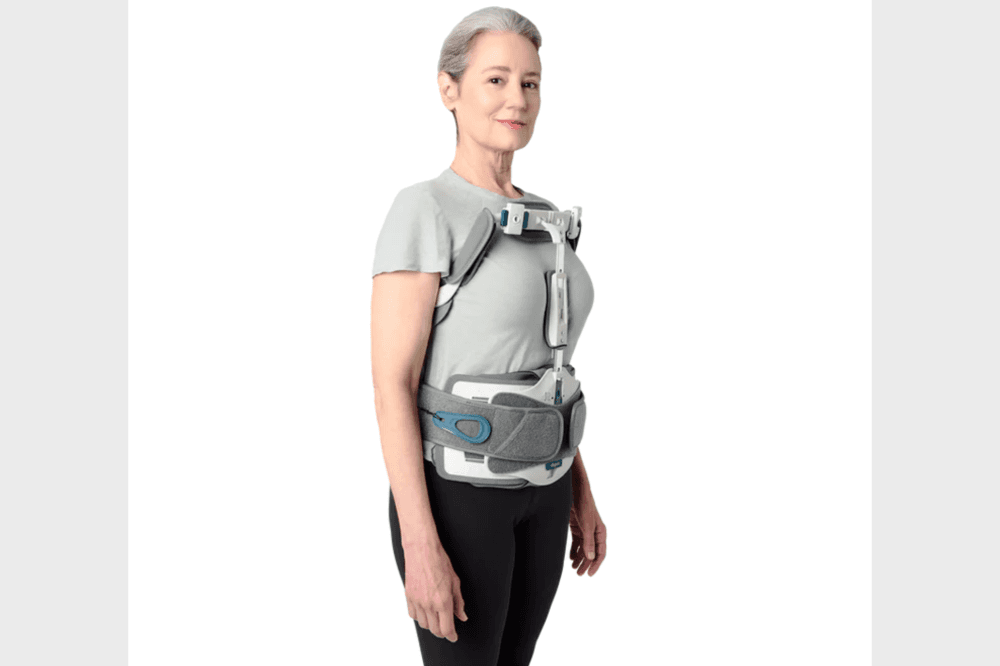
- TLSO braces support the upper, mid, and lower back and help guide posture
- LSO braces stabilize and support the lower back
- Rigid clamshell braces for fracture recovery and higher immobilization
- Step-down braces allow support to be gradually reduced as the body improves
Each type serves a different purpose, but the goal is the same: provide the right level of support for the spine’s current function.
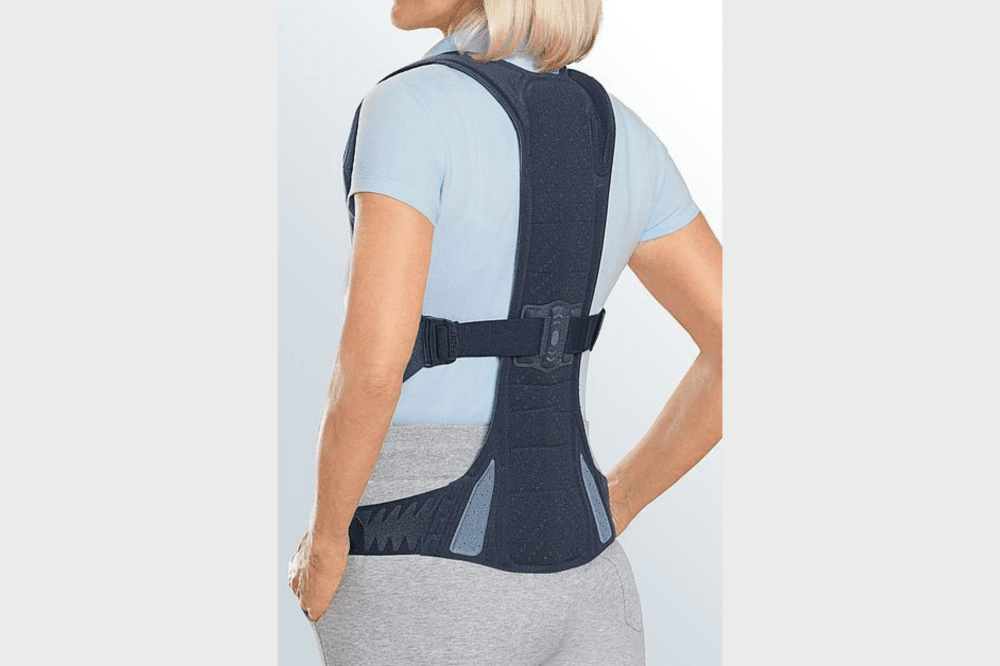
What back braces are used to treat
Back braces are not just for one type of injury. They’re used for various spinal conditions, from sudden injuries to long-term degeneration.
This includes muscle strains and sprains, herniated or slipped discs, spinal fractures and compression fractures. They’re also used for conditions where the spine’s natural alignment changes, such as kyphosis or lordosis, affecting posture, balance and comfort.
For many patients, that support can mean something simple but important—movement feels less overwhelming, and the body is no longer constantly working against pain or instability throughout the day.
“Almost every time I put a back brace on someone, they immediately say, ‘Oh, thank you, God,’” owner Brooke Hawkins said. “They say it feels like someone’s holding them up, which relieves pain and gets them closer to accomplishing activities of daily life.”

When a brace is needed
Knowing when to move beyond rest and use a medical back brace depends on a change in mobility. A clinical brace isn’t meant for everyday soreness; it’s needed when an injury isn’t improving, movement is limited, pain is constant, or when underlying conditions lead to severe spinal instability.
In these cases, a brace starts with a physician. A doctor evaluates the condition and issues a prescription based on the diagnosis and required support. That order goes to a provider like Gazelle Healthcare Solutions, where orthotic specialists handle insurance verification, records coordination and fitting.
The result is a medically guided process that turns a generic brace into a properly fitted device designed to stabilize the spine and support recovery.
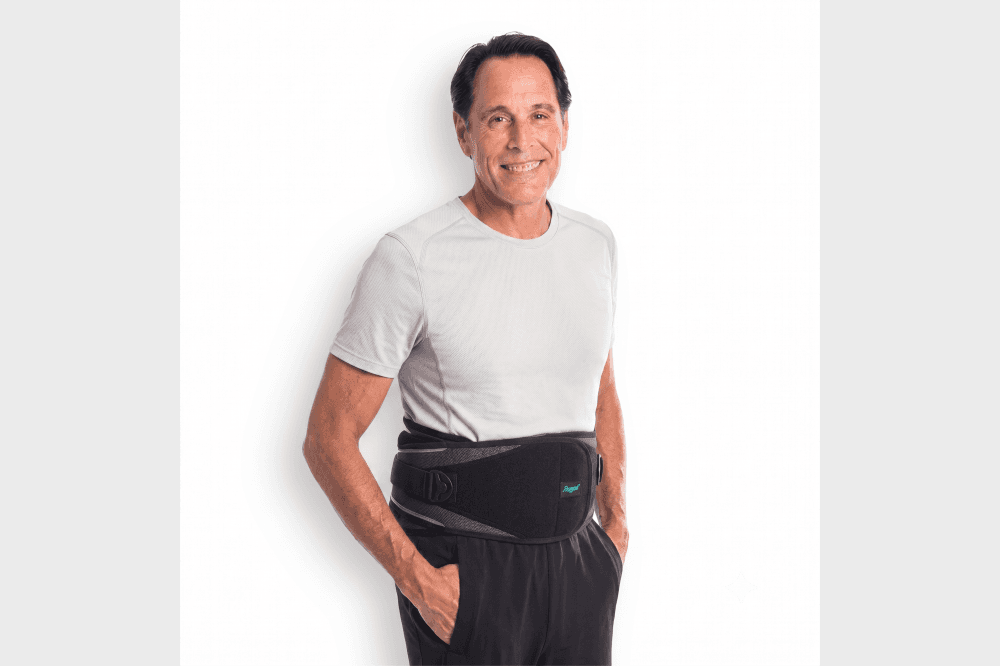
Why fit makes a difference
While back braces are widely available, the difference between a generic brace and a medical orthotic device often comes down to fit.
“Fit and comfort determine if a patient will use the brace as intended,” Hawkins said. “Compliance is number one. If patients aren’t comfortable, they won’t wear it—so our focus is on finding the best fit that supports healing and is realistic for daily use.”
At Gazelle Healthcare Solutions, trained orthotic specialists fit patients after assessing diagnosis, body structure and mobility needs before selecting a brace. From there, adjustments are made to ensure the device aligns correctly with the spine and provides optimal support.
Depending on the patient, that may mean using a modified off-the-shelf brace or moving to a custom-fabricated device made from precise measurements or molds.
Where to get medical bracing
Back pain is complicated, and getting the right treatment shouldn’t add to that burden or the cost of getting it wrong.
That’s where Gazelle Healthcare Solutions comes in. The team works directly with physicians to coordinate prescriptions, medical records and insurance verification, helping patients avoid confusion and delays.
As an in-network provider with major insurance companies, Gazelle reduces out-of-pocket surprises by verifying coverage upfront and ensuring patients are matched with appropriate bracing options.
With locations across Greater Houston—including Cypress, Katy, Webster, and Kingwood—care is accessible and close to where patients live and see their providers.
To learn more or request a fitting, visit gazellehealthcare.com or call 855-827-9990 for help with your orthopedic or bracing needs.
The above story was produced by Multi-Platform Journalist Chloe Chapel, with the Community Impact's Storytelling team, using information solely provided by the local business as part of their "sponsored content" purchase through our advertising team.