

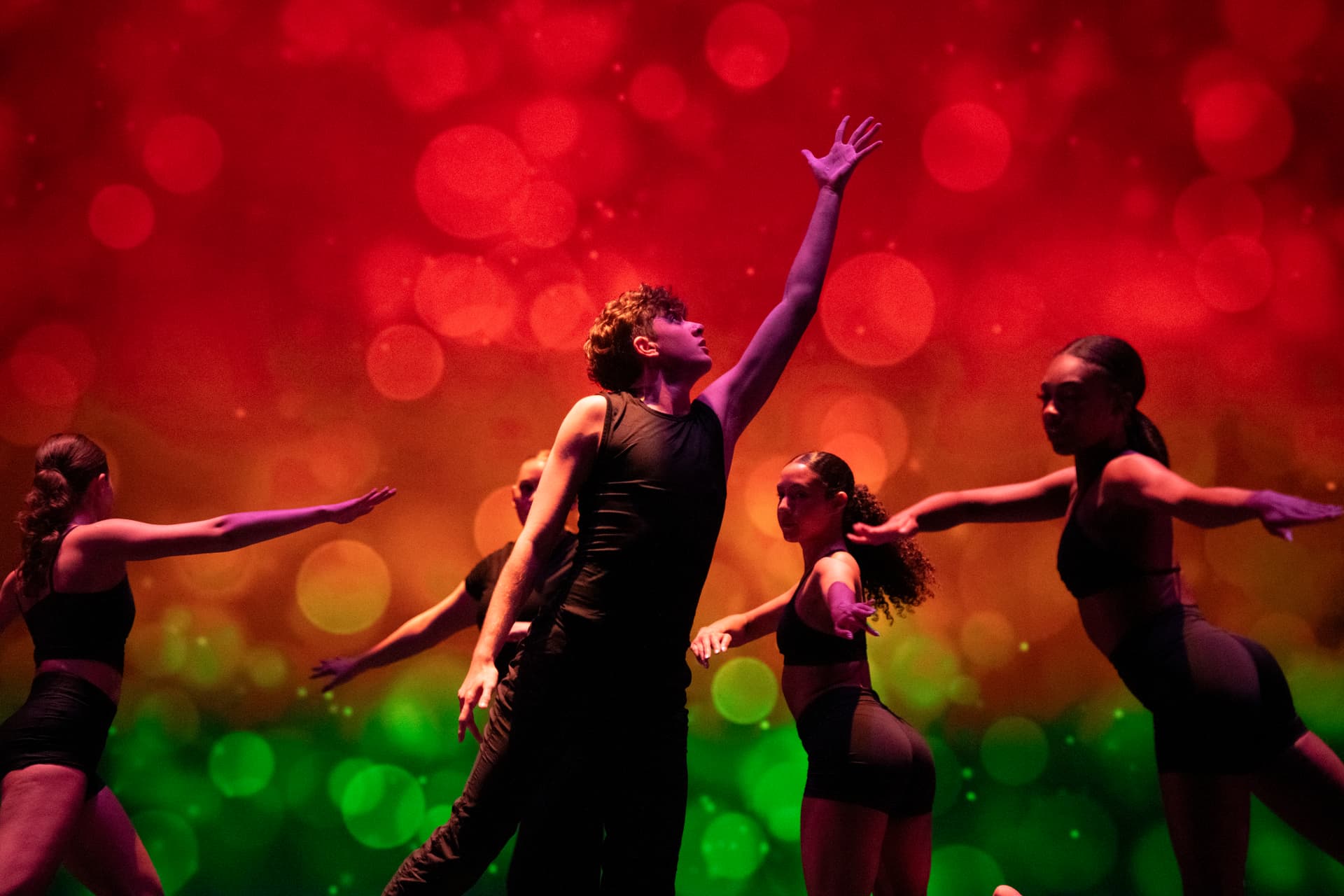
At Texas State University, a fine arts education extends far beyond mastering physical technique, memorizing lines or writing a script.
Guided by a holistic approach, the School of Theatre, Dance, and Film centers its curriculum on empowering its students and nurturing the whole storyteller.
Texas State’s Department of Theatre and Dance was officially renamed the School of Theatre, Dance, and Film in 2024. Placing all three disciplines in the same school was an intentional choice, said Sarah Maines, the school’s director, as it encourages and creates the expectation for innovation and collaboration.
“We are all storytellers,” Maines said. “Current trends in storytelling and entertainment tend to weave a lot of these components together.”
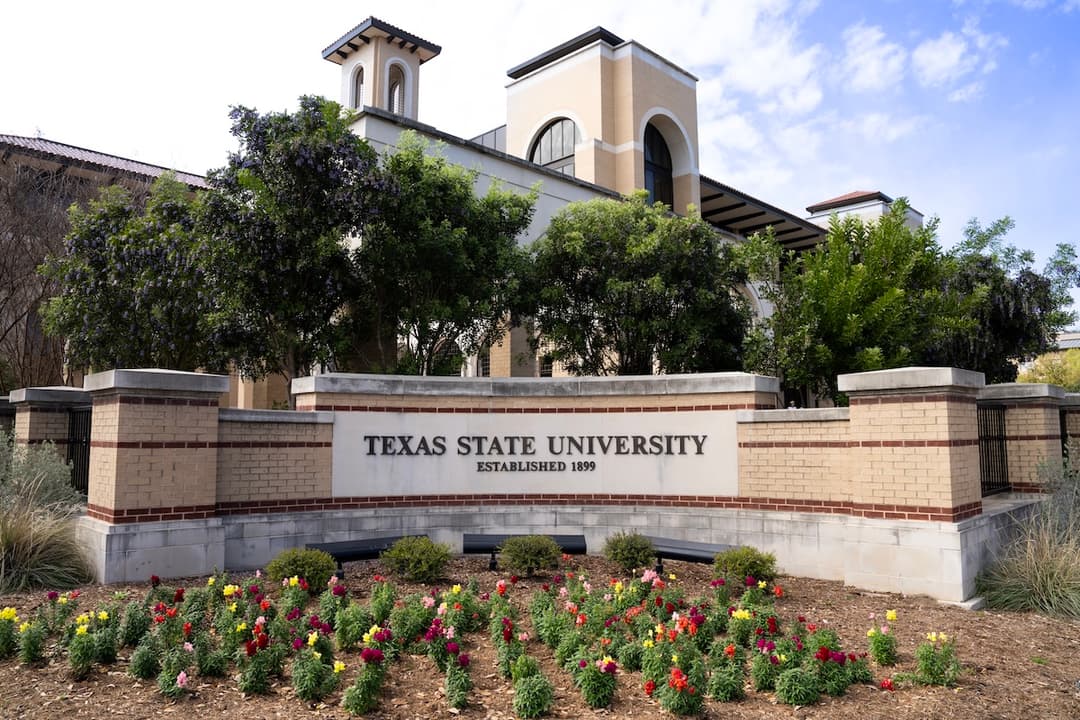
As the university continues to grow and make local, national and international headlines, the classrooms, stages and studios within SoTDF are also booming with creativity and building the next generation of storytellers and entertainers.
What skills does a fine arts education at Texas State offer?
The degree programs within all three disciplines are focused on skill-building that allows students to seamlessly transition into their respective industries or a combination of them, Maines said.
In dance technique classes and concerts, as well as theater stage productions, students engage in all aspects of creating those experiences. Students are constantly doing professional work with faculty as well.
“In our academic programs, we want to ensure classroom experiences give students the skills to be strong collaborators, communicators and artists so they can then apply those critical skills to practical experiences,” Maines said.
Recognized as one of the largest undergraduate dance programs in Texas and consistently ranked among the top 20 national programs, Texas State’s Division of Dance cultivates performers, choreographers and educators.
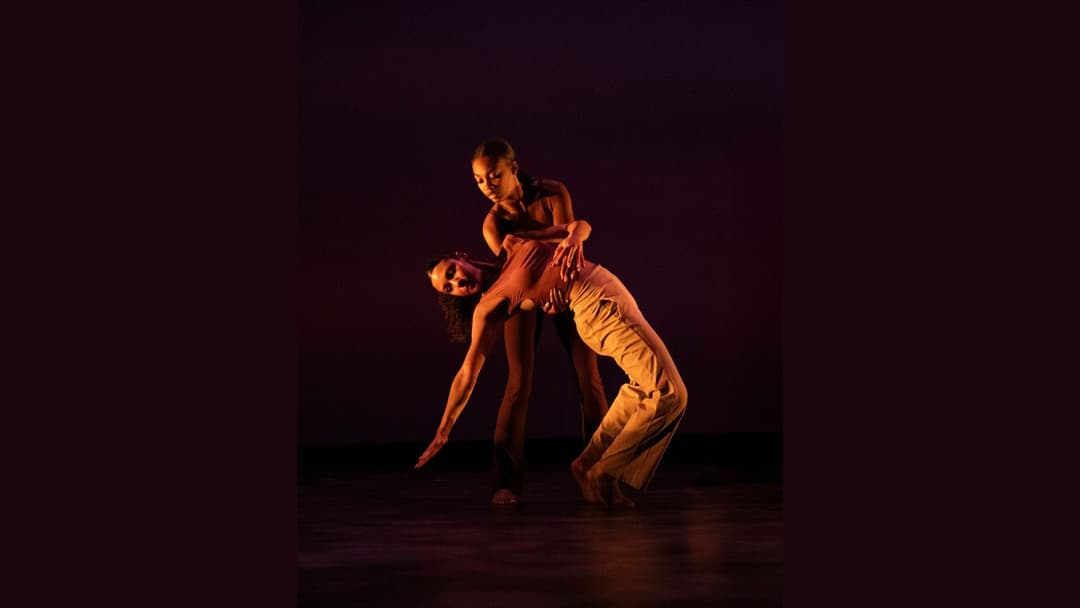
“We're interested in facilitating the growth of humans before anything else,” Michelle Nance, associate director of SoTDF, Dance Division, said. “We approach dance training from multiple perspectives, exposing students to a wide range of opportunities in the field, from performance and teaching to leadership and advocacy."
Students’ hands-on learning equips them with skills useful in life and in careers across industries. Texas State dance alumni thrive across every corner of the field, working as performers on stages and sports teams, dance directors, instructors, arts administrators, stage managers and university professors.
Nance said students learn physical discipline, body awareness, project management, adaptability, resilience and creative problem-solving. Every dance student participates in at least one of the six to seven productions—most of them student-led—throughout the year.
In each degree plan within the Division of Dance, students learn not only to perform and choreograph, but also to manage lighting, design costumes, create publicity campaigns or write grants. Ensembles and classes with guest artists and lecturers throughout the year provide more opportunities for learning by doing.
How do degree paths cross at the School of Theatre, Dance, and Film?
Since collaboration remains at the heart of the academic journey within SoTDF, students in the programs frequently collaborate and are often required to take cross-disciplinary classes.
“The skills found in these degrees of collaboration, communication, innovation, creativity, resourcefulness, grit and work ethic—I don't know many people who have as much discipline and work ethic as people from these disciplines,” Maines said. “I think all of those are incredibly valuable skills in so many different businesses and industries that our graduates might pursue."
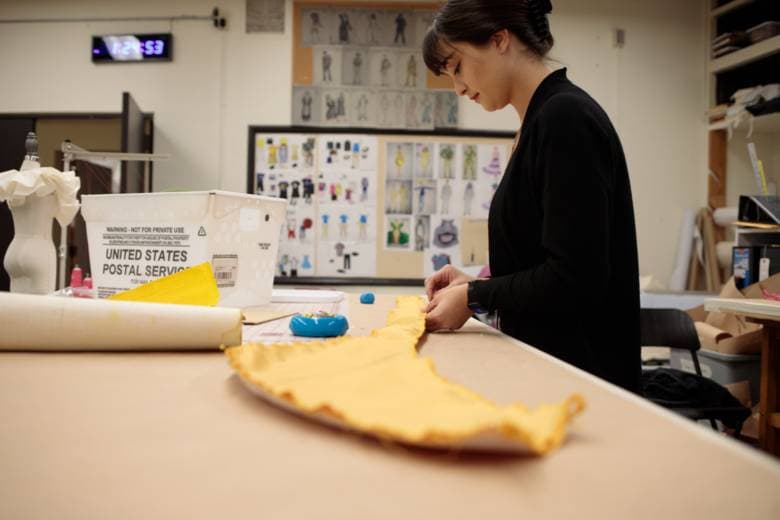
In the Division of Theatre—which has been ranked among the top drama programs in the world—the Acting for Stage & Screen degree program has evolved to train students to pursue performance careers across all mediums, from the stage to movies and television, as well as web series, voice-over and commercials.
Classes in that degree program, like Beginning Acting and Introduction to Theatrical Design, are also required for film students. Screen Dance, a cutting-edge dance class that teaches choreography through the lens of a camera instead of a stage, is a course that all students have recently had the chance to explore.

“I don't ever want to silo ourselves off as just the film program,” Johnny McAllister, associate director of SoTDF, Film Division, said. “No, we're going to lean into these other arts and ensure that our students have an open mind about the skills they have and how they can apply them in all these different contexts.”
How has Texas State’s film program evolved?
Texas State formally established a film degree path in 2019. As of 2024, the program served over 300 film and pre-film majors in classes for screenwriting, directing, cinematography, audio design, editing and producing.
All film program faculty are working filmmakers whose films have made it to high-profile festivals such as Tribeca, Sundance and Cannes.
Live Oak Hall, which houses a large production soundstage, editing labs, a television studio and a Foley room for sound design, gives film students access to industry-standard equipment and professional spaces right on campus.
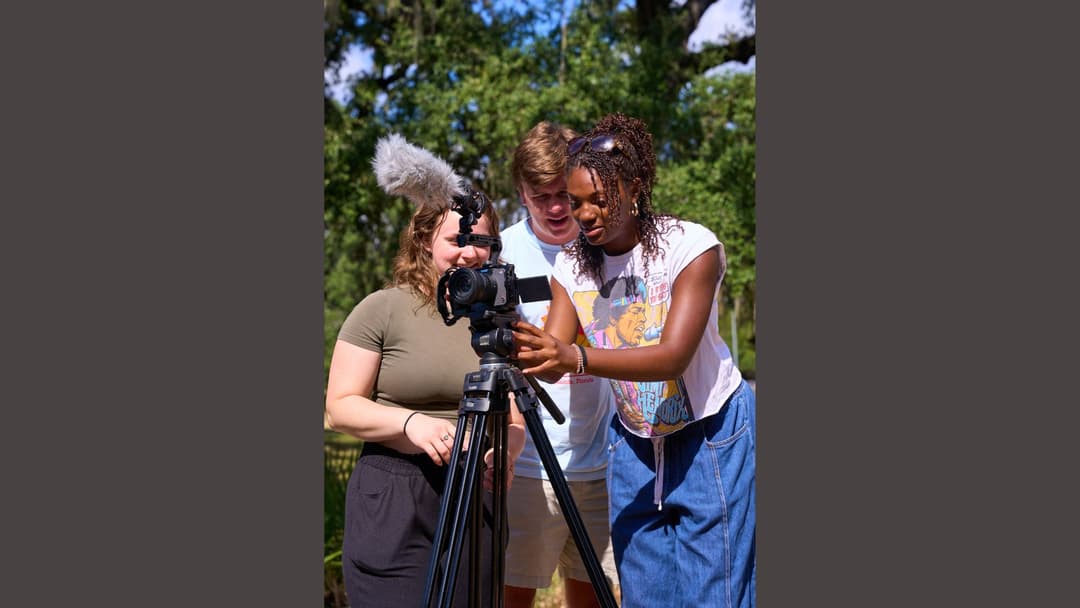
The Division of Film continues to expand alongside Central Texas's booming entertainment industry, from new legislation to revitalize the local film landscape to new studios being built to evolving entertainment mediums, including streaming and other new media.
“We want to challenge the idea that you have to be in New York or Los Angeles to be able to succeed in these careers, or that those are the only places you can find great artistic work,” Maines said.
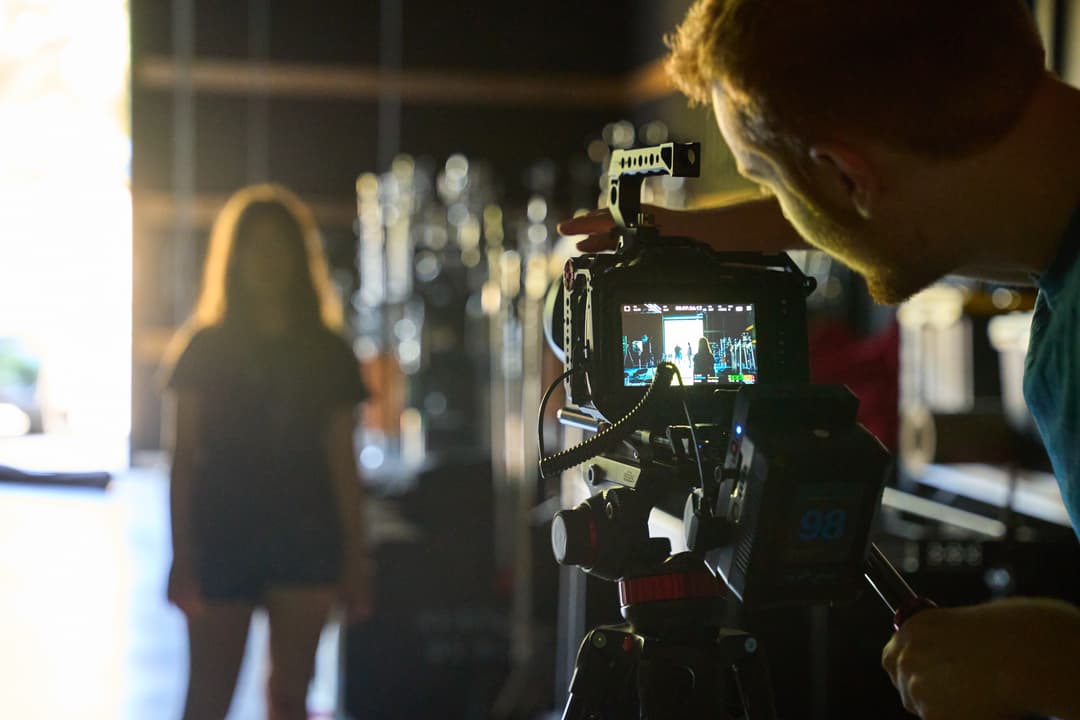
The ultimate mission is to prepare students to lead the future of storytelling. McAllister said his goal is to carry on the lessons of Tom Copeland, former executive director of the Texas Film Commission, who laid the foundation for Texas State’s film program and believed in educating “the complete filmmaker.”
“I think storytelling has evolved into a kind of tool that inflects every aspect of our lives,” McAllister said. “I think that regardless of how we intend to explore new technology and how they affect us, that's going to be our North Star—understanding story, writing story, telling stories. That's kind of the central force.”
What’s next for the School of Theatre, Dance, and Film?
As Texas State surges forward in national prominence—pursuing top-tier R1 research status and joining the Pac-12 Conference—and experiences local growth, the School of Theatre, Dance, and Film mirrors this upward trajectory by continuously expanding its reach.
Supported by strong institutional momentum, evolving degree programs and working faculty who actively recruit students for award-winning projects, the School of Theatre, Dance, and Film stands out as a dynamic creative hub, proving that as Texas State grows, its performing arts programs are leading the charge.
Learn about the School of Theatre, Dance, and Film’s degree paths, get tickets to upcoming stage productions and more here:
Website: www.sotdf.txst.edu; www.txstatepresents.universitytickets.com
Phone: 512-245-2147
Address: Theatre Center 101, 601 University Drive, San Marcos
Email: [email protected]
What degree programs are offered through Texas State University's School of Theatre, Dance, and Film?
Students can pursue a variety of undergraduate degrees across film, dance and theater. Programs include a BFA in Cinematic Arts; a BA in Dance; BFA in Dance with concentrations in performance and choreography, dance studies, and teacher certification; a BFA in Acting for Stage and Screen; a BFA in Musical Theatre; a BA in Theatre; and a BFA in Theatre with multiple concentration options. Students can also pursue minors in theater or dance.
How do film, dance and theater students collaborate at Texas State?
All three divisions operate under a single umbrella to encourage cross-disciplinary learning. Film students are required to take coursework in acting, theatrical design and stagecraft to understand every role on set and support performers behind the scenes. Vice versa, theater students perform in films and take film classes. Similarly, dance and film majors collaborate on innovative mediums like Screen Dance, which combines choreography with film production.
What hands-on learning opportunities are available for students?
Students gain real-world production experience using comprehensive campus facilities. These include dedicated soundstages, audio recording and Foley rooms, post-production editing labs, specialized dance studios, and multiple performance theaters fully equipped with paint, prop and costume shops.
Do students have opportunities to work with active industry professionals?
Yes. Students get opportunities to work with professionals such as guest choreographers, directors, screenwriters, filmmakers and professional actors. Many faculty members across all three divisions are actively working artists. Students frequently work directly on faculty productions—such as feature films, theatrical productions and professional dance showcases—earning real-world credits before graduation.
What career opportunities and transferable skills can students gain through these programs?
Beyond traditional roles like performing, directing or choreographing, graduates gain highly transferable skills in project management, creative problem-solving, collaboration, multi-sensory processing and adaptability. Alumni succeed across numerous fields, including education, law, arts administration and video production.