

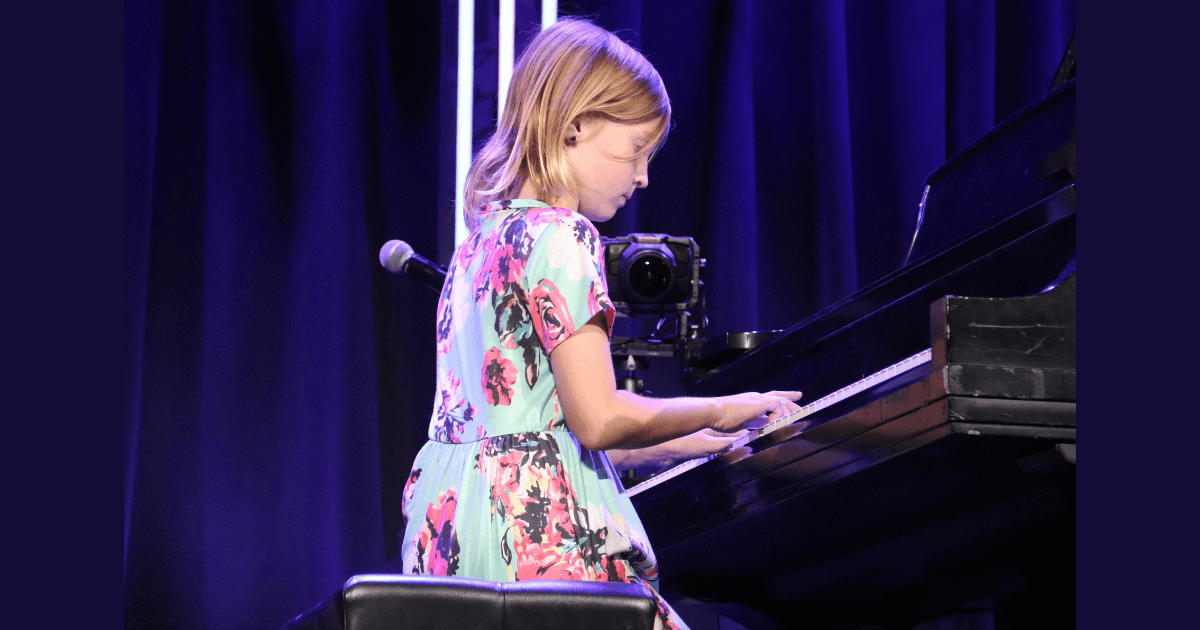
How can music lessons shape a child's future?
When Lincoln, a student at Grapevine Performing Arts, first began taking piano lessons with Mrs. Amy, she noticed Lincoln was impatient with himself. Like many young players, he became frustrated when he had to relearn techniques, review the piece again or correct bad habits. Instead of giving up, he continued working through the challenges, gradually developing not only his musical abilities, but also the resilience to overcome difficult moments.
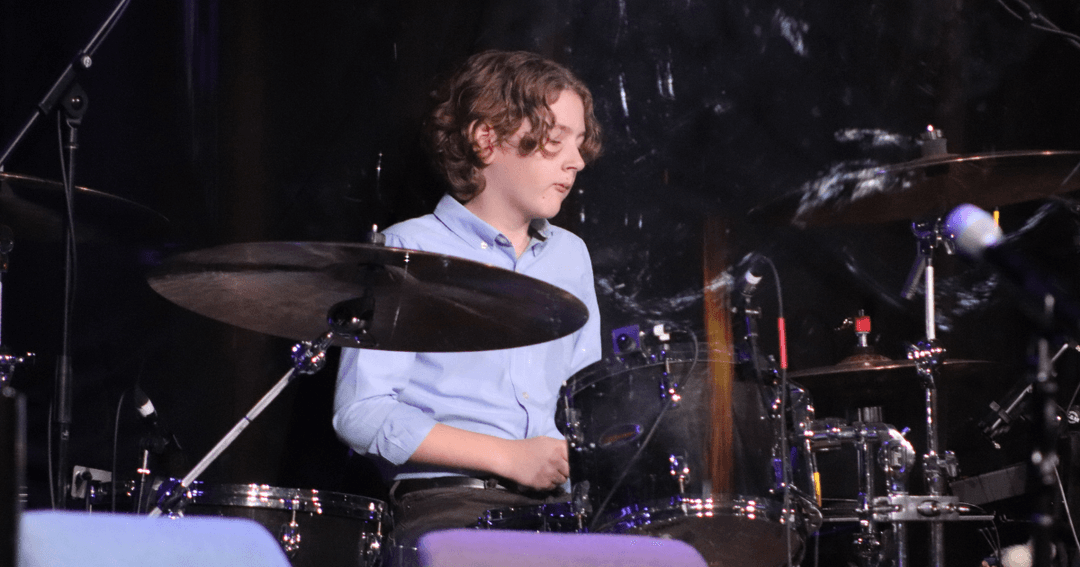
Ten years later, Lincoln became an accomplished pianist, played on the drum line at GHS and is studying History with the plans of being a professor. Piano is essential in his life, not simply for performance or accomplishment, but because music has become an important source of personal strength and joy.
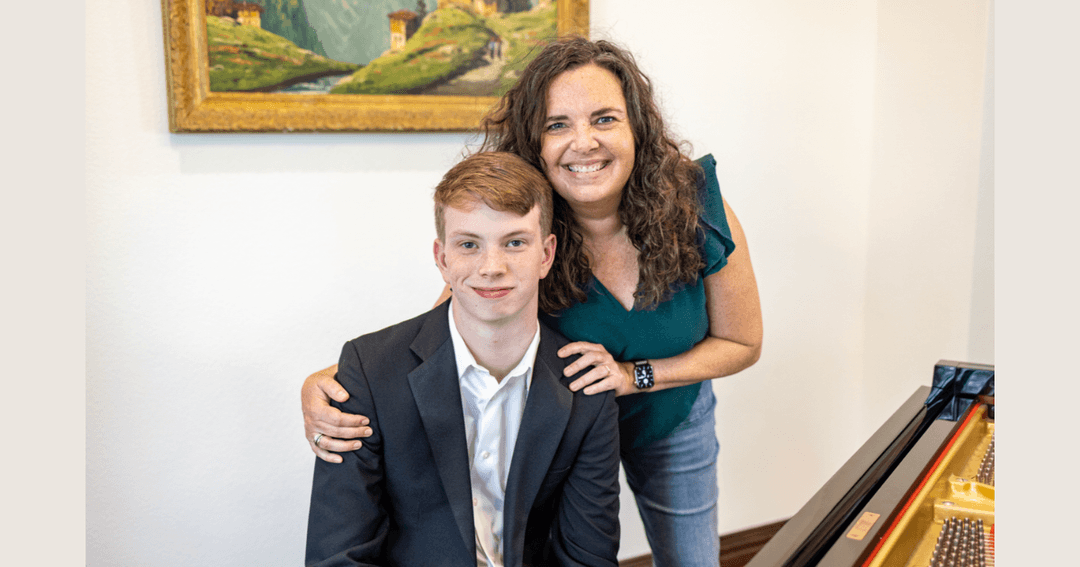
For Grapevine Performing Arts owner Amy Lyday, stories like Lincoln's are exactly why she believes music education is one of the most valuable investments parents can make in their children.
"I've seen it with my own eyes time and time again; Children are happy when they learn an instrument. They slow down, they play a song that sounds beautiful and they want to do it again and again. With each year, as piano gets more challenging, it builds their character. Children who commit to learn a skill that's difficult are much more successful in life," Lyday said. "They're able to handle the things that come at them better than those who've never been challenged in their early years."
When is the optimal time to begin music lessons?
According to Lyday, the ideal age to begin music lessons is six or seven. This is because younger brains are more adaptable and better equipped to develop the complex skills involved in reading music and coordinating movement.
She recommends piano as a starting point because it teaches students to read both treble and bass clefs, while developing fine motor skills and music-reading abilities that transfer easily to other instruments later in life.
Whether students eventually pursue band, choir or another musical discipline, those early years create a strong foundation while strengthening reading, math, memory, focus and creative thinking.
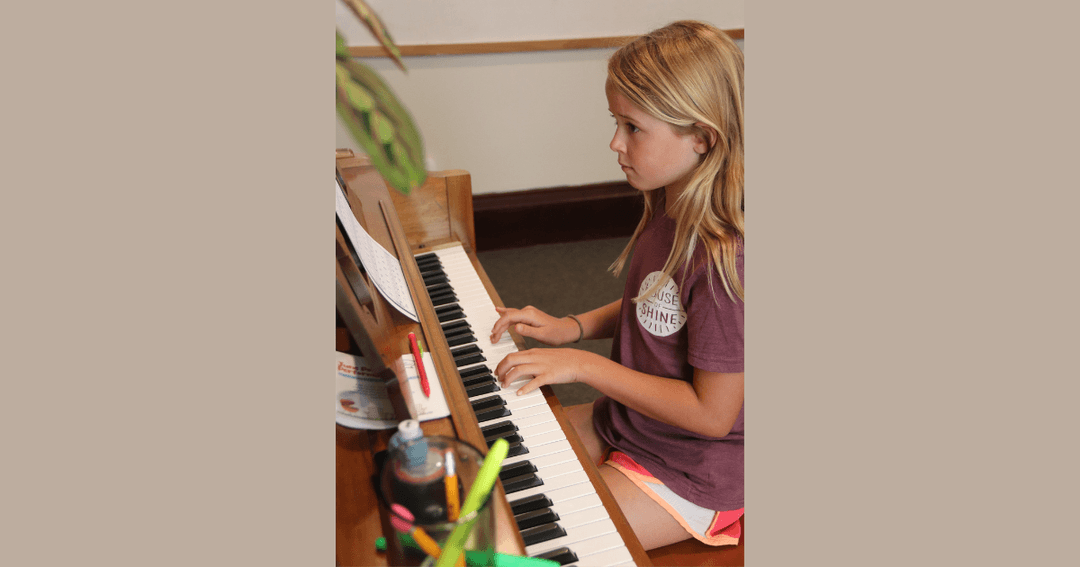
How often should students practice at home?
At Grapevine Performing Arts, success isn't measured by marathon practice sessions, it is measured by consistency.
Instructors encourage students to practice five days each week. According to Lyday, consistency helps the brain absorb new information more effectively than practicing for longer periods, only once or twice a week.
Students keep practice records, and with every practice record that is turned in, that child has exhibited a commitment to be disciplined. Grapevine Performing Arts believes that rewarding this disciplined character is vital, because disciplined children lead fruitful lives. The reward is truly in the character that is being built in each student.
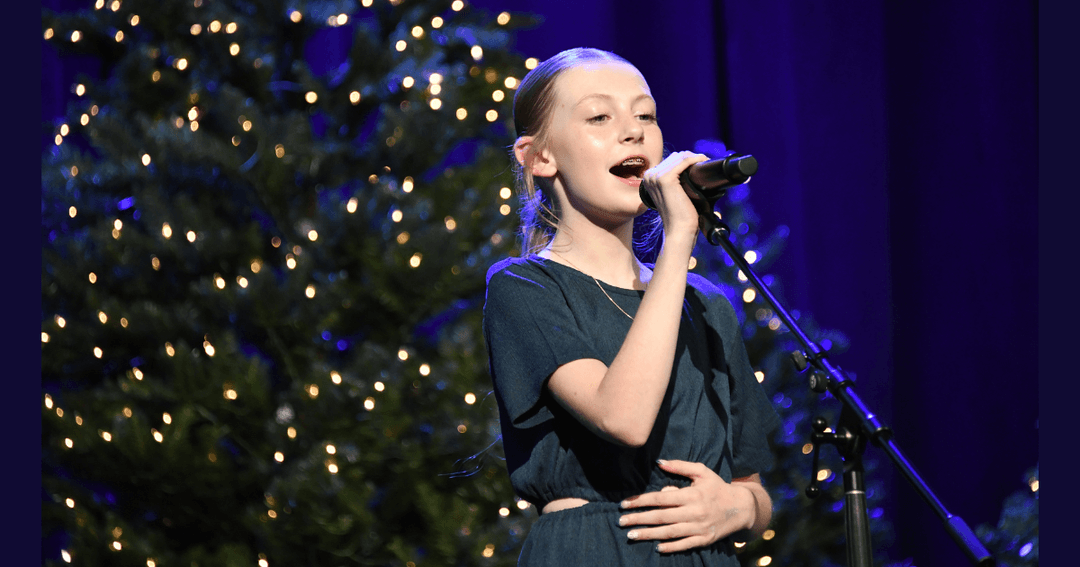
Along with weekly lessons, students regularly perform during formal recitals and the studio's popular Porch Performances, where musicians of all ages share their progress in a relaxed outdoor setting with family and friends.
Each performance gives students another opportunity to overcome nerves, celebrate milestones and build confidence.
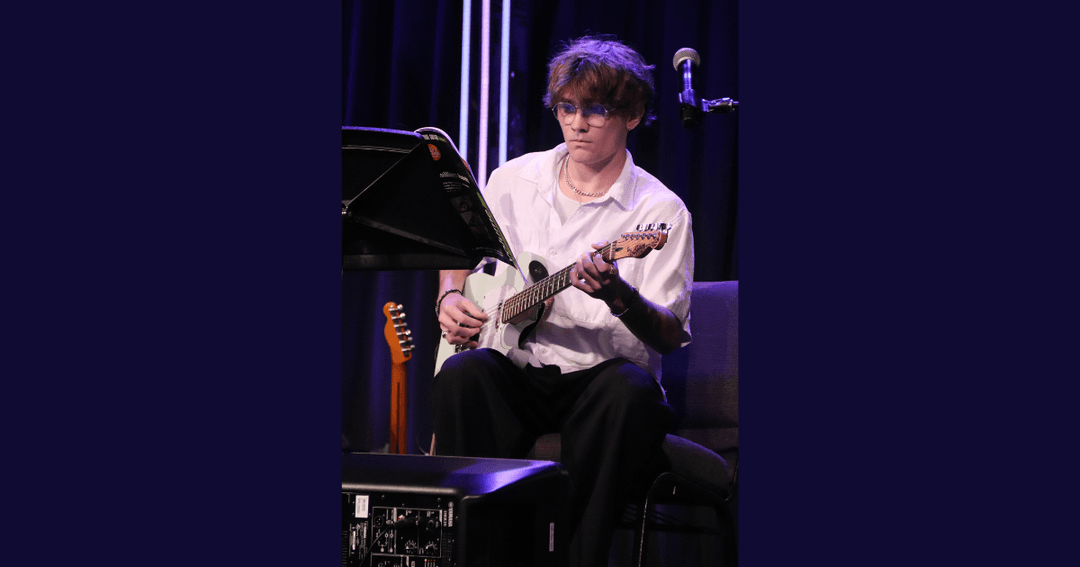
How do instructors support students beyond lessons?
While musical growth is the goal, Lyday believes relationships are just as important.
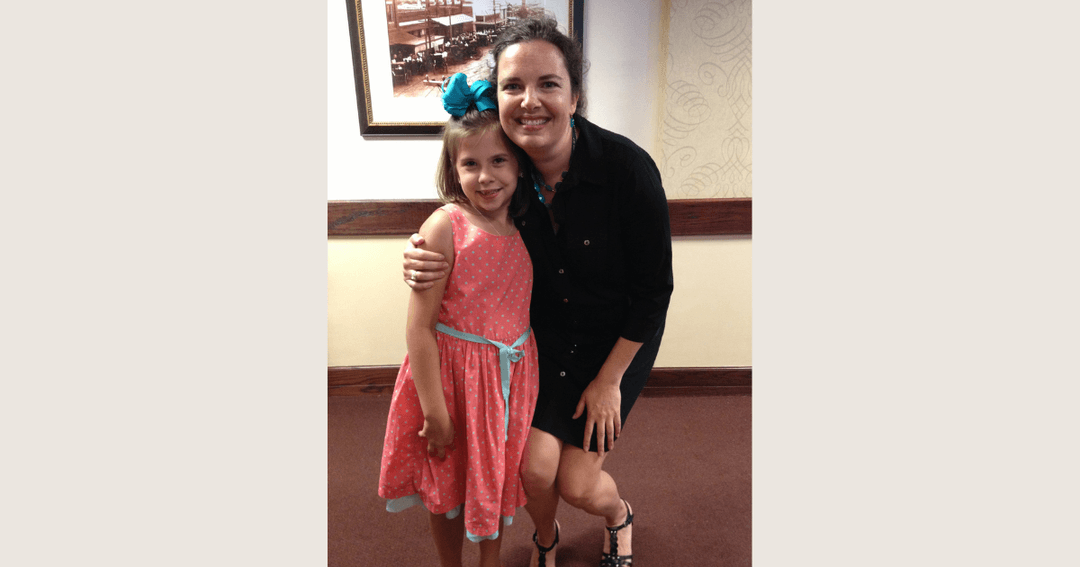
Claire, one of her earliest students, first walked into the studio as a 7-year-old piano student. After years of lessons, she became an accomplished musician before joining Grapevine Performing Arts as a teaching apprentice at age 16. Today, she continues to teach alongside Lyday. Claire's journey reflects how music lessons often become something much bigger than learning notes on a page.
"We teach music, and we become mentors," Lyday said. "The child will come in every day and get greeted with, 'How was your week? What did you do? How did that baseball game go?' It's not just about the music; we care about them as people."
Those lasting relationships give students another trusted adult who celebrates victories, encourages perseverance and supports them through every stage of childhood. And with Claire, that mentorship she received from Lyday resulted in her becoming a mentor to the next generation of pianists.
Why is the back-to-school season a great time to enroll in lessons?
As families prepare for another school year, Lyday encourages parents to consider the long-term impact of music education.
In her view, learning an instrument develops independence through daily practice, confidence through public performances and stronger thinking skills through consistent mental engagement. Just as importantly, students discover a creative outlet they can enjoy for the rest of their lives.
“Instead of giving the child a phone, iPad or gaming [console] early on, what if parents exchange that for a musical habit? What would happen if they allowed their child to engage with a ‘screen’ of sheet music, where the keyboard is their ‘controller’? It’s the same concept; it’s just a much harder controller, and it gives the child dopamine hits that are much deeper,” Lyday said. “If your goal as a parent is to create independent, confident and strong-minded children, the piano lessons starting at age six are where you need to be.”
The back-to-school season is a great time to adjust schedules and incorporate music lessons. For those interested, here is everything you need to know:
Website: www.grapevineperformingarts.com
Phone number: 817-410-2787
Address: 212 E. Franklin St., Grapevine
There is a Back to School Special running now until Sept. 30: three lessons for $99.
Hours: Mon.-Thurs. 9 a.m.-8:30 p.m., Fri. 9 a.m.-7 p.m. and Sat. 9 a.m.-2:30 p.m.
A quick recap FAQ
What age should my child start music lessons?
Grapevine Performing Arts owner Amy Lyday recommends starting at age six or seven. Younger brains are more adaptable and better equipped to develop music-reading and fine motor skills, and those early foundations carry over into band, choir and other disciplines later on.
What instruments does Grapevine Performing Arts teach?
The studio offers private instruction in piano, voice, guitar, drums and violin for students of all ages.
How often should students practice at home?
Instructors recommend practicing at least five days per week, even if sessions are only ten minutes long. Consistent daily practice helps the brain absorb new skills more effectively than longer, infrequent sessions. Students who complete consistent practice records are rewarded with gift cards.
The above story was produced by Senior Multi-Platform Journalist Sydney Heller with Community Impact's Storytelling team with information solely provided by the local business as part of their "sponsored content" purchase through our advertising team.