

When someone hears the words “You have cancer,” life can change in an instant.
The diagnosis brings a flood of questions, uncertainty and fear. What happens next? Where do I go? How will I manage treatment alongside work, family and everyday responsibilities?
At Harris Health, answering those questions goes beyond providing medical care. It’s about helping patients navigate the entire journey—from diagnosis and treatment to recovery and survivorship.
Meeting patients where they are
Cancer patients enter Harris Health’s oncology system in various ways.
Some arrive through routine screenings at a primary care clinic. Others are diagnosed after an emergency room visit or come to Harris Health after starting treatment elsewhere. Regardless of where that journey begins, the goal is the same: connect patients with the oncology care they need and guide them forward.
“We try to meet patients where they are in their cancer journey,” said Amineh Kostov, senior vice president of System Service Lines, Harris Health. “Cancer care isn’t one size fits all. Patients come to us at different diagnosis and treatment stages, and our role is to guide them through the process, connect them with the right specialists and ensure they have the support they need.”
That approach is supported by a broad network of primary care clinics, oncology specialists, hospitals and outpatient facilities across Harris County. Whether a patient needs diagnostic imaging, surgery, chemotherapy, radiation oncology, or supportive care, multidisciplinary teams coordinate treatment and ensure patients see the right specialists at the right time.
The path to answers
For many patients, the cancer journey begins with diagnostic testing.
The process varies based on the cancer type and stage, but the healthcare team uses imaging, lab testing and specialty evaluations to determine the best course of action to meet the patient’s needs.
At the same time, patients are introduced to a larger support system designed to help them understand the next steps.
Through Harris Health’s Cancer Resource Centers, newly diagnosed patients attend an orientation session that introduces available services and connects them with care management, emotional support and navigation resources.
“When patients first receive a cancer diagnosis, they’re often overwhelmed and trying to process a lot of information,” said Krystal Luong, supervisor of the Cancer Resource Center, Harris Health. “The orientation helps patients understand what to expect so they feel more supported and confident about the next steps in their care.”
A team around each patient
Cancer treatment rarely involves a single provider. Physicians, nurses, pharmacists, therapists, diagnostic specialists and support staff collaborate to create individualized treatment plans.
This team-based approach ensures care is medically precise and well-coordinated across all treatment stages—from diagnosis and imaging to treatment delivery, symptom management and follow-up.
For patients, that means fewer communication gaps, faster access to specialists and a clearer understanding of next steps.
“It’s a well-choreographed dance among multiple partners, where every specialist has a defined role and is constantly communicating and adjusting to the patient’s needs in real time,” said Diana Mathai, director of radiology and radiation oncology at Harris Health Smith Clinic. “That coordination allows seamless care, reduces delays and gives patients a clearer, more supported experience through treatment.”
Research-driven, cutting-edge cancer care
Harris Health’s oncology program is strengthened by partnerships with academic institutions such as the University of Texas MD Anderson Cancer Center, Baylor College of Medicine and UTHealth Houston, connecting patients to the latest cancer care advances. These collaborations bring emerging therapies, evidence-based protocols and innovative treatment approaches directly into the clinical setting.
For patients, this means access to clinical trials and new technologies that are not widely available in community settings, offering more options for treatment plans.
It helps care teams apply treatment decisions that are guided by the most current evidence. The result is care that combines the accessibility of a local health system with the innovation of leading academic medical centers.
Looking beyond the diagnosis
Cancer care extends far beyond medical treatment.
Patients often face challenges related to transportation, food insecurity, finances, emotional health and daily life responsibilities. Harris Health addresses those needs through support services.
Resources include:
- Community health workers who help patients navigate care
- Transportation assistance for appointments
- Survivorship programs
- Art therapy support groups
- Peer mentoring through cancer survivor volunteers
- Wigs, head coverings and breast prostheses
- Connections to food assistance and community resources
“The goal is to remove barriers that might prevent someone from continuing treatment and to support the whole person—not just the disease,” Luong said.
Strengthening community health
Harris Health provides care for cancer patients, but leaders say prevention and education are equally important.
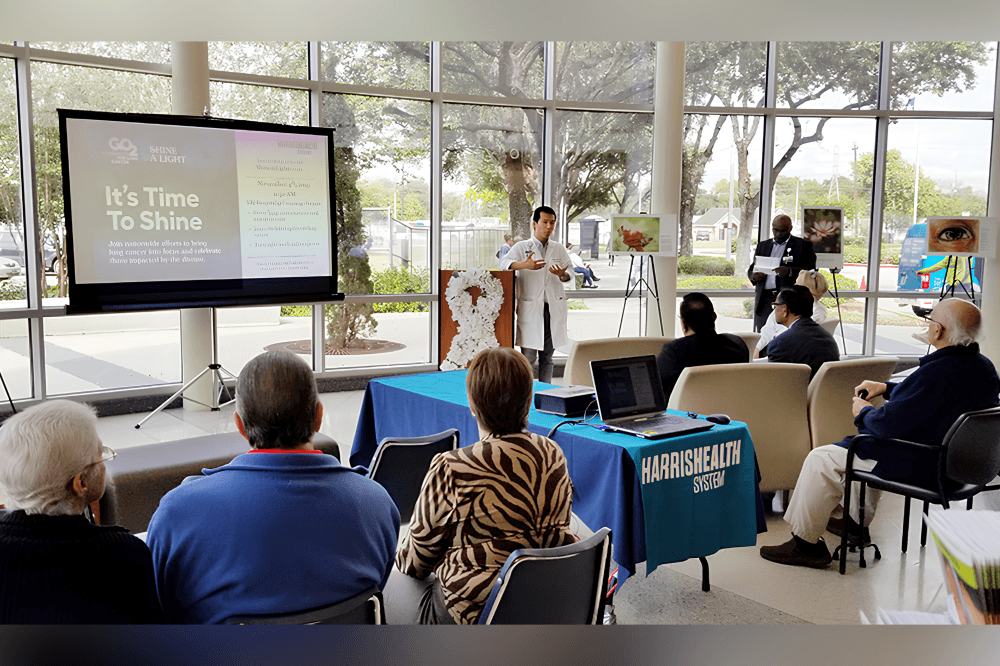
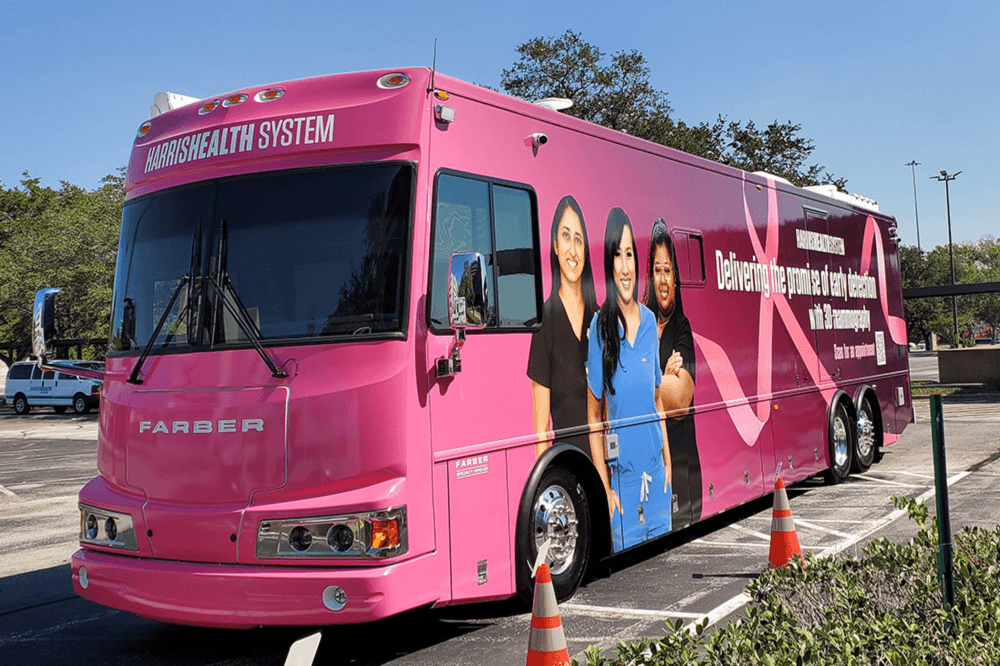
Community health fairs, cancer awareness programs, and mobile mammography services bring screenings and preventive care directly into Harris County neighborhoods. The health system also encourages residents to stay current on routine checkups and screenings to identify potential health concerns earlier.
For many residents, Harris Health serves as a safety-net provider when options are limited. For others, it is a choice. Either way, the mission remains the same: ensuring patients access comprehensive cancer care when needed most.
“For many people, cancer is something they will experience at some point in their lives,” Kostov said. “When that happens, we’ll be here to help.”
To learn more about oncology services at Harris Health, click here.
The above story was produced by Multi-Platform Journalist Chloe Chapel, with the Community Impact's Storytelling team, using information solely provided by the local business as part of their "sponsored content" purchase through our advertising team.