

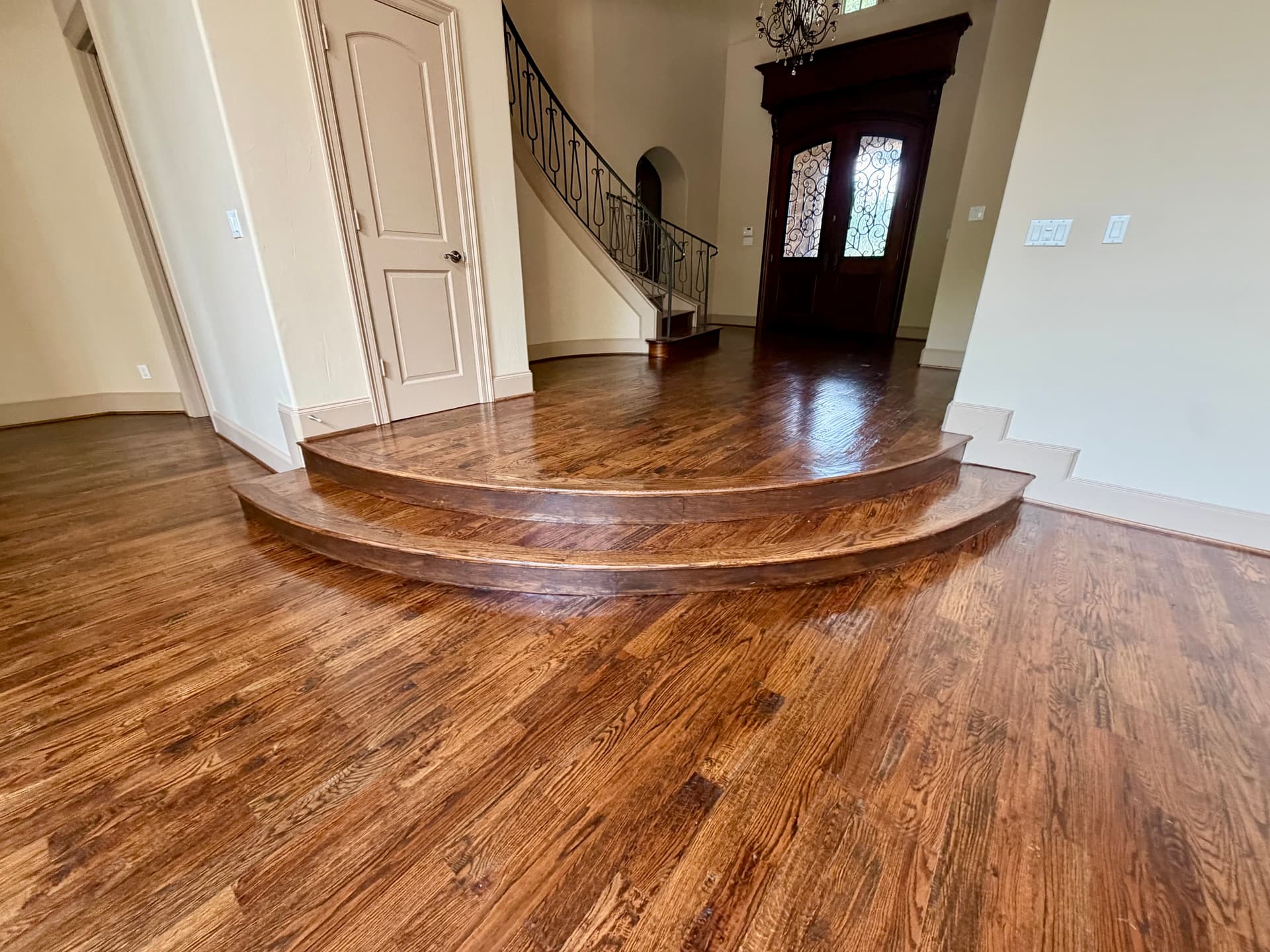
Wood floors are one of the most valuable design features in a home, but years of foot traffic, sunlight, cleaning products and everyday wear can leave them looking dull, scratched and aged.
Traditionally, restoring those floors meant a disruptive sanding and refinishing process that created dust and odors and could temporarily displace residents from their home.
At ReCoat Revolution of North DFW, homeowners have a far more convenient way to extend the life of their flooring.
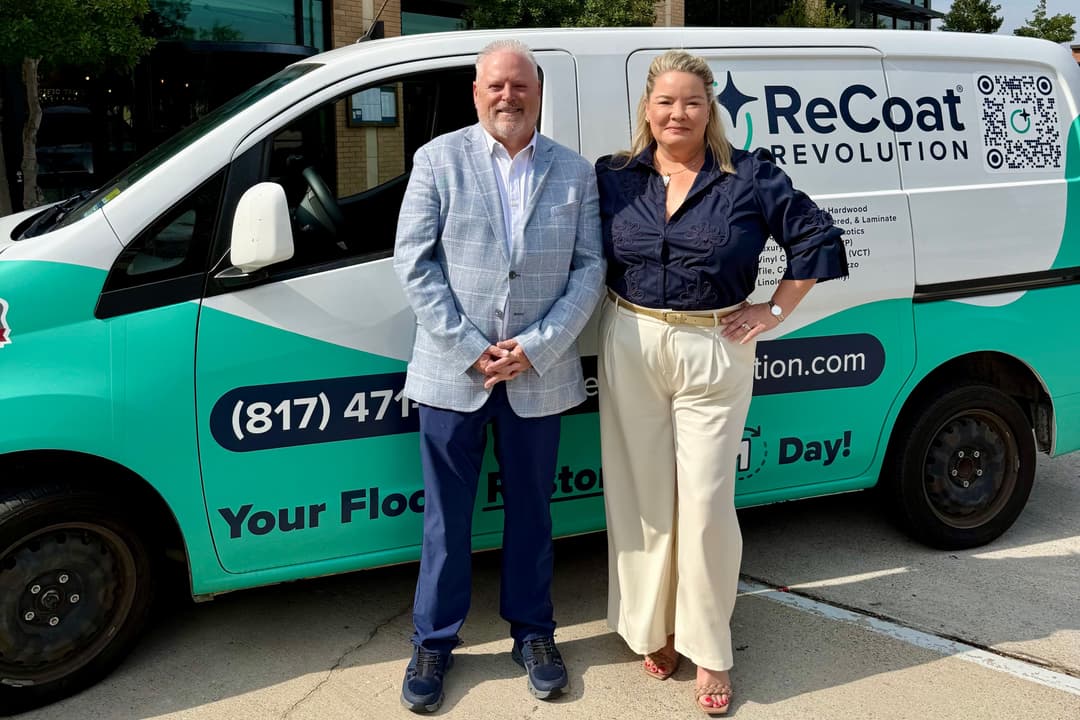
Owned by Southlake residents Joe and Jennifer Worrel, the business uses a dust-free, chemistry-based wood floor restoration and refinishing approach, allowing Dallas-Fort Worth-area homeowners to achieve fresh floors in just one day.
How does ReCoat Revolution’s floor restoration process work?
As the company's first franchise in Texas and the only location serving the Dallas-Fort Worth area, ReCoat Revolution of North DFW uses a unique process to clean and recoat wood floors.
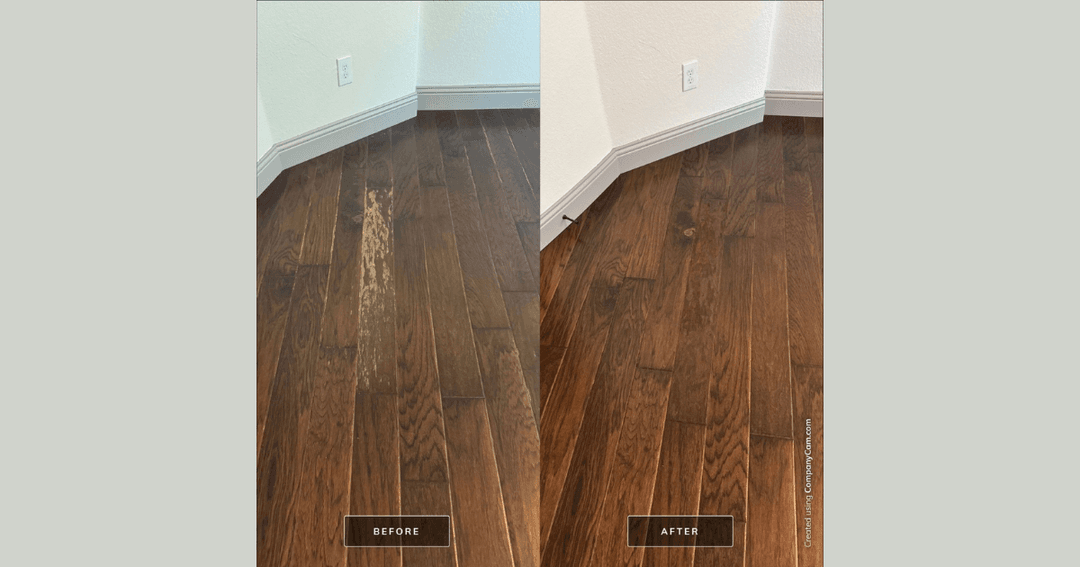
Unlike sanding, which removes material from the floor and can generate significant amounts of dust, ReCoat Revolution focuses on preserving the existing flooring while restoring its appearance.
“If you sand 1,000 square feet of flooring, it creates 40 pounds of sawdust,” Joe Worrel said. “Our process began with a kind of preservation-focused, artisanal approach that combined cleaning appropriate for historic floors with general wood floor care and maintenance.”
The safe, dust-free process begins with a thorough sanitization of the wood floor:
Step 1: Technicians use non-toxic cleaning solutions and extraction equipment to remove dirt, grime, waxes, acrylic coatings and other contaminants that have built up on the floor’s surface over time. This helps the final coating adhere later in the process.
Step 2: Once the floor is thoroughly cleaned, the team color-corrects worn areas to match the existing stain.
Step 3: A proprietary polyurethane finish is applied, locking in the clean, refreshed floors with a highly durable coating. The polyurethane is odorless and contains UV inhibitors that help reduce fading and discoloration caused by sunlight exposure.
While wood floor restoration is the company’s primary focus, the cleaning process can also be used on other hard surfaces, including tile, stone, brick, stained concrete and vinyl flooring products.
How long does the restoration process take?
Convenience is another major advantage of ReCoat Revolution’s process. While traditional refinishing projects can take several days, the water-based polyurethane finish dries in approximately three hours.
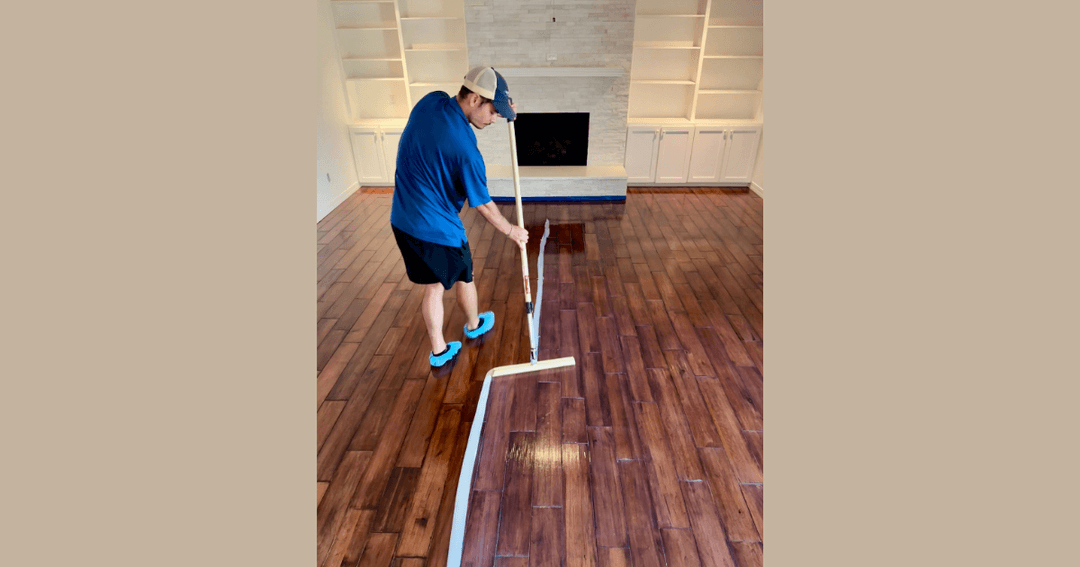
The start-to-finish process causes minimal disruption. Residential projects typically take just one day, so customers can be back in their homes by dinnertime. ReCoat Revolution recommends wearing socks and limiting pet traffic while the finish cures.
How can homeowners know if their flooring needs recoating?
ReCoat Revolution’s process begins with a detailed evaluation to determine whether a floor is a good candidate for restoration. Worrel said their team can pre-qualify homeowners for the recoating process by looking at floor type, finish, age, scratches, pet or water marks, sun exposure, cleaner or wax residue, and more.
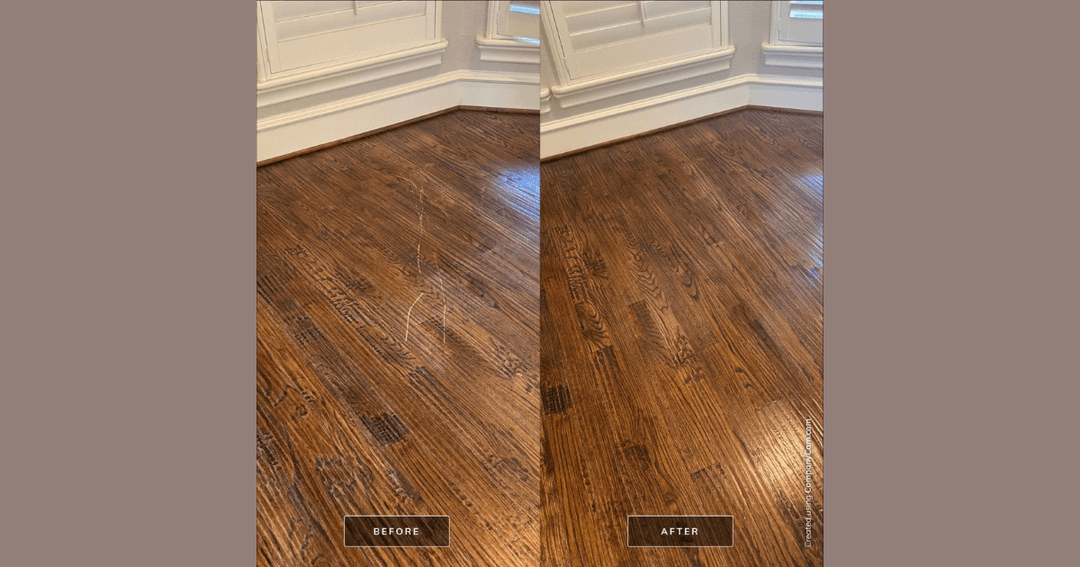
One of the biggest misconceptions homeowners have is that if a wood floor looks worn, sanding is the only solution. In reality, many engineered and prefinished wood floors cannot be sanded because their wear layers are too thin, making ReCoat Revolution the only option to avoid replacing the floors completely.
Although its process does not address structural flooring issues—such as cupping or warped boards, which do require sanding—the business’s technicians can restore a floor to near-original condition by simply addressing surface wear and cleanliness.
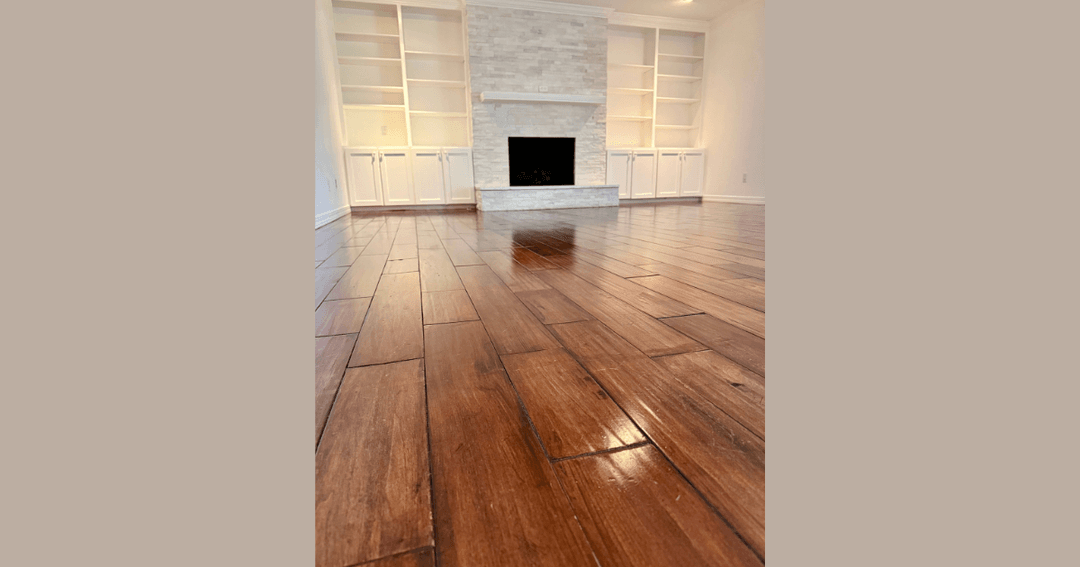
Traditional cleaning methods like mopping simply move dirt around on the floor’s surface. ReCoat Revolution can help homeowners go the extra mile to achieve a clean home.
“Extracting anything that's on the floor really does bring back the original luster and the beauty of those floors when they were installed,” Worrel said.
Bring your floors back to life
From historic buildings to new homes fresh on the real estate market, ReCoat Revolution’s transformational process protects floors for years to come.
Get a free quote and see more before-and-after results here:
Phone: 817-471-6892
Address: 1500 Corporate Circle, Suite 4, Southlake
What makes Recoat Revolution’s floor restoration process different from traditional refinishing?
Unlike traditional refinishing, which requires sanding and creates dust, Recoat Revolution uses a chemistry-based cleaning and restoration process that removes contaminants, restores worn areas and applies a new protective finish without sanding the floor.
Can all wood floors be restored without sanding?
Not every floor is a candidate, which is why Recoat Revolution provides a free assessment. The process is especially valuable for many engineered and prefinished wood floors that may not be suitable for traditional sanding and refinishing.
How long does the restoration process take?
Most residential projects are completed in a single day. Thanks to the company’s proprietary water-based polyurethane, homeowners can typically return to their homes the same evening after the finish has dried.
What types of flooring can Recoat Revolution restore?
While wood flooring is the company’s primary focus, its cleaning and restoration process can also be used on a variety of hard surfaces, including tile, stone, brick, stained concrete, luxury vinyl plank and other vinyl flooring products.