

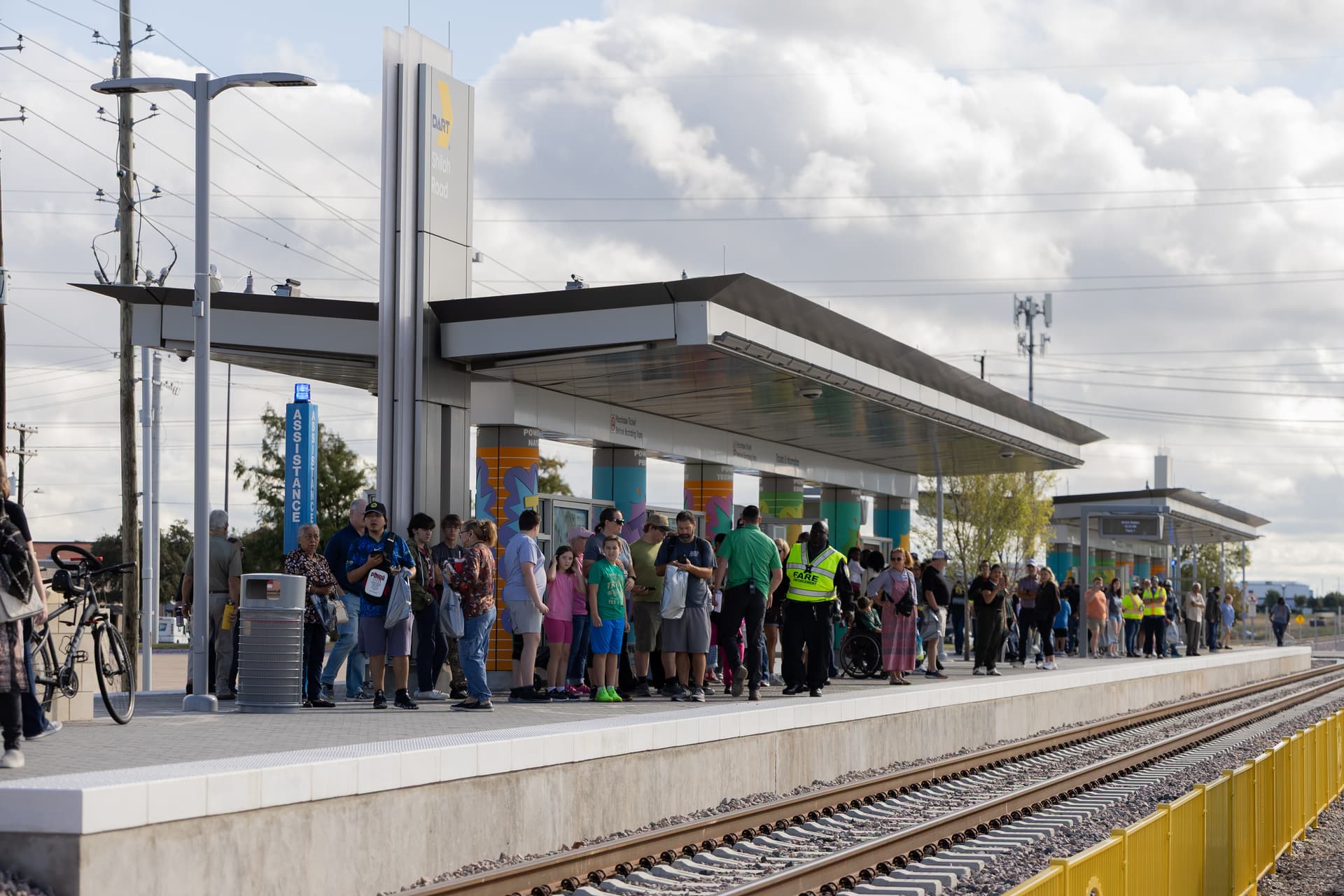
As North Texas continues to grow, so does the need for transportation options that connect residents to jobs, schools, entertainment and everyday opportunities.
For Dallas Area Rapid Transit, or DART, meeting that demand means expanding its network, listening to riders and investing in infrastructure to adapt to the changing needs of the communities it serves.
With the Silver Line celebrating its first anniversary, a $70 million federal investment supporting light rail modernization, a new safety and security initiative taking shape and a new president and CEO stepping into his role in October, DART is entering a new chapter of growth and transformation.
How does DART connect communities across North Texas?
Serving 12 member cities, DART provides transportation through light rail, buses, commuter rail, GoLink on-demand service and other mobility options. According to Jasmyn Carter, DART Director of Public Relations, DART moves 170,000 people per day.
"Our riders look like the doctor that has to get to work every morning or the school teacher, all the way to the person that's doing their first job interview and they don't have a car yet," Carter said.
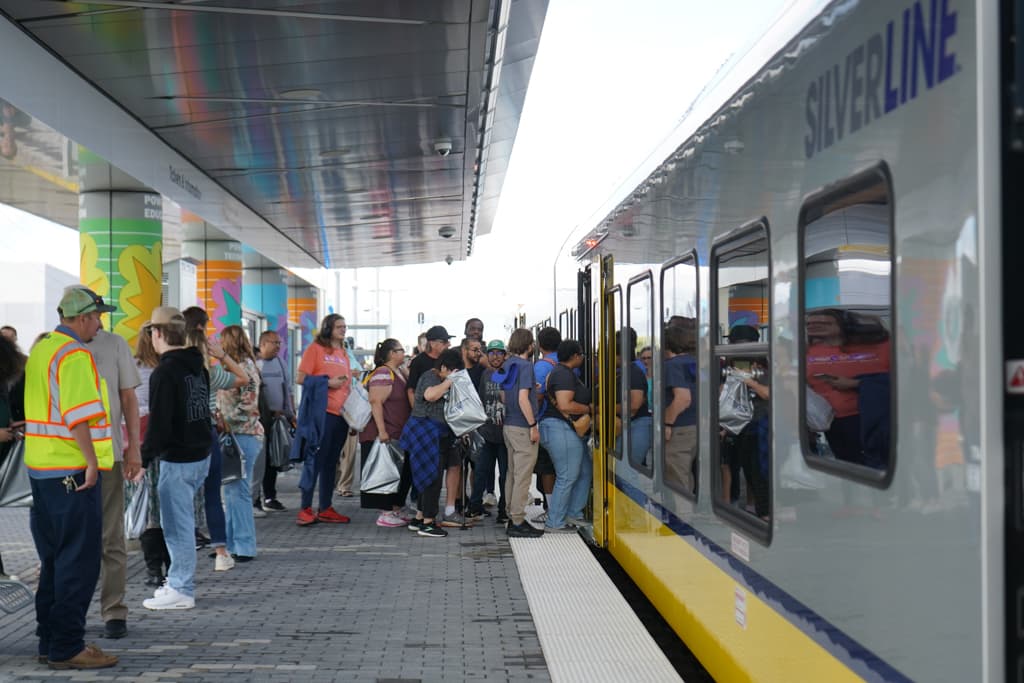
DART continuously evaluates population growth, density, travel patterns and community feedback to determine which services best fit each area. It recently expanded GoLink on-demand service in Plano from four zones to six, improving access to areas such as Legacy West and Willow Bend.
As the region welcomes new residents and businesses, Carter said DART remains focused on making transportation accessible to more people.
"It is connecting people to opportunity," she said. "And it doesn't matter what the opportunity is."
What has DART's Silver Line accomplished in its first year?
One of DART's most significant milestones is the first anniversary of the Silver Line, which launched Oct. 25, 2025.
The 26-mile commuter rail line connects Grapevine, Coppell, Dallas, Carrollton, Addison, Richardson and Plano with Dallas Fort Worth International Airport.
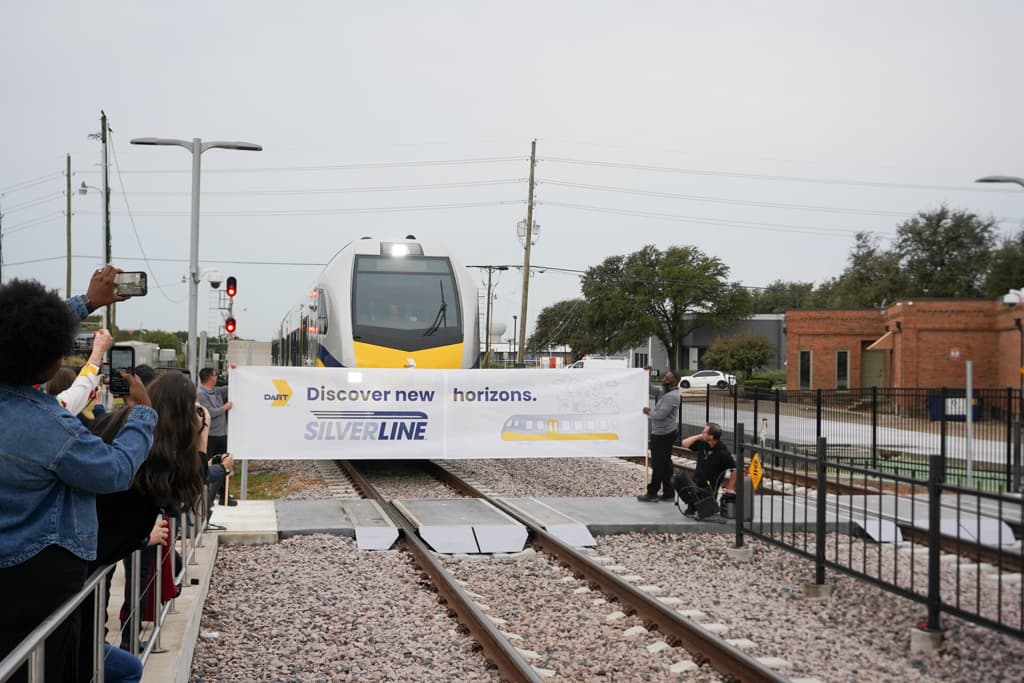
While airport access is a major benefit, Carter emphasized that the service offers much more. According to Carter, the Silver Line has transported approximately 600,000 passengers since opening, demonstrating how residents are incorporating the service into their routines.
"The more people become acclimated with the transit system, the more they think about it in their weekly routines or their daily routines," she said.
For DART, the milestone represents another step toward building a more connected transportation network as the region grows.
How is DART modernizing its light rail system?
Alongside expanding its transit network, DART is making investments in modernizing its existing infrastructure to improve the experience for current and future riders.
In September, DART received a $70 million grant from the Federal Transit Administration to help replace 53 light rail vehicles purchased more than 30 years ago.
The new vehicles are expected to provide more reliable service, improved performance and a more comfortable experience for passengers while helping the agency accommodate future ridership growth.
The investment is part of DART Transform, a 10-year modernization program focused on upgrading vehicles, stations, facilities and other infrastructure throughout the transit system.

How is DART making its light rail system safer for riders?
Unlike traditional closed transit systems, DART operates an open-platform light rail network.
The agency is developing a safety initiative to increase fare compliance and enforce DART’s Rider Code of Conduct across the light rail system. The first phase will test controlled entry points at certain light rail stations that require passengers to validate their fares before entering.
Carter said DART’s goal is to respond to community concerns through continued research, feedback and innovation, creating a safer, more welcoming environment for both current and future passengers.
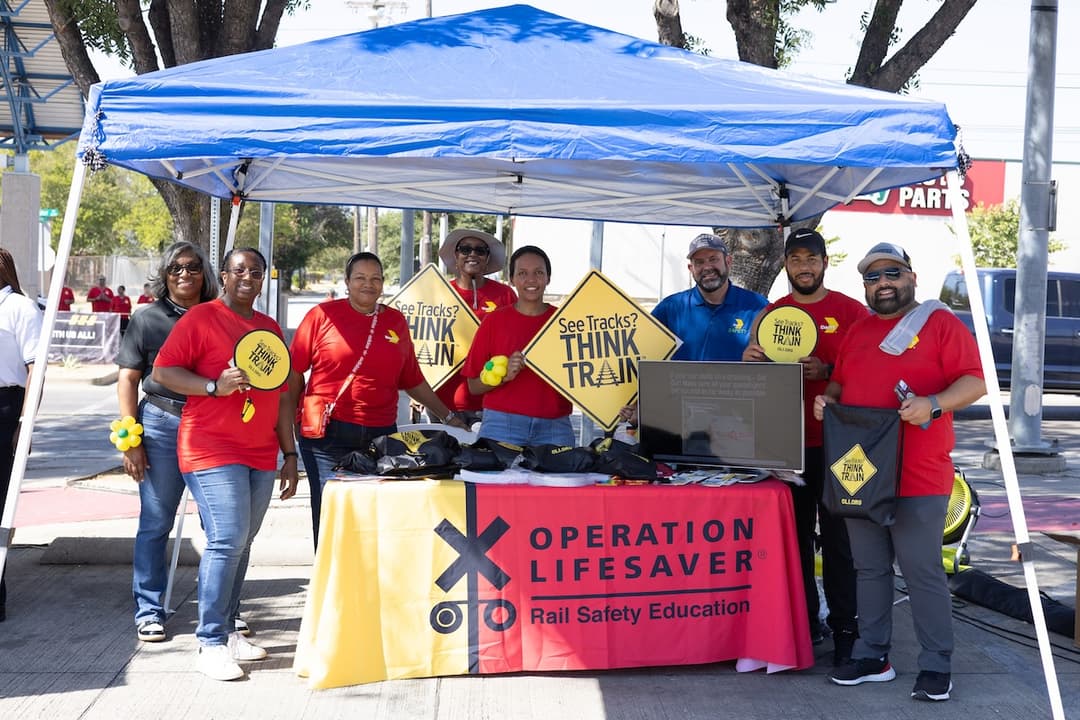
“With the migration of people comes people who are used to riding public transportation, and so what that means is looking at opportunities and ways to meet people where they are,” Carter said.
What's next for DART and North Texas riders?
Nathaniel P. Ford Sr. will step into his new role as DART president and CEO in October, marking another milestone opportunity for the agency to examine its future needs and service.
From expanding services to investing in rail infrastructure and strengthening security, DART is working to make public transportation a practical option for more North Texans. Carter said community feedback plays an important role in shaping those efforts.

DART wants residents to know that public transit can serve people from all walks of life, whether they're commuting to work, catching a game, traveling to the airport or exploring another part of North Texas.
“We understand that we have an audience of people who know that transit is a priority for the North Texas region…,” Carter said. “We are ready. We are more than capable of providing a world-class service.”
Learn more about DART's services, routes, schedules and upcoming initiatives here:
Website: www.dart.org
Phone: 214-979-1111
Address: 1401 Pacific Ave., Dallas
Frequently asked questions
What cities does DART serve in North Texas?
DART serves 12 cities: Addison, Carrollton, Cockrell Hill, Dallas, Farmers Branch, Garland, Glenn Heights, Irving, Richardson, Rowlett, Plano and University Park. The agency provides light rail, bus routes, GoLink on-demand transportation and other transit services, connecting residents to jobs, schools, shopping, entertainment and regional destinations.
Where does DART's Silver Line go?
DART's 26-mile Silver Line connects Plano, Richardson, Addison, Carrollton, Dallas, Coppell and Grapevine with Dallas Fort Worth International Airport. Opened Oct. 25, 2025, the commuter rail service provides connections to other transit options, making it easier to travel across North Texas.
How will DART's $70 million federal grant improve light rail service?
DART received a $70 million Federal Transit Administration grant to help replace 53 aging light rail vehicles. The investment supports DART Transform, a 10-year modernization program designed to improve reliability, passenger comfort and overall transit infrastructure.
What is DART doing to improve safety and security on light rail?
DART is introducing a safety initiative focused on increasing fare compliance, enforcing its Rider Code of Conduct and exploring controlled entry points at certain light rail stations. The agency aims to strengthen security, address community concerns and create a safer, more welcoming experience for passengers.