

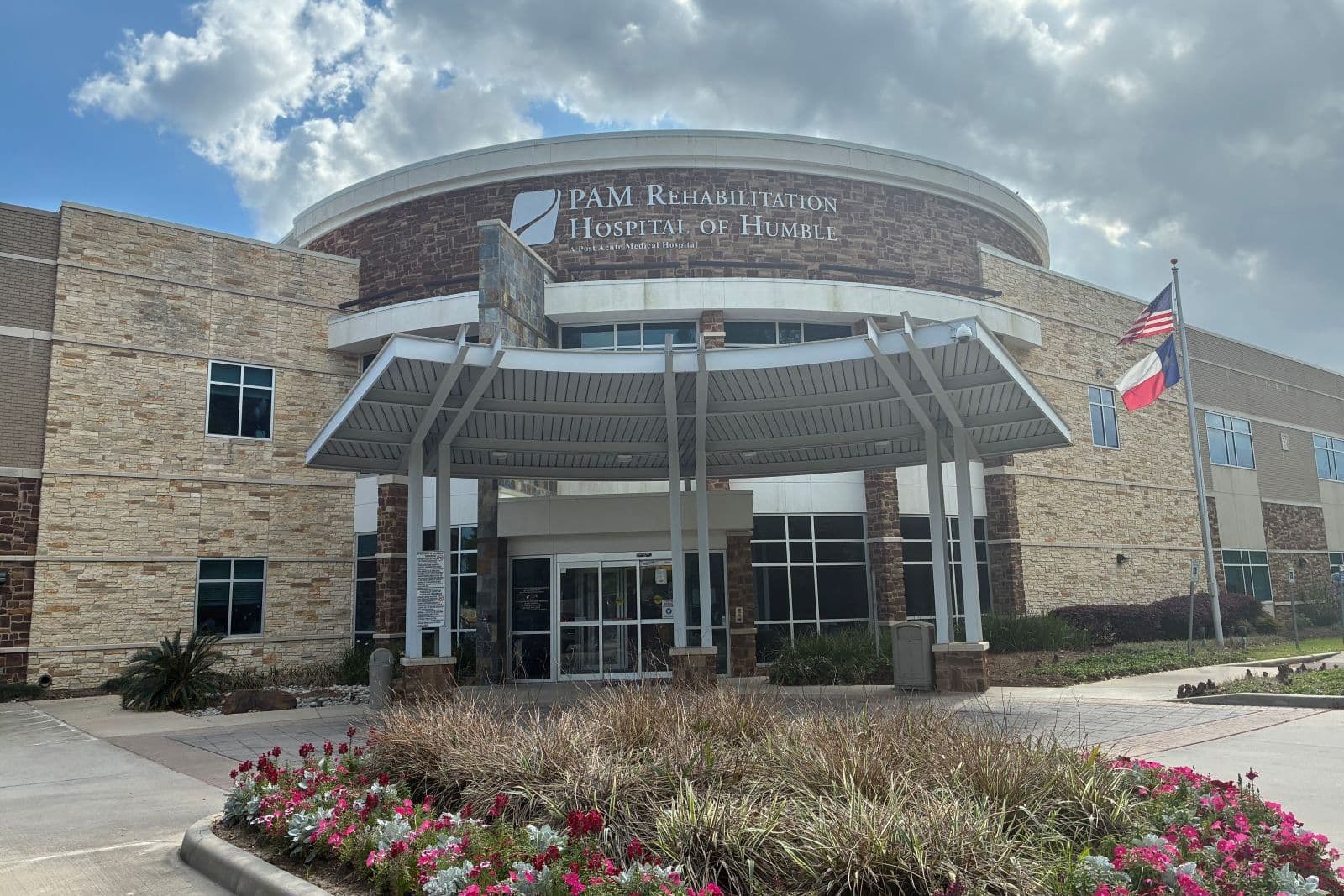
Recovering from a stroke, major surgery or life-changing injury can mean relearning everyday tasks, rebuilding strength and working toward a return to normal routines.
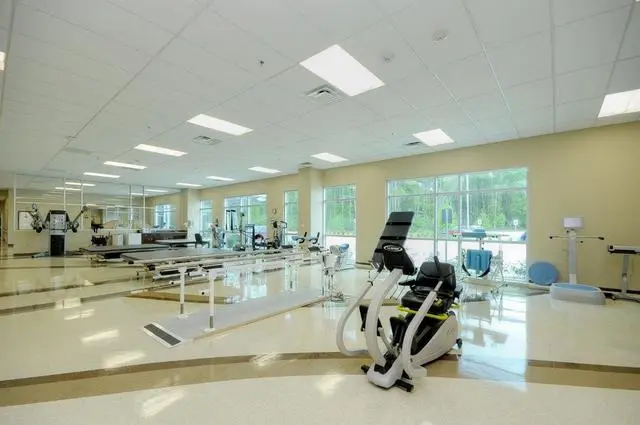
At PAM Health Rehabilitation Hospital of Humble, patients recovering from strokes, brain injuries, surgeries, spinal cord injuries and chronic conditions receive individualized rehabilitation services designed to help them regain their independence.
“[At PAM Health], every patient is evaluated by every discipline, including nursing, respiratory therapy, physical therapy, occupational therapy, speech therapy and physicians,” hospital CEO Johnny Bellew said. “Everyone does their initial assessments, and then we come together to make an individualized plan of care that says what each of those disciplines are going to be doing in the time that the patient is here to help them reach their goals.”
For three recent patients, those goals ranged from returning to the football field to walking again and completing everyday tasks independently.
How did a below-the-knee amputee return to the football field?
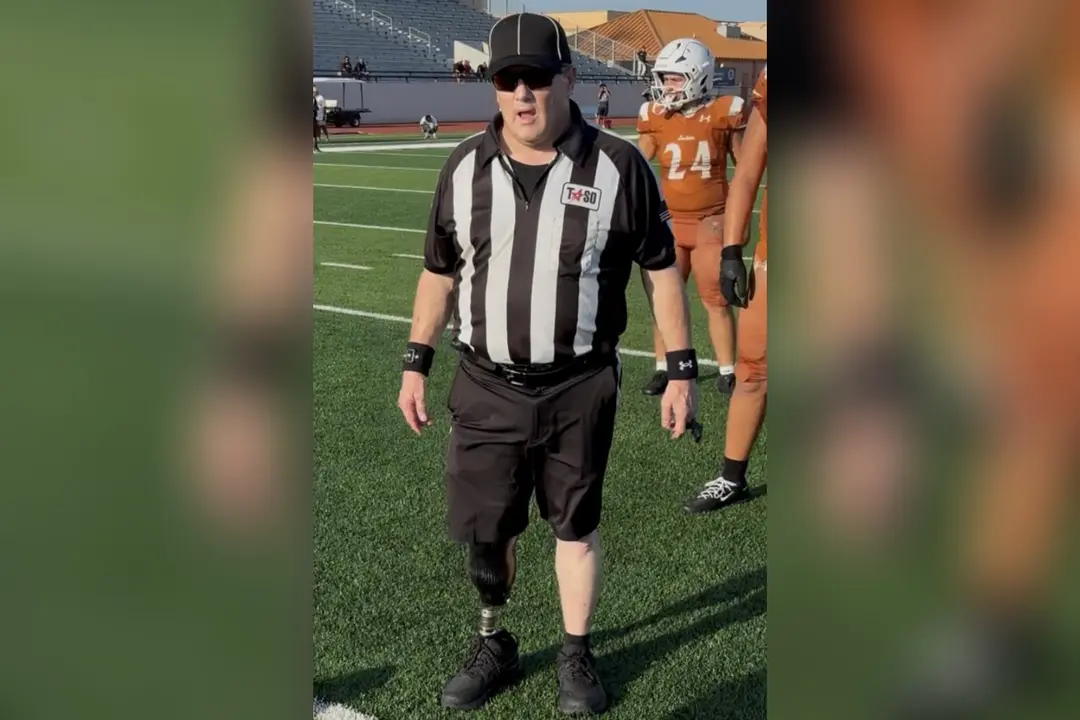
After undergoing a below-the-knee amputation, Tony McMenomy was determined to return to his role as a high school football official. Although he quickly adjusted to walking with his new prosthetic leg, officiating required more advanced movements, including running, jumping and moving laterally across the field.
In May 2026, McMenomy began outpatient rehabilitation at PAM Health, where he worked with therapist Fran to develop the skills needed to return to the sport. After approximately three months of therapy, McMenomy achieved his goal, returning to the field to officiate a football scrimmage in August 2026.
Looking ahead, he hopes to resume umpiring high school baseball in spring 2027 and become involved in the amputee community to support others navigating similar challenges.
How did a quadruple amputee work toward greater independence?
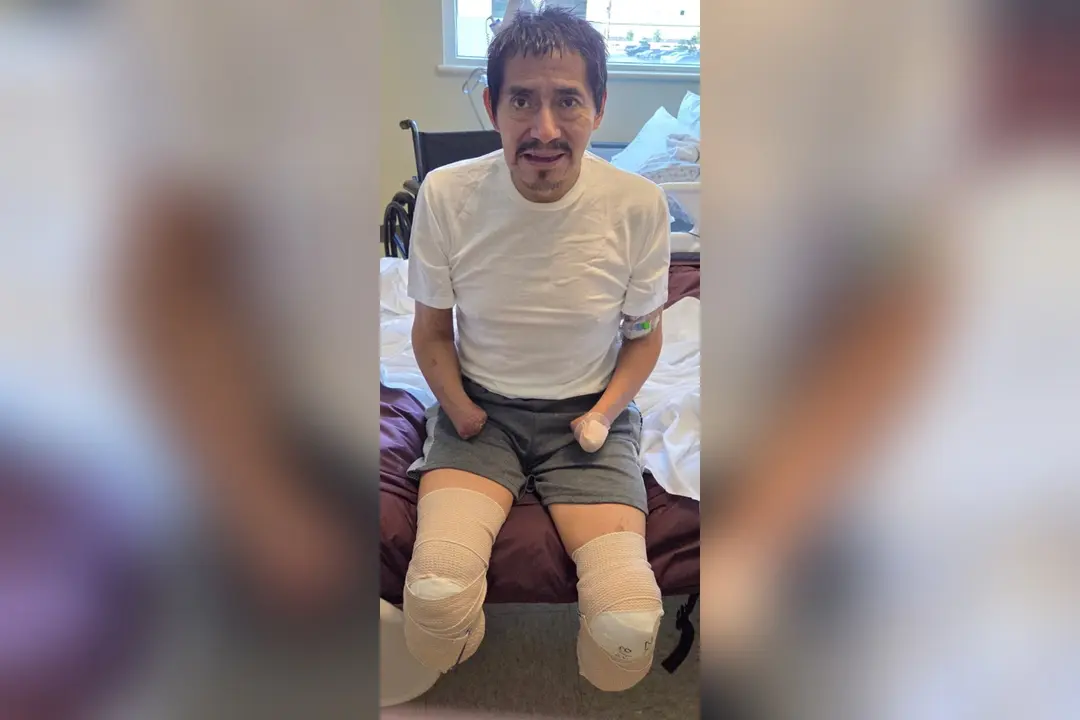
Doroteo Vasquez arrived at PAM Health in August 2026. Following complications during a previous hospitalization, Vasquez had undergone amputations of both hands and both lower legs and feet.
Initially requiring assistance with nearly every daily activity, he worked with the hospital's rehabilitation, nursing and wound care teams to develop strategies for becoming more independent.
Throughout his stay from Aug. 4-17, Vasquez made meaningful progress. He gradually learned to feed himself with less assistance, get dressed and transfer with setup assistance. Although he is not yet able to walk, Vasquez remains determined to reach that goal when medically appropriate.
He was ultimately discharged home, grateful for the support he received throughout his recovery.
How did a stroke survivor regain his strength and independence?
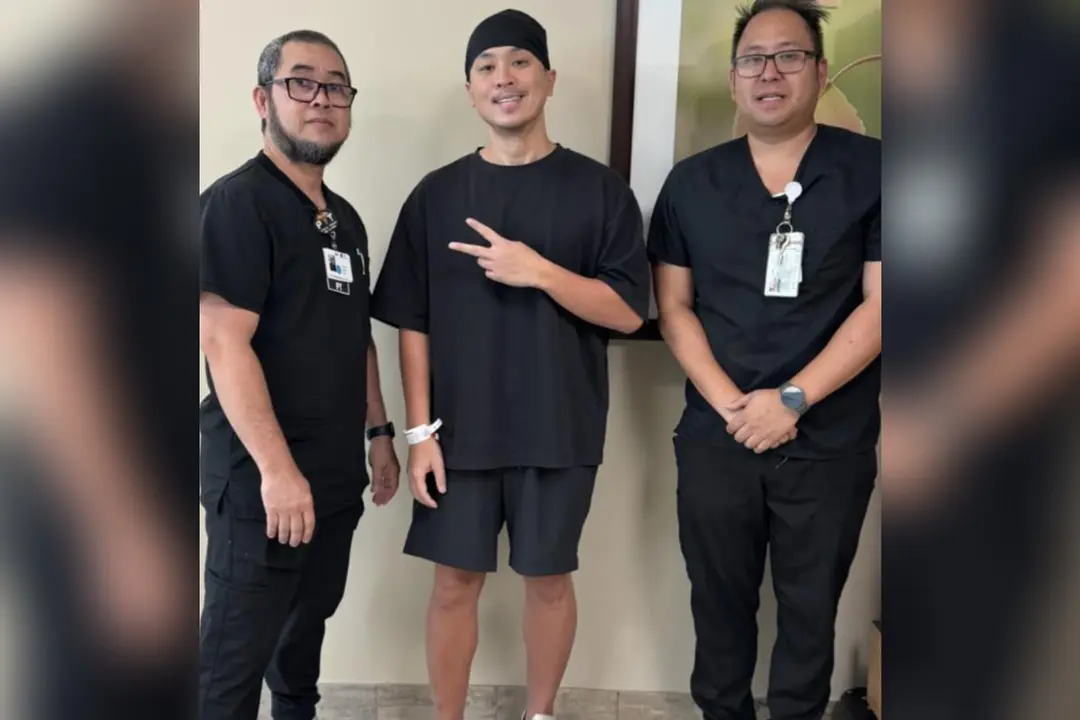
For Jimmy Vo, staying active and going to the gym were important parts of his everyday life. However, after suffering a stroke in July 2026, he struggled with activities that had previously come naturally. The stroke significantly affected his strength, coordination and balance, making it difficult to walk and use his hands.
At PAM Health, Vo worked with physical, occupational and speech therapists to rebuild those abilities. And in just eight days, he made significant progress, learning to walk again and improving his balance.
After being discharged home, Vo looked forward to returning to the gym and continuing the activities he enjoyed before his stroke.
Why is starting rehabilitation early important, especially before the holidays?
While each patient's recovery journey looks different, Bellew emphasized the importance of beginning rehabilitation as soon as medically appropriate. Delaying treatment can contribute to muscle loss and make it more difficult for patients to regain their strength and independence.
“For every patient that spends three days in the hospital, it takes one day of rehab to regain the muscle and the function that they lost just in that time frame,” Bellew said.
With the holiday season approaching, Bellew encourages individuals to consider their rehabilitation needs sooner rather than later. Starting treatment promptly can help patients work toward becoming medically stable, reaching their recovery goals and returning home to spend time with loved ones.
For Bellew and his team, seeing patients achieve those milestones is what makes their work rewarding.
"We see people who think they may never walk again take steps and have tears running down their face," Bellew said. “The most rewarding part of what we do is seeing people succeed.
To learn more about inpatient and outpatient rehabilitation services at PAM Health Rehabilitation Hospital of Humble, call the admissions team at 281-377-5085, or click here to visit its website.
What types of medical conditions do patients recover from at PAM Health Rehabilitation Hospital of Humble?
Patients at the hospital receive individualized rehabilitation services to recover from strokes, brain injuries, surgeries, spinal cord injuries and chronic conditions.
How does the hospital staff create a rehabilitation plan for each patient?
Every patient at the hospital is evaluated by multiple disciplines, including nursing, respiratory therapy, physical therapy, occupational therapy, speech therapy and physicians.
After each discipline completes an initial assessment, the staff members collaborate to create an individualized plan of care. This plan outlines what each discipline will do during the patient's stay to help them reach their recovery goals.
How can I contact the admissions team at PAM Health Rehabilitation Hospital of Humble to learn more about its services?
To learn more about the inpatient and outpatient rehabilitation services offered at PAM Health Rehabilitation Hospital of Humble, individuals can contact the admissions team by calling 281-377-5085.