

For many Williamson County residents, scheduling a routine cancer screening isn't a simple task. Often, concerns about cost, lack of insurance, transportation or feeling lost in a massive health care system prevent people from seeking care.
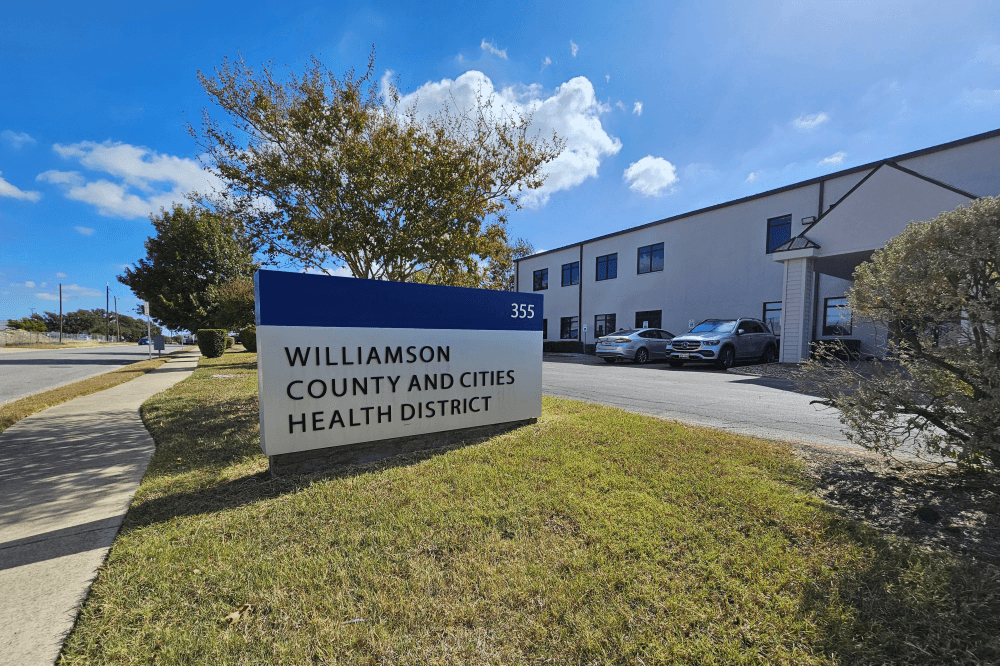
The Williamson County and Cities Health District, or WCCHD, launched a no-cost cancer screening program to bridge this gap.
By removing financial barriers and guiding patients person-to-person through what can be an intimidating medical system, the program ensures that life-saving, preventative care is accessible.
Program background and eligibility
The initiative grew out of a collaborative effort with Williamson County in the fall of 2023. It officially launched services in the spring of 2024.
The program helps underinsured and uninsured residents who meet the following criteria:
- Residency: must live in Williamson County
- Income: household income must be at or below 250% of the federal poverty level
- Identification: possess a Social Security card
- Age: follow medical guidelines for specific cancer types, including ages 45-75 for colorectal screenings, ages 55-69 for prostate screenings and ages 40-74, or any age that has evidence of potential breast cancer, for breast cancer screenings
Once a resident reaches out, the approval process takes approximately five to seven business days.
The WCCHD team reviews every case collaboratively. Even if an applicant doesn't qualify for this specific program, staff members actively navigate them toward alternative local resources, so they don't walk away empty-handed.
Expanding to meet community needs
As the program expanded, staff members quickly realized that many residents needed more than a medical referral.
“We were able to shift and meet the community where they were. We now have a lot of navigation services and more one-to-one contact with those who need it,” said Tara Jempty, Director of Williamson County and Cities Health District’s Program Eligibility and Social Services division.
Conversations with residents and local organizations revealed that a lack of practical support systems, such as transportation, food resources and help paying basic bills, frequently prevented people from prioritizing preventative health.
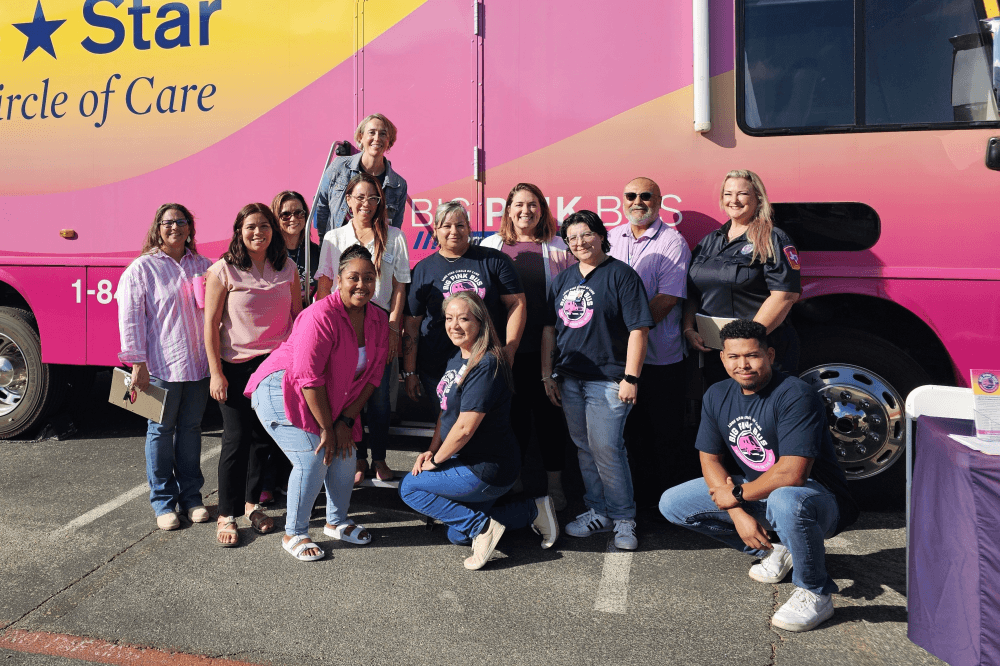
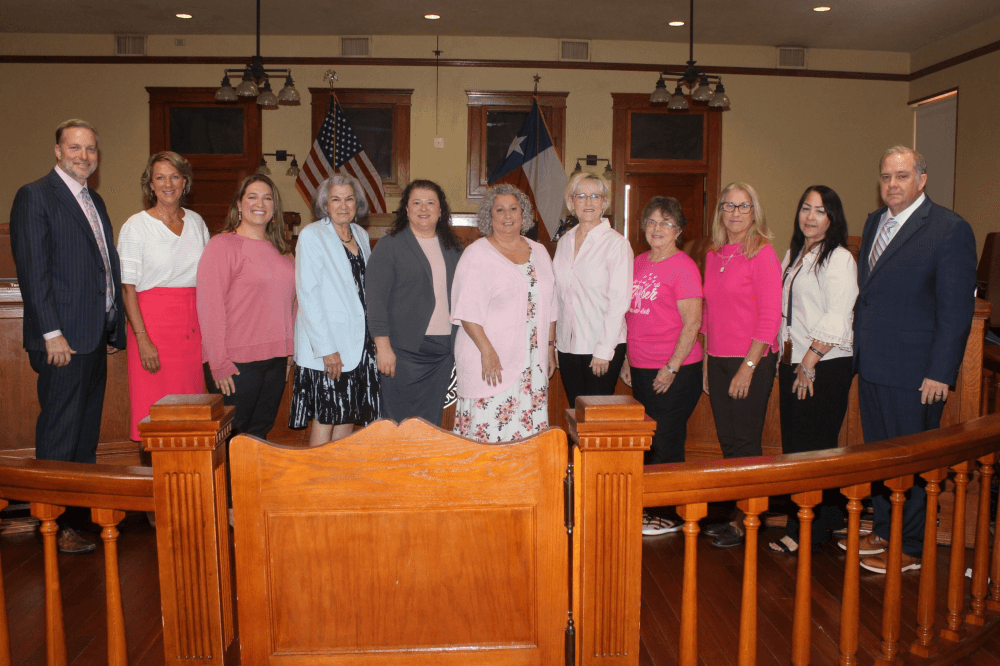
To solve this, WCCHD partnered with local food pantries and medical organizations, including Lone Star Circle of Care—which connects patients to primary care and the Big Pink Bus—UT Dell Medical School and the Breast Cancer Resource Center in Austin.
The team works directly with individuals to relieve the logistical stress of health care.
For instance, the program has stepped in to help early participants secure funding for daily living expenses so they could focus on their health and has even paid medical insurance premiums for a patient to ensure she could maintain stable, continuous care with her doctors.
“We do a lot of the legwork for them, so we can take some of that stress and pressure off,” Jempty said.
The team connected with 198 people in fiscal year 2025 alone, providing them with information, program education, resources and assisting with their needs. They also went to 46 outreach events to connect directly with the community, and conducted 27 presentations with various agencies and advocacy groups.
Overcoming barriers to save lives
Early cancer screenings and access to health care saves lives, but according to Jempty, one of the biggest obstacles individuals face is a fear of the medical system. The staff reduces these fears by keeping initial appointments focused on open, casual conversations rather than rigid eligibility forms.
The team also intercepts small hurdles that might deter patients, such as complex medical jargon on at-home screening kits.
For example, when they realized standard instructions for colorectal tests could be confusing, navigators began proactively calling patients to walk them through the process.
“We want people to not be afraid and to call us to learn more. It’s the first step,” Jempty said.
How to connect
Residents can call the WCCHD health care helpline at 512-248-3252 to learn more.
Community members are also welcome to walk into any WCCHD location, including the main hub in Round Rock or offices in Cedar Park and Taylor, to speak directly with a program navigator.
Click here to visit WCCHD’s website for additional information, or click here to learn more about the no-cost cancer screening program today.
The above story was produced by Senior Multi-Platform Journalist Sydney Heller with Community Impact's Storytelling team with information solely provided by the local business as part of their "sponsored content" purchase through our advertising team.