

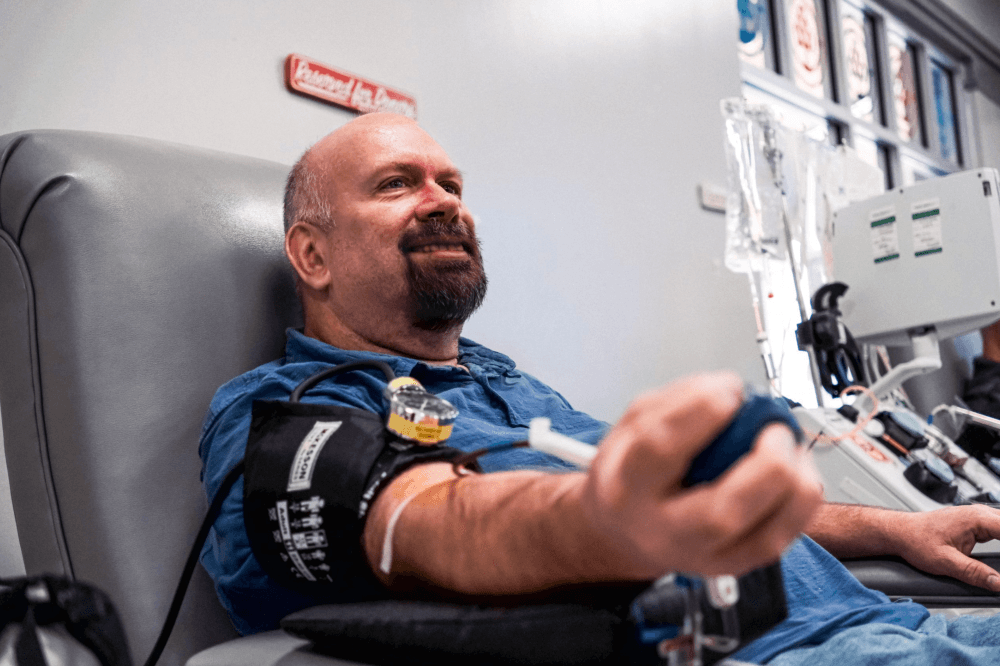
When We Are Blood opened in 1951, Austin was smaller and Travis County was more rural. Hospitals served fewer patients, emergency medicine was different, and few could imagine the growth that would reshape Central Texas.
Seventy-five years later, the region is one of the fastest-growing areas in the country. New neighborhoods are rising across Travis County, healthcare systems are expanding and more patients rely on lifesaving transfusion care.
For We Are Blood, the nonprofit community blood center serving Central Texas, the growth has brought a simple but urgent reality: As the population grows, so does the need for blood donors.
The journey from 1951
Every day, We Are Blood collects blood and platelets to support patients across a 10-county region. The organization supplies local hospitals with blood products for surgeries, cancer treatments, traumatic injuries, childbirth complications, and other medical situations.
While the mission has remained the same for 75 years, the scale of that responsibility has changed dramatically. Originally established by the Travis County Medical Society as a small local operation, the blood bank initially supplied just four original facilities: Brackenridge, Seton, Holy Cross, and St. David’s.
As the rural areas surrounding Austin began to develop over the decades, the organization expanded its footprint to become the exclusive regional lifeline it is today.
"Today, we provide 96% more platelets and 55% more red cells annually for local patients than we did just ten years ago," said Nick Canedo, Vice President of Community Engagement.
Much of that explosive modern growth has occurred in Travis County, where new hospitals, specialty-care programs, and expanded emergency services have entirely transformed the healthcare landscape. As medical capabilities increase to serve this growing population, so does the immediate demand for a stable blood supply.
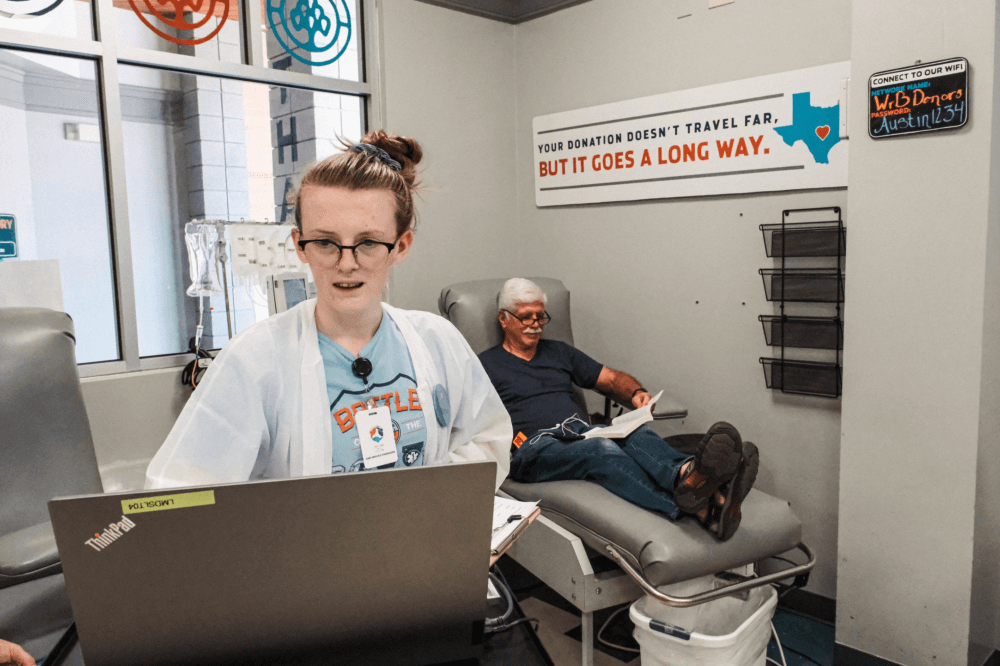
The challenge ahead
According to We Are Blood's "Every Drop Counts" strategic plan, demand for blood products is expected to increase by approximately 25% by 2030. As the region continues to grow, ensuring a reliable local supply will become increasingly important.
Unlike many medical resources, blood cannot be manufactured. It must come from volunteer donors, and some products have a limited shelf life. Platelets, for example, expire after just seven days.
Maintaining an adequate supply isn’t just an emergency task; it requires daily donations.
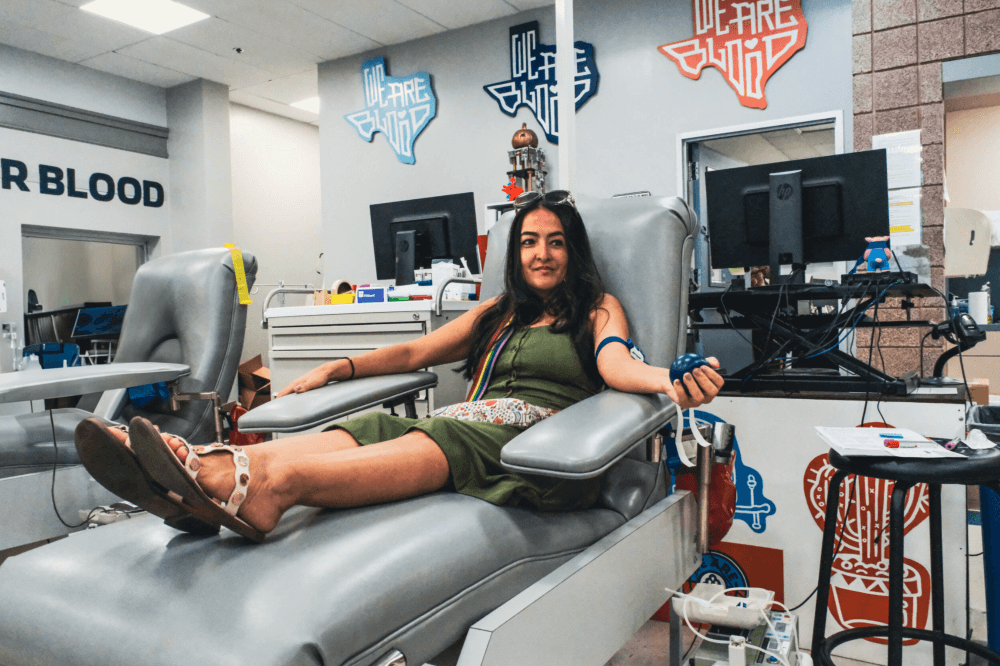
Bringing blood on board
A significant recent change is where blood is used. Through a partnership between We Are Blood and Austin-Travis County EMS first responders now carry low-titer O positive whole blood on emergency vehicles. The program allows paramedics to begin transfusions before a patient reaches the hospital, providing critical care during some of the most severe emergencies.
“The whole blood program we established in 2021 alongside We Are Blood has truly been a game changer for us,” said ATCEMS Chief Robert Luckritz. “Every second counts for patients in need of blood transfusions, and rapid intervention at the scene can be the difference between life and death. By having the ability to administer blood transfusions within minutes of the time of injury, we are giving these patients the best possible chance of survival.”
The initiative reflects a broader shift in emergency medicine and highlights how blood donation continues to play a vital role in patient care before a hospital team takes over.
Preparing for what’s next
As healthcare needs evolve, We Are Blood is looking ahead through its five-year strategic plan, “Every Drop Counts.” The plan serves as a roadmap for meeting future demand through expanded donor access, investments in advanced medical technology, and stronger community engagement.
A visible example is the planned donor center in Kyle. In a fast-growing Central Texas area, the facility aims to make blood donation more accessible while strengthening the region's long-term blood supply.
The strategic plan includes investments in therapeutic apheresis technology to support specialized medical treatments, including the region's first pediatric stem-cell transplant program.
More than a donation
The strategy is about people. Many residents assume blood shortages only occur after disasters or major accidents. In reality, the need is constant because patients require transfusions daily. A reliable supply depends on local donors consistently helping neighbors they may never meet.
"This strategic plan ensures that we can meet the substantial increase in blood products needed to support local patients and provide the necessary resources for community resilience," said Marian Garrard, CEO of We Are Blood.
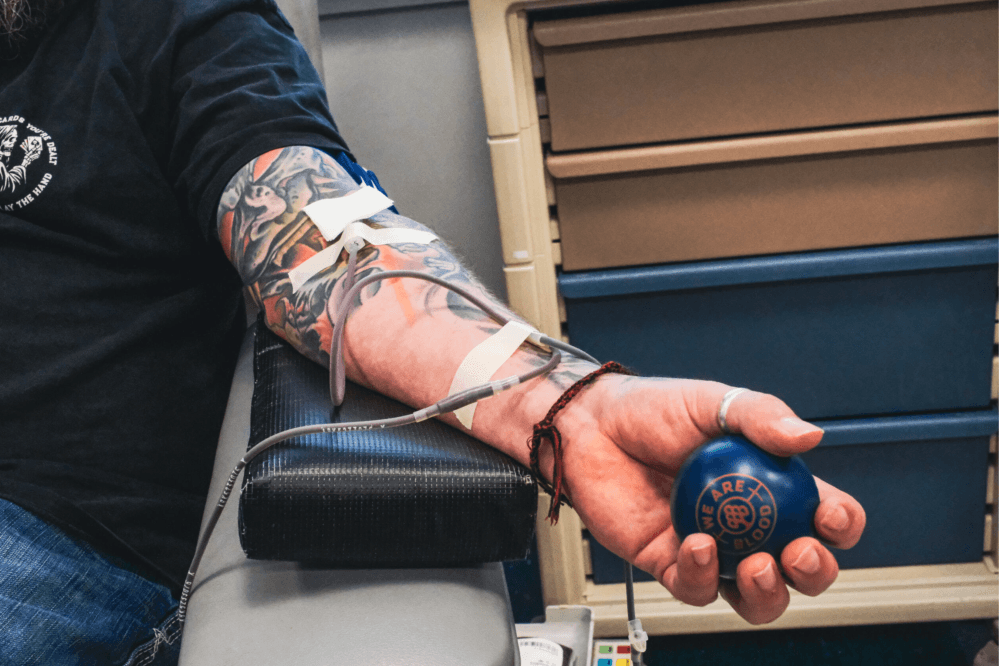
For potential donors, the donation experience is convenient and simple. A typical donation appointment only takes about 45 minutes from arrival to departure, but the impact extends far beyond that visit.
Donate today
As Central Texas grows, new hospitals will open, healthcare programs will expand, and emergency services will evolve. One thing will remain unchanged: Every unit of blood used to save a life will come from a community member who chose to donate.
After 75 years of serving Central Texas, We Are Blood's future still depends on the same simple act that has sustained it from the beginning—neighbors helping neighbors, one donation at a time.
To learn more about We Are Blood and ways to help, click here.
The above story was produced by Multi-Platform Journalist Chloe Chapel, with the Community Impact's Storytelling team, using information solely provided by the local business as part of their "sponsored content" purchase through our advertising team.