

For individuals who have relied on glasses or contact lenses for years, the possibility of seeing clearly without them can be life-changing. However, choosing the right vision correction procedure depends on more than a person's prescription.
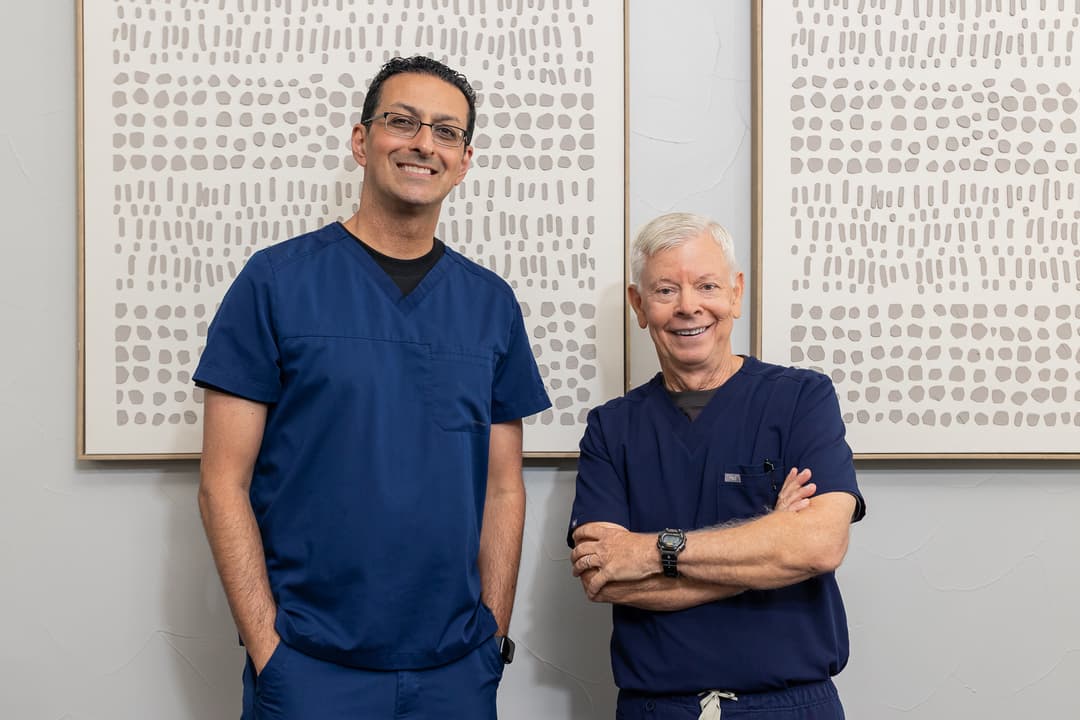
At Ighani Eye Care, practice owner and surgeon Dr. Farshid Ighani, along with 30-year eye care expert Dr. Wallace Ryne, takes a personalized approach to vision correction, helping patients explore options such as LASIK, clear lens exchange and cataract surgery based on their eye health, age and vision goals.
And rather than recommending surgery to every patient, Dr. Ighani and Dr. Ryne emphasize thorough evaluations, realistic expectations and long-term results.
Who is a good candidate for LASIK surgery?
LASIK is a vision correction procedure designed to reduce dependence on glasses or contact lenses. According to Dr. Ighani, patients in their mid-20s through their 40s are often good candidates, although age alone does not determine eligibility.
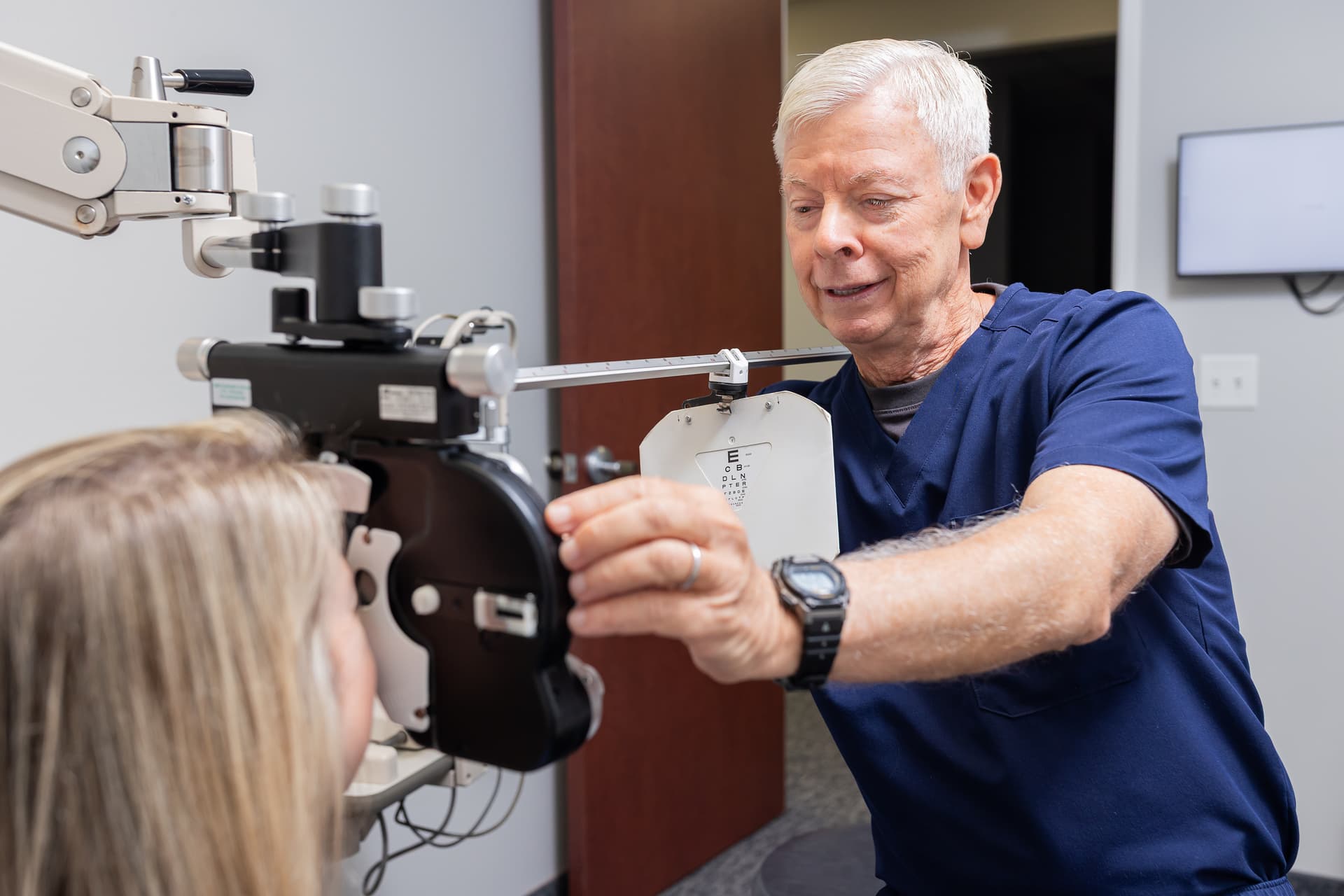
During a LASIK consultation, Dr. Ryne examines several factors, including:
Corneal curvature and thickness: Ensuring the cornea has sufficient tissue for surgery.
Dry eye symptoms: Evaluating dryness that could affect healing and vision.
Overall eye health: Identifying conditions such as glaucoma or macular degeneration that could affect eligibility.
Prescription stability: Confirming that a patient's vision has been stable for the past few years.
These measurements help determine whether LASIK can be performed safely and whether a patient is likely to achieve a positive outcome.
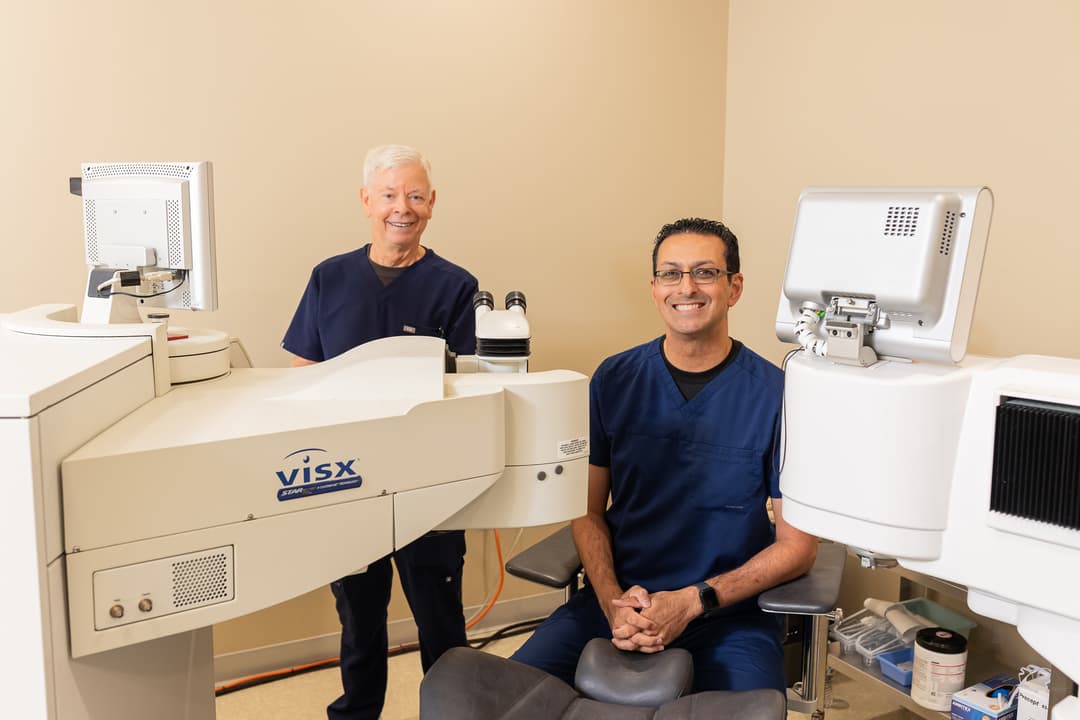
LASIK procedures are performed by Dr. Ighani, with assistance from Dr. Ryne, at the on-site LASIK surgical suite located at the Southlake office.
What is clear lens exchange, and how is it different from LASIK?
While LASIK is often an option for younger adults, clear lens exchange may benefit individuals between approximately 45 and 65 who have not yet developed visually significant cataracts.
The procedure involves removing the eye's natural lens, which would eventually develop a cataract, and replacing it with an artificial lens designed to last a lifetime. The goal is to improve vision at multiple distances, potentially reducing or eliminating the need for glasses.
According to Dr. Ighani, individuals who have difficulty seeing at all ranges often experience the greatest benefits, whereas someone who sees clearly at a distance and only needs reading glasses may not be an ideal candidate.
Ighani Eye Care offers several replacement lenses. Before recommending a lens, Dr. Ighani meets with patients to review their examinations, measurements and available options, including the advantages and limitations of each.
"We customize the surgery to each patient, because one lens isn’t the best option for all patients," Dr. Ighani said.
How is cataract surgery different from clear lens exchange?
Although clear lens exchange and cataract surgery are performed similarly, the primary difference is the condition of the eye's natural lens.
With clear lens exchange, the natural lens is removed before a significant cataract develops. Cataract surgery, meanwhile, removes a lens that has already become cloudy and is interfering with vision.
Patients with cataracts may experience blurry vision, difficulty seeing clearly even with glasses or glare and halos from oncoming headlights.
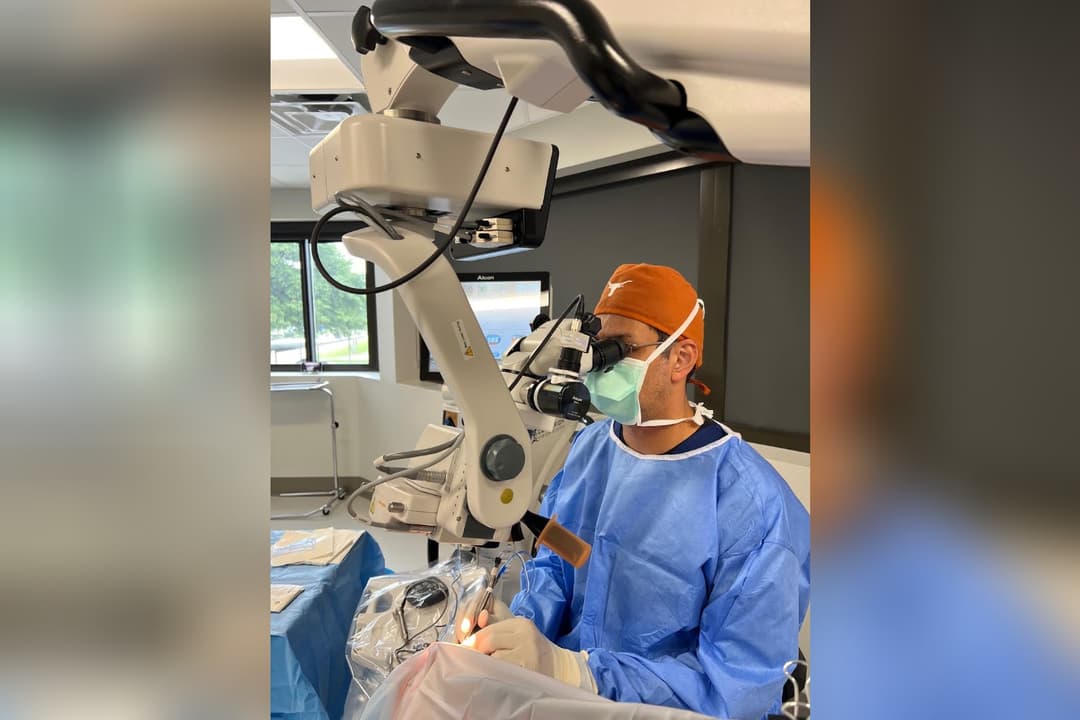
Both procedures are performed at Ighani Eye Care's office-based surgery center in Bedford. Before surgery, patients receive detailed information about the procedure, review their lens options with Dr. Ighani and meet with cataract counselors to ensure they understand what to expect.
The surgery itself typically takes six to seven minutes, while the entire visit, including preparation and postoperative care, generally lasts two to two-and-a-half hours. Patients also receive oral anesthesia without the need for an IV, and the procedure does not require a hospital setting.
“There being no IVs and no need to go to a hospital setting puts patients’ minds at ease,” Dr. Ighani said. “They're going to see the same technician and the same surgeon who have been working with them, so there is not a new anxiety of being in a new facility and not knowing the [care team].”
What can patients expect during recovery?
Recovery varies depending on the procedure and the individual patient.
Following LASIK, patients typically notice improved but somewhat blurry vision within the first day. Vision may fluctuate over the following week before becoming more stable, and complete healing can take up to three months.
For clear lens exchange and cataract surgery, vision may initially appear blurry before improving over the next several days. Many patients notice significant improvements by their one-week follow-up appointment.
Clear lens exchange and cataract surgery are performed on one eye at a time, with approximately one week between procedures. This allows Dr. Ighani to evaluate healing and results before proceeding with the second eye.
Why is personalized treatment important for long-term vision?
Dr. Ighani emphasizes that achieving great results begins with selecting the appropriate procedure for each patient rather than taking a one-size-fits-all approach.
"We hand select and customize the procedures for each patient," Dr. Ighani said. "If someone is not a candidate, we'll tell them that. We're not just here to do surgery; we really want to see lasting, long-term results for our patients."
For Dr. Ighani, the most rewarding part of his work is helping patients regain the ability to see clearly, particularly those who have depended on corrective lenses since childhood.
“It's a nice feeling when someone who couldn't see anything without glasses since third grade, all of a sudden can see,” Dr. Ighani said. “Patients are ecstatic about their vision, and they are very appreciative that we were able to restore it. I am blessed that I found a career I can enjoy doing long-term.”
Those interested in learning more about Ighani Eye Care can find information here:
Website: https://ighanieyecare.com/
Phone number: 682-688-2020
Bedford address: 1604 Hospital Pkwy., Ste. 201, Bedford
Southlake address: 1980 E. SH 114, Southlake
What factors does Dr. Ryne evaluate to determine if I am a good candidate for LASIK surgery?
During a LASIK evaluation, Dr. Ryne examines several specific factors to determine if the procedure can be performed safely and if a positive outcome is likely.
These factors include corneal curvature and thickness to ensure there is sufficient tissue for surgery, and any dry eye symptoms that could affect healing and vision.
Dr. Ighani also evaluates overall eye health to identify conditions such as glaucoma or macular degeneration, and confirms that the patient's prescription has been stable for the past few years.
Where are the clear lens exchange and cataract surgery procedures performed, and how long does the visit take?
Both clear lens exchange and cataract surgery are performed at Ighani Eye Care's office-based surgery center in Bedford.
The surgery itself typically takes approximately six to seven minutes. The entire visit, which includes preparation and postoperative care, generally lasts two to two-and-a-half hours.
Where is LASIK surgery performed, and who is on the surgical team?
LASIK procedures are performed at the practice's Southlake location.
At this location, Dr. Ighani works alongside Dr. Ryne, who has approximately 30 years of experience.
