

When an emergency happens, remembering to call 9-1-1 is only the first step.
In an emergency, residents can call or text 9-1-1 and help dispatchers get responders to them quickly by knowing their location and staying on the line to provide information about the emergency.
Through community events, school programs, social media content, and free educational resources, the Tarrant 9-1-1 District’s Public Education department works to ensure residents across Tarrant County and the City of Irving know how to call or text 9-1-1 before a crisis.
Why is emergency education important?
The department's education is critical for all age groups because anyone could find themselves in an emergency.
For a child, that might mean knowing their home address if a parent becomes sick. For an adult, it could mean knowing how to describe a location when calling from somewhere unfamiliar or understanding that texting 9-1-1 is an option.
“We really want to highlight those key points,” Communications Coordinator Kat Cunningham said. “They might forget all the small details in an emergency, and that’s OK. We need them to remember enough so we can get them help.”
By teaching those basics before a crisis occurs, the district hopes residents will have information they can fall back on when they need it most.

What should you know before calling 9-1-1?
During 9-1-1 education events and programs, we emphasize several key lessons:
Stay on the line: If you call 9-1-1 by accident or are placed on hold, stay on the call. Hanging up and calling again will not result in a faster response. If you accidentally call 9-1-1, stay on the line and let the dispatcher know you do not have an emergency.
You can text 9-1-1: Texting can be useful when speaking aloud is unsafe or difficult.
Keep texts simple: The text-to-9-1-1 system cannot receive photos, videos or emojis.
Know your location: 9-1-1 does not always know exactly where a caller is. Be prepared to provide an address, street name, business or nearby landmark.
Know what an emergency is: 9-1-1 is for situations where someone's life or safety is in danger. Nonemergency concerns should be directed to the appropriate local service.
These lessons can also help dispatchers do their jobs more effectively. Once a caller provides basic information, dispatchers can ask additional questions and relay details to first responders. Answering questions should not delay an emergency response; dispatchers can provide updates as responders are en route.

Where can you learn about emergency safety?
The Tarrant 9-1-1 District brings hands-on emergency education directly to Tarrant County and Irving residents through three primary avenues:
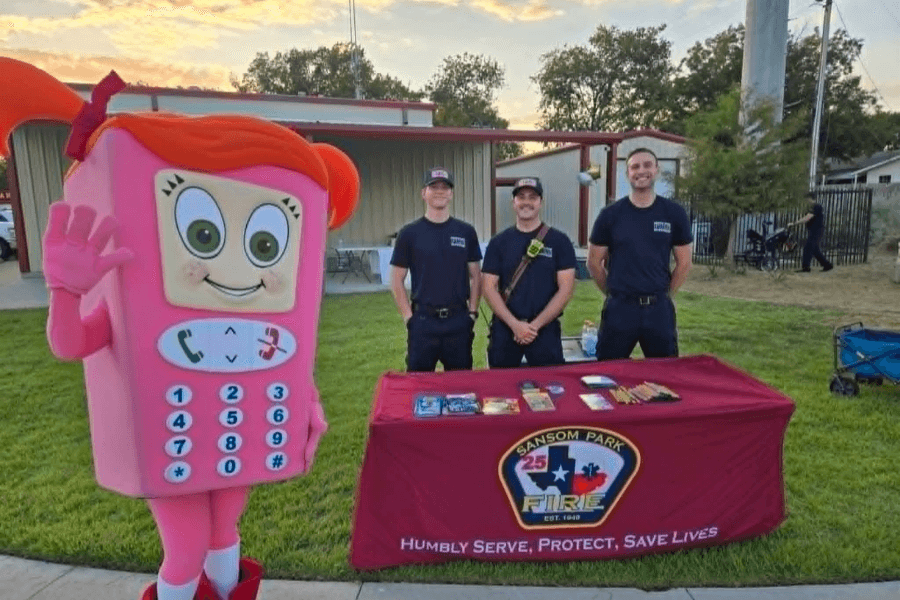
Community events: Look for interactive booths at local festivals, back-to-school fairs and neighborhood gatherings, where the team hands out free resources, answers questions and demonstrates key safety tools.
Social media: Follow the district’s Facebook or Instagram for quick-hitting infographics and trending videos featuring a clear breakdown of emergency-related topics.
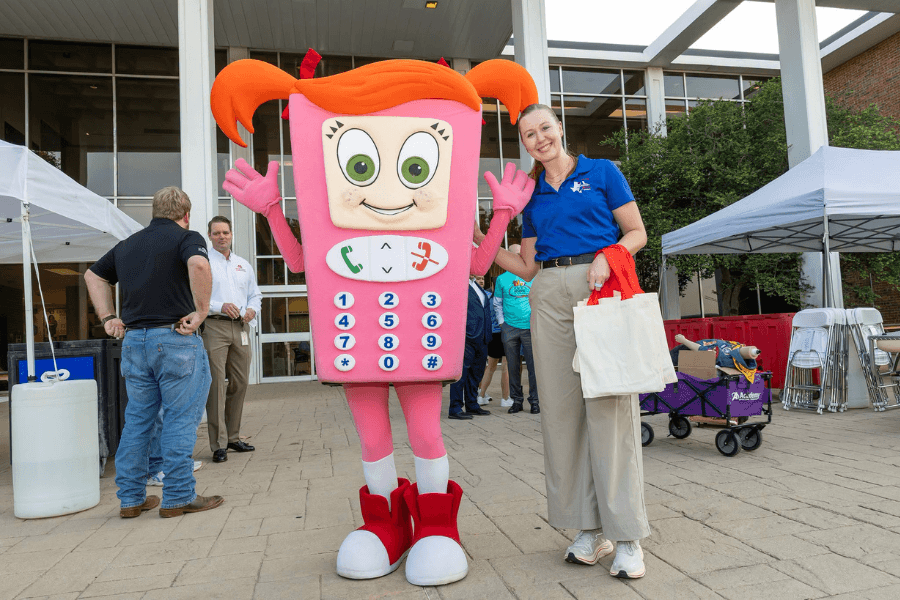
Free K-12 school programs: Schools can schedule completely free, age-appropriate safety presentations, ranging from storytimes featuring Cell Phone Sally to Jeopardy!-style trivia games, complete with follow-up activity sheets for teachers.
“9-1-1 education is for everybody—everyone needs to know these things,” Cunningham said. “It’s our joy to find fun ways to bring that education to everyone.”
How can I get Tarrant 9-1-1 District at my next event?
Schools, businesses, neighborhood organizations and other community groups can request a presentation or educational materials from the Public Education department at no cost.
The district's goal is to reach residents wherever they are and give them the tools to feel more prepared before an emergency happens.
“Emergencies are going to happen, and we can’t always prevent them,” Cunningham said. “However, we need to be prepared for when they inevitably happen.”
To request an appearance or educational resources, visit the Tarrant 9-1-1 District’s Public Education page at tc911.org/public-education.

Ready to learn more?
Knowing what to do in an emergency starts with having the right information before it happens. Use the resources below to learn more about 9-1-1 safety, connect with the Tarrant 9-1-1 District and know where to turn when help is needed.
Helpful websites: Visit tc911.org to learn more about the Tarrant 9-1-1 District. For Public Education resources and appearance requests, visit tc911.org/public-education.
Important phone numbers:
Life-threatening emergencies: Call or text 9-1-1 immediately.
Nonemergency services: Contact a local municipal police line or Tarrant County non-emergency dispatch at 817-884-1213.
Administrative inquiries or general District-related questions: Call 817-334-0911.
Follow on social media: Facebook | Instagram | YouTube | LinkedIn
The above story was produced by Multi-Platform Journalist Chloe Chapel, with the Community Impact Storytelling team, using information solely provided by the local business as part of its sponsored content.
What happens if I call 9-1-1 and can’t speak?
If it is unsafe to talk, use the Text-to-9-1-1 feature to type your exact location and details directly to the dispatcher. If you are unable to speak during a call, stay on the line. Dispatchers are trained to listen closely for background noises, key tones and other signals.
Who covers non-emergency calls in Tarrant County?
Non-emergency situations—such as non-violent past crimes, minor noise complaints or general city inquiries—should not go to 9-1-1. Residents can call the Tarrant County non-emergency dispatch line at 817-884-1213 or contact their local city police department's non-emergency line.
Can an old or inactive cell phone still dial 9-1-1?
Yes. Under federal law, any mobile phone with battery power can dial 9-1-1, even if it does not have an active service plan or Subscriber Identity Module (SIM) card. However, because inactive phones cannot receive a call back if disconnected, it is vital to state your exact location immediately.
Why does the 9-1-1 dispatcher ask so many questions before sending help?
Asking questions does not delay emergency response. Dispatchers are trained to provide first responders with updates as they are received.