


According to the team at CHJ Wealth Management, financial planning is not a one-size-fits-all process, and there isn't a single milestone that determines when someone needs professional guidance. Managing a budget, saving consistently and participating in an employer-sponsored retirement plan might be enough for a period of time.
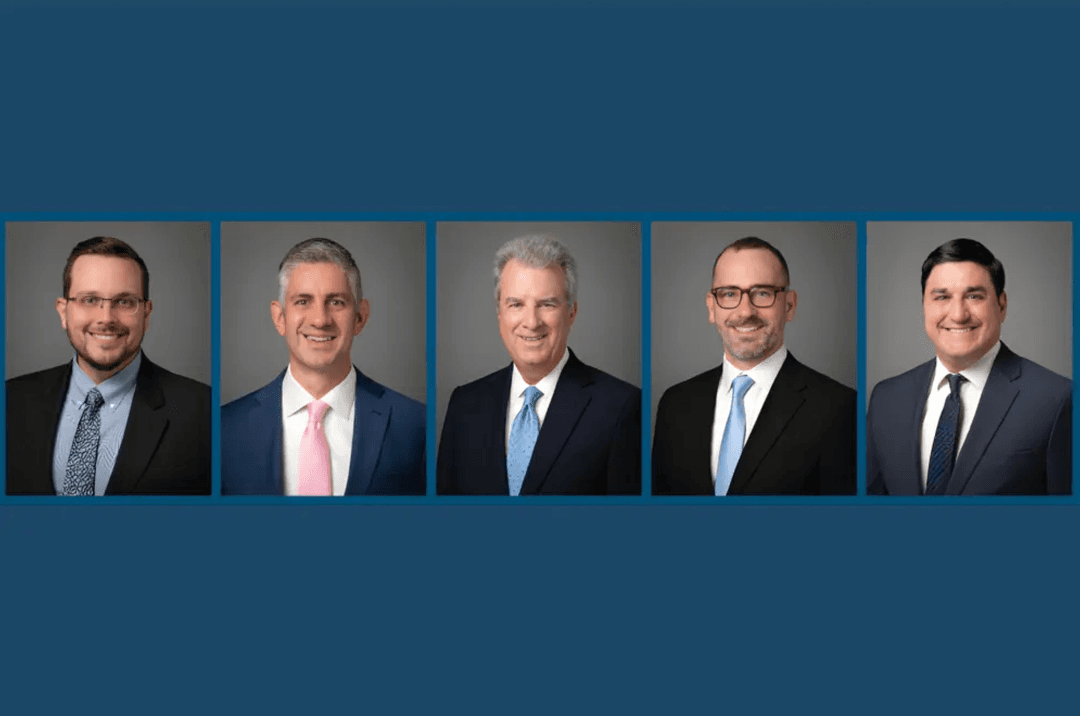
“Typically, as your wealth grows, so does its complexity,” Managing Member Hunter Hernandez said. “That’s when working with an advisor can become especially valuable.”
Changes in income, taxes, employment, family circumstances or retirement plans can introduce decisions that go beyond choosing investments. Major transitions, such as starting a business, moving to another state or approaching retirement, can also create new considerations.
An advisor can help identify options, connect the different pieces and provide perspective as circumstances change.
What is a holistic financial plan?
Investments are one component of a financial plan. A broader plan can consider income and expenses alongside taxes, insurance, estate planning and the lifestyle someone hopes to maintain.
“When you look at the whole picture, you can look at not just the investments, but also what people want from their life,” Financial Planner Mike Smith said. “Do you want to take the whole family to Disney World every couple years and pay for the kids and grandkids? That has trade-offs. Figuring out what people want to do with their life, whether they're 30 or 70 years old, is important.”
Understanding those goals helps determine what the financial plan needs to accomplish.
When should someone consider working with a financial advisor?
There isn't a specific age, income level or investment balance that determines when someone should work with an advisor. Guidance may become more useful as someone's financial life becomes more complex.
Changes in employment, income, taxes or family circumstances can create new considerations. Starting a business, receiving an inheritance or moving to another state can do the same.
Retirement is often a point when several financial decisions begin to overlap, including Social Security, Medicare, investment withdrawals, taxes, insurance and estate planning.
An advisor can help someone understand how those pieces fit together rather than looking at each decision separately.
How does financial planning change when approaching retirement?
During the accumulation phase, the focus may be on building wealth, saving for the future and protecting a family along the way.
As retirement approaches, the focus begins to shift toward turning accumulated assets into a sustainable source of income.
CHJ Wealth Management recommends beginning those conversations five to 10 years before retirement. Considerations can include Medicare, Social Security, taxes, charitable giving, retirement spending and whether someone wants to leave assets to heirs.
Starting several years ahead provides more time to understand those decisions and make adjustments before employment income ends.
What should someone ask before choosing an advisor?
One of the first questions Hunter and Mike recommend asking is whether an advisor acts as a fiduciary.
“A fiduciary is required by law to be on the same side of the table as their clients; they are there to make sure that everything they recommend or do is in the client’s best interest,” Hunter said.
There can be complexities around how and when fiduciary obligations apply. So someone considering an advisor should also ask whether that responsibility applies across all aspects of the relationship and to the recommendations being provided.
Compensation is another area worth understanding.
“A lot of advisors are focused on selling financial products that pay commissions,” Mike said. “An advisor may be acting as a fiduciary when giving advice, but may not be acting as a fiduciary when selling a product.”
Hunter and Mike recommend asking how an advisor is compensated, when fiduciary responsibility applies and what potential conflicts of interest may exist.
What does financial success look like?
There is no universal definition of financial success. Someone's spending, lifestyle and goals can matter as much as the size of their portfolio.
“Everyone's financial dreams and goals are different,” Hunter said. “Don't try to compare yourself to your neighbors. It’s about crafting a lifestyle that you are happy with.
For CHJ Wealth Management, financial planning begins with understanding the individual rather than applying the same definition of success to everyone.
How does CHJ Wealth Management serve the local community?
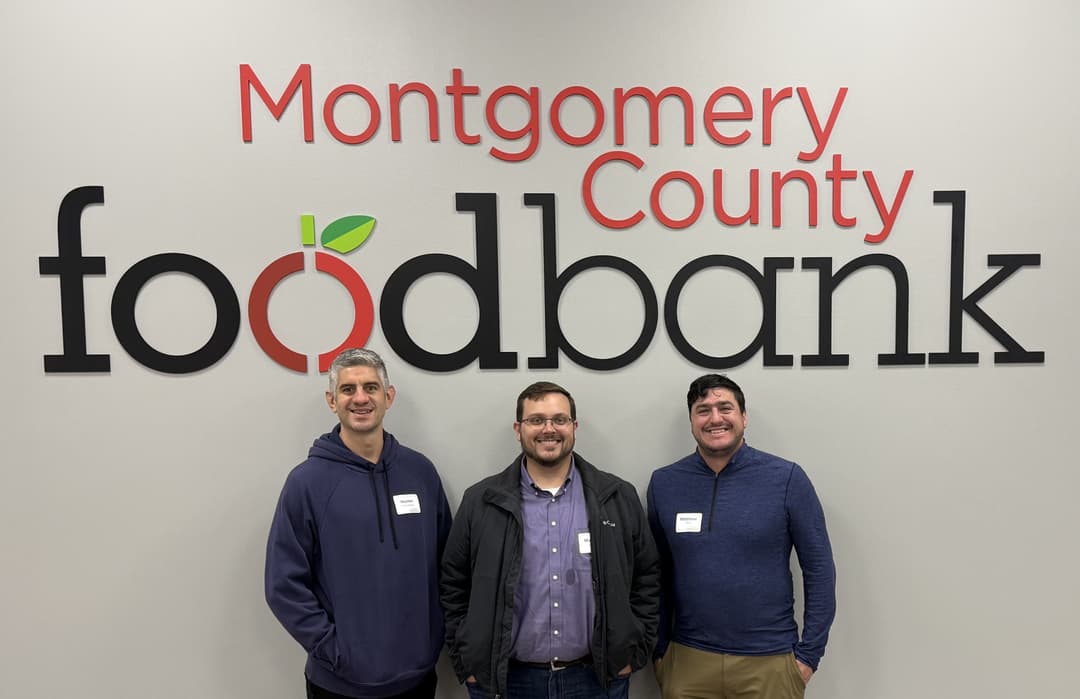
CHJ Wealth Management aims to be an accessible resource within The Woodlands community and offers no-fee initial consultations for people with financial questions.
“We want to be a resource to the community,” Hunter said. “A lot of people want guidance, but not everyone knows where to go or who to rely on.”
Those interested in learning more can find CHJ Wealth Management at:
Website: CHJ Wealth Management
Address: 10200 Grogans Mill Rd., Ste. 430, The Woodlands
Phone: 281-298-2700
Hours: Monday-Friday, 9 a.m. to 5 p.m.
Frequently asked questions
What is CHJ Wealth Management?
CHJ Wealth Management is a holistic financial planning firm in The Woodlands. They help clients plan for retirement, legacy transitions and the financial complexities of business ownership.
What is a fiduciary?
A fiduciary generally has an obligation to put a client's interests first when providing advice within the scope of the fiduciary relationship. Hunter and Mike recommend asking when that responsibility applies, how an advisor is compensated and what potential conflicts may exist.
When should someone start planning for retirement?
CHJ Wealth Management recommends beginning retirement planning conversations five to 10 years before retirement, providing time to consider Social Security, Medicare, taxes, spending and estate goals.
Does CHJ Wealth Management offer free consultations?
Yes. CHJ Wealth Management offers no-fee initial consultations for people with financial questions.
The above story was produced by Senior Multi-Platform Journalist Sydney Heller of Community Impact's Storytelling team, with information solely provided by the local business as part of their "sponsored content" purchase through our advertising team.