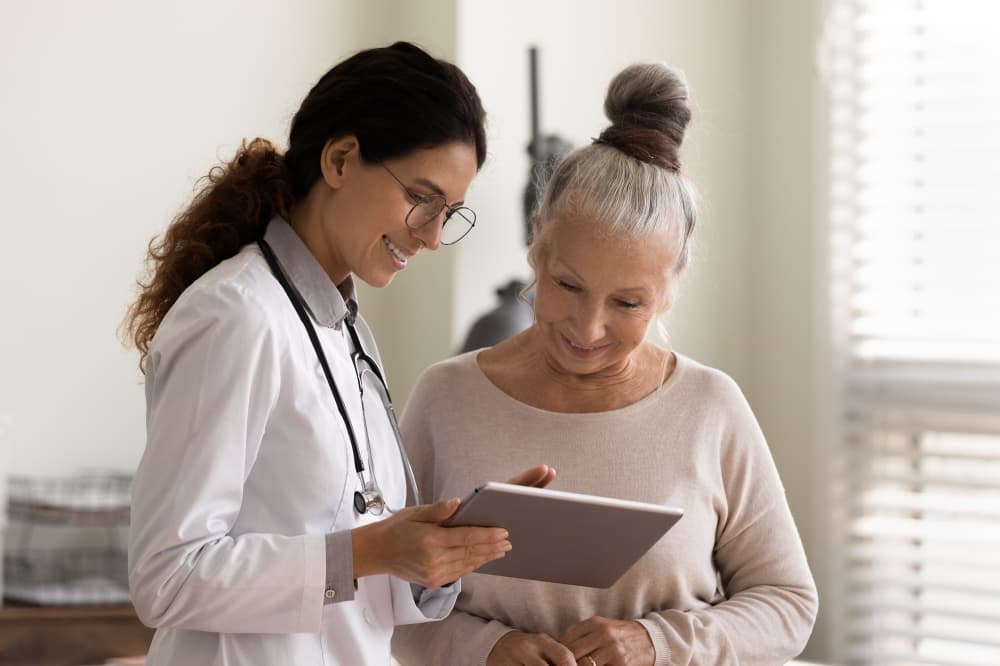


When an elderly patient walked into Premier Family Physicians/Internists feeling unwell, she couldn’t pinpoint exactly what was wrong. The clinic staff knew her well and immediately noticed that something was off.
An immediate electrocardiogram (EKG) revealed a heart block, a serious condition where the heart's electrical system malfunctions and causes a dangerously low heart rate. Chief Medical Officer Dr. Truly Peterson quickly coordinated emergency care, and the patient received a pacemaker that significantly improved her quality of life.
Stories like that reinforce why preventative care and early diagnosis matter so much.
“We can catch diabetes before it becomes diabetes; we can catch high blood pressure before it damages organs,” Dr. Peterson said.
However, to do that effectively, doctors need the time to get to know their patients. Advanced medical technology is now supporting the doctor-patient relationship to make care more accurate and personalized.
“I think technology is going to augment what we do as physicians and clinicians,” Dr. Peterson said. “It’s not going to be a replacement; it’s going to ... give us more tools to help us take care of our patients.”

Subtle symptoms patients shouldn't ignore
Many serious health conditions begin with quiet changes that are easy to minimize or mistake for everyday fatigue.
Patients often put off seeking care due to busy schedules, work or family responsibilities. However, catching a condition early in its course opens up far more treatment options.
According to Dr. Peterson, critical signs that warrant an evaluation include:
- Becoming unusually out of breath during routine physical activities
- Feeling run down or exhausted after minimal effort
- Experiencing significant dizziness during exercise that improves with rest
- Unexplained chest pressure
Paying attention to these shifts is especially important for women, as signs of major cardiac events can be highly subtle and easily overlooked.
How AI supports patient care
Artificial intelligence is playing a supportive role in early disease detection.
In diagnostic screenings, such as mammograms, skin cancer checks and colonoscopies, an AI tool, still in its infancy stages, acts as an extra layer of review alongside a physician's expertise. This helps detect subtle visual changes that are incredibly difficult for the human eye to spot alone.
AI is also being used to improve daily clinic workflows. For the past nine months, Premier Family Physicians/Internists has utilized virtual AI scribes during patient appointments. The program securely listens to the conversation in the background and generates clinical documentation.
"It allows me to pay more attention to my patients and make eye contact instead of typing notes during the visit," Dr. Peterson said.
The technology also serves as a safety net for patient instructions. Doctors routinely explain treatment steps verbally, such as specific rinsing instructions or over-the-counter medication dosages, but those details don't always make it into the final printed paperwork. The virtual scribe captures those details, ensuring patients leave with clear, documented instructions that they can easily reference at home.
Advancements in modern treatments
Over Dr. Peterson's 20-year career, technological and pharmaceutical advancements have significantly expanded how doctors manage chronic illnesses.
In diabetes care, newer medications, including GLP-1, do far more than just regulate blood sugar. They protect against kidney disease, fatty liver and the cardiovascular damage that has historically impacted diabetic patients.
Similarly, cancer care has shifted toward directed immunotherapy. Doctors use genetic and molecular testing to identify specific gene mutations, rather than using broad therapies that impact all fast-growing cells. This allows for targeted treatments that carry fewer side effects and lower toxicity levels for the patient.
A patient-centered approach
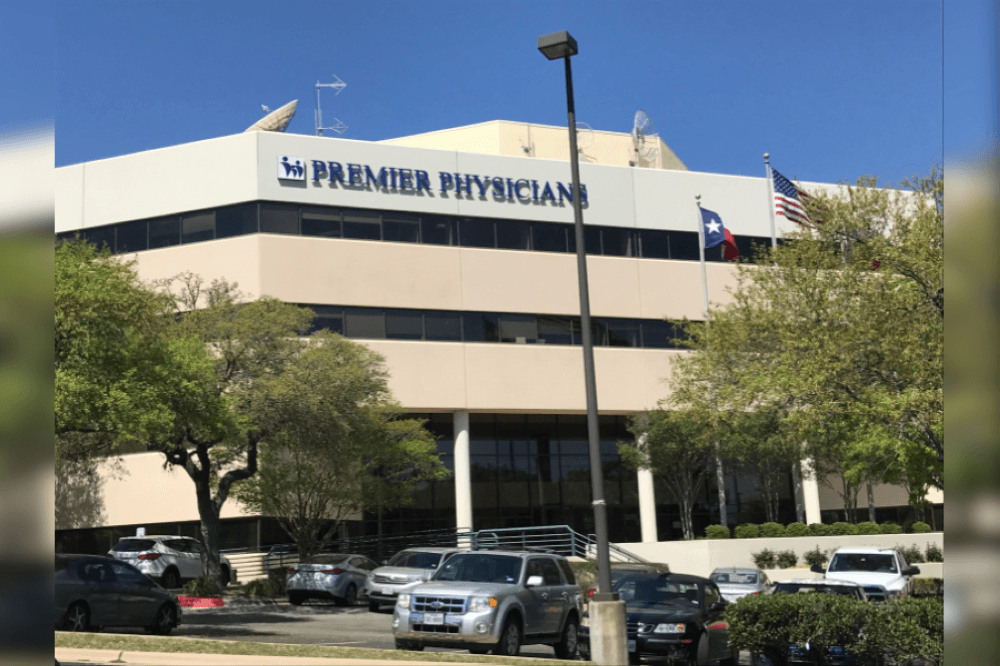
Even as tools become more sophisticated, the core of medicine remains deeply human. At Premier Family Physicians/Internists, this balanced approach includes practical initiatives like their Call Us First campaign.
To help patients navigate concerning symptoms without heading straight to an expensive or stressful emergency room visit, the practice provides after-hours access to triage nurses and on-call physicians.
The medical team can listen to the patient's symptoms over the phone and direct them to the appropriate level of care, whether that means scheduling an urgent visit the next morning or advising them to go to the hospital.
Ultimately, technology is just one more tool to help doctors do what they have always aimed to do.
"We are here to help people and to keep them healthy," Dr. Peterson said.
Click here to learn more about Premier Family Physicians/Internists or to schedule an appointment today.
The above story was produced by Senior Multi-Platform Journalist Sydney Heller with Community Impact's Storytelling team with information solely provided by the local business as part of their "sponsored content" purchase through our advertising team.