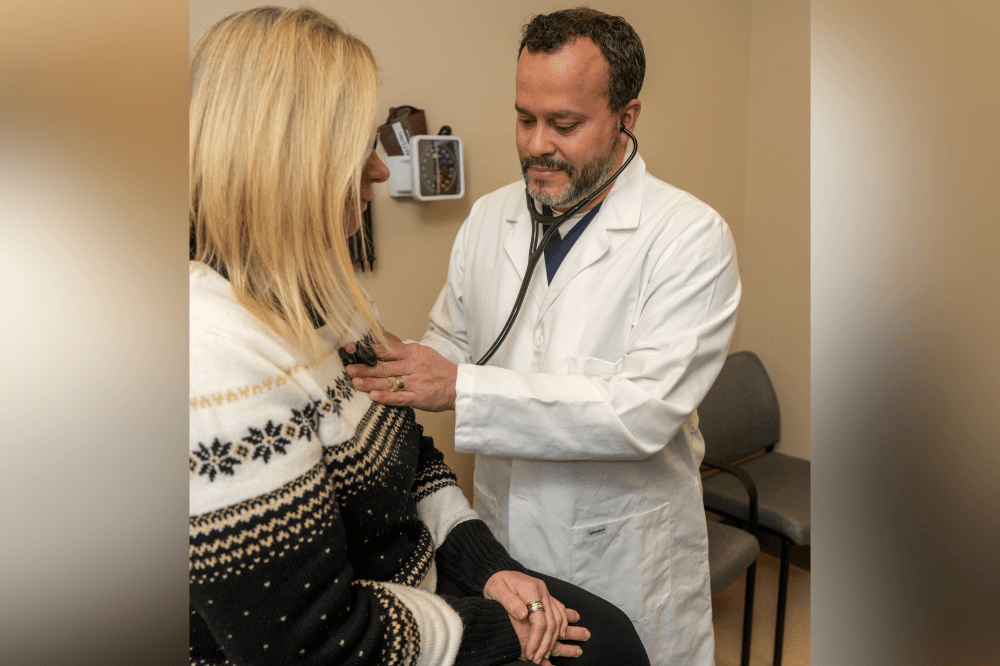

As the Brazos Valley grows, so does the demand for specialized medical services. Conditions affecting the nervous system are among the leading causes of disability in the U.S., impacting an estimated 180.3 million Americans.
To help residents access complex care closer to home, Baylor Scott & White Medical Center–College Station is expanding its brain and spine care capabilities by adding specialists and investing in advanced imaging and new surgical technology.
Why is specialized brain and spine care important for the Brazos Valley?
As the region's population grows and ages, Baylor Scott & White expects the need for neurological and spinal care to increase.
Neurosurgeon Cody Wolfe, MD, said brain, spine and peripheral nerve conditions can affect patients for many reasons, including aging, inherited conditions, injuries or sudden health issues.
“Neurosurgery treats brain, spine and peripheral nerve diseases,” Wolfe said. “That tends to affect a decent proportion of the community, especially as the average age of our population grows.”
Having specialized neurosurgery care locally can also reduce the need for patients to travel to Houston, Austin or other cities for treatment and follow-up appointments. For conditions requiring urgent intervention, Wolfe said reducing travel can be particularly important.
How is Baylor Scott & White expanding its brain and spine care team?
Providing comprehensive brain and spine care often requires multiple specialties working together. Baylor Scott & White has expanded its local services through additional providers and technology designed to support patients throughout diagnosis, treatment and recovery.
Key areas of expansion include:
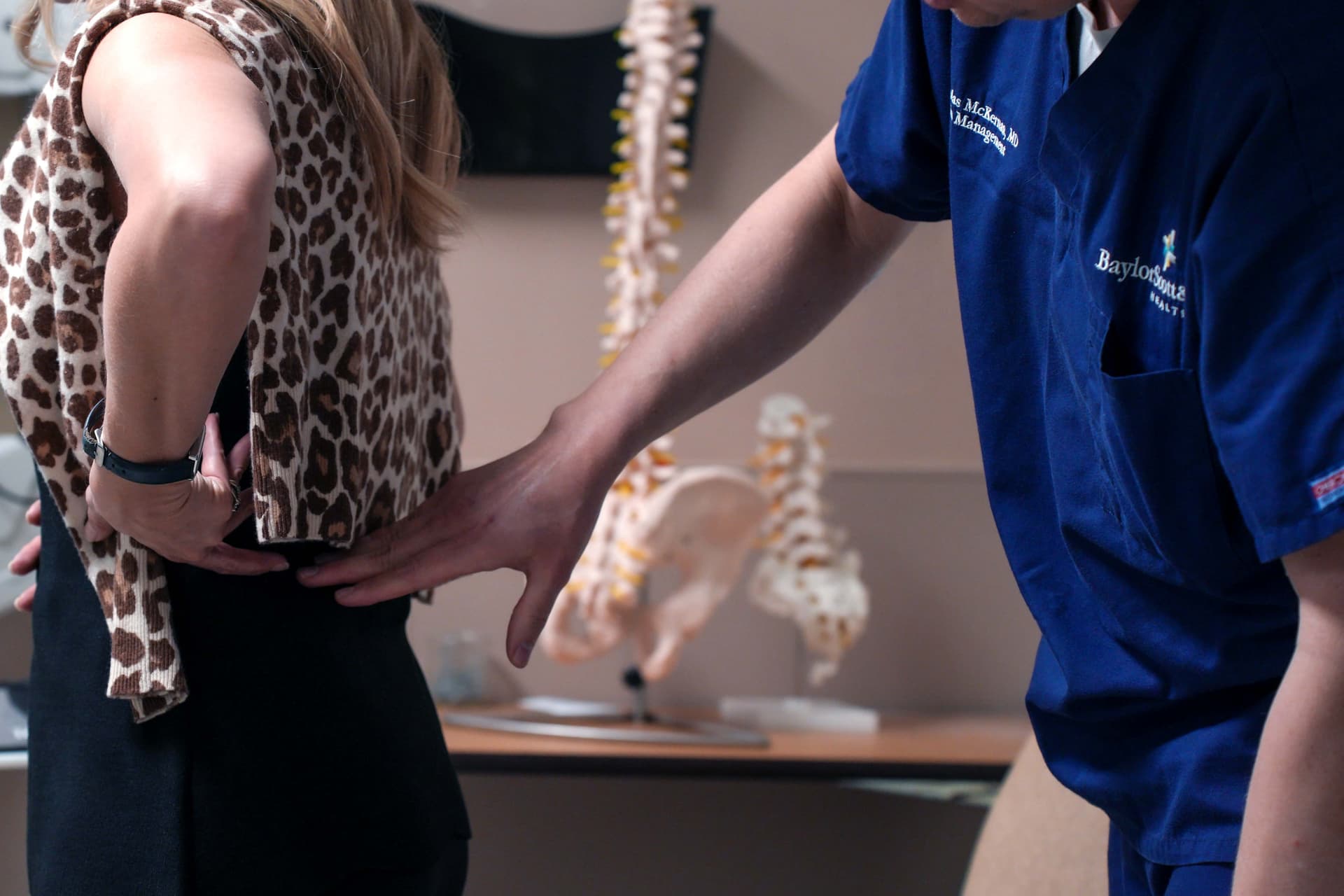
Pain management: Specialists can help patients manage spine conditions nonsurgically and identify those who may need a surgical evaluation.
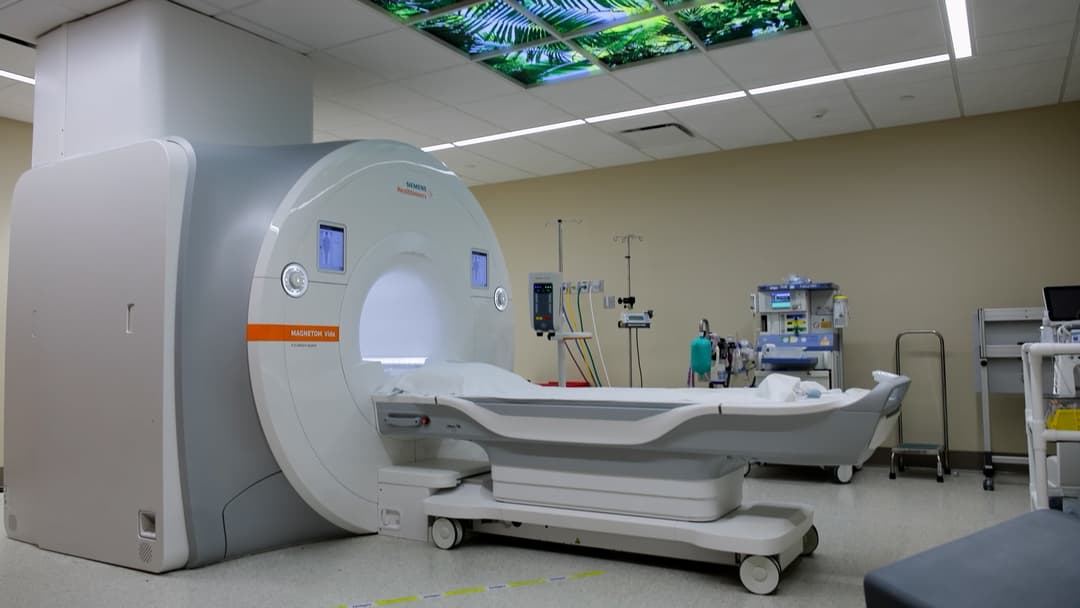
Advanced imaging: A new 3-tesla, or 3T, MRI provides physicians with more detailed images to better understand conditions and develop treatment plans.
Rehabilitation: Physical, occupational and speech therapists can work alongside physicians to support patients after treatment.
Wolfe said having specialists within the same system also helps providers communicate and develop a coordinated treatment plan.
What is spinal navigation technology, and how does it support surgery?
One of the hospital's newest investments is a spinal navigation system designed to give surgeons more information during complex procedures.
For patients who need spinal implants, such as screws or rods, the technology allows the surgical team to perform a CT scan in the operating room and use specialized software to track surgical instruments and plan implant placement.
“What the spinal navigation system does is, once the patient is already in surgery ... we have the ability to do a CT scan inside of the OR, so the patient doesn’t leave the room,” Wolfe said.
The navigation software then uses that CT scan to show the surgeon where their instruments are. This can support precise implant placement with less disruption to surrounding soft tissue.
The system can also help surgeons:
More precisely plan the placement of screws and other implants
Navigate complex anatomy during procedures
Potentially limit how much of the spine must be exposed during surgery
Wolfe said greater precision can reduce the amount of surgical exposure needed in some procedures while giving surgeons additional information about each patient's anatomy.
The technology is part of the growing range of specialized brain and spine services available through the Baylor Scott & White-Texas Brain & Spine Institute in College Station.
What does expanded brain and spine care mean for College Station patients?
For Baylor Scott & White, the investments are intended to keep pace with the needs of a growing region and expand the types of specialized care available locally.
Wolfe said some residents may still associate complex brain or spine treatment with traveling to a larger city, but the health care services available in College Station continue to evolve.
“We’re making these investments to show them that they do not always have to seek it out elsewhere and that we’re happy to help them right here,” Wolfe said. “Each time that they come back and see us, it’s entirely possible that we’ve got more to offer.”
Want to learn more?
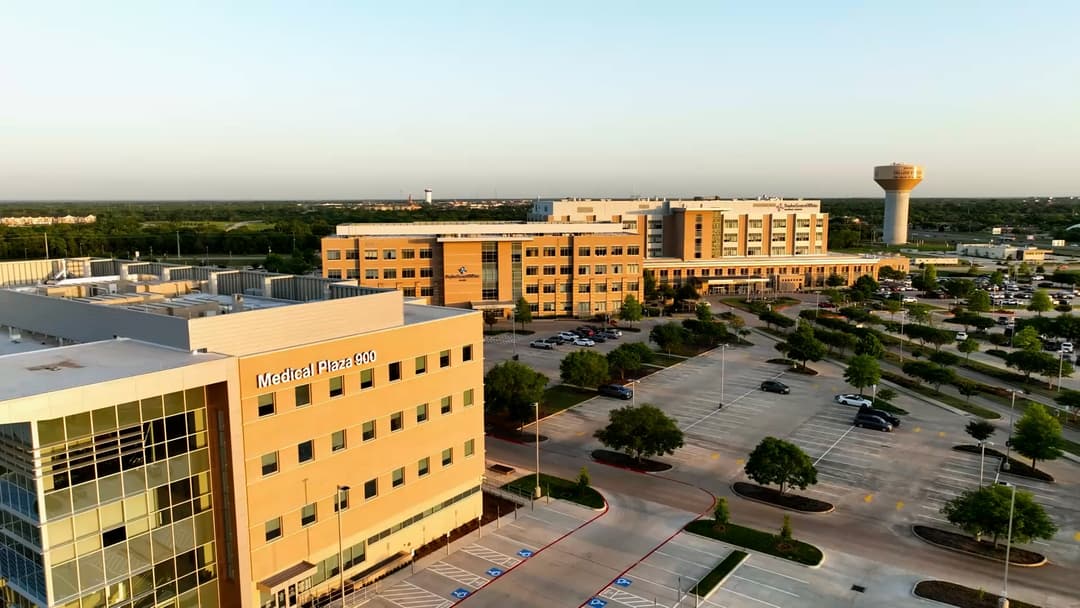
Baylor Scott & White Medical Center-College Station provides a range of medical services, including neuroscience, back and neck care, pain management, imaging and rehabilitation services. Patients looking for help finding the right physician or specialty can contact the hospital's physician referral line.
Address: 700 Scott & White Drive, College Station
Main phone: 979-207-0100
Physician referral: 979-207-4000
Website: www.bswhealth.com/locations/hospital/college-station
Learn more about neuroscience care: www.bswhealth.com/specialties/neuroscience
Frequently asked questions
What brain and spine services are available through Baylor Scott & White in College Station?
Baylor Scott & White offers care for brain, spine and peripheral nerve conditions, with access to neurosurgery, pain management, advanced imaging and rehabilitation services.
What is a 3T MRI?
A 3-tesla, or 3T, MRI produces detailed images that can help physicians better understand brain, spine and other conditions and develop an appropriate treatment plan.
What is spinal navigation technology?
Spinal navigation uses imaging and specialized software during surgery to help surgeons track instruments and plan the placement of screws, rods and other implants with greater precision.
Do all spine patients need surgery?
No. Pain management specialists can provide nonsurgical treatment options for some patients and help determine when a surgical evaluation may be appropriate.
How can patients find a Baylor Scott & White specialist in College Station?
Patients can call the physician referral line at 979-207-4000 or visit the Baylor Scott & White Medical Center – College Station website to learn more about available services and providers.