

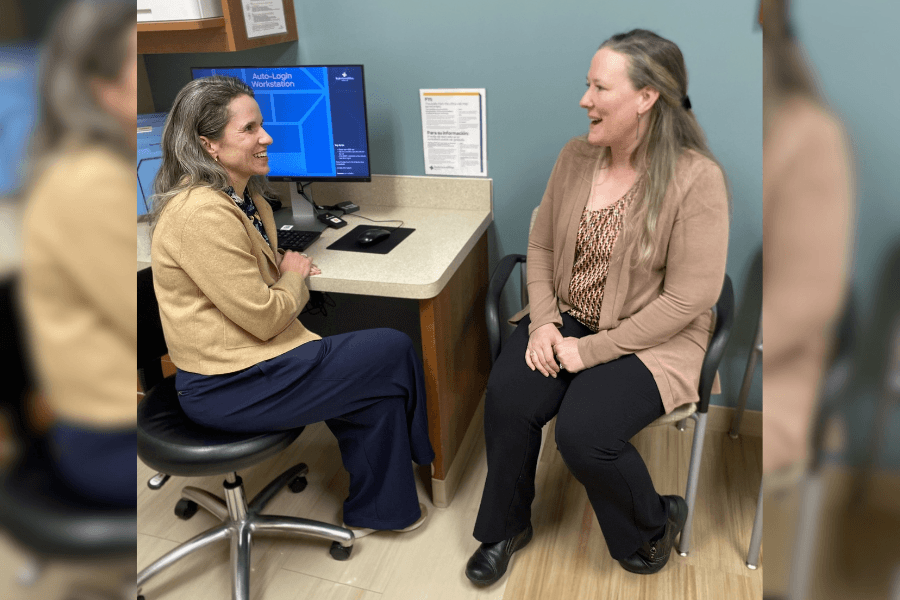
Cancer care often starts years before a diagnosis, in a primary care exam room.
Dr. Christal Murray, a Baylor Scott & White oncology and hematology medical director, said that because primary care physicians already understand a patient’s unique mix of lifestyle, genetic and other risk factors, they are in the best position to guide personalized screenings and lifestyle changes.
In addition to this preventative guidance, ongoing familiarity allows primary care physicians to track a patient's baseline, including weight, energy levels and typical lab results, so they can recognize subtle changes early.
What happens when a primary care physician identifies a potential issue?
At Baylor Scott & White, when a primary care physician identifies a potential concern, the transition to testing and treatment is designed to be smooth. The patient will be referred to a nurse navigator, who guides them through the treatment process, which could include being referred to a specialist, such as a surgeon, or a medical oncologist.
“Because we're an integrated [hospital system], all physicians, clinicians and nurses see all of the referrals, notes, recommendations and testing from all of the other specialties,” Dr. Murray said. “Communication is really quite seamless between all of the different members of the care team.”
46-year-old Tiffany Blase experienced this integrated system firsthand. After noticing changes and raising concerns with her primary care team, Blase was referred for diagnostic testing. A biopsy confirmed triple-negative breast cancer on Aug. 6, 2024.
“Once I received the diagnosis, everything moved so quickly. I was diagnosed on Aug. 6, and by Aug. 27, I was sitting in the chemotherapy chair. It was like boom, boom, boom, appointments, scans and treatment, and I could tell everyone was working together to help me fight this cancer,” Blase said. “For something no one ever wants to go through, I had an amazing experience. I felt cared for every step of the way and never felt like I was navigating it alone. A year later, on Aug. 15, 2025, I was finally able to ring the bell.”

How does Baylor Scott & White make cancer care more accessible across Greater Austin?
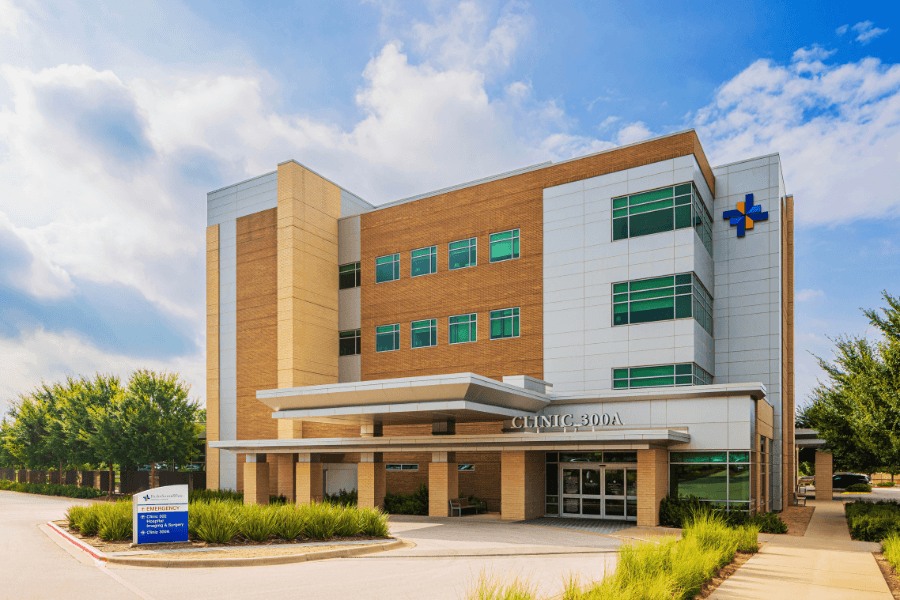
For patients in the Greater Austin region, receiving specialized cancer care doesn’t mean traveling long distances. Baylor Scott & White’s integrated network is available across its locations, such as the Round Rock cancer center, which is one of the first comprehensive community cancer centers in the Austin market. Additionally, Baylor Scott & White continues to expand services throughout the Greater Austin region, including Baylor Scott & White Medical Center – Austin and Baylor Scott & White Medical Center – Marble Falls.
Patients can access primary care, specialty care and diagnostic testing across clinics and medical centers in communities throughout the Greater Austin Region. Each of Baylor Scott & White's locations play an important role in helping patients receive necessary screenings, laboratory work and diagnostic testing close to home.
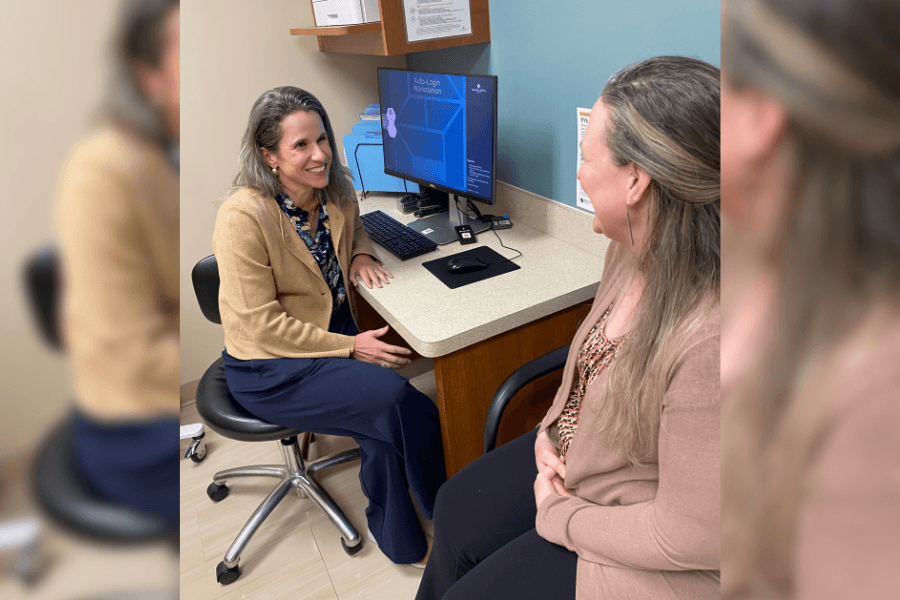
Because providers across the Baylor Scott & White network share the same electronic medical record system, patients can move seamlessly from diagnosis to treatment, regardless of where they enter the system. From a patient's primary care physician to their specialists—the whole team can coordinate their care.
"Many patients begin their journey with a primary care physician or specialist close to home. Because our providers are connected through the same electronic medical record system, we can coordinate care efficiently and ensure patients have access to the specialists and treatment they need without having to manage the transfer of records themselves," Dr. Murray said.
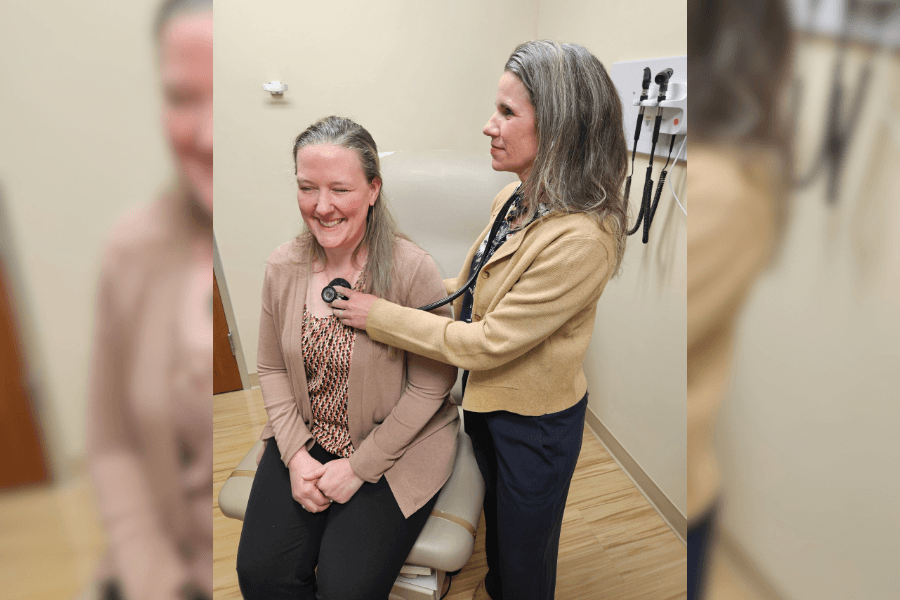
What happens after cancer treatment concludes?
Primary care remains crucial after cancer treatment ends, with primary care physicians continuing to manage areas such as blood pressure and cholesterol while supporting broader health goals during and after your cancer journey. For example, they can advise patients to begin exercising and avoid tobacco and alcohol.
Ultimately, cancer care does not begin and end with oncology. It can start with a conversation in a primary care office, and continue through testing, specialty treatment and survivorship. And Dr. Murray said that throughout each patient’s journey, Baylor Scott & White team members prioritize compassion.
“It is obvious to me that all of my individual [team members] really care about making sure the patient is taken care of,” Dr. Murray said.
To learn more about Baylor Scott & White’s oncology and primary care, resources can be found here:
Cancer care website: https://www.bswhealth.com/locations/service-area/austin-tx/cancer-care
Baylor Scott & White offers primary care at locations throughout the region spanning from Georgetown to Buda, and the Hill Country to Taylor. Click here to find a location near you: https://www.bswhealth.com/locations/service-area/austin-tx/primary-care
Frequently asked questions
How does Baylor Scott & White's integrated system support cancer patients from diagnosis through treatment?
When a primary care physician identifies a potential concern, the patient is referred to a specialist in surgery, radiation or oncology and paired with a nurse navigator who guides them through the treatment process. Because Baylor Scott & White is an integrated hospital system, all physicians, clinicians and nurses share access to the same referrals, notes, test results and recommendations, eliminating gaps in communication across specialties.
Where does Baylor Scott & White offer cancer care in the Greater Austin area?
Baylor Scott & White operates a comprehensive cancer center in Round Rock, one of the first in the Austin market, and continues to expand services through Baylor Scott & White Medical Center – Austin and Baylor Scott & White Medical Center – Marble Falls.
If you see a provider at any of Baylor Scott & White's more than 90 locations throughout the Greater Austin Region, your primary care doctor and specialists are all communicating. It's easy for them to keep track of where you are on your care journey, and how to best support you.
What role does primary care play before and after a cancer diagnosis?
Before a diagnosis, primary care physicians track each patient's baseline, such as weight, energy levels and lab results, and use knowledge of their lifestyle, genetics and other risk factors to guide personalized screenings and lifestyle changes. After treatment ends, primary care remains central to survivorship, managing ongoing health needs like blood pressure and cholesterol management, exercise routine, and tobacco and alcohol reduction.
To learn more about oncology support, you can watch this Baylor Scott & White webinar.
The above story was produced by the Baylor Scott & White – Greater Austin Region team with Community Impact's Storytelling team, using information solely provided by the local business as part of their "sponsored content" purchase through our advertising team.