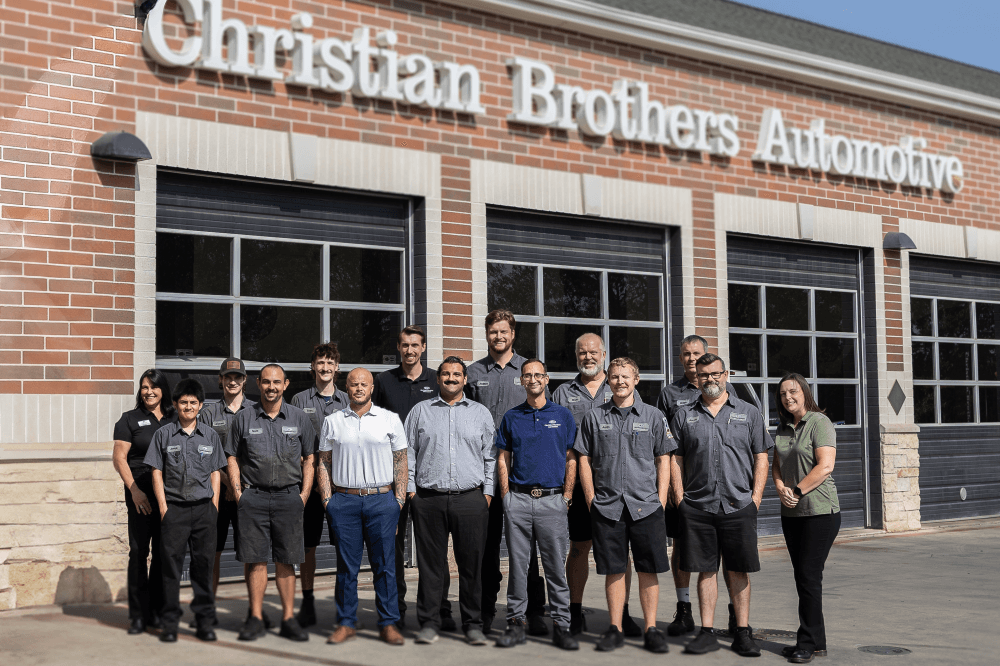

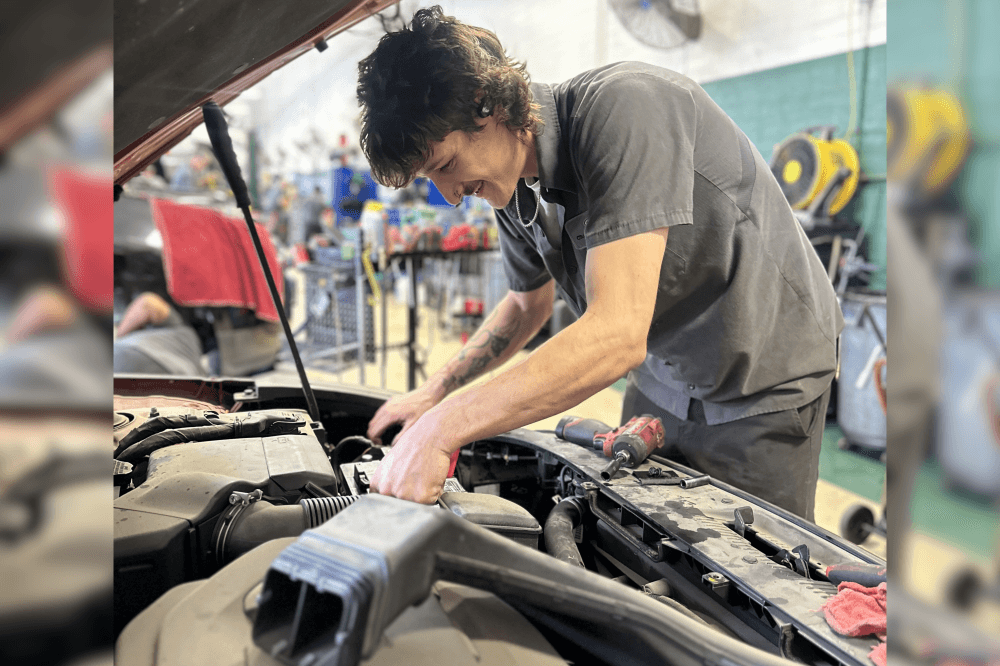
Last week, a vehicle was towed into Christian Brothers Automotive in New Braunfels after breaking down on the side of the road. It had been running roughly; warning lights came on, and eventually it stalled completely.
When technicians removed the drain plug to check the oil, nothing came out.
“Upon further investigation, we found a tar-like substance in the engine that killed it,” owner Kevin Carroll said.
The oil hadn’t just run low; it had broken down and solidified, no longer circulating through the engine’s moving parts. Instead of protecting the system, it choked it.
Major mechanical failures rarely happen overnight. More often, they build quietly the way small habits compound over time, for better or worse.
At Christian Brothers Automotive, Automotive Service Excellence, or ASE, master-certified technicians see the long-term effects of delayed maintenance every day. Their job isn’t just fixing what’s broken; it’s helping drivers understand how to protect what’s working before small issues turn into expensive ones.
Here’s what they want the community to know.
1. Change your oil often
Many newer vehicles advertise oil change intervals of up to 10,000 miles, but Carroll doesn’t recommend waiting that long.
“We recommend going no more than 5,000 miles between oil changes,” Carroll said. “The manufacturer’s job is to get you to the end of the warranty period because then complications become your problem.”
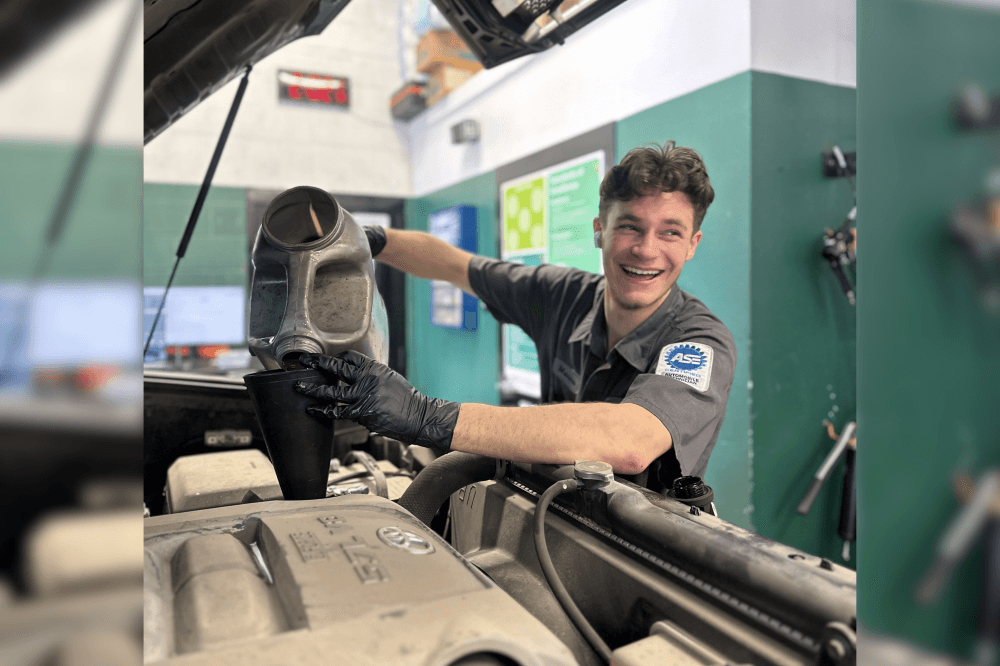
Oil is the lifeblood of an engine, much like circulation keeps everything moving in the human body. It reduces friction, regulates temperature and prevents internal components from grinding against each other.
You may not see immediate consequences from stretching maintenance too far, but wear is happening internally.
It’s the difference between responding to a crisis and consistently supporting the system so it can function as designed.
2. Pay attention to early signals
Preventive care often comes down to awareness.
“Keep your eyes and ears open for anything you are not used to,” Carroll said.
That includes spotting fluid underneath the vehicle, noticing a new vibration, hearing a subtle knock or watching a dashboard light flicker on.
Vehicles, like the human body, are designed to signal when something isn’t right. Ignoring those signals doesn’t make them disappear; it simply allows small problems to grow.
Catching an issue early can mean the difference between a minor repair and a major overhaul.
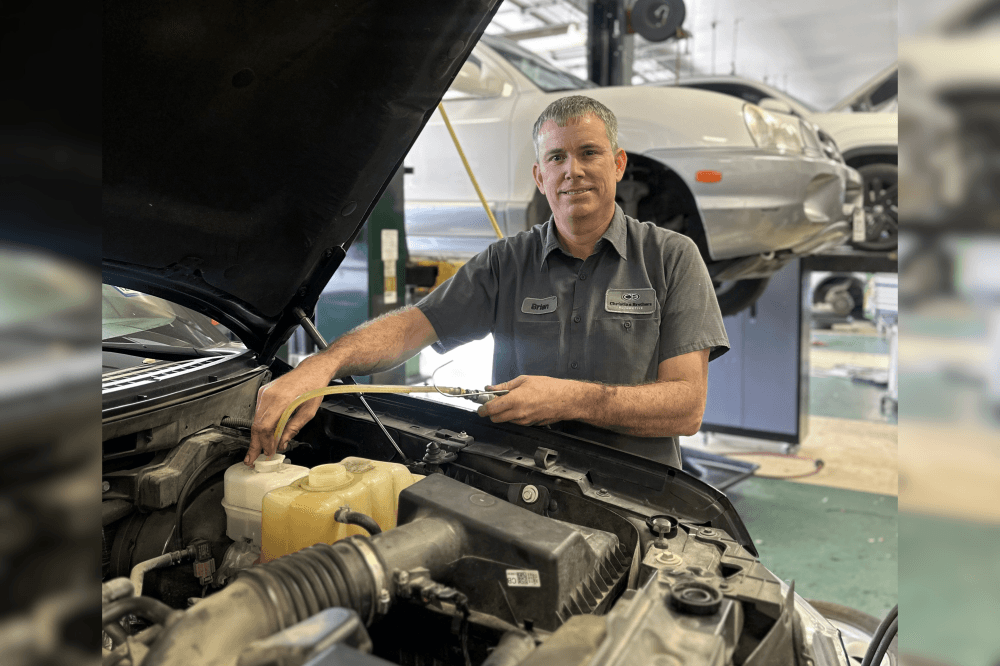
Staying proactive means following the manufacturer’s suggested maintenance schedule or working with a reputable shop that tracks it for you. Carroll’s team reviews manufacturer specifications for every vehicle and checks reported service history to see what has been completed.
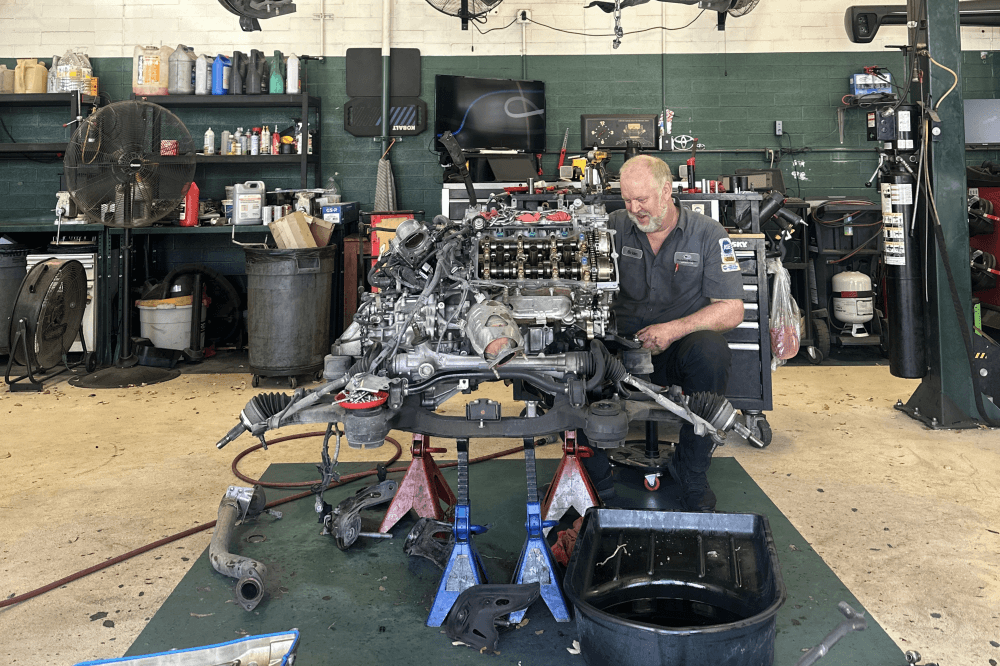
3. Modern systems require modern care
Today’s vehicles are far more advanced than in the past.
Christian Brothers Automotive maintains digital subscriptions that allow technicians to access manufacturer repair data and programming capabilities—tools required for many modern repairs.
In many cases, components must be electronically reintroduced back into the vehicle after installation. Carroll said even replacing a battery may require reprogramming, rather than simply swapping it out and driving away.
When systems are interconnected, neglect in one area can affect another. Just as different systems in the body rely on each other to function properly, a vehicle’s mechanical and electronic components work as one integrated network.
Routine maintenance helps keep the network stable.
4. Maintenance protects resale value
Shops can now review reported maintenance history, from transmission fluid services to coolant replacements, through services such as Carfax. That documentation tells a story about how a vehicle has been treated over time.
“I guarantee that if someone wants to trade their vehicle in or sell it to an open market, they’re going to get a lot more money for it if it is well maintained than an ill-maintained vehicle,” Carroll said.
Clean vehicles with documented service records consistently command higher prices than those with visible leaks, residue or missing paperwork.
The bottom line
For many people, a vehicle is one of their largest investments.
Routine maintenance isn’t about fixing what’s broken; it’s about sustaining what’s working by protecting the core systems that keep everything moving.
Longevity, whether in a machine or in anything built to perform over time, doesn’t come from reacting late. It comes from steady, preventive attention. Drivers who adopt that long-term mindset often avoid costly emergency repairs and preserve the value of their vehicle for years to come.
Click here to learn more about Christian Brothers Automotive, or to schedule an appointment today.
The above story was produced by Senior Multi-Platform Journalist Sydney Heller with Community Impact's Storytelling team with information solely provided by the local business as part of their "sponsored content" purchase through our advertising team.