
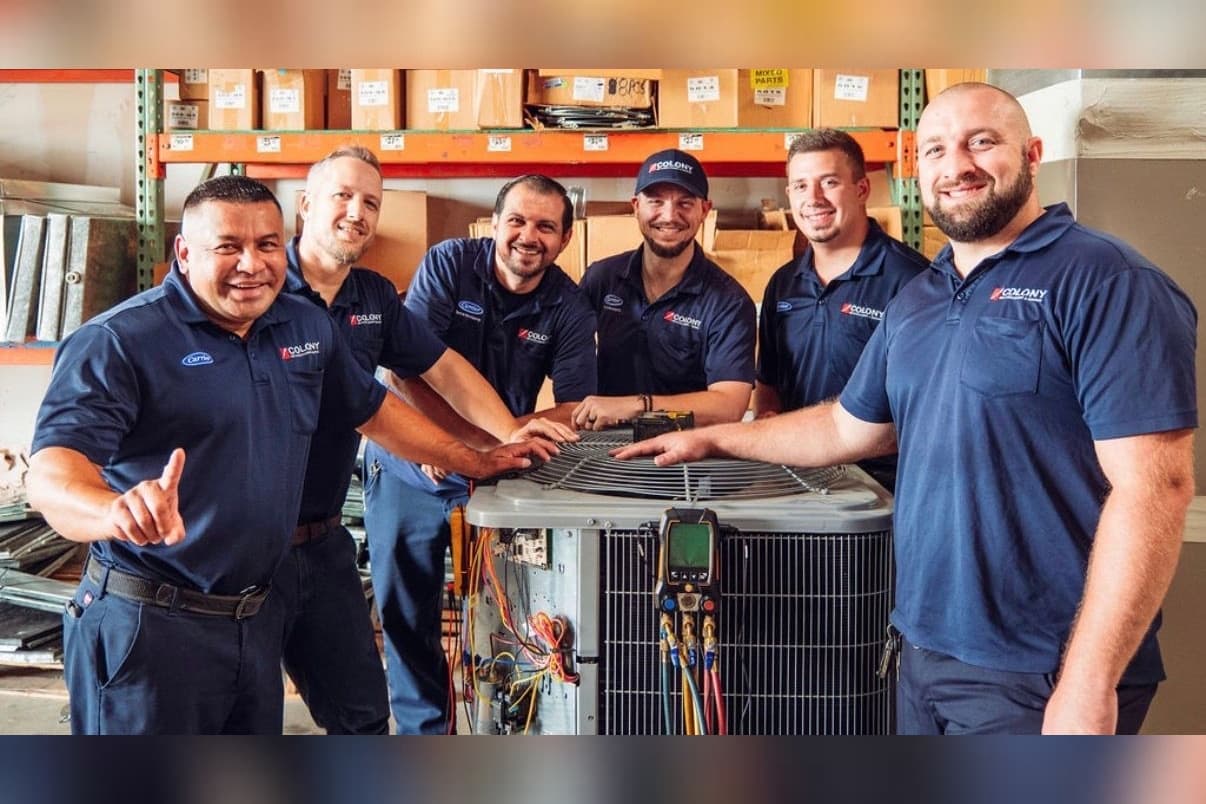
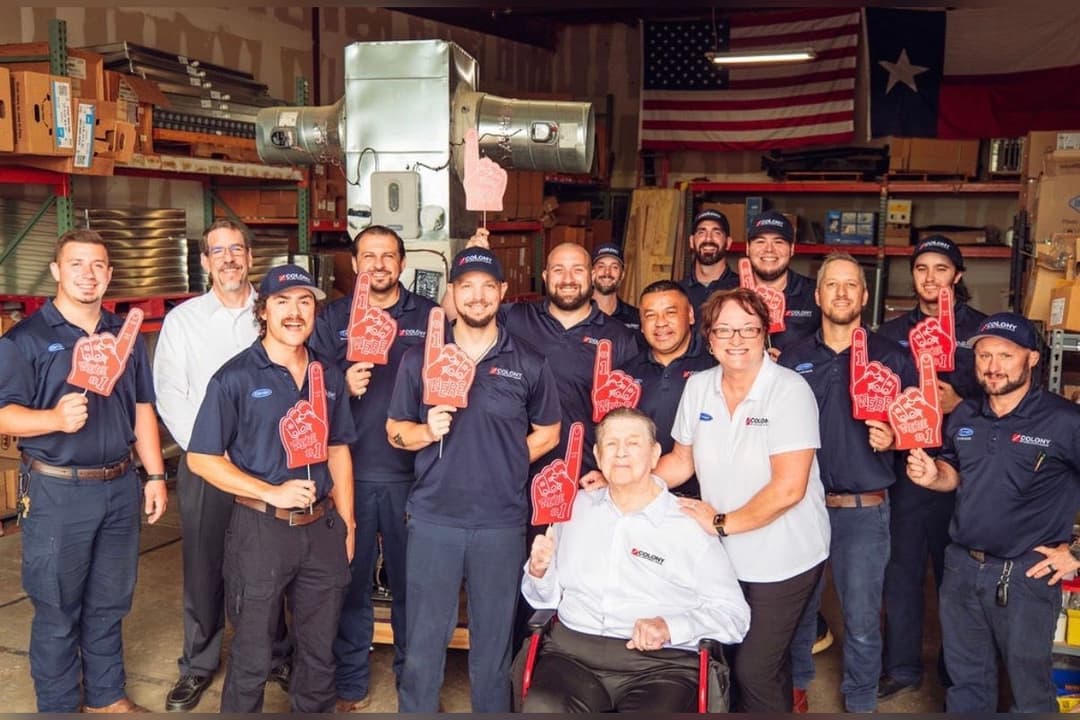
Colony AC & Heating, a family-owned HVAC contractor operating for nearly 50 years, provides heating and cooling services to homeowners in North Texas. Owned by Larry and Kathy Everett, the business helps customers make informed decisions by offering reliable service, honest communication and guidance on how to safely hire licensed and insured technicians.
According to Everett, homeowners can take several steps to protect themselves and make informed decisions before scheduling an appointment.
"These are not necessarily things that would make a contractor dishonest," Everett said. "But they could give you reason to pause and verify them."
1. The company's license doesn't exist
Before hiring an HVAC contractor, homeowners should verify that the company holds a valid license with the State of Texas by going to tdlr.texas.gov and searching for licensed contractors (the business itself), as well as individual technicians who work for them.
In Texas, HVAC contractors must be licensed to operate a business. This takes into consideration experience in the trade, business acumen and proof that they are aware of the protections in place for homeowners that must be adhered to for safety and integrity. In addition, technicians working for the licensed business must be registered with the state, which will assure homeowners that the technician entering their home has had a background screening. It is illegal for a registered technician to perform work independently without a proper license.
2. Negative reviews that reveal recurring problems
Everett encourages homeowners to look beyond a company's positive reviews and sort the reviews by “Lowest” (one-star reviews). When doing so, homeowners should look for recurring complaints about missed appointments, unanswered calls or difficulty obtaining follow-up service. They should pay attention to how the company responds to complaints, too.
Everett also recommends checking the Better Business Bureau and paying particular attention to see if similar concerns appear across multiple platforms. A single negative review may not tell the whole story, but repeated complaints about the same issue deserve closer attention.
3. Advertised deals that seem too good to be true
A low-cost furnace tune-up or a free service call might sound appealing, but Everett cautions homeowners to understand exactly what they're purchasing. Some companies advertise unusually low service prices, only for the appointment to turn into a high-pressure sales pitch for additional repairs or equipment. Before booking, ask what the advertised price includes and whether additional charges could apply. For seasonal check-ups, ask if they are actually cleaning.
4. The company requires a large down payment for a simple repair
Everett encourages homeowners to be cautious when a contractor requires an upfront payment for repairs. For example, a company might require half the cost of a $250 repair before ordering a replacement part. If the homeowner later decides to cancel, they could discover that the deposit is nonrefundable. Everett recommends asking about payment requirements and cancellation policies before authorizing any work, especially when parts must be ordered.
5. The company isn't clear about who will perform the work
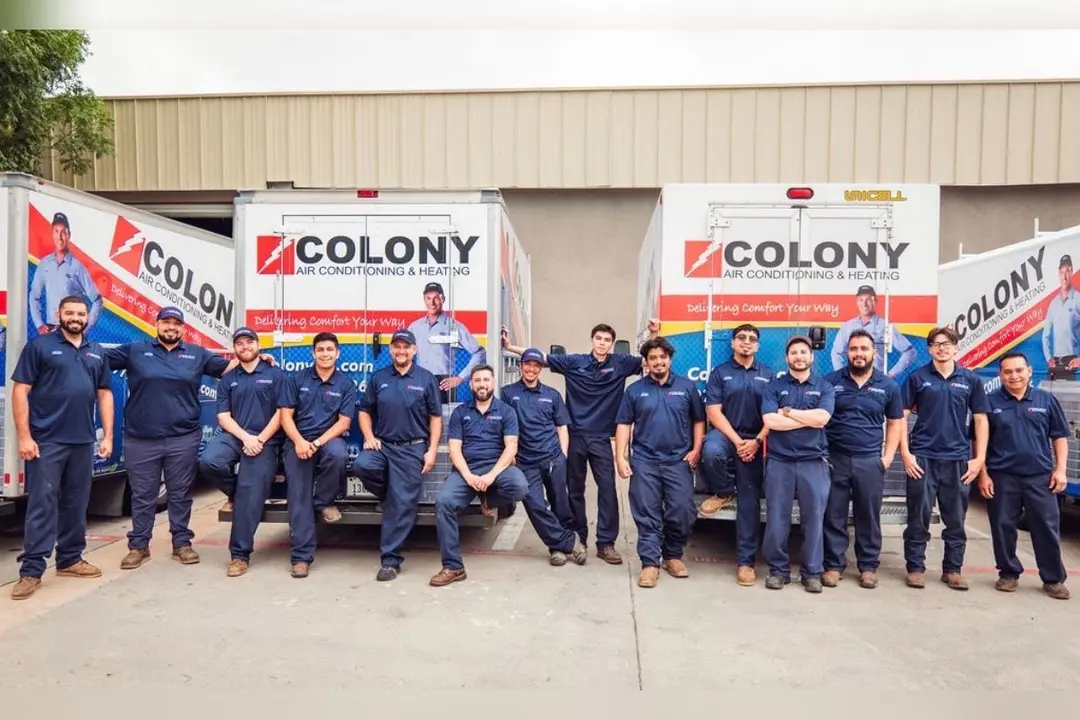
When scheduling an appointment, homeowners should ask whether the technician coming to their home is a company employee or a subcontractor. Subcontractors are independent workers who may perform services for multiple businesses. While using subcontractors doesn't always guarantee a bad outcome, Everett said it certainly should cause concern that the quality of the work being performed may not have as much oversight or care as there should be. Homeowners should understand who is responsible for the work and any associated warranties.
6. The contractor won't provide proof of insurance
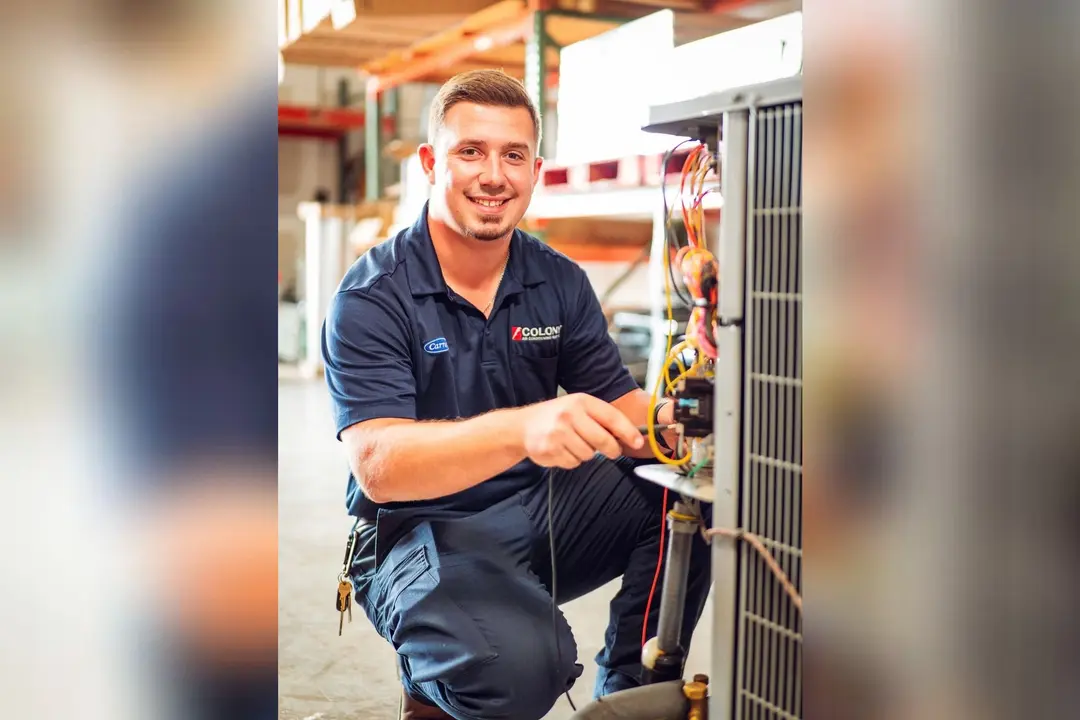
Since the work is being performed in your safe space, your home and oftentimes on expensive HVAC equipment, Everett also recommends requesting a certificate of liability insurance before allowing an HVAC repair person to begin work. Insurance provides an important layer of protection if something goes wrong during the service. Homeowners should pay attention to how a company responds to this request. If the contractor repeatedly avoids the question or cannot provide documentation, Everett recommends investigating further.
7. The company uses waived diagnostic fees as a marketing ploy
Homeowners might ask, “Should I find a company that will waive a diagnostic fee with repair?” Not necessarily. Everett said a company that waives the diagnostic fee with repairs uses this as a marketing ploy to keep you tied to them. They have to make up that money somewhere, so you typically find it in higher-dollar repair costs, so the net result ends up being the same. Don’t let a stand-alone diagnostic fee turn you away from a reputable company.
8. The company is unwilling to honor manufacturer warranties
A question homeowners might have is, “What if my system has a warranty through the manufacturer?” If your system is between one and three years old, first check with the installing company to see what kind of coverage you may have. If your system is between four and ten years old, ask the licensed company to check your warranty coverage. Most licensed contractors can uphold and administer warranty support for all manufacturers. If a company says they cannot, ask why. This could be because their licensing has expired, their account with the manufacturer is in bad standing or they simply don’t want to take on warranty work. Knowing this ahead of time could save you time and money.

The bottom line
Overall, if the contractor is unwilling to provide straightforward answers, whether you are asking about licensing, insurance, pricing, warranties or who will perform the work, it is a red flag. A reputable company should be willing to explain its policies and provide appropriate documentation.
Everett said these warning signs are intended to help homeowners ask better questions, research their options and avoid unpleasant surprises. As a family-owned business and the 2026 HVAC Residential Contractor of the Year, Colony AC understands the importance of building that trust through honest communication, reliable service and putting customers first.
Those interested in learning more about Colony AC can find resources here:
Website: https://www.colonyac.com
License number: TACLB4160C
Phone number: 972-591-0293
How can I verify that an HVAC contractor is properly licensed to work in Texas?
Homeowners can verify that an HVAC contractor holds a valid license by visiting tdlr.texas.gov.
What should homeowners ask about simple HVAC repair down payments?
Homeowners should ask about payment requirements and cancellation policies before authorizing any work, especially when parts must be ordered. This is because if the homeowner decides to cancel the service, they could discover that the deposit is nonrefundable.
Will waived HVAC diagnostic fees always lower the overall price of the service?
Not necessarily. HVAC companies need to make up for the waived diagnostic fees somewhere, and this is typically done through higher-dollar repair costs, so the net result might end up being the same.