Local stores like the Hill Country Water Gardens & Nursery can offer a selection of native Central Texas plants. (Courtesy Hill Country Water Gardens & Nursery)
Editor's note: This interview has been edited for length and clarity.
Kyle resident Holly Wilson grew up helping her mother and grandfather maintain their gardens, which fostered a lifelong love and appreciation for vegetable and flower gardening.
Now with 40 years of experience, Wilson has dedicated her time to educating others who are interested in the practice. In addition to serving as an organic gardening instructor and as a City of Kyle Conservation and Parks and Recreation board member, she also teaches for the Native Plant Society of Texas.
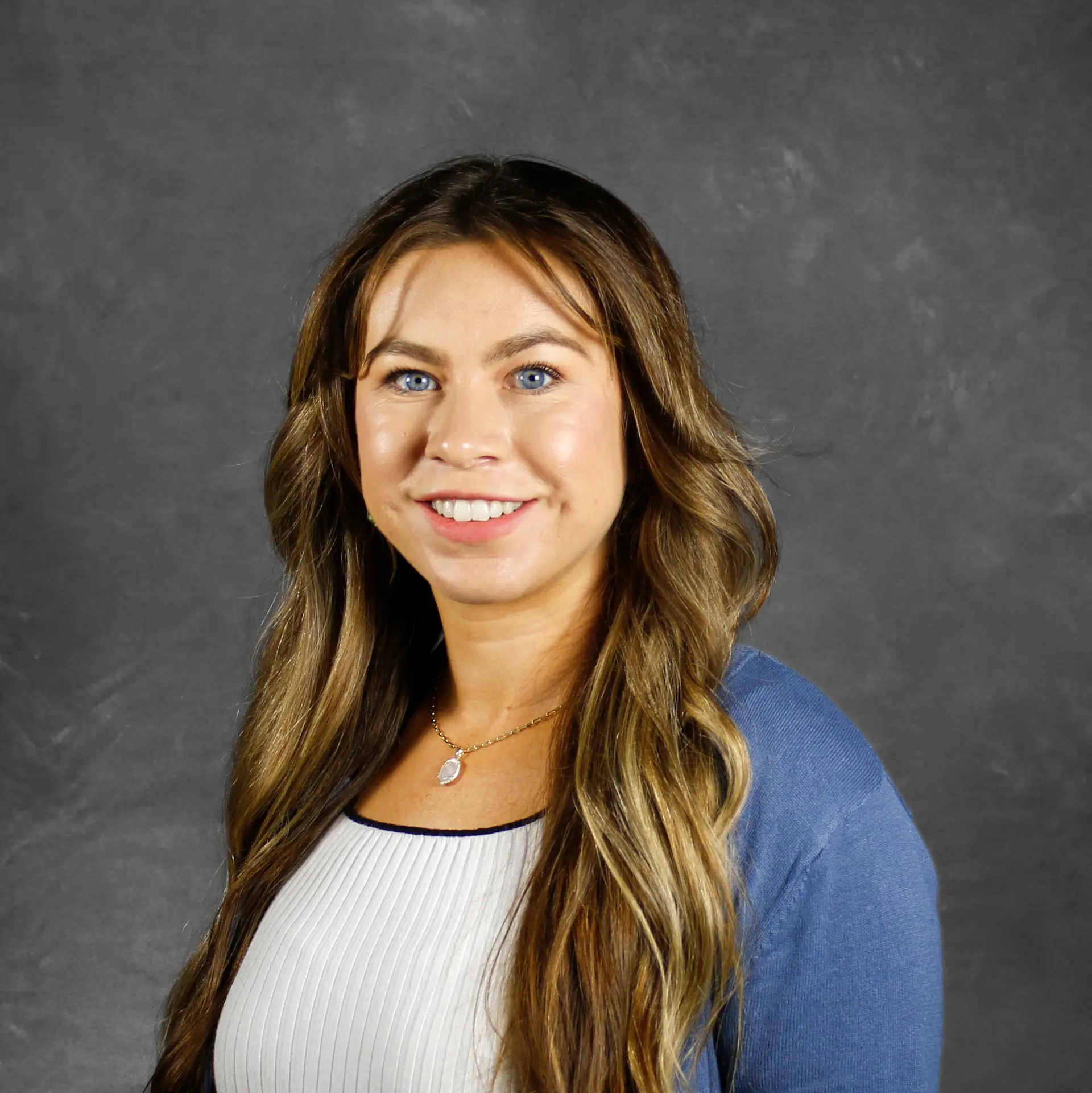
Holly Wilson has 40 years of gardening experience and dedicates her time to educating other Central Texas gardeners. (Courtesy Holly Wilson)Courtesy Holly Wilson
“I care very much about people being outside and enjoying nature and protecting our environment and nature,” Wilson said. “Because humans need nature and nature needs humans to protect it, right? It's a symbiotic relationship, or at least it should be.”
What is the best time of year to plant a garden in Central Texas?
In the fall, usually mid-October through the end of November. As people are planting in spring or summer, then they're going to have to use a tremendous amount of water just trying to keep that plant alive. Whereas, if you plant in the fall … more chances of rain, cooler temperatures is telling a plant to establish its roots, and so the plant is much better able when spring and summer come because of its bigger, deeper root system. It can tolerate drought better.
What are the most common gardening mistakes that you see beginners make, and how can they avoid them?
They don't think about placement of a plant, such as whether this plant is wanting sun or shade, and what's actually available in that spot year-round. Another really big one is not considering the mature size of the plant. Before you buy it, look into what are its soil requirements? What are its watering requirements? What are its sun and shade requirements? And how big is that plant going to get before you determine whether it's appropriate for your garden, and then also to determine where in your garden to put it.
How do you approach pest management in your garden? Do you prefer organic methods?
I believe very strongly in organic methods. I don't use chemicals in my garden at all. I use what's called integrated pest management, and I make my own compost with organic matter from the leftover vegetable stuff, from the leaves, from twigs, and I use that to provide nutrients for my plants. I also do Vermicomposting, which is worm composting. That is what I use for fertilizer, and then I never use pesticides.
And pesticides—that's an umbrella term for herbicides, insecticides and fungicides. If you have the unwanted insects in your yard, the beneficial predator insects and other wildlife such as [lizards] and frogs and things like that will come and help you and take care of them. I believe very strongly in having a balanced ecosystem in your garden.
What is the best way for gardeners to educate themselves on what the good pests are and what the bad pests are?
I recommend people learn about integrated pest management because the best way to help prevent any overabundance is what's called cultural controls. So cultural controls are those things of having a plant that is right for the soil that you have, and having the right amount of water, and having the right amount of sun and shade, and planting at the right time of the year. So that's the best way to avoid having the overabundance of those insects in the first place. And then from there, you can do the mechanical, otherwise known as physical things, like hand squishing, or you can hand vacuum or use a strong blast of water.
What are some of your favorite gardening tools or resources that you think every gardener should have?
For tools, I really love my Hori Hori knife. It's a Japanese tool. As far as my go-to resources for gardening information, my personal favorite one is the Native Plant Society of Texas website. They have a database, and you can put your eco-region in it because Texas has many different eco-regions. They also have just a lot of really great information and resources about gardening with native plants and why native plants are so superior to anything that's non-native.
Can you discuss the importance of soil health and how gardeners can improve their soil health?
Healthy soil is tremendously important, and that's why I believe in using compost and Vermicompost, or even compost tea, which is just you soak your compost in a mesh bag and in water, and then you can just pour it in your soil.
And unfortunately, when people are buying synthetic fertilizers … those are usually petroleum-based fertilizers, although some are organic. But generally speaking, those things are going to starve off the beneficial microorganisms in the soil because it's just like taking a multivitamin for the plant, and so the plant no longer needs those organisms in the soil, and stops providing that stuff for them, and those organisms die off. But what happens is your plant becomes dependent now on these fertilizers, these instant like shot of vitamins, multivitamins in the arm, so to speak, and so that's when plants start getting really stressed and unhealthy.
When you add compost to your plants, do you just add it to the top of the soil or do you replant them in new compost?
Before I plant, I mix the compost into the soil. That is the best way to do it. But once you have a plant in the soil, it's really best not to disturb the root system. So then I will try and gently, carefully remove some soil away from the plant around it, and kind of mix the compost into that.
How can people in Central Texas create a more sustainable landscape in their own backyards?
I think it's about understanding the impacts of our choices on the ecosystem as a whole, such as the insects and the plants. Using native plants is really, really important. There are no other plants that are adapted, or non-native, or exotic, that will support the environment in any closer measure to a native plant, so that's number one. Number two, recognize that 95% of insects are beneficial. That doesn't mean people want them in their yard, but they still are really important to the ecosystem, and to learn to accept them, to allow them to be in your yard because you need everything to have a balanced ecosystem and to help the environment.
How can someone incorporate edible plants into their ornamental garden?
Because native plants don't want fertilizers or pesticides or the amount of water that a vegetable garden requires, I never put them in the same bed because they have very different requirements.
And there any specific gardening techniques or best practices that you swear by?
Never using chemicals. Just don't starve off your beneficial microorganisms in the soil with even what they consider organic fertilizers because they're still going to do it.
What trends are you seeing in gardening now, especially in the Central Texas region?
I'm starting to see a real awakening about using native plants, and I think a large part of that is because we are running out of water here, and people are recognizing the fact that they're wasting a lot of water on their non-native turf grasses and non-native plants.
What advice would you give someone who feels overwhelmed by just the vast amount of gardening information available and doesn't know where to start?
Yes, there is a lot of information and if somebody is not good at vetting their sources, I think exposing themselves to as many sources as possible so they can kind of start to see the pattern of what may be more truth than fiction.
What role do you think gardening plays in mental health and overall well-being?
The relationship that humans have with nature, and nature with humans—it really does reduce stress levels. It increases dopamine. It creates a sense of relaxation anytime we're out in nature.
Anything else you would like gardeners to know?
For one, 15% of adapted plants—and adapted plants are not native—but they do better here than most other non-natives. 15% of them will eventually become invasive, meaning that they will do a tremendous amount of both environmental and economic damage to the land, to farmers, to agriculture, to our wildlife.
And point number two is: 90% of native insects are considered specialists, meaning they can only get the food and nectar that they need from native plants and native plants only. Nothing else will give them what they need.
More Arts & Entertainment news from San Marcos - Buda - Kyle